Loading video…


 11 Concepts
 234K views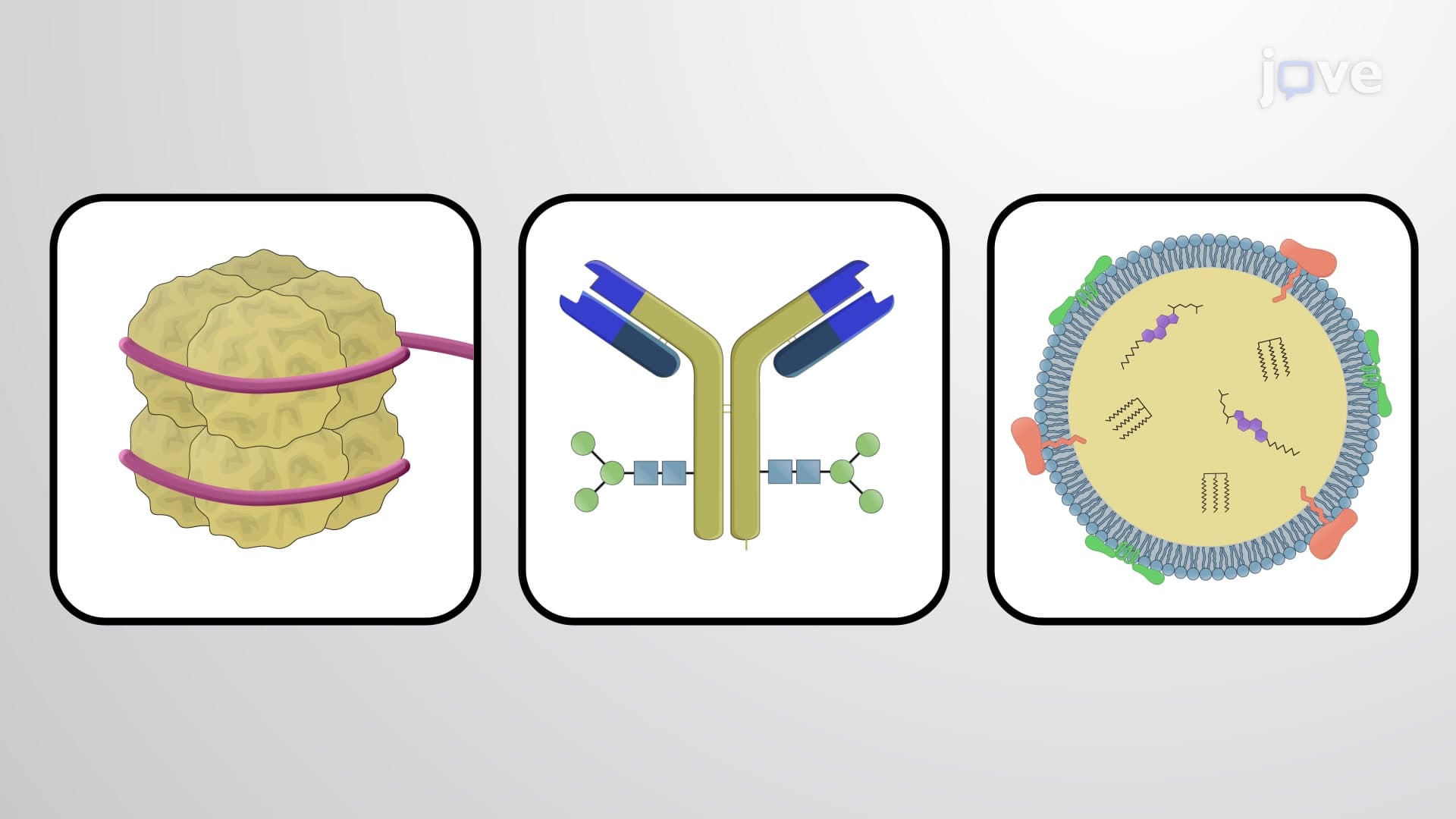

Video Summary: What are Conjugated Proteins
Did you know that the red color in your blood comes from a protein complex containing iron? Conjugated proteins are specialized protein structures that combine amino acids with nonprotein components like carbohydrates, lipids, or metal ions to perform essential biological functions. From the hemoglobin carrying oxygen in your bloodstream to the antibodies protecting you from disease, what are conjugated proteins becomes clear when you see their vital roles in human physiology. Watch the full video on JoVE Coach to master this concept with expert-led visuals and step-by-step explanations.
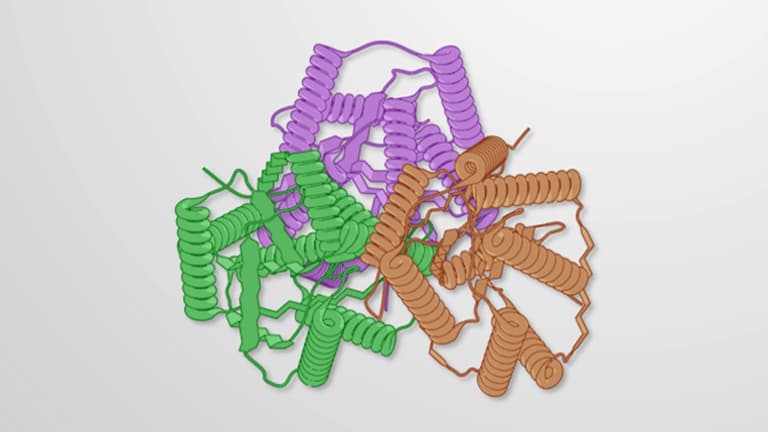
Conjugated proteins represent a sophisticated class of biological macromolecules that extend far beyond simple amino acid chains. Unlike basic proteins composed solely of polypeptide sequences, conjugated proteins incorporate nonprotein components called prosthetic groups, creating hybrid molecules with enhanced functionality. This conjugated proteins biology explained concept reveals how evolution optimized protein performance by combining organic and inorganic elements.
The conjugated proteins definition encompasses any protein covalently or non-covalently bound to nonprotein molecules, including carbohydrates, lipids, nucleic acids, or metal ions. This partnership dramatically expands protein capabilities beyond what amino acids alone could achieve, making conjugated proteins essential for life processes from cellular respiration to immune defense.
Nucleoproteins exemplify how proteins and nucleic acids collaborate in cellular function. In human cells, histone proteins package DNA into nucleosomes, compacting roughly 6 feet of DNA into each cell nucleus. This conjugated proteins overview wouldn't be complete without mentioning ribonucleoproteins (RNPs) like the spliceosome, which removes introns from pre-mRNA transcripts. Students preparing for the AP Biology exam frequently encounter questions about these RNA-processing mechanisms.
Glycoproteins and proteoglycans demonstrate carbohydrate-protein partnerships crucial for recognition and structure. Immunoglobulin G (IgG), the most abundant antibody in human blood, contains oligosaccharide chains that influence its stability and immune function. Meanwhile, proteoglycans in knee cartilage provide the shock-absorbing properties that protect joints during activities like basketball or running, making this concept particularly relevant for sports medicine students.
Lipoproteins solve a fundamental biological challenge: transporting hydrophobic molecules through aqueous blood. Low-density lipoprotein (LDL) carries cholesterol to tissues, while high-density lipoprotein (HDL) removes excess cholesterol-a distinction critical for understanding cardiovascular disease risk factors emphasized in MCAT preparation.
Metalloproteins like hemoglobin showcase how metal ions enhance protein function. The iron atom in hemoglobin's heme group binds oxygen reversibly, enabling efficient gas transport. This conjugated proteins study guide concept appears frequently in college biochemistry courses and medical school curricula, particularly when studying anemia and oxygen transport disorders.
For students taking standardized exams, conjugated proteins notes should emphasize disease connections. Glycosylated hemoglobin (HbA1c) serves as a diabetes monitoring tool, while specific lipoproteins indicate cardiovascular risk. Understanding these clinical applications helps students excel on healthcare entrance exams like the HESI A2 and TEAS, where applied biochemistry knowledge is essential.
Related Micro-courses