Loading video…


 11 Concepts
 234K views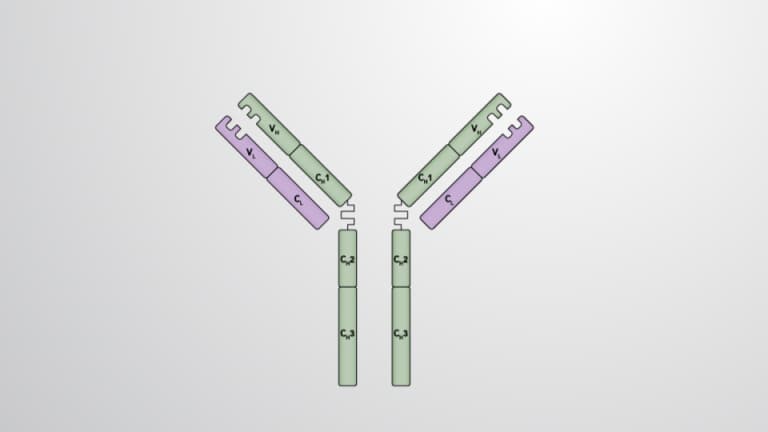

Video Summary: What Is Antibody Structure
Did you know that your immune system can produce over 10 billion different antibodies to fight infections? Antibody structure is the key to understanding how these Y-shaped protein molecules recognize and neutralize threats like the COVID-19 virus. Each antibody contains four polypeptide chains-two heavy and two light chains-connected by disulfide bonds, with variable regions that bind specific antigens and constant regions that activate immune responses. The FDA-approved monoclonal antibody treatments for cancer rely on this precise structural knowledge. Watch the full video on JoVE Coach to master this concept with expert-led visuals and step-by-step explanations.
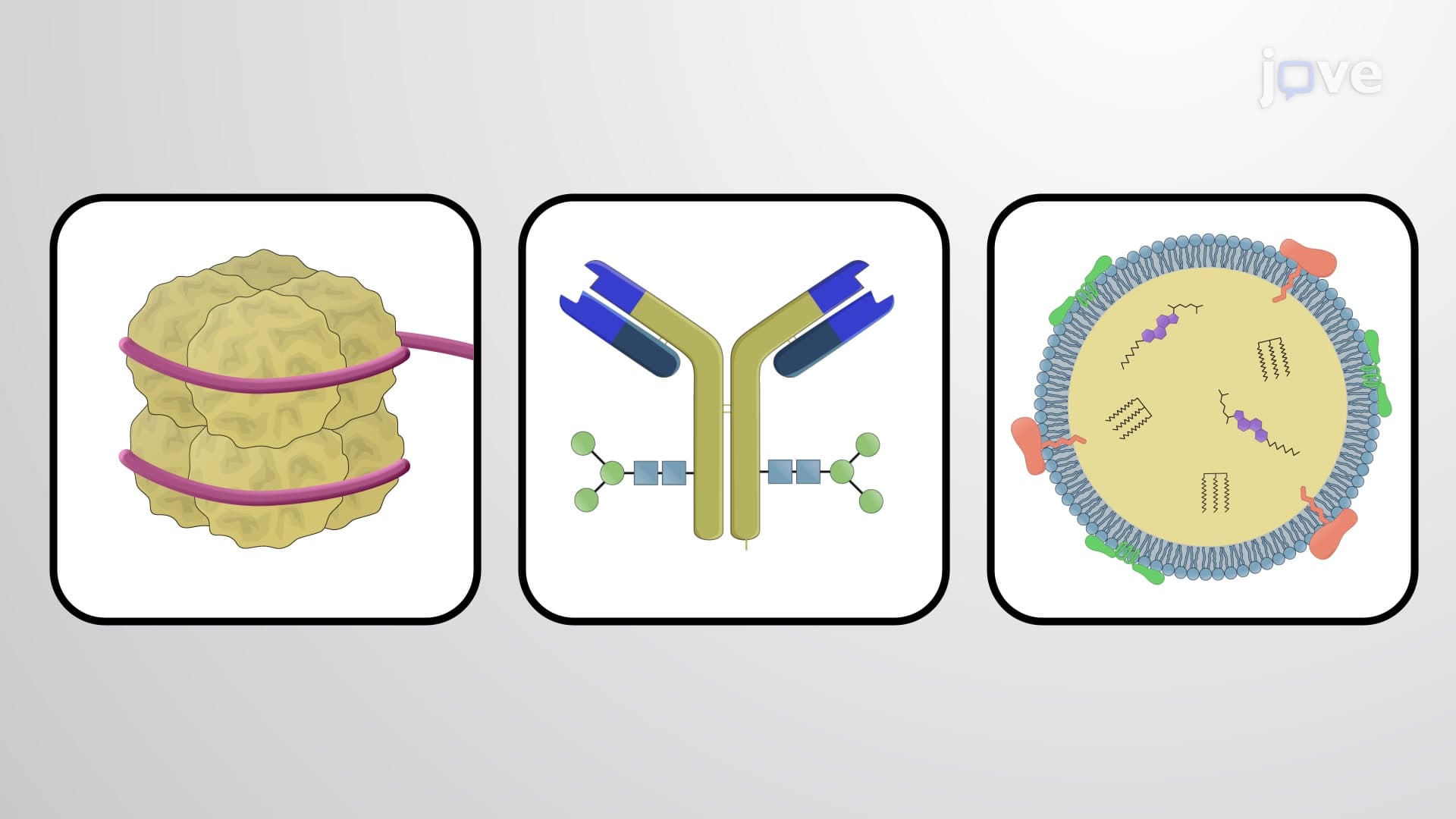
Antibody structure represents one of biology's most elegant examples of form following function. These immunoglobulin proteins exhibit a characteristic Y-shaped configuration that perfectly balances specificity and functionality. Each antibody molecule consists of four polypeptide chains: two identical heavy chains (approximately 450-550 amino acids) and two identical light chains (approximately 220 amino acids), all connected by strategically placed disulfide bonds.
The Y-shaped antibody structure divides into functionally distinct regions. The two arms, called Fab (Fragment antigen-binding) regions, contain the variable domains responsible for antigen recognition. Each Fab region includes one complete light chain paired with the amino-terminal portion of a heavy chain. The stem, known as the Fc (Fragment crystallizable) region, consists of the carboxy-terminal portions of both heavy chains and mediates interactions with immune cells and complement proteins.
Students preparing for the MCAT or AP Biology exams should focus on how this structural organization enables antibodies to simultaneously bind antigens and trigger immune responses. The Fc region's interaction with macrophages and natural killer cells exemplifies how protein structure directly impacts biological function.
Within each Fab region, the variable domains contain hypervariable loops called complementarity-determining regions (CDRs). These CDRs form the actual antigen-binding site, creating a three-dimensional pocket that matches specific molecular features of target antigens. The antibody structure definition explained often emphasizes these regions because they determine binding specificity.
College-level immunology courses explore how genetic recombination during B cell development generates CDR diversity. The random combination of V, D, and J gene segments, plus somatic hypermutation, produces the estimated 10^11 different antibody specificities that humans can generate.
Modern medicine leverages detailed antibody structure knowledge for therapeutic development. Monoclonal antibodies like rituximab (used for non-Hodgkin's lymphoma) and adalimumab (for rheumatoid arthritis) represent engineered versions of natural antibody structures. These FDA-approved treatments demonstrate how understanding molecular architecture translates into clinical solutions.
For students interested in biomedical careers, recognizing how antibody structure overview concepts apply to drug development provides valuable context. Pharmaceutical companies invest billions in structure-based antibody engineering, making this knowledge essential for future healthcare professionals.
Related Micro-courses