Loading video…


 11 Concepts
 234K views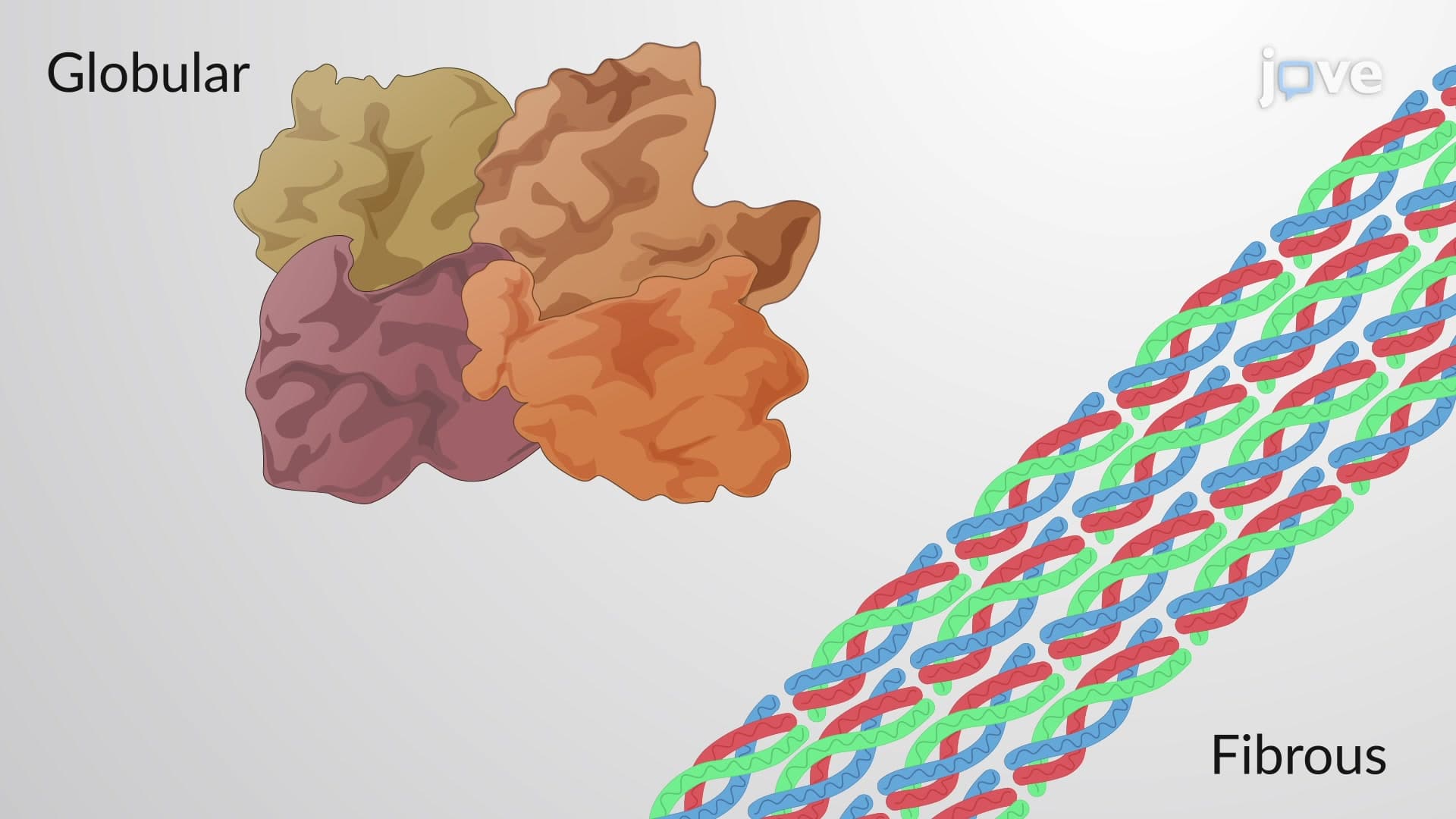

Video Summary: What are Globular and Fibrous Proteins
Ever wonder why your muscles can contract while your hair remains flexible yet strong? The answer lies in globular fibrous proteins, two distinct protein architectures that perform vastly different cellular functions. Globular proteins like hemoglobin in your blood form compact, spherical structures perfect for enzymatic reactions, while fibrous proteins like collagen create the structural framework of your skin and tendons. Understanding what are globular and fibrous proteins reveals how protein shape determines biological function in everything from muscle contraction to wound healing. Watch the full video on JoVE Coach to master this concept with expert-led visuals and step-by-step explanations.
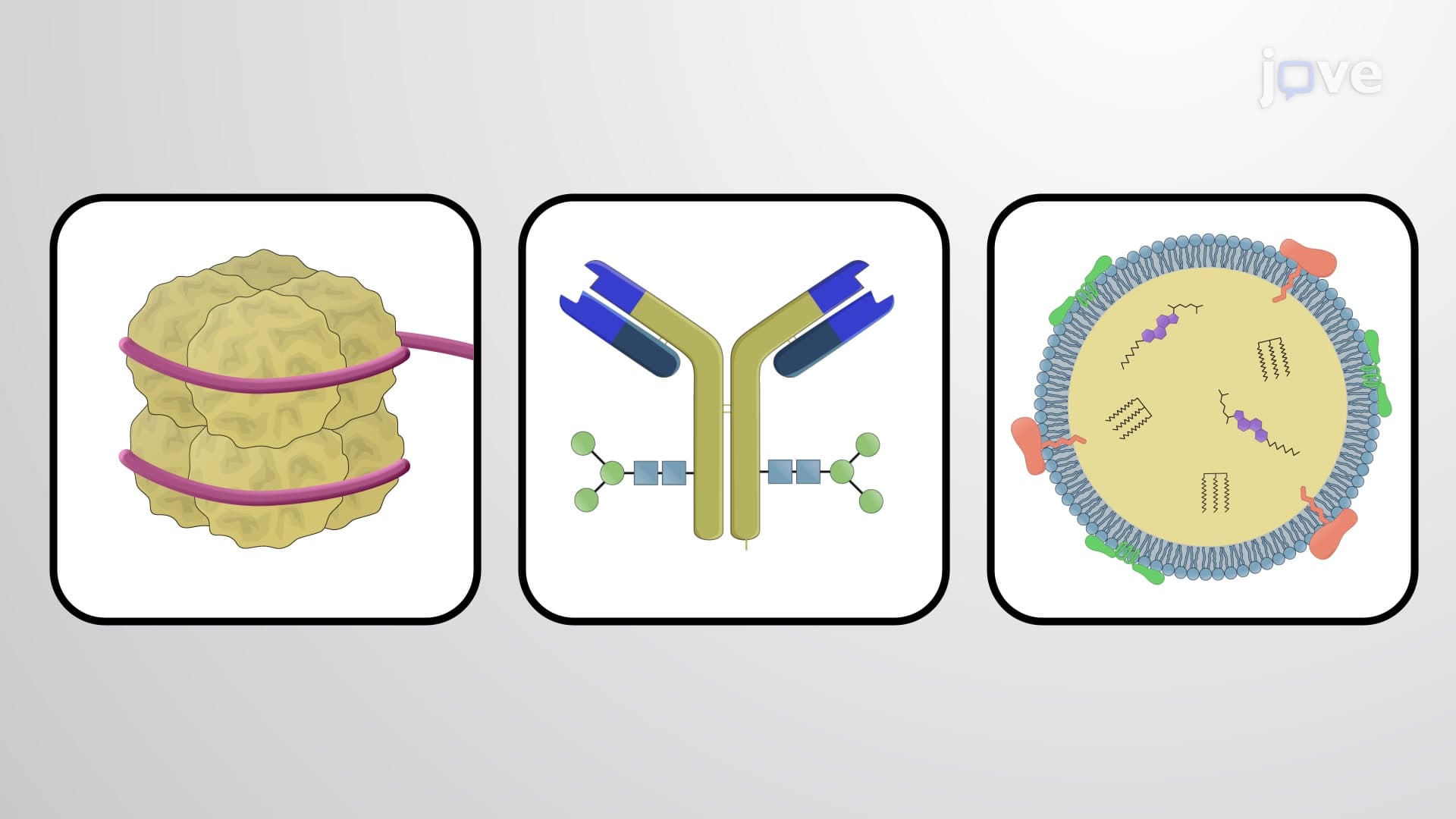
What are globular and fibrous proteins represents one of biology's most elegant examples of structure-function relationships. These two protein categories showcase how evolution has optimized molecular architecture for specific cellular roles. Globular proteins fold into compact, roughly spherical shapes that maximize surface area for molecular interactions, while fibrous proteins extend into elongated structures optimized for mechanical support and structural integrity.
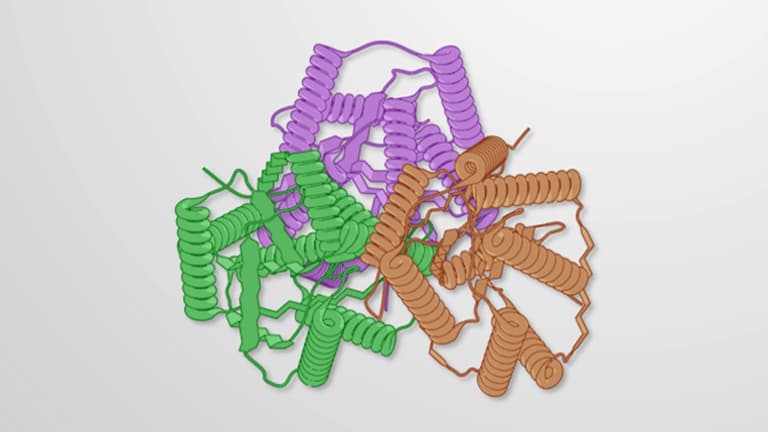
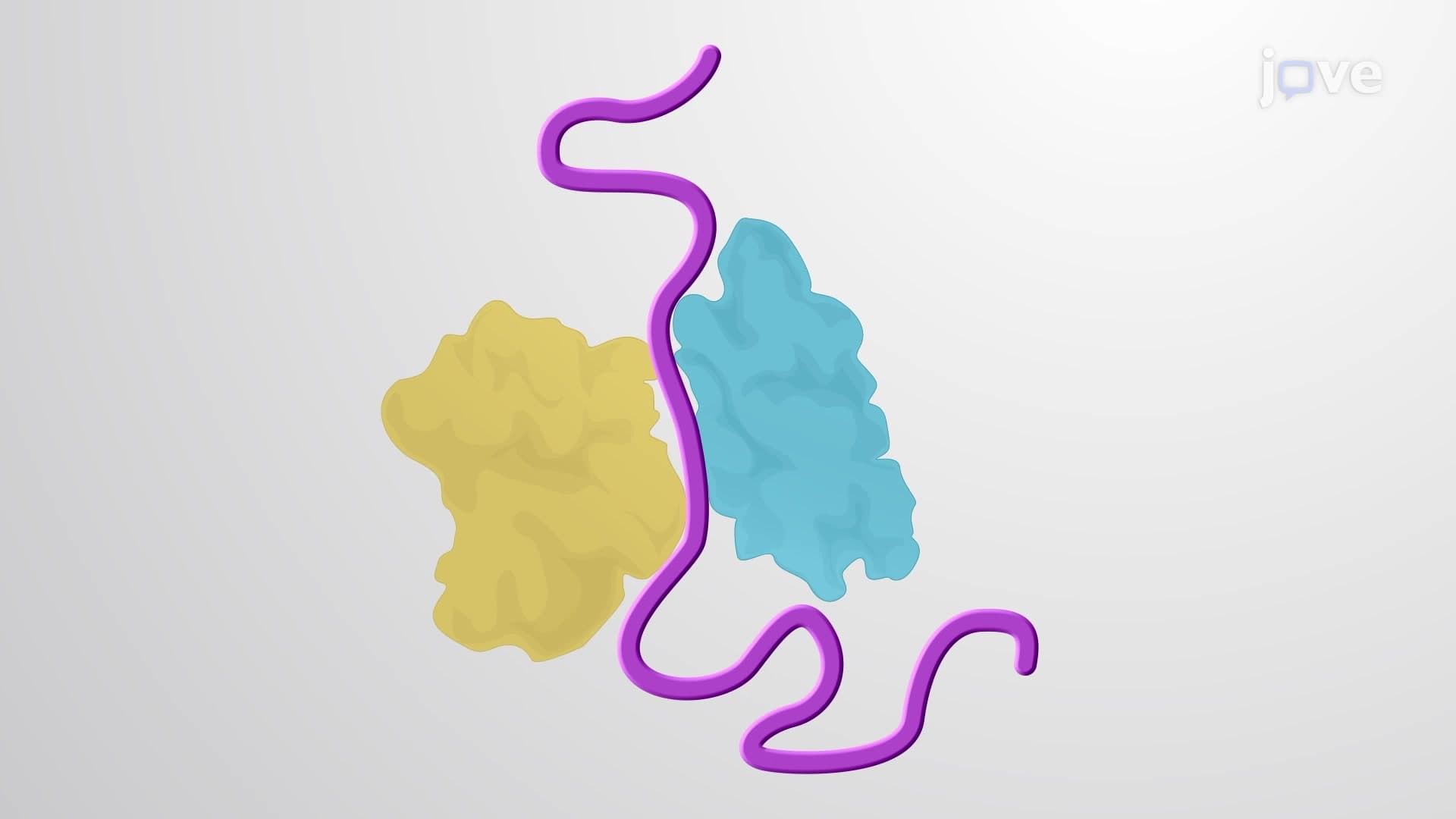
Globular proteins excel as cellular workhorses due to their unique structural organization. Their amino acid chains fold into tight, spherical configurations where hydrophobic residues cluster in the protein's core, creating a stable internal environment. Meanwhile, hydrophilic amino acids position themselves on the outer surface, ensuring water solubility, crucial for intracellular function.
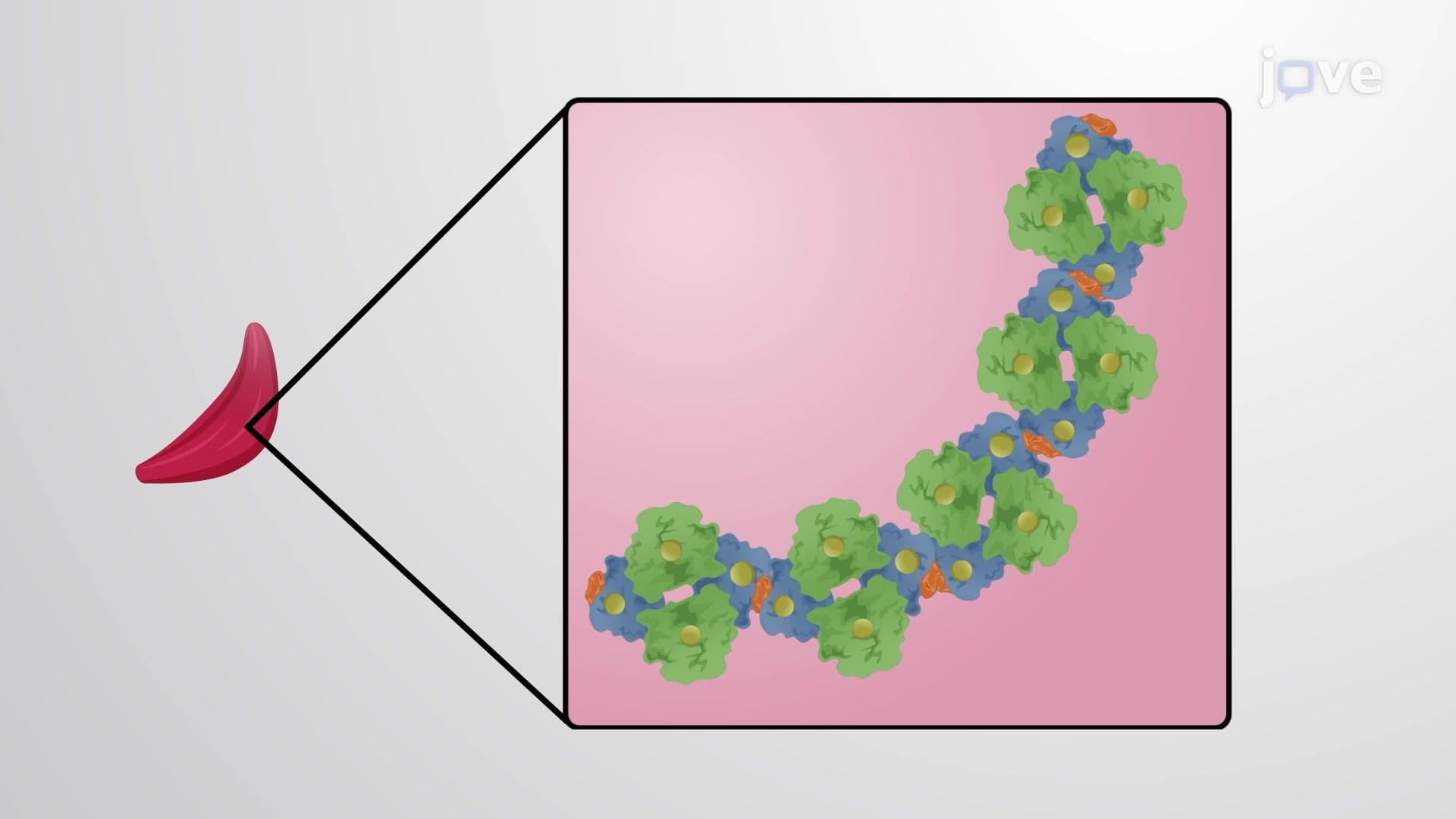
Consider hemoglobin, the oxygen-carrying protein in red blood cells. This globular protein forms a quaternary structure comprising four subunits (two α and two β chains), each containing a heme group. This compact design allows hemoglobin to efficiently bind oxygen in lung capillaries and release it in peripheral tissues. Similarly, digestive enzymes like pepsin demonstrate globular architecture, with active sites perfectly positioned for substrate binding and catalysis.
For students preparing for AP Biology or college biochemistry courses, understanding globular protein folding patterns proves essential. These proteins typically combine α-helices and β-sheets in their secondary structure, creating diverse three-dimensional shapes that enable specific molecular recognition, a concept frequently tested on the MCAT.
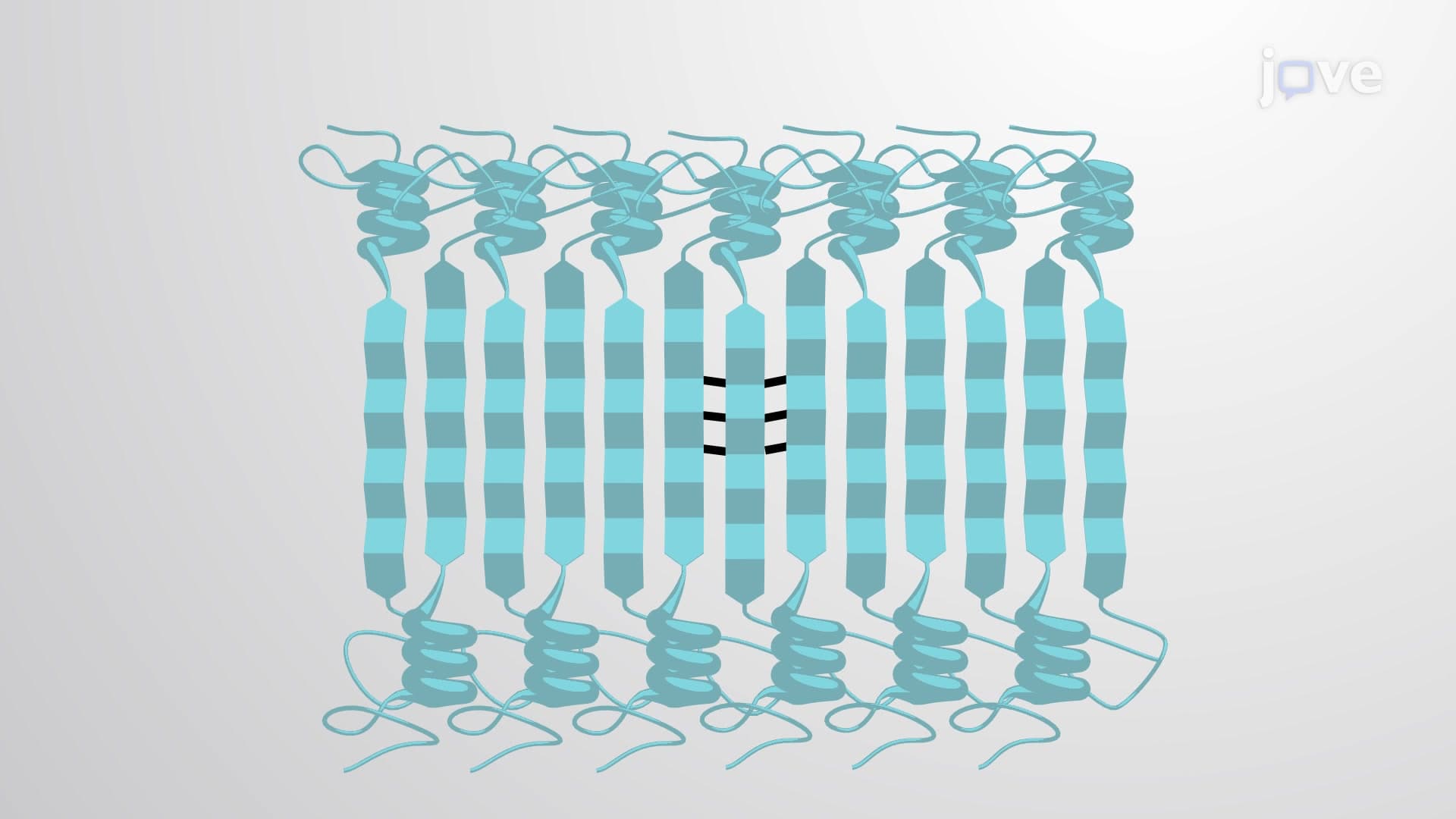
Fibrous proteins take a dramatically different architectural approach, prioritizing mechanical properties over compact folding. These elongated molecules predominantly utilize either α-helical or β-sheet secondary structures, rarely mixing both forms. This structural commitment creates proteins optimized for strength, flexibility, and durability.
Collagen exemplifies fibrous protein excellence, comprising approximately 30% of human body protein. Three α-helical chains wind together forming a rope-like triple helix or "coiled-coil" structure. This arrangement provides tensile strength to skin, tendons, and blood vessels while maintaining flexibility. Collagen's unique amino acid sequence, featuring glycine every third position, enables the tight helical packing essential for structural integrity.
Keratin represents another crucial fibrous protein, forming the structural basis of hair, nails, and skin's outer layer. Its β-sheet-rich structure creates materials both protective and renewable, demonstrating how protein architecture determines biological function.
Understanding globular and fibrous protein differences proves vital for students pursuing healthcare careers. Physicians recognize that collagen disorders like Ehlers-Danlos syndrome result from fibrous protein defects, while sickle cell disease stems from globular protein (hemoglobin) mutations. These real-world applications frequently appear on USMLE examinations and nursing school assessments like NCLEX and HESI A2.
Related Micro-courses