Loading concepts…


10 Concepts
11 Concepts
11 Concepts
17 Concepts
20 Concepts
16 Concepts
16 Concepts
21 Concepts
11 Concepts
15 Concepts
14 Concepts
21 Concepts
8 Concepts
15 Concepts
17 Concepts
19 Concepts
11 Concepts
18 Concepts
6 Concepts
21 Concepts
 17 Concepts
 169.8K Views
 Popular topics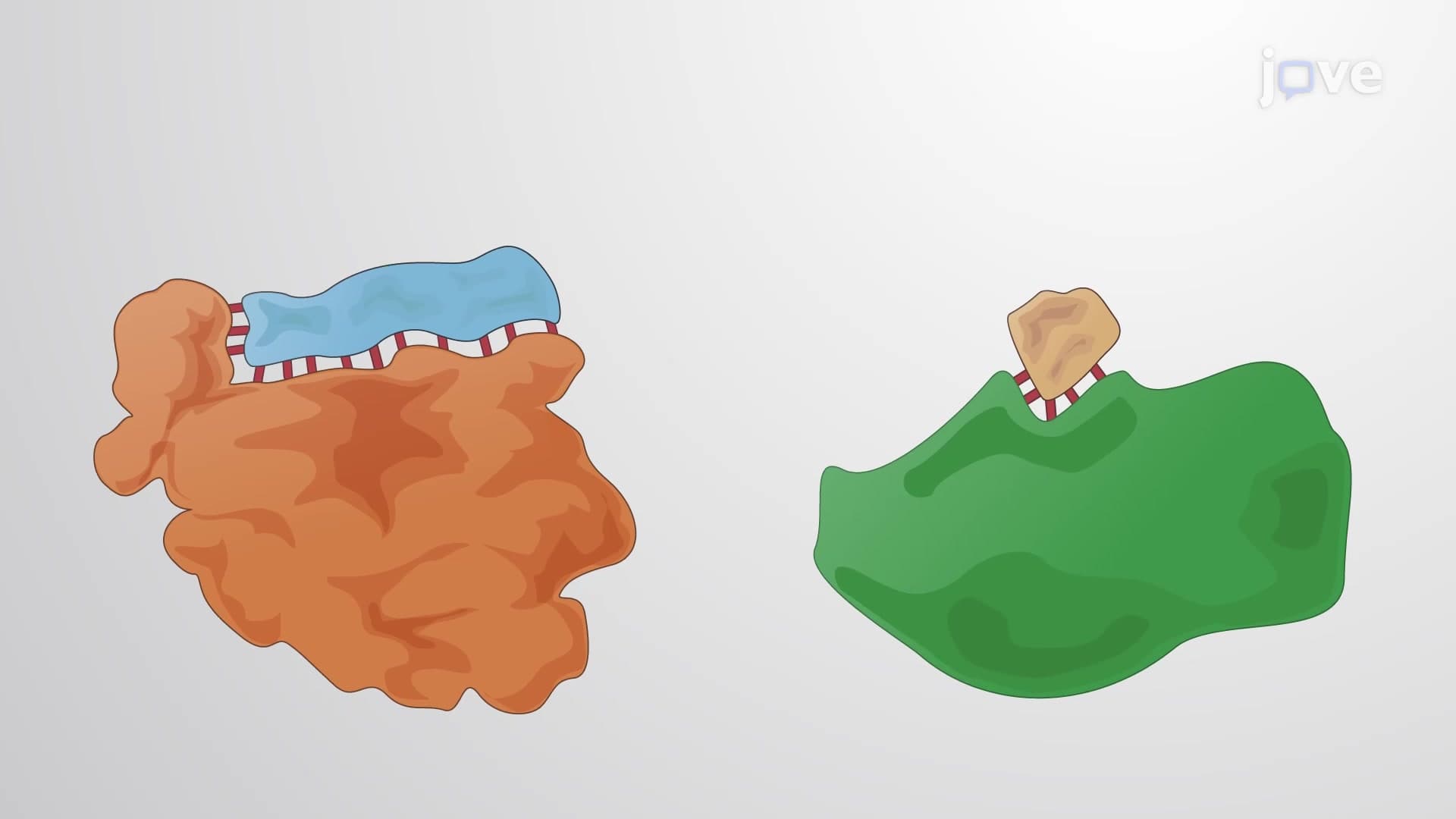
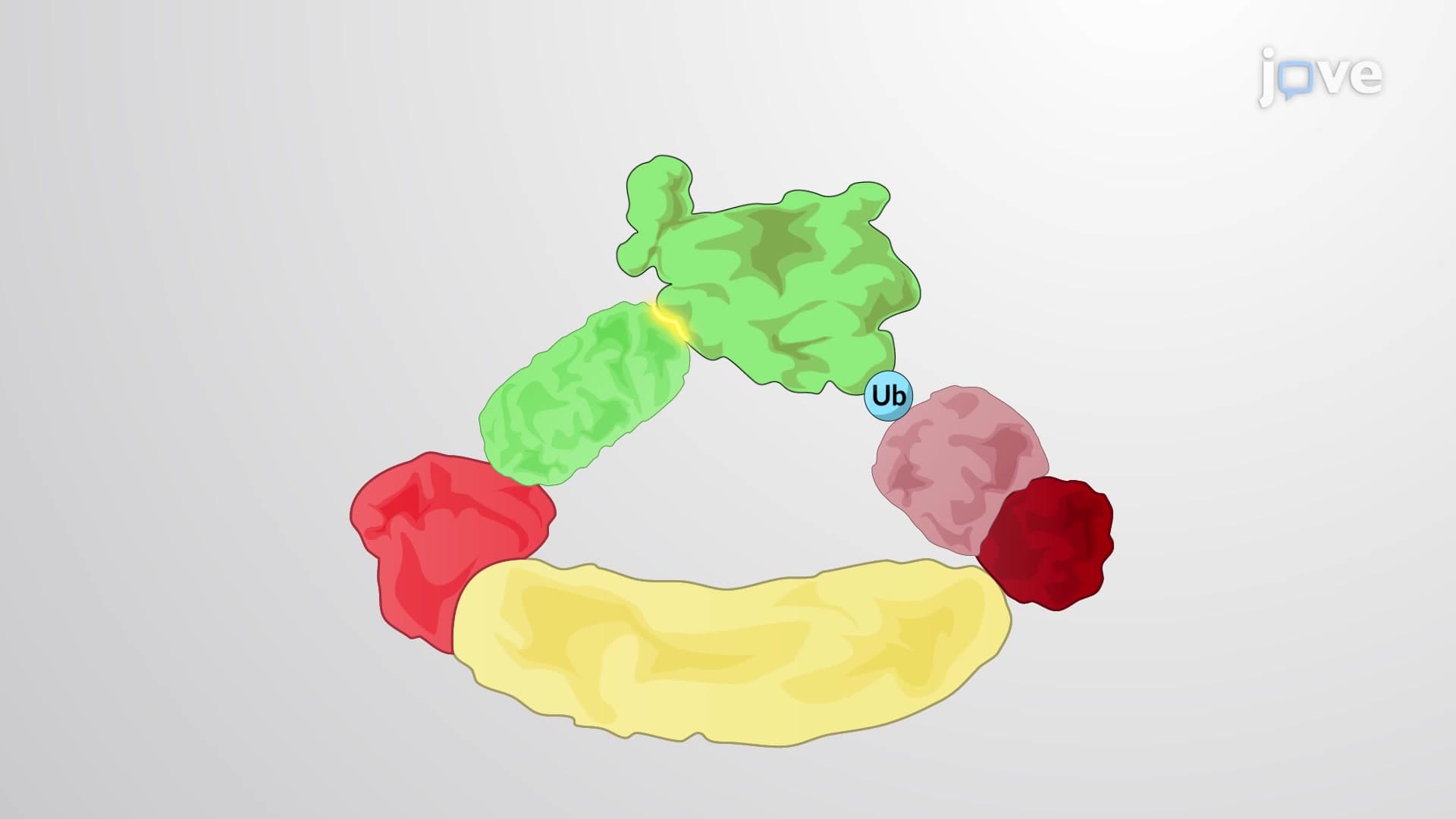
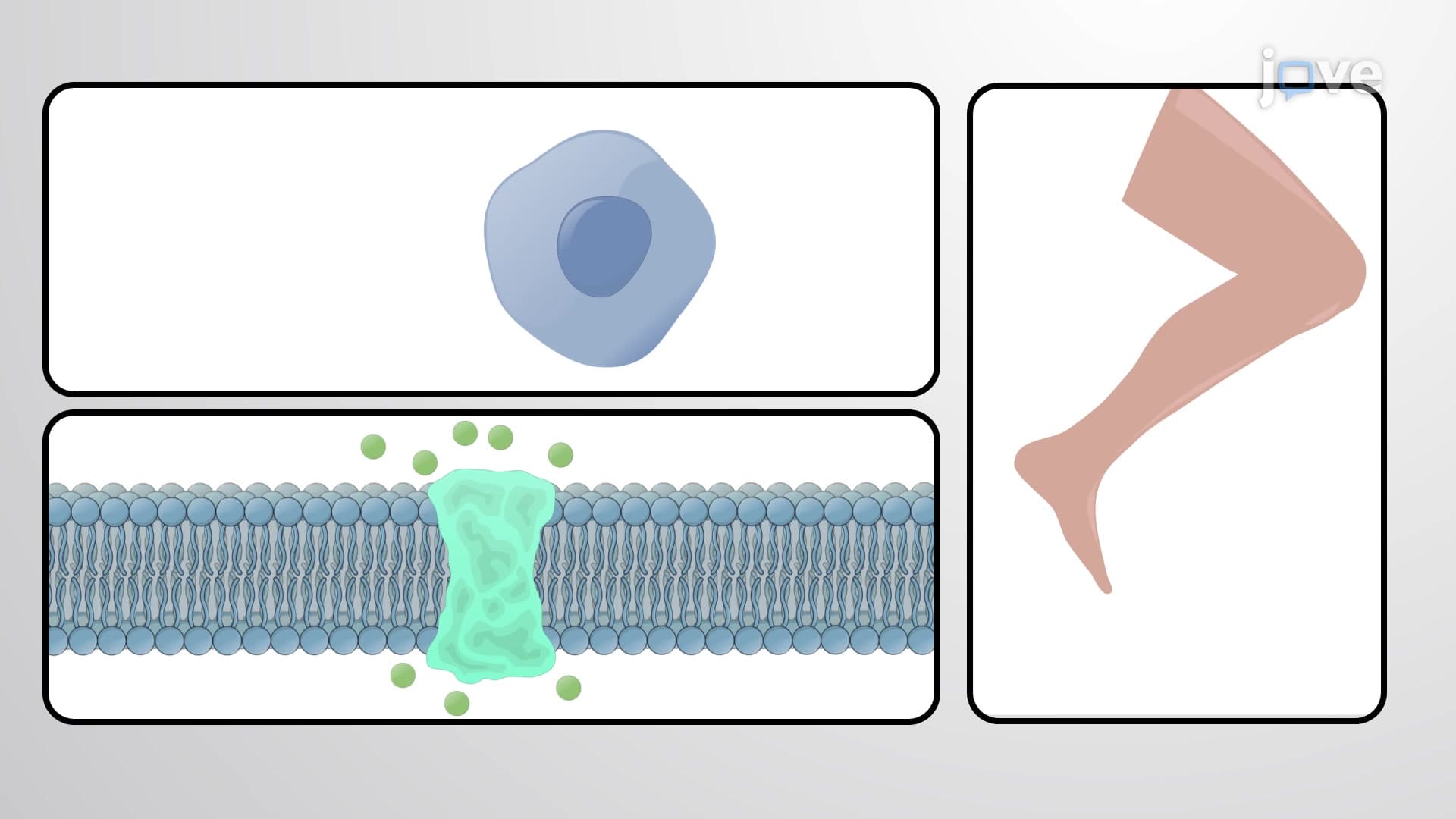
Protein function encompasses the diverse roles proteins play in biological systems, from catalyzing biochemical reactions to providing structural support. This JoVE Coach micro-course explores how proteins carry out biological functions through specific binding interactions, conformational changes, and regulatory mechanisms. Students will examine enzyme protein activities, receptor protein signaling, structural proteins in tissues, and transport proteins in cellular processes, connecting molecular mechanisms to real-world applications in medicine and biotechnology.
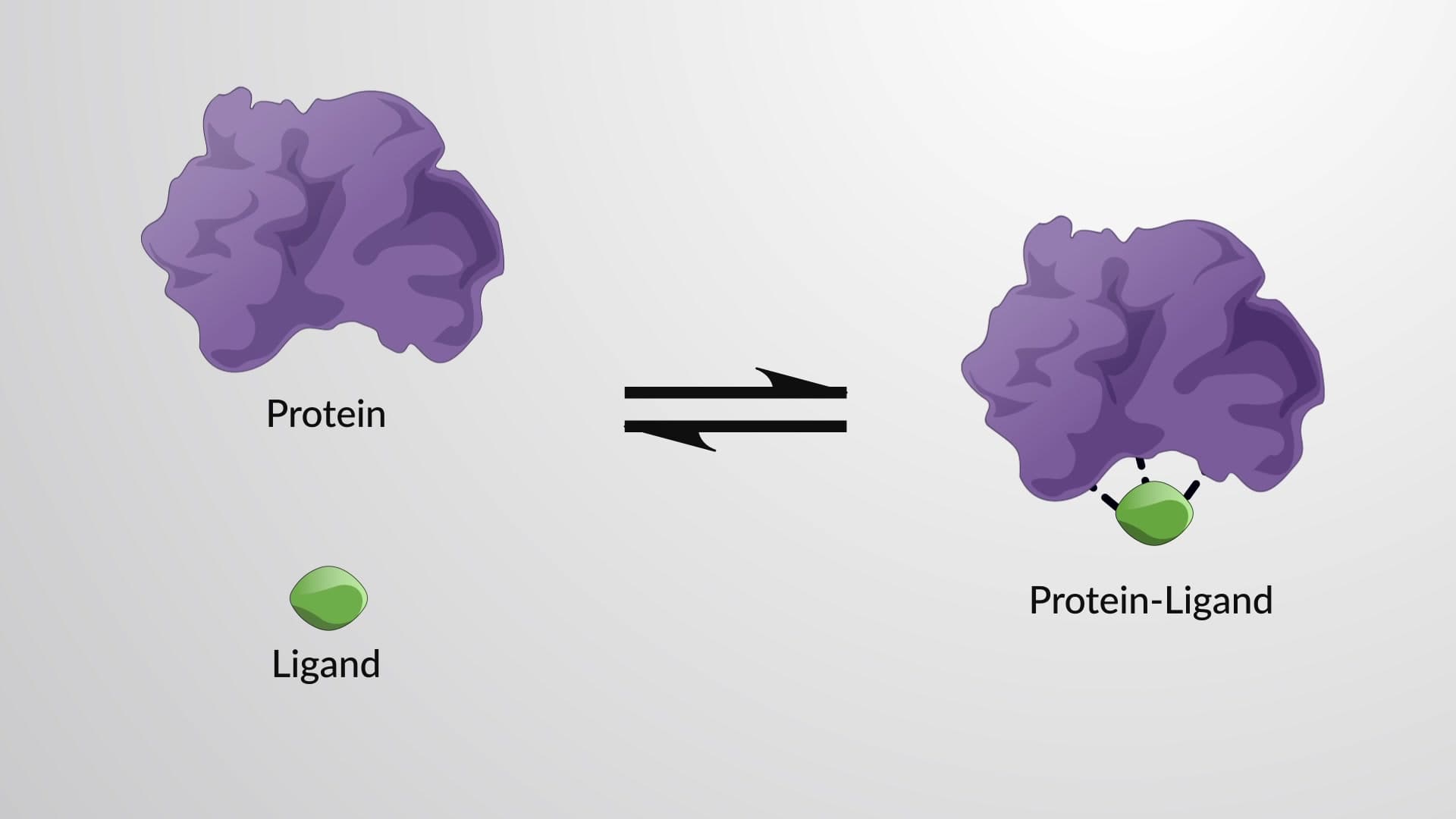
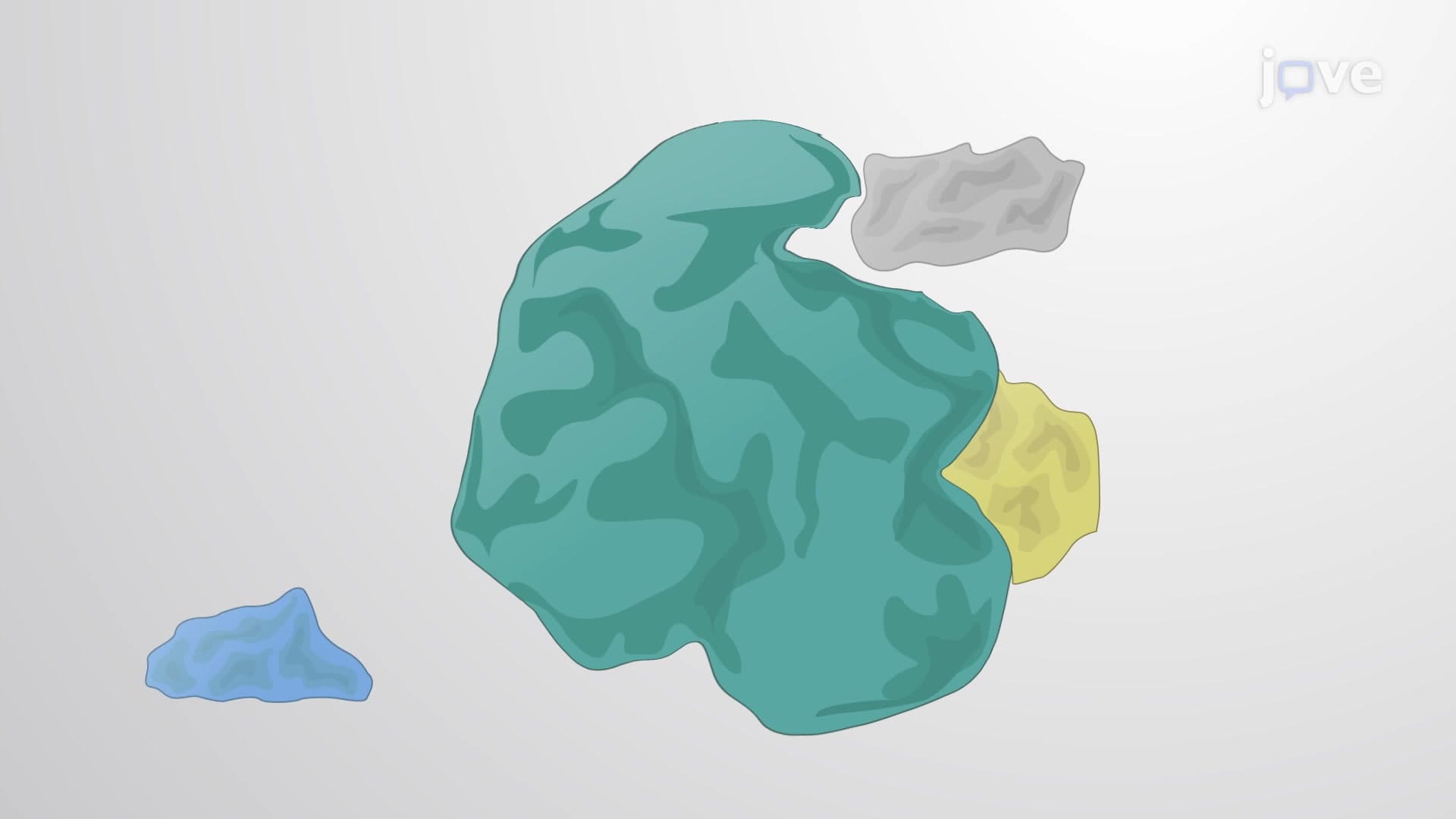
1. Ligand Binding and Protein Specificity: Proteins interact with specific molecules called ligands through complementary binding sites formed by precise amino acid arrangements. These interactions rely on non-covalent forces including Van der Waals interactions, hydrogen bonding, and electrostatic attractions. The binding site's shape creates a water-excluding environment that favors protein-ligand interactions over water interactions. For example, enzyme proteins like hexokinase bind glucose specifically through multiple weak interactions, while receptor proteins in nerve cells bind neurotransmitters with high selectivity to trigger cellular responses.
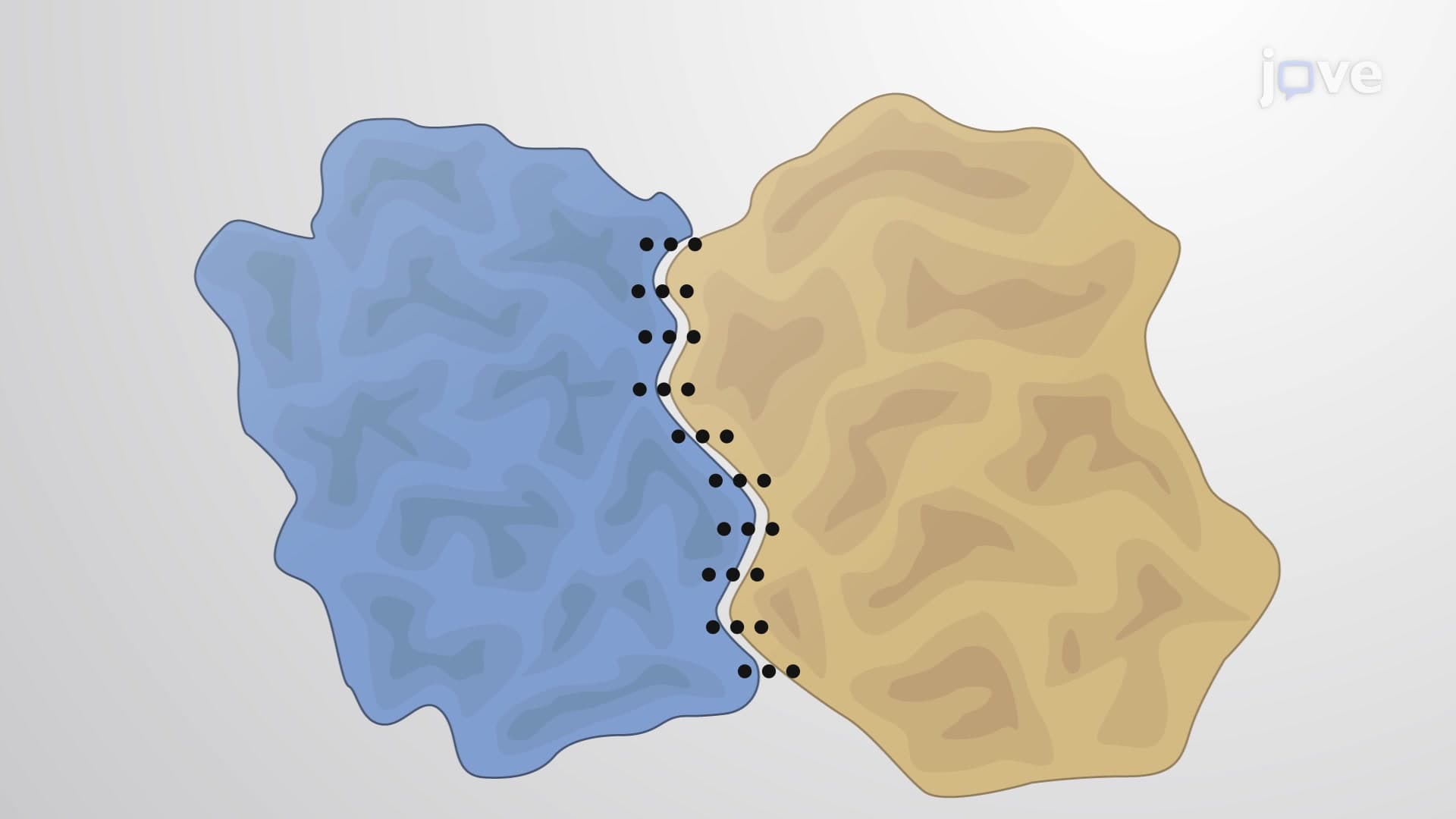
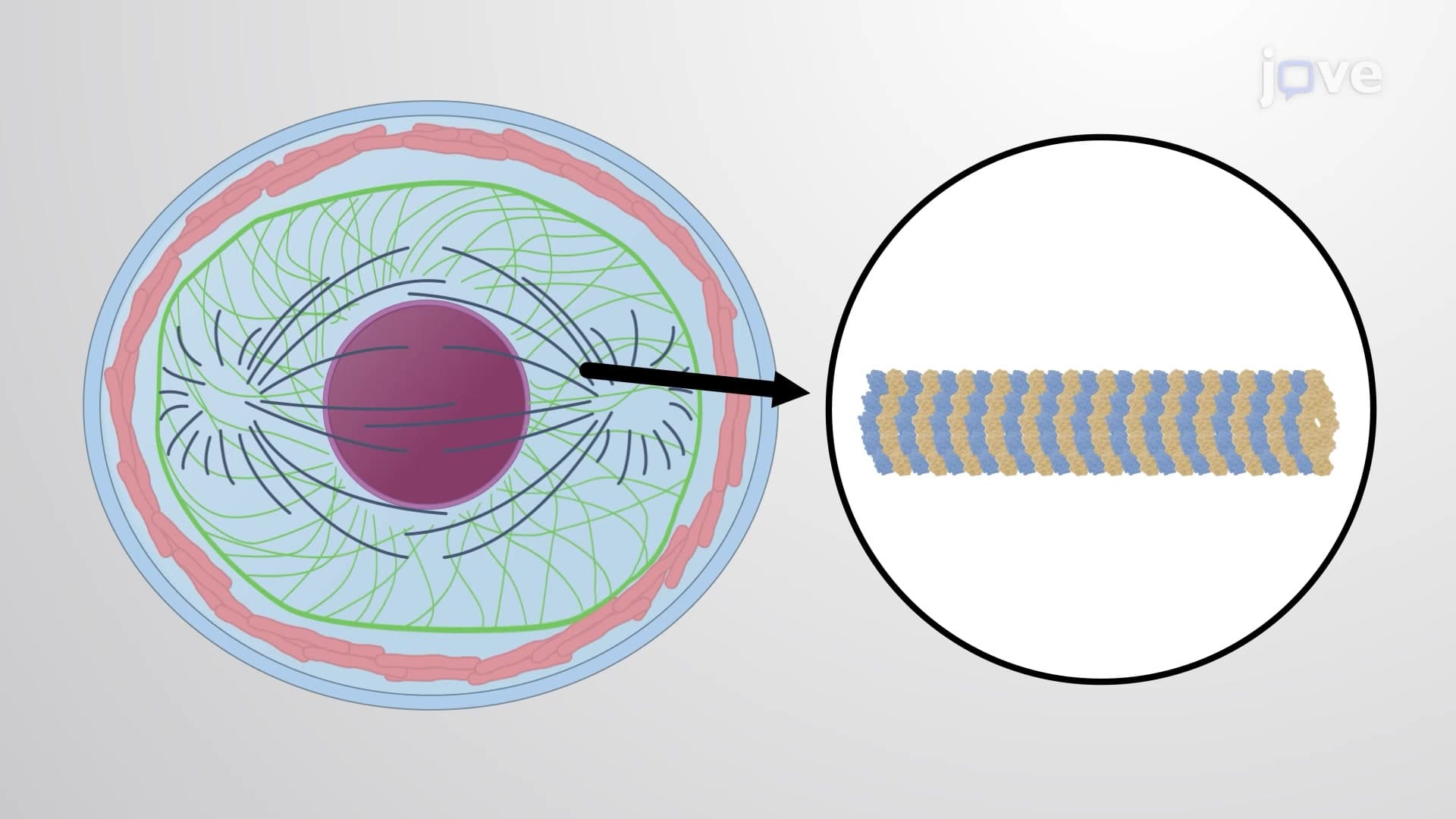
2. Protein-Protein Interactions and Interface Types: Many proteins function through interactions with other proteins, forming complexes essential for biological processes. Surface-surface interactions occur between complementary protein surfaces, like α and β-tubulin forming microtubules in cell division. Surface-string interactions involve one protein binding to a loop region of another, as seen in protein kinase A recognizing substrate proteins. Coiled-coil interactions occur when protein helices wrap around each other, common in transcription factors that regulate gene expression in human cells.
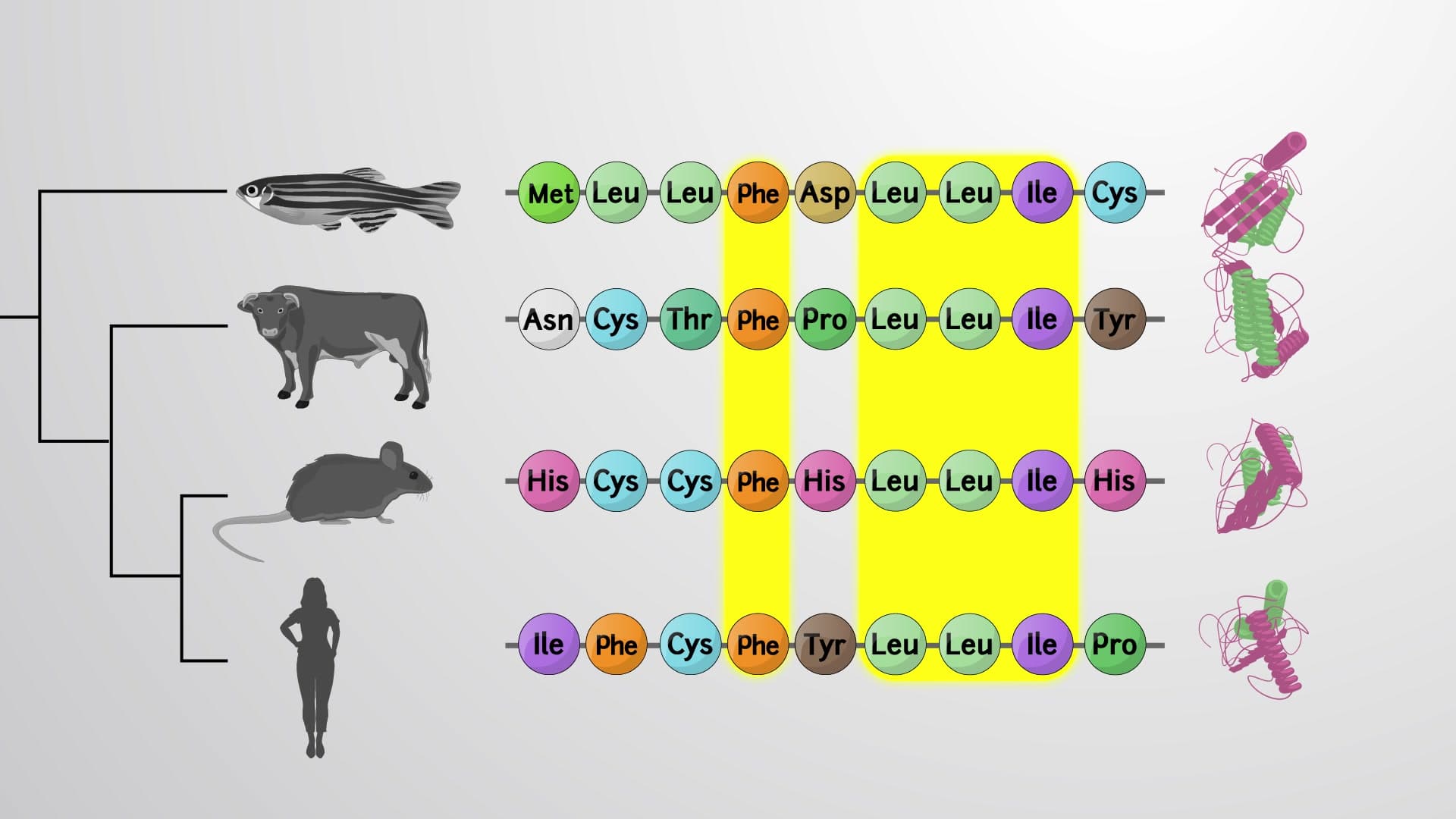
3. Evolutionary Conservation of Binding Sites: Critical protein domains remain unchanged through evolution because mutations affecting essential functions are eliminated by natural selection. FF domains in transcription factors that bind RNA polymerase II contain highly conserved phenylalanine residues essential for function. Scientists use evolutionary tracing to identify these conserved regions across species, helping predict binding sites in newly discovered proteins and understand structure-function relationships important for drug development targeting human diseases.
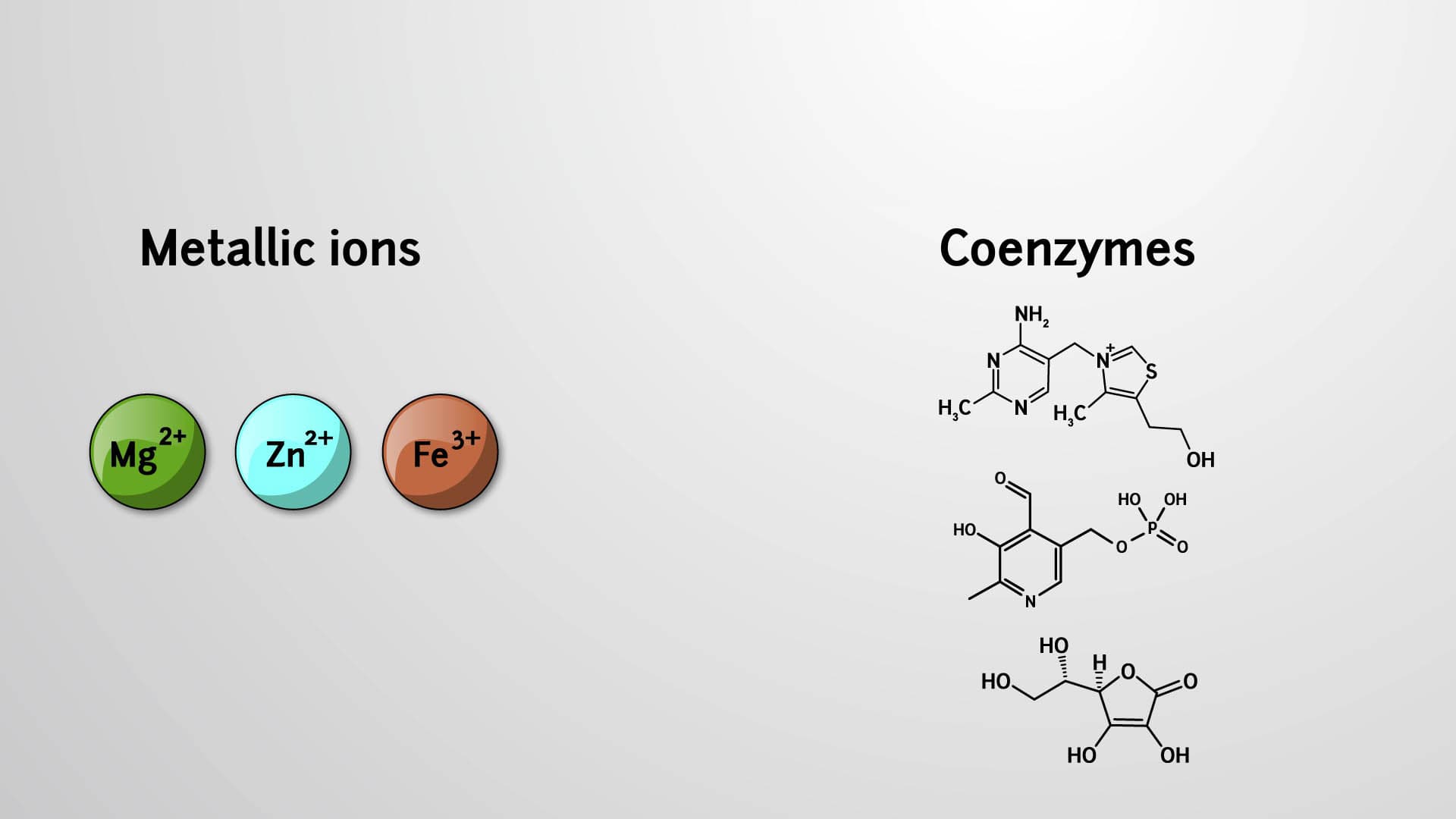
4. Cofactors and Coenzymes in Enzyme Function: Many enzyme proteins require non-protein helpers to catalyze reactions. Metal ion cofactors like Mg²⁺, Zn²⁺, and Fe²⁺ stabilize reaction intermediates or participate directly in catalysis. Organic coenzymes, often derived from vitamins, temporarily bind to enzymes during reactions. NAD⁺ and FAD facilitate redox reactions in cellular respiration, while vitamin deficiencies can impair enzyme function and cause diseases like scurvy or pellagra, highlighting the connection between nutrition and protein function.
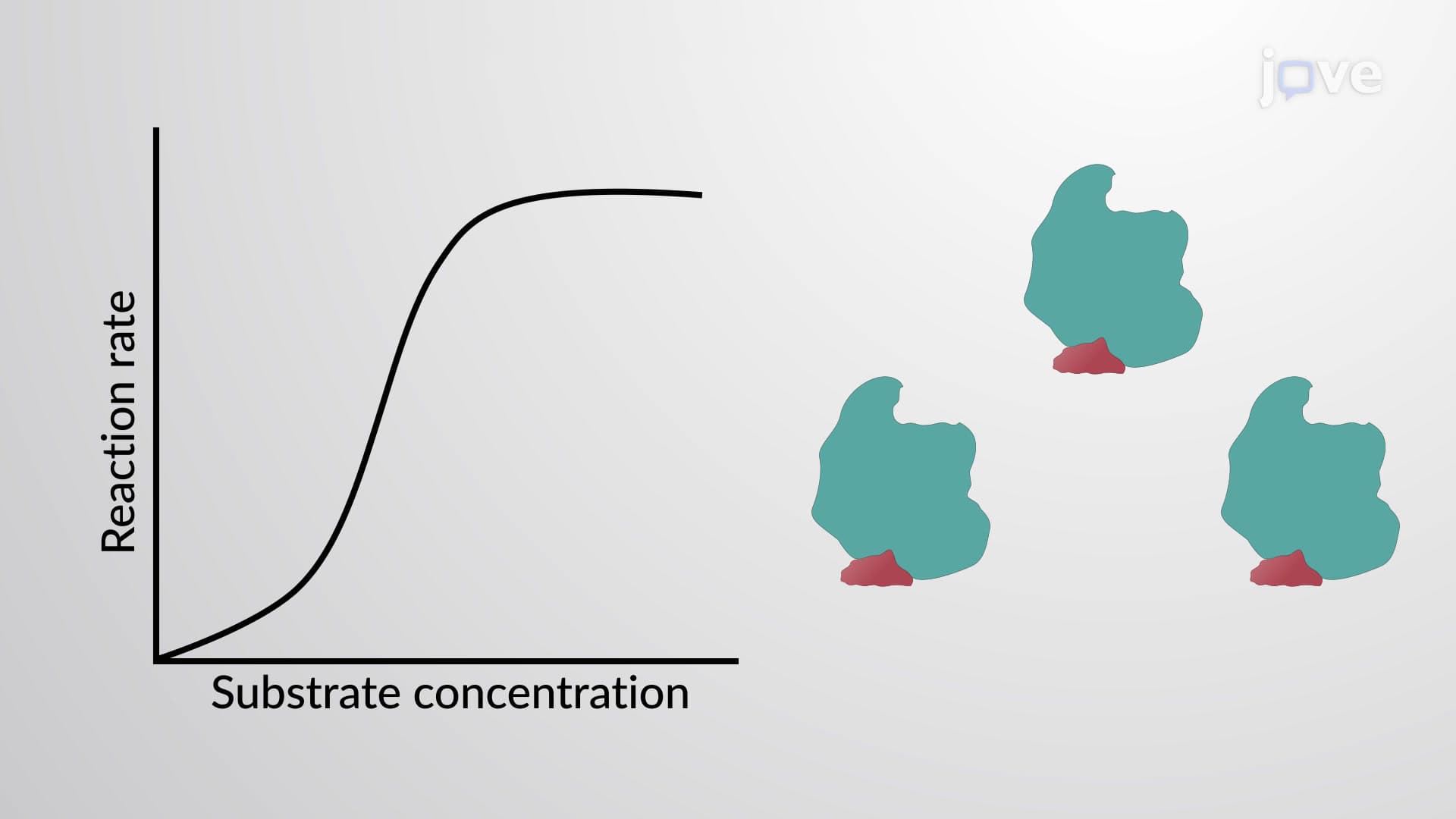
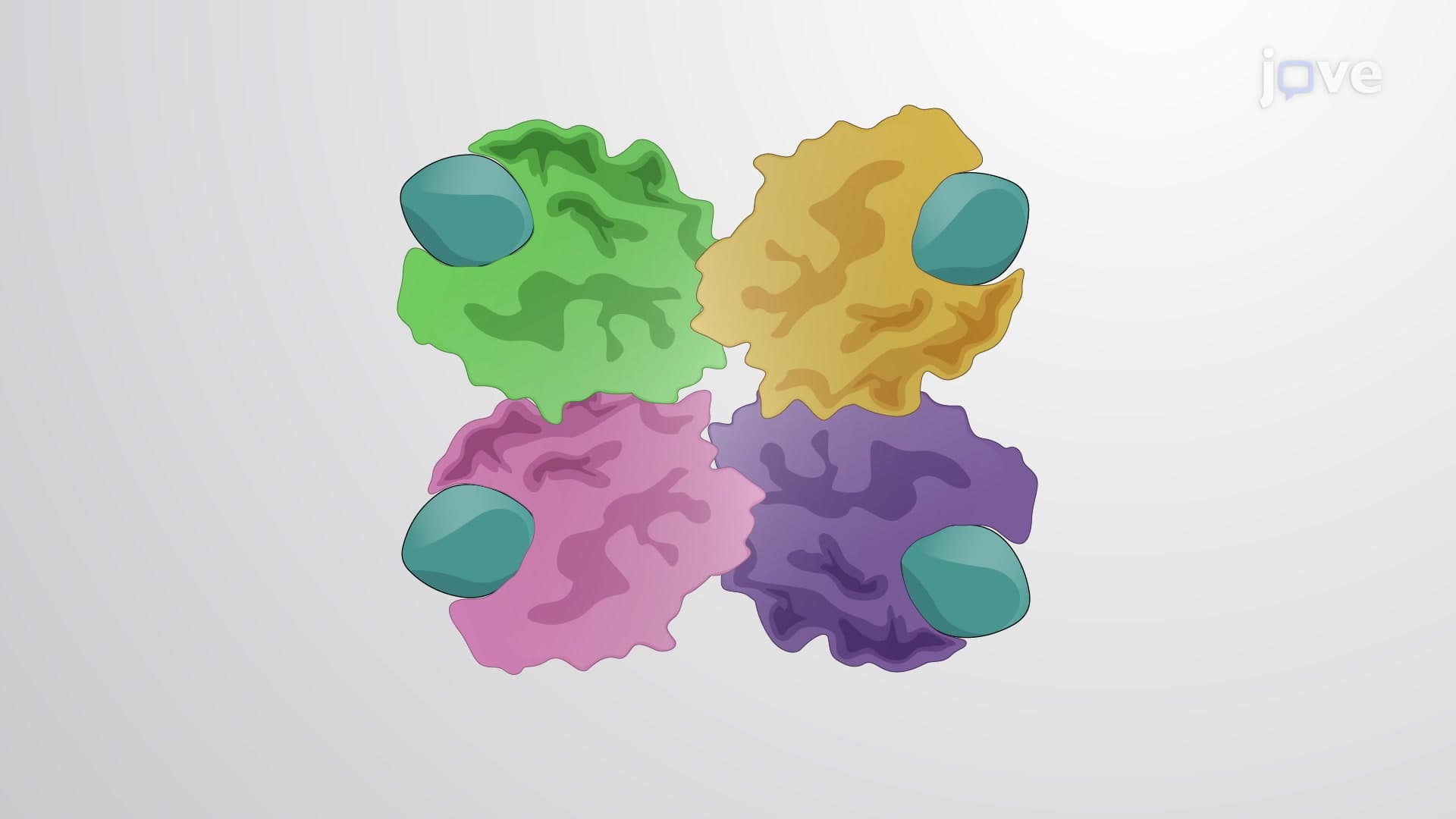
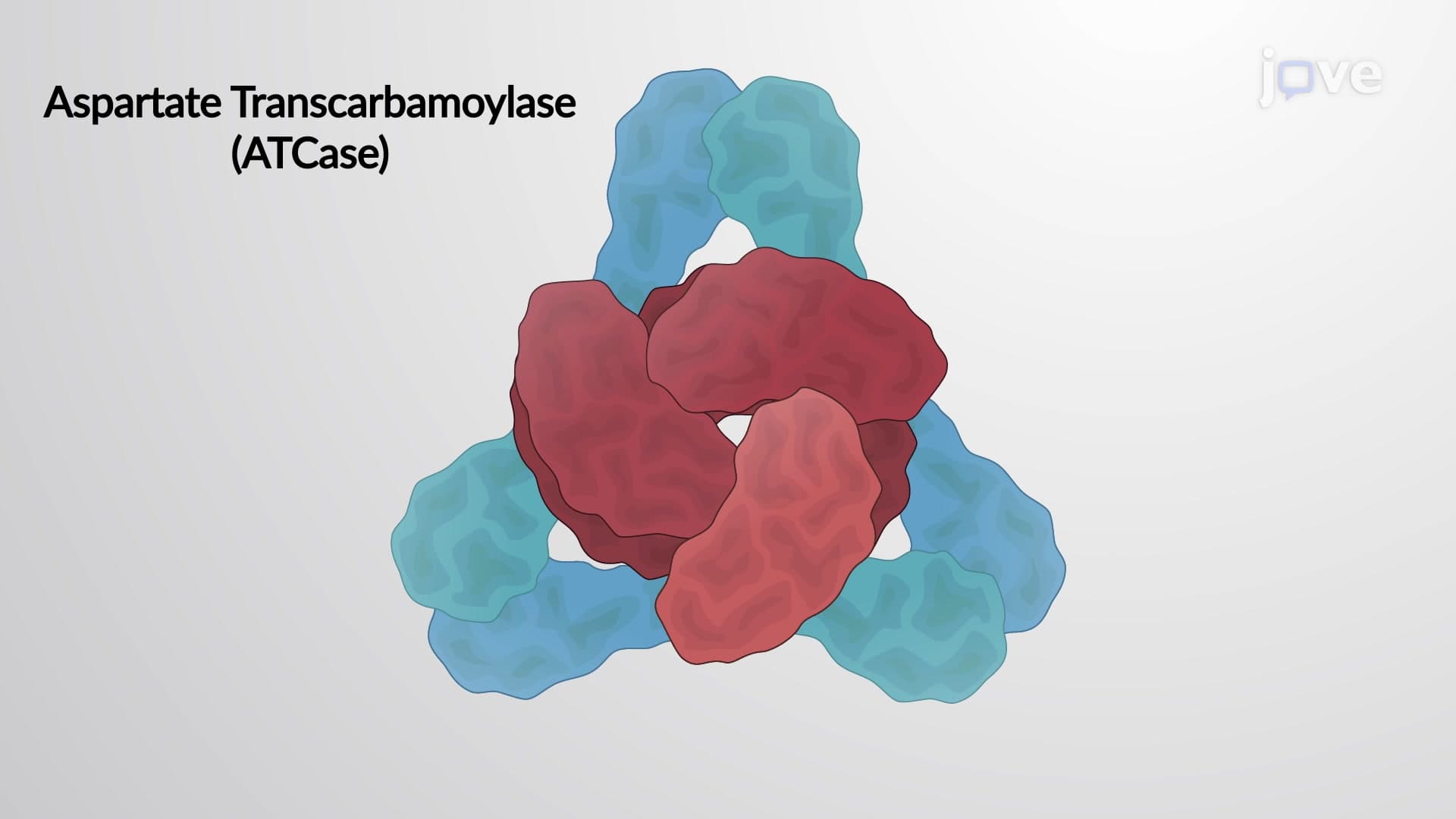
5. Allosteric Regulation and Cooperative Binding: Multi-subunit proteins can undergo conformational changes when ligands bind, affecting binding sites on other subunits. Hemoglobin demonstrates positive cooperativity where oxygen binding to one subunit increases oxygen affinity in remaining subunits, optimizing oxygen transport from lungs to tissues. This regulation follows either the concerted model (all subunits change together) or sequential model (individual subunit changes), mechanisms crucial for understanding respiratory physiology and conditions like sickle cell anemia.
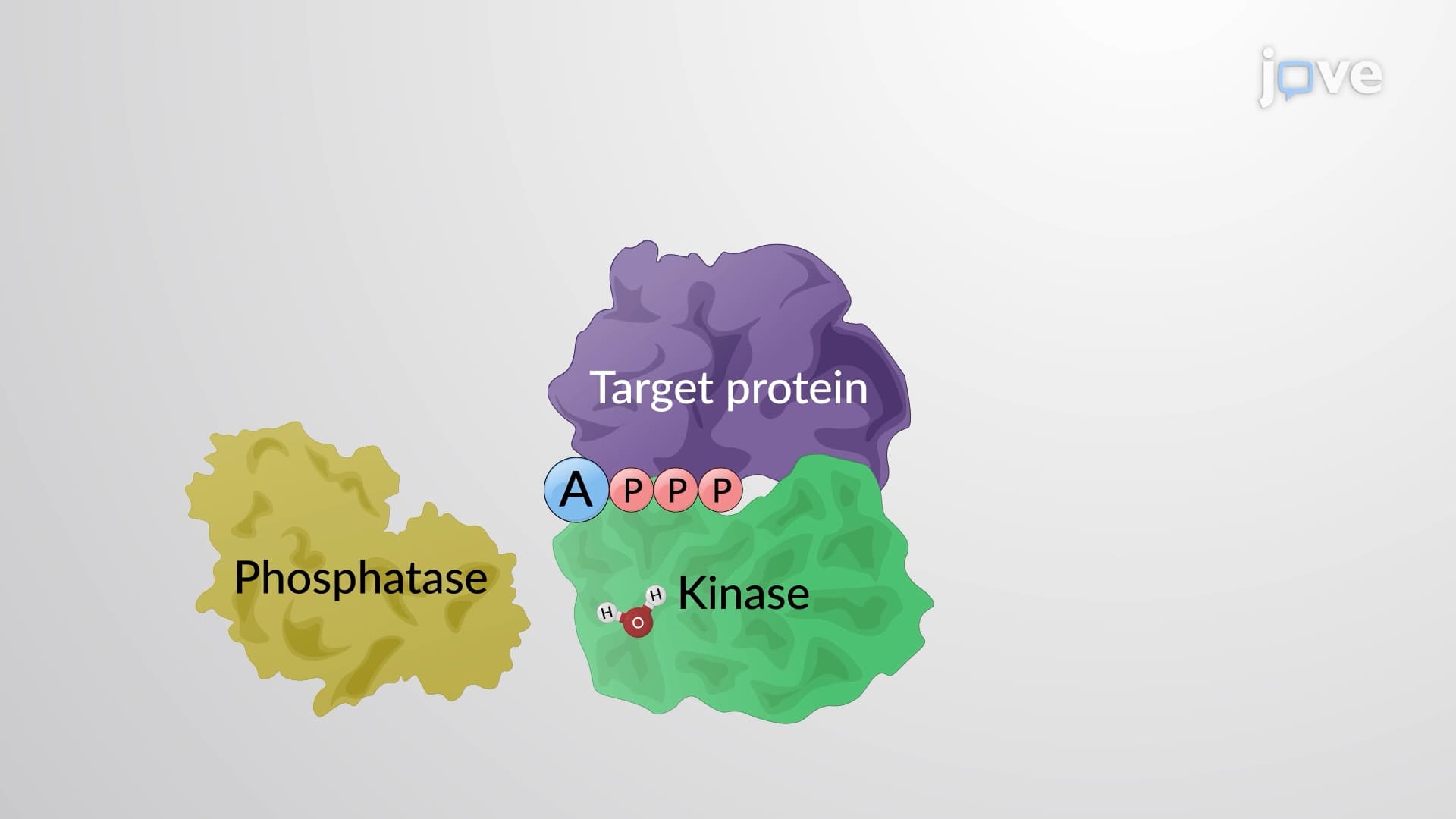
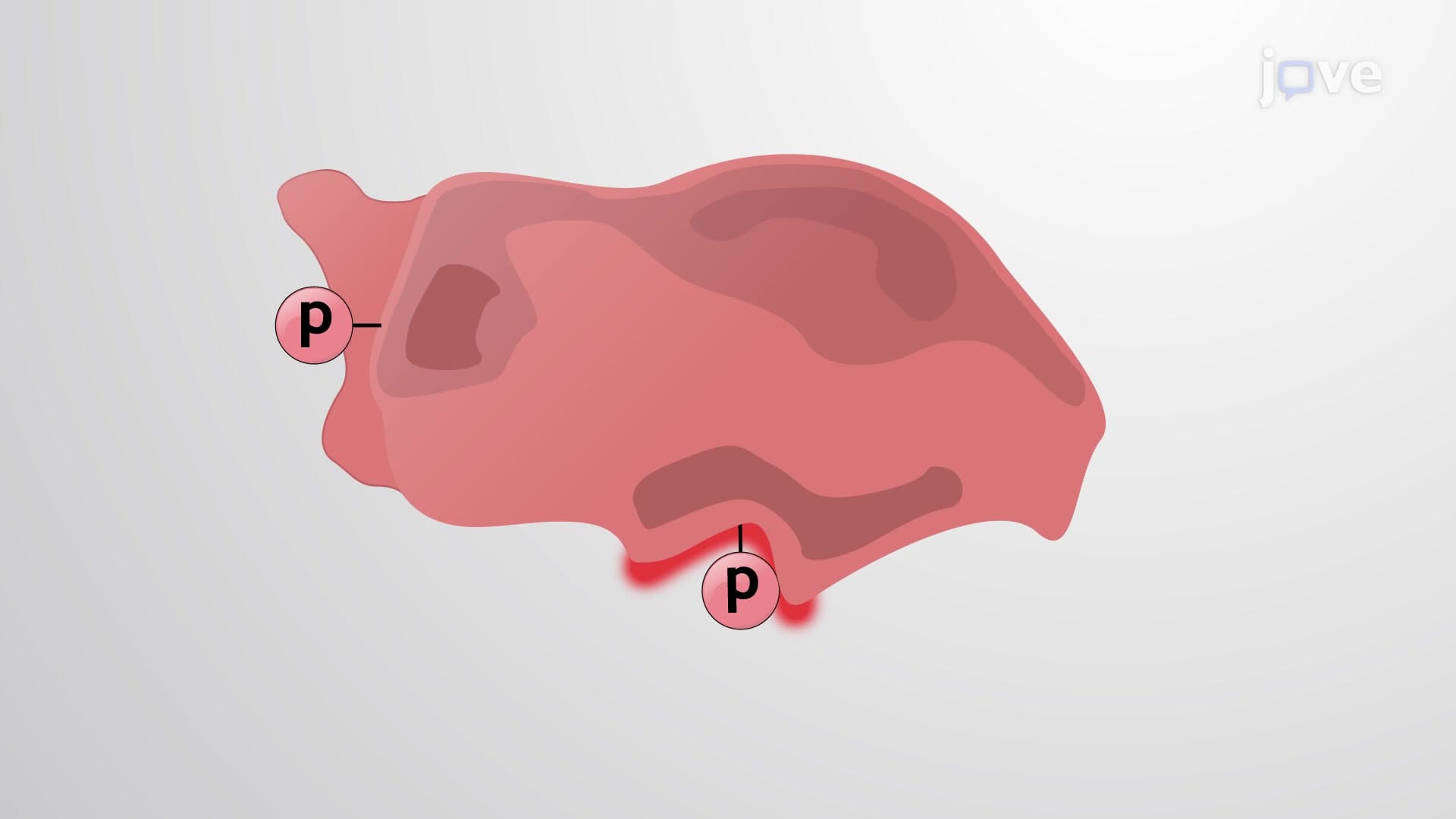
6. Phosphorylation and Kinase Signaling: Protein kinases add phosphate groups from ATP to serine, threonine, or tyrosine residues, while phosphatases remove them. This modification creates hydrogen-bonded networks that alter protein conformation and function. In diabetes management, insulin activates protein phosphatase-1, promoting glucose storage as glycogen. When blood glucose drops, protein kinase A phosphorylates enzymes to stimulate glycogen breakdown, demonstrating how phosphorylation controls metabolic pathways critical for maintaining blood sugar homeostasis.
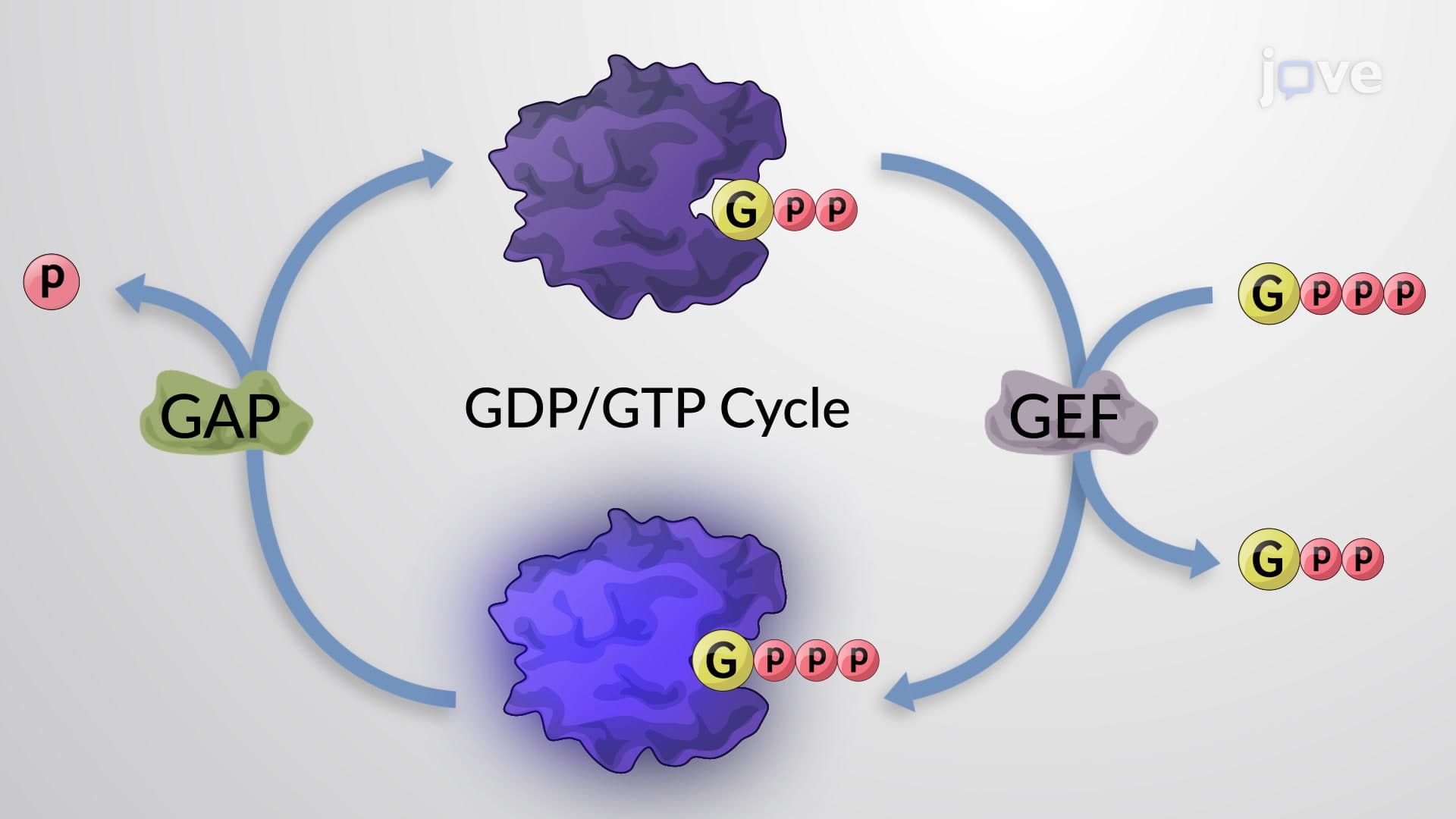
7. GTPase Regulation and Molecular Switching: G-proteins function as molecular switches, active when bound to GTP and inactive when bound to GDP. The GDP/GTP cycle involves guanine exchange factors (GEFs) promoting GTP binding for activation, while GTPase-activating proteins (GAPs) enhance GTP hydrolysis for inactivation. Small G-proteins like Ras regulate cell division and are frequently mutated in cancers, while large heterotrimeric G-proteins mediate hormone signaling through GPCRs, making them important pharmaceutical targets for treating conditions from heart disease to neurological disorders.
8. Mechanical and Structural Protein Functions: Motor proteins like myosin, kinesin, and dynein convert ATP energy into mechanical force, enabling muscle contraction, intracellular transport, and cell division. Structural proteins including collagen (most abundant mammalian protein) form extracellular matrices, while cytoskeletal proteins like actin, tubulin, and intermediate filament proteins maintain cell shape and organization. Mutations in these proteins cause diseases like Duchenne muscular dystrophy and Ehlers-Danlos syndrome, illustrating the medical importance of understanding protein mechanics and structure.