Loading subject page…


169,800 views

Video Summary: What Is Ligand Binding and Linkage
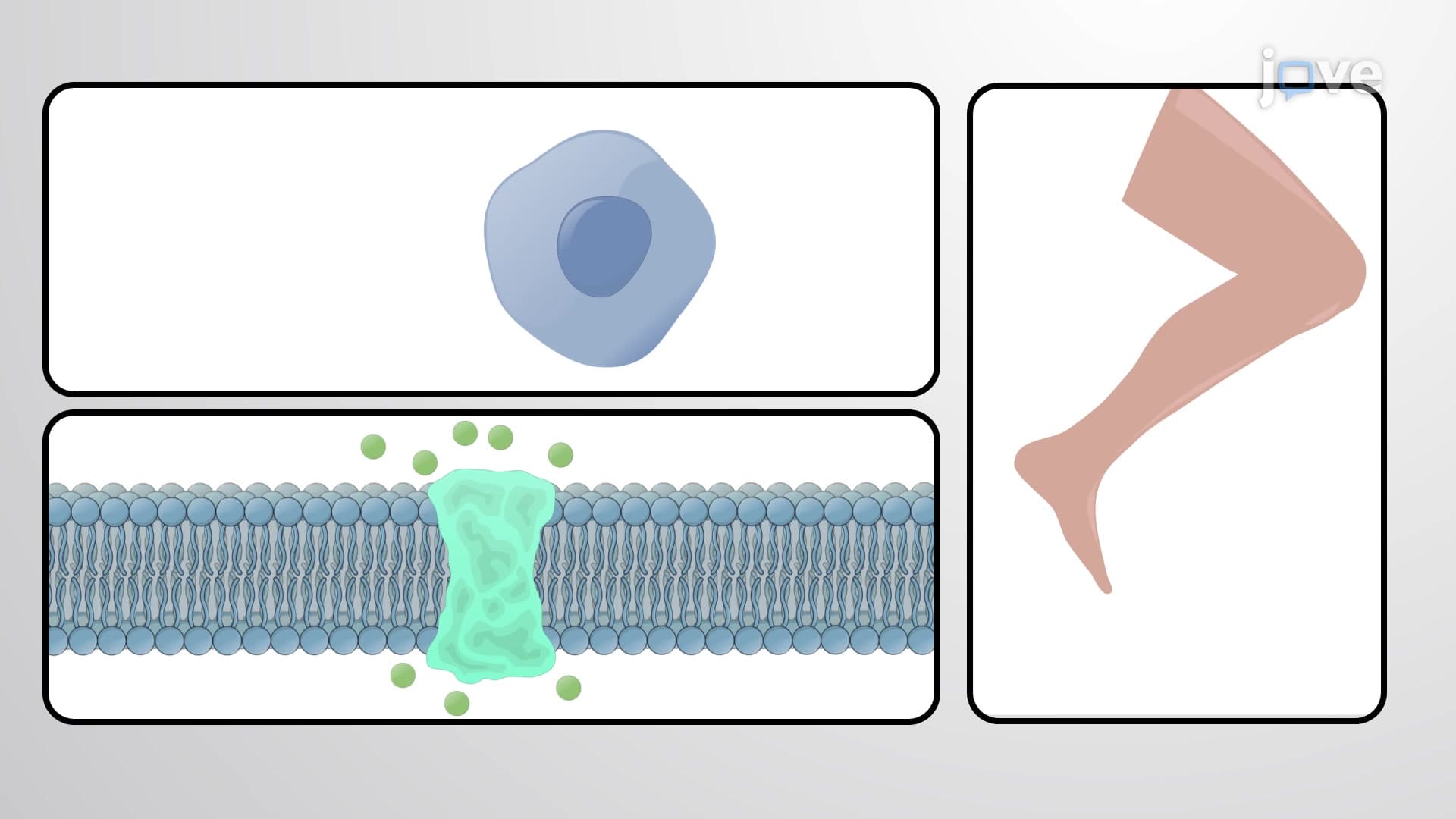
Did you know that when insulin binds to its receptor, it triggers a cascade that affects how glucose enters your cells? Ligand binding linkage occurs when molecules binding to one site on a protein influence binding at completely different locations. The hemoglobin protein in your blood demonstrates this perfectly-oxygen binding to one site makes it easier for oxygen to bind to other sites, enhancing oxygen transport efficiency. What is ligand binding and linkage becomes crucial for understanding how proteins coordinate multiple functions simultaneously. Watch the full video on JoVE Coach to master this concept with expert-led visuals and step-by-step explanations.
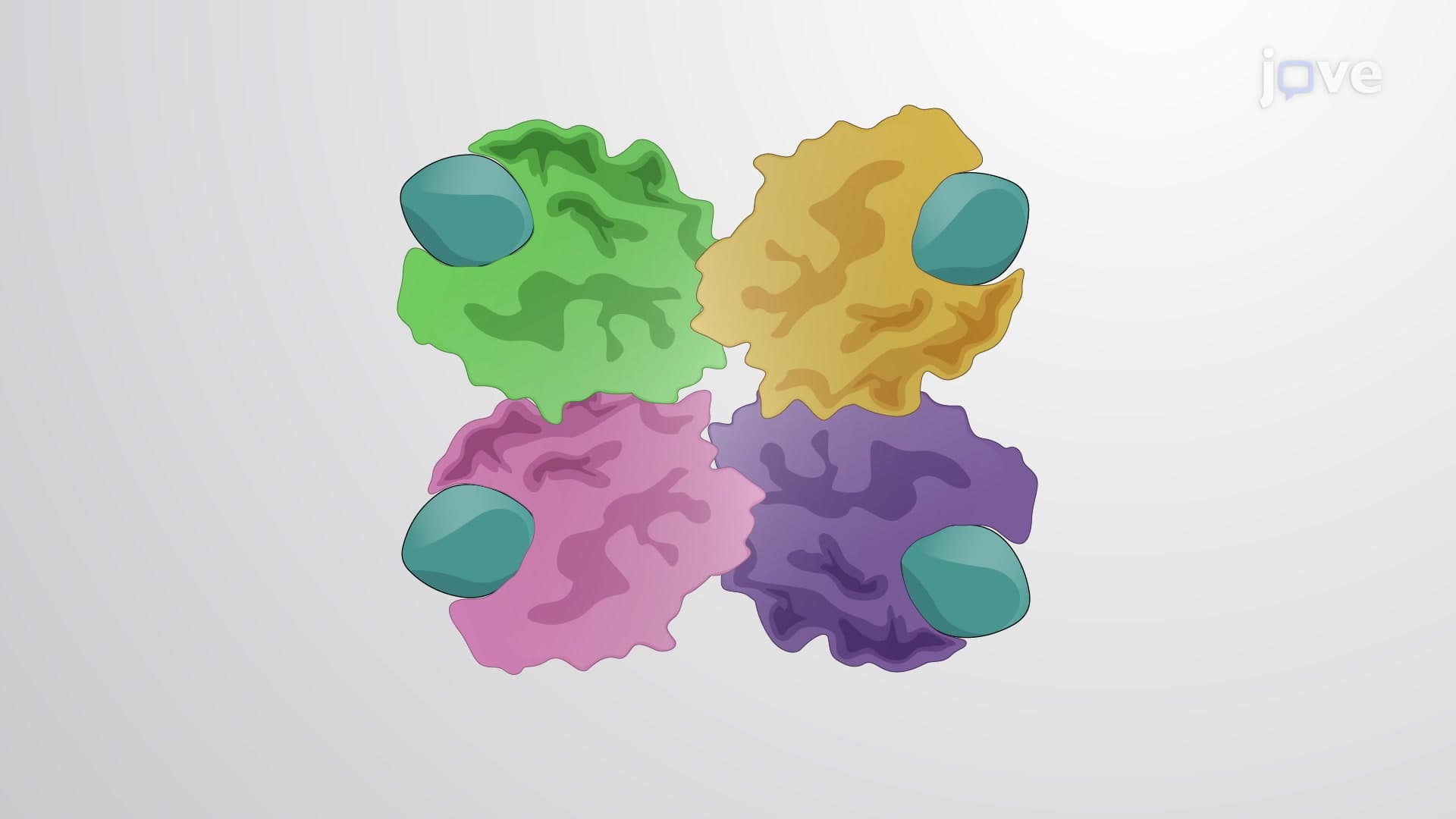
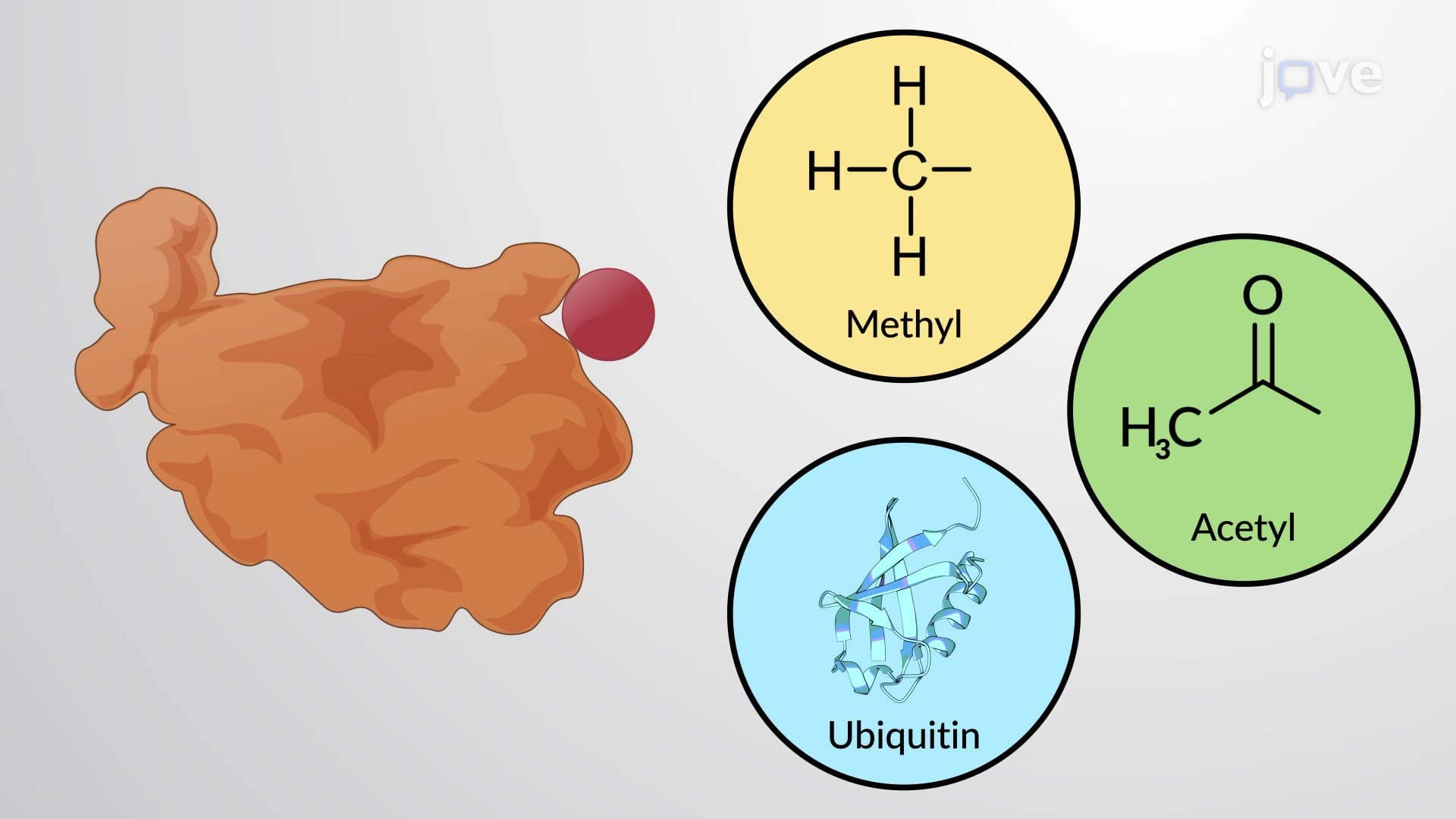
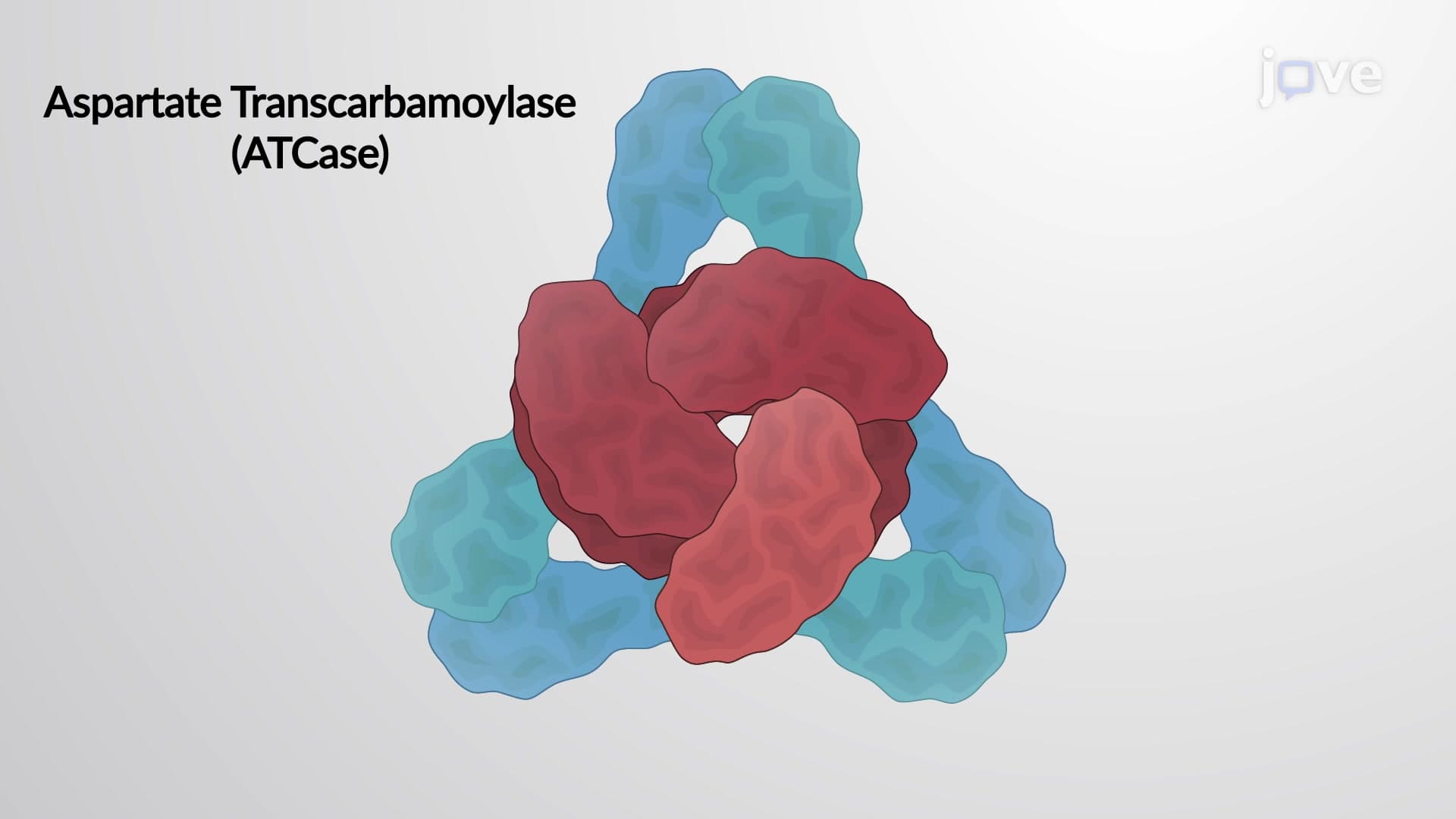
Ligand binding linkage represents one of the most elegant mechanisms proteins use to coordinate multiple functions. When we examine protein structure and function, we discover that most proteins contain several binding sites beyond their primary active site. These additional sites can dramatically influence the protein's behavior through conformational changes-structural shifts that ripple through the entire protein molecule.
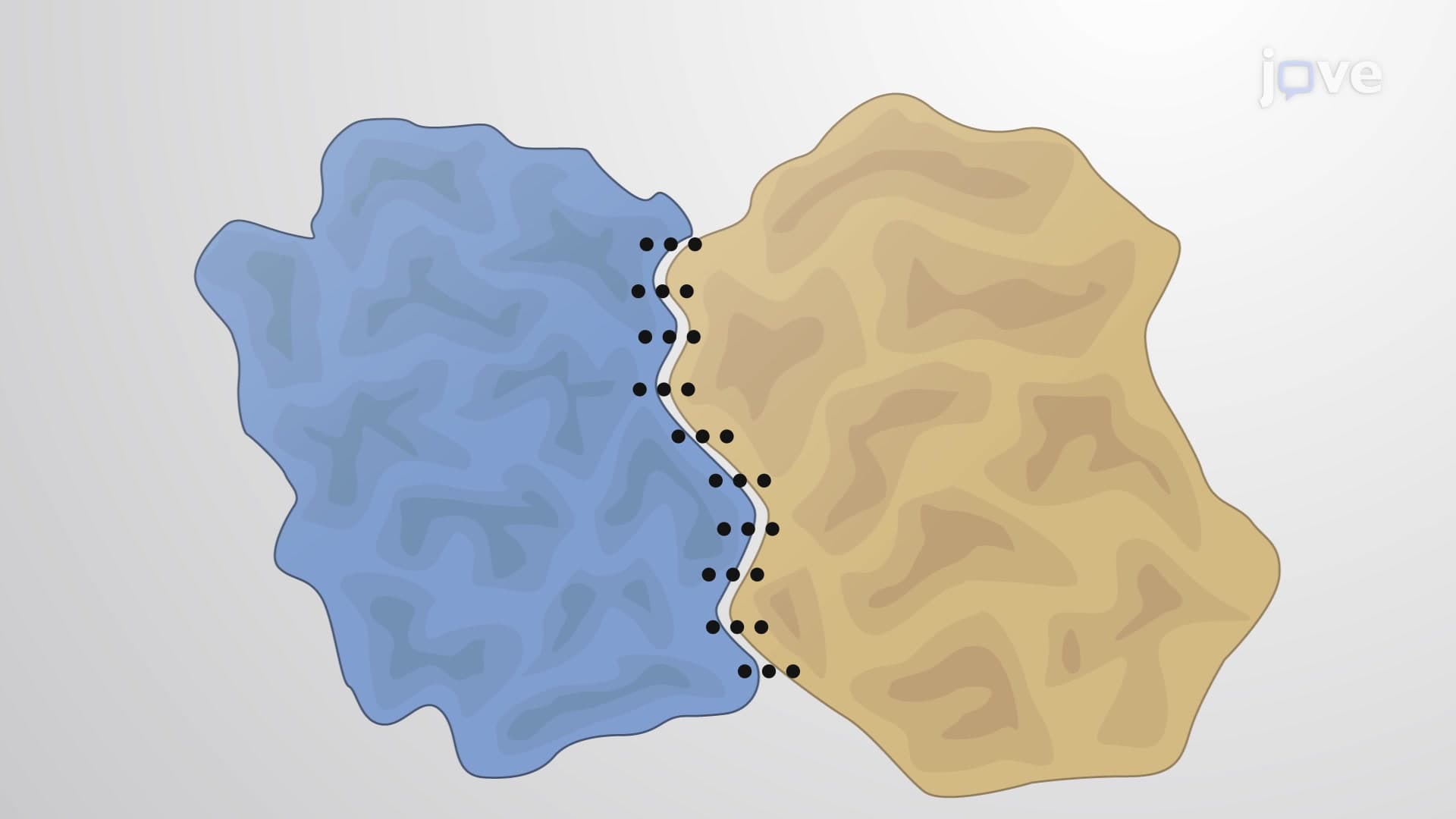
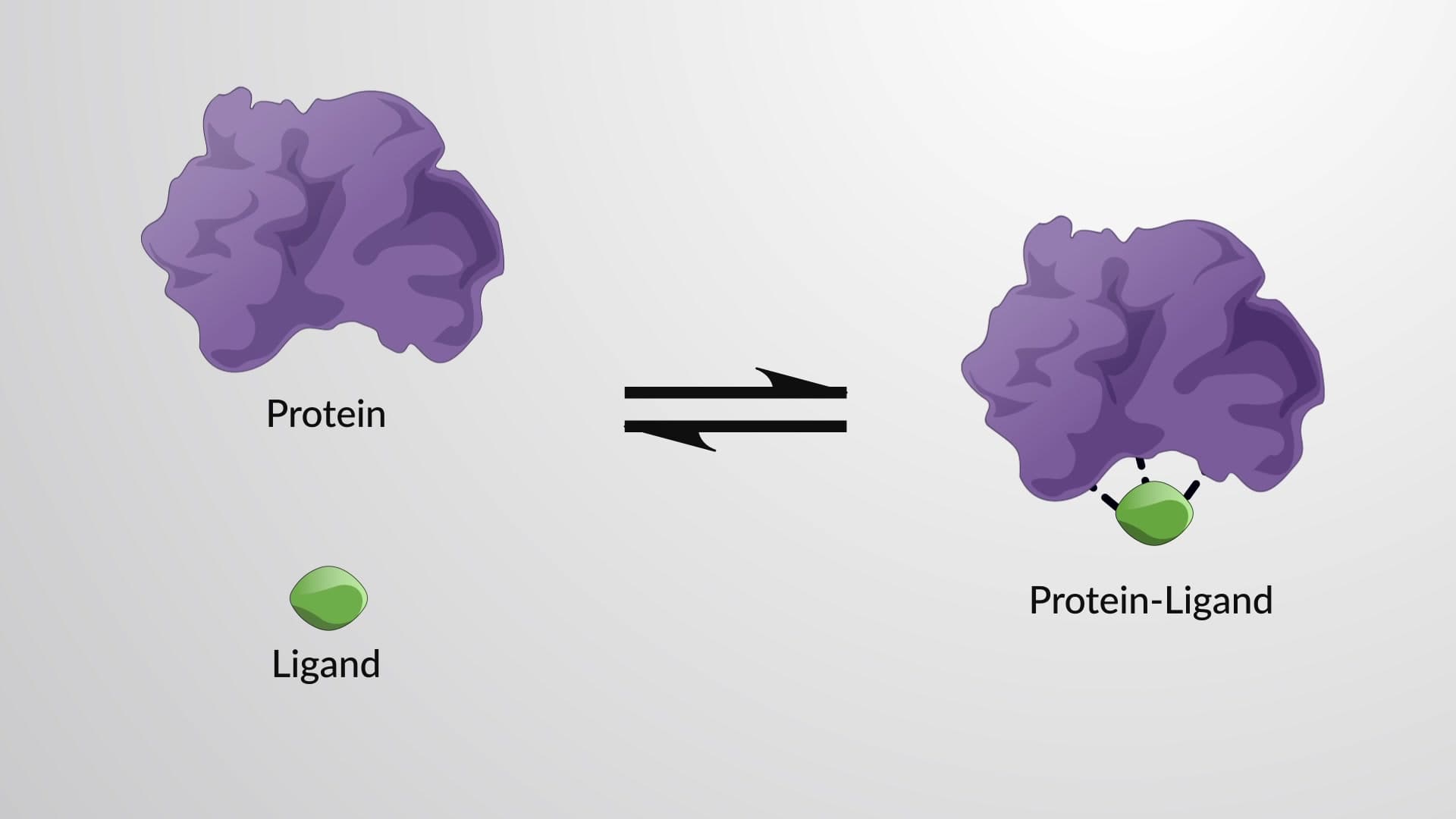
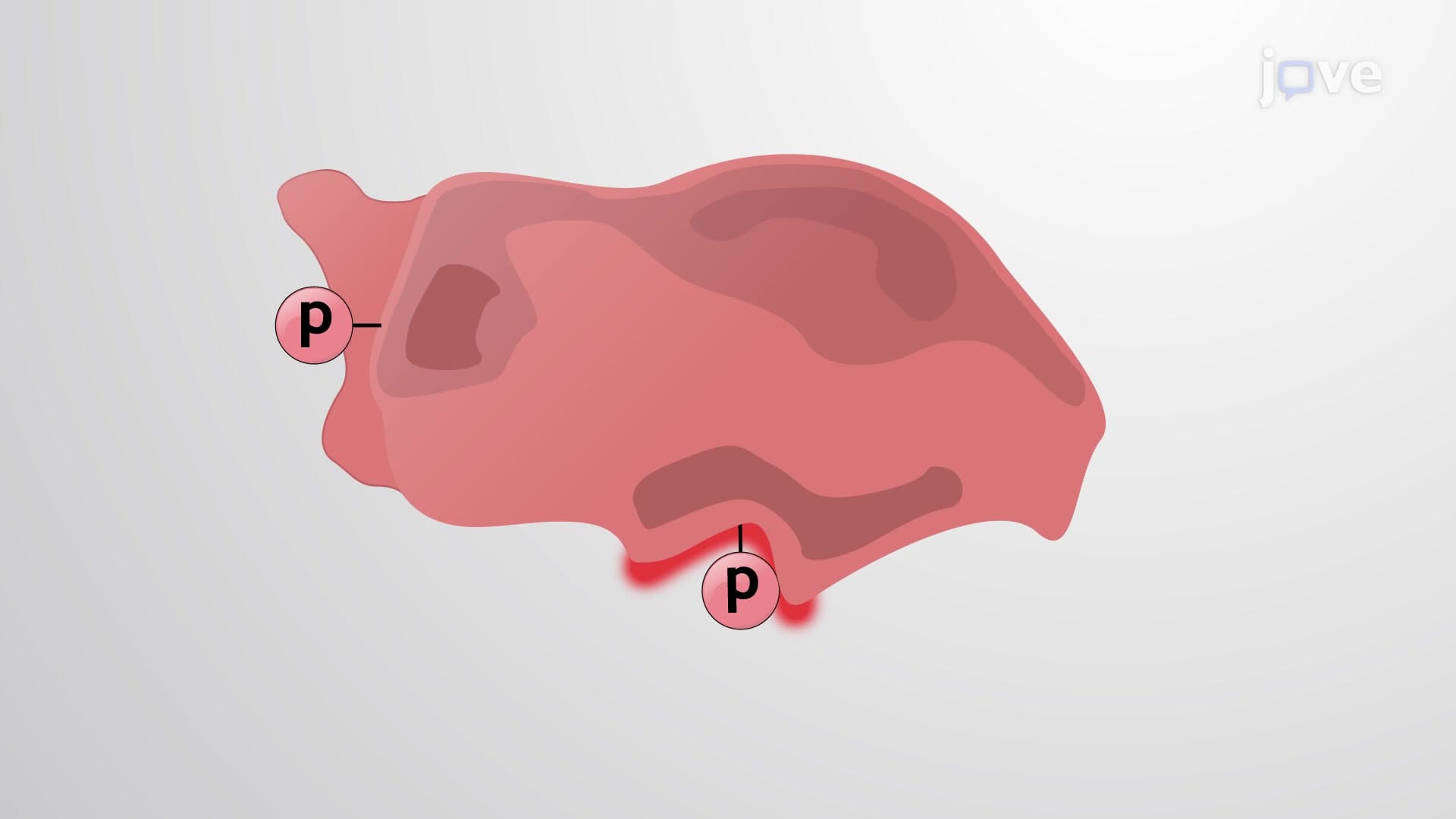
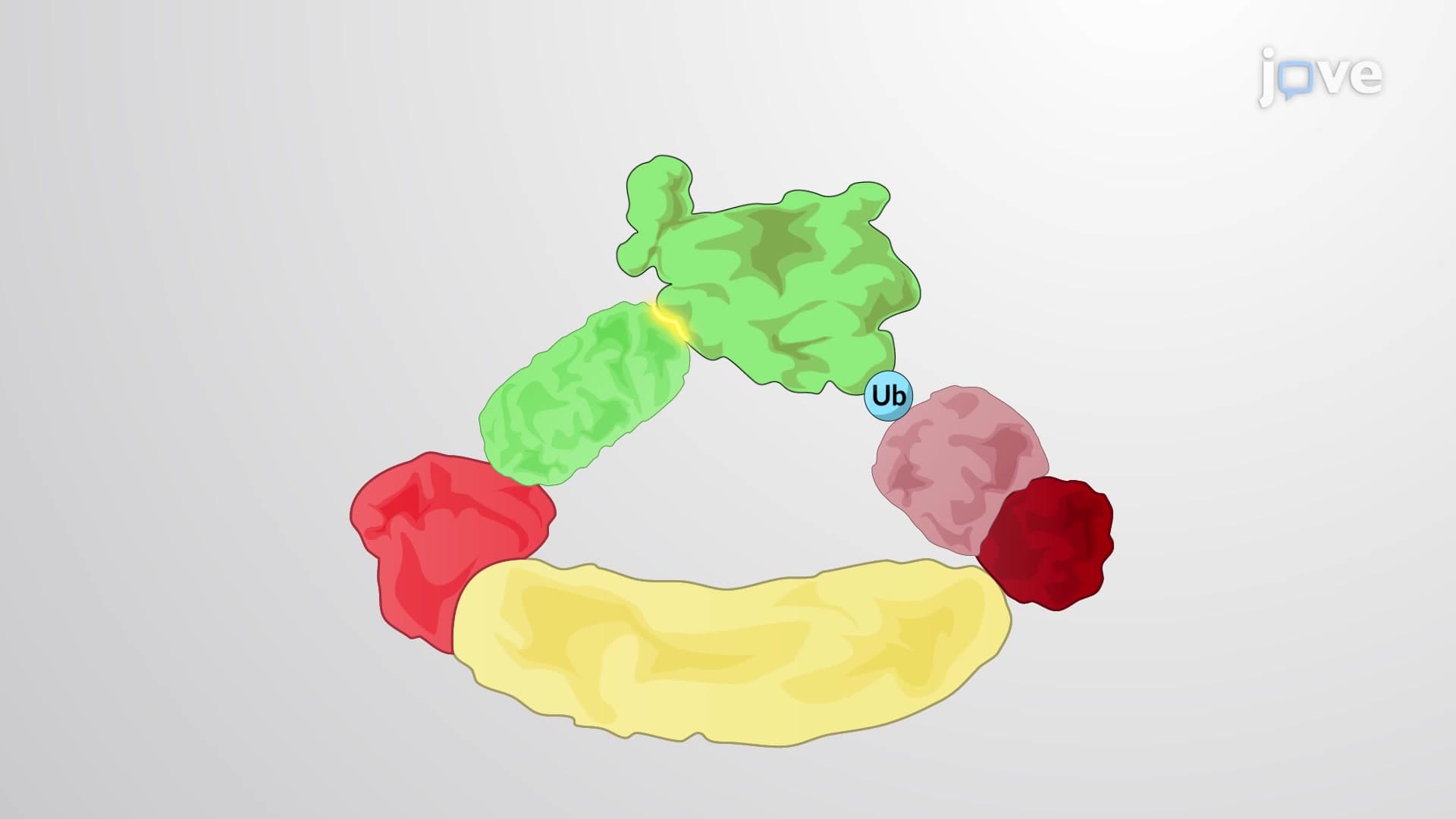
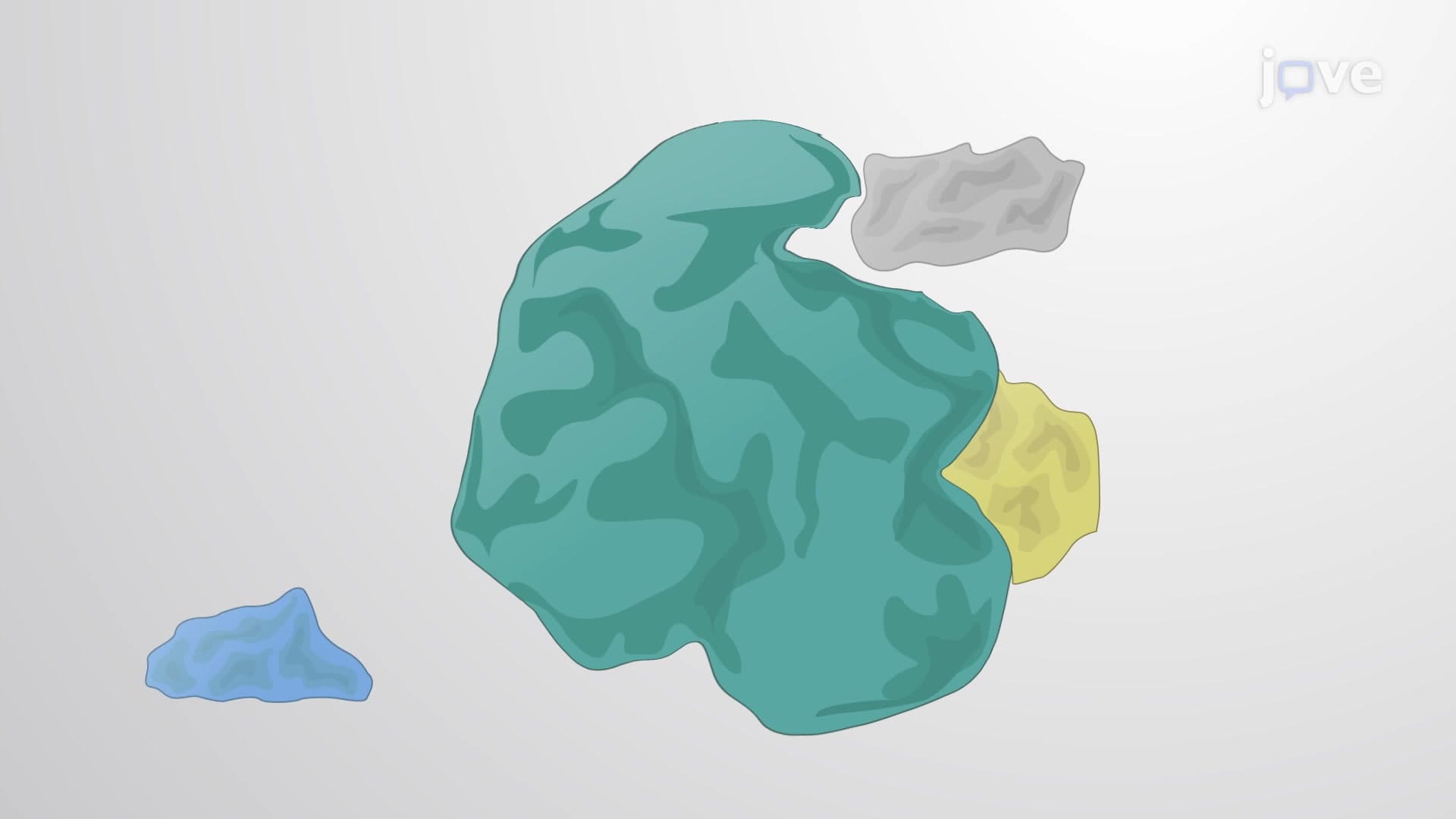
The ligand binding and linkage definition explained centers on communication between binding sites. When a ligand (any molecule that binds to a protein) attaches to one location, it often causes the protein to change shape. This shape change can travel through the protein structure, affecting how other molecules bind to completely different locations. This phenomenon allows proteins to act as molecular switches and regulatory devices.
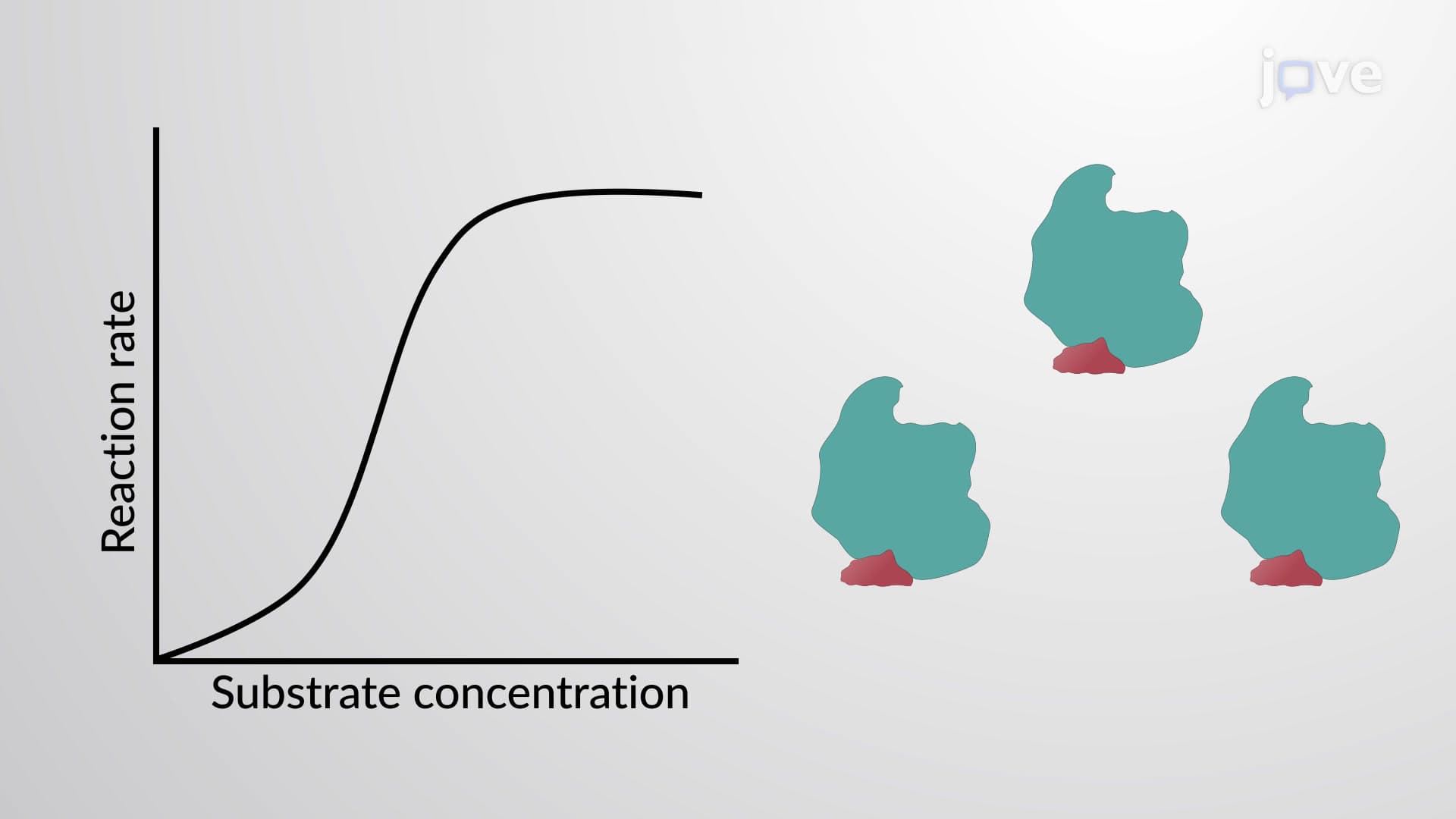
In positive linkage, the binding of one ligand makes it easier for other ligands to bind. Hemoglobin provides the classic example studied in AP Biology and college biochemistry courses. When one oxygen molecule binds to hemoglobin, it causes conformational changes that increase the affinity of the remaining binding sites for oxygen. This cooperative binding creates the characteristic S-shaped oxygen-binding curve that students encounter on the MCAT and in physiology courses.
Negative linkage works in the opposite direction. Here, binding of one ligand makes it harder for other molecules to bind to different sites. Many enzymes use this mechanism for regulation-when an inhibitor binds to an allosteric site, it can shut down the enzyme's active site completely.
Understanding ligand binding linkage proves essential for drug development and medical treatment. Many pharmaceuticals work as allosteric modulators, binding to sites different from where natural substrates bind. For example, benzodiazepines like Valium don't bind where GABA naturally binds to GABA receptors, but they enhance GABA's effects through positive allosteric modulation.
In cellular metabolism, enzymes like phosphofructokinase demonstrate complex linkage patterns. ATP can bind to multiple sites on this enzyme-acting as a substrate at one site while serving as an allosteric inhibitor at another. This allows the cell to fine-tune metabolic rates based on energy status.
Students preparing for standardized tests should focus on how linkage effects explain protein cooperativity, enzyme regulation, and receptor function. These concepts frequently appear in AP Biology free-response questions and MCAT passages about protein structure-function relationships.
Related Micro-courses