Loading subject page…


169,800 views

Video Summary: What Is Protein Protein Interfaces
Did you know that insulin, the hormone crucial for diabetes management in over 37 million Americans, only functions when two protein chains bind together through specific protein protein interfaces? These molecular "handshakes" between proteins are essential for countless biological processes, from muscle contraction to DNA repair. Understanding what is protein protein interfaces reveals how proteins recognize and bind to each other through complementary shapes, chemical forces, and specialized binding sites. Watch the full video on JoVE Coach to master this concept with expert-led visuals and step-by-step explanations.
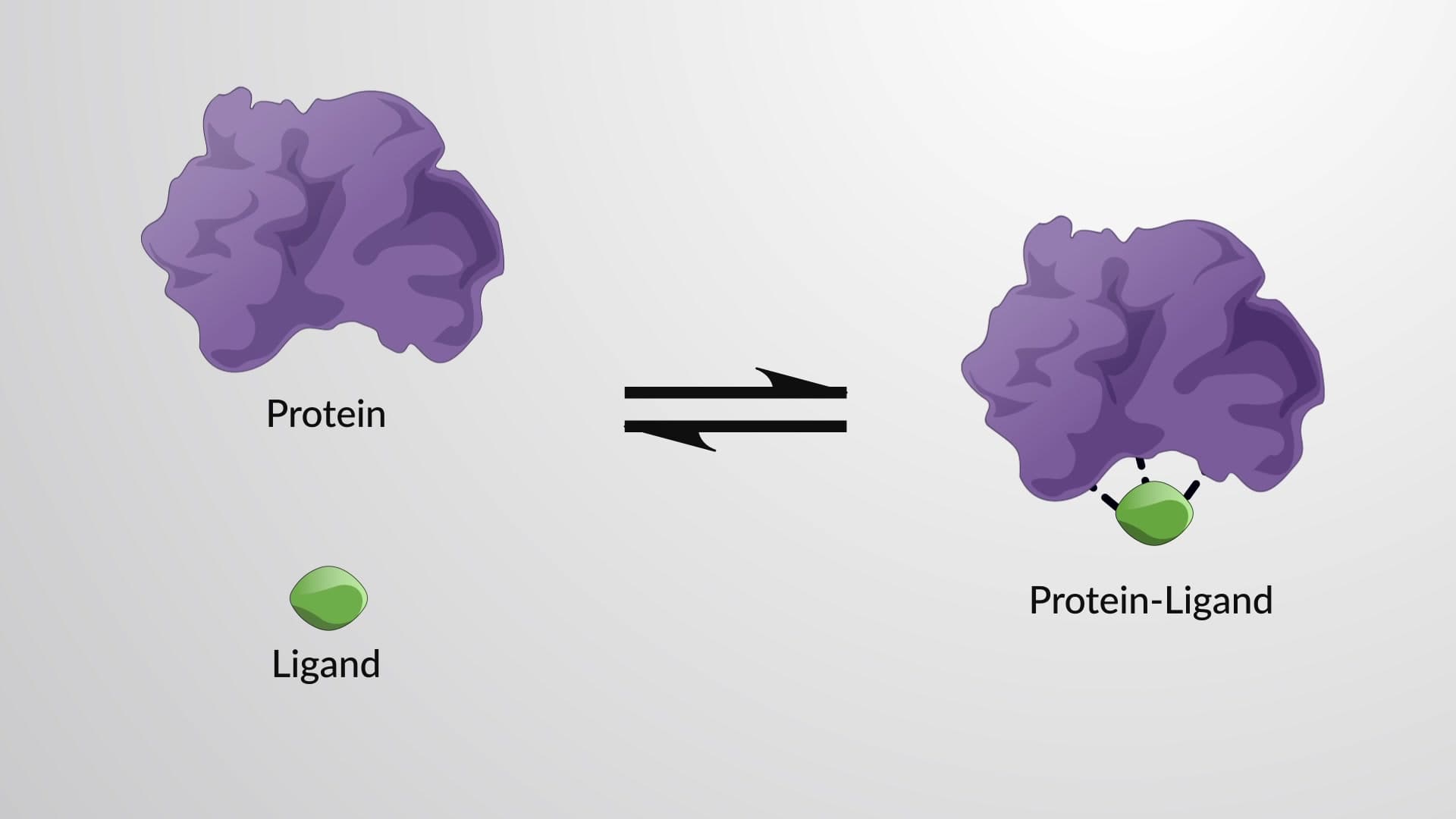
Protein protein interfaces represent the specific contact regions where two or more proteins bind together to form functional complexes. These interfaces are not random collision points but highly evolved, precisely structured regions that enable proteins to recognize their correct binding partners among thousands of other proteins in the cell. The specificity of these interactions is comparable to a lock-and-key mechanism, though with much more flexibility and dynamic behavior.
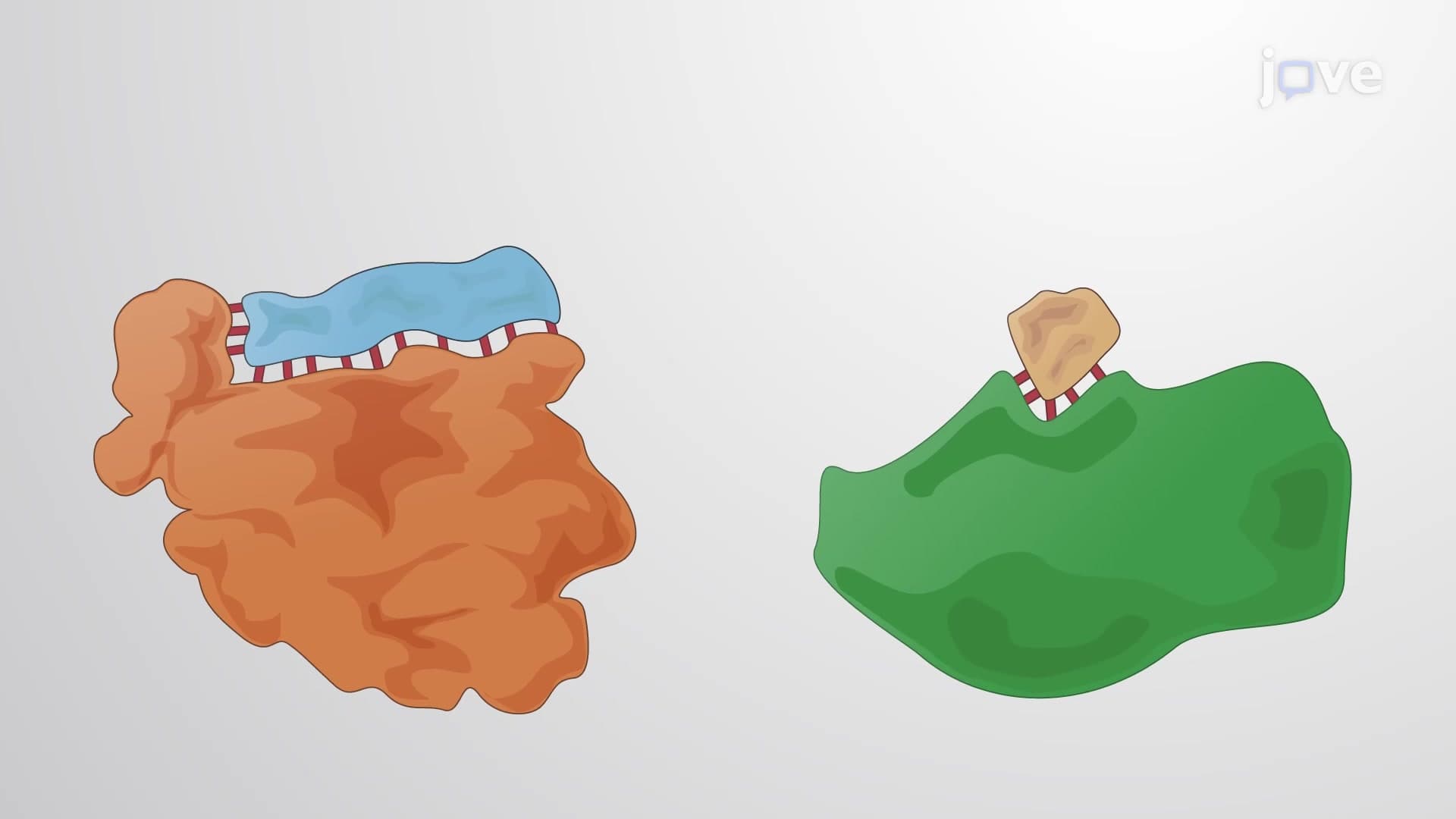
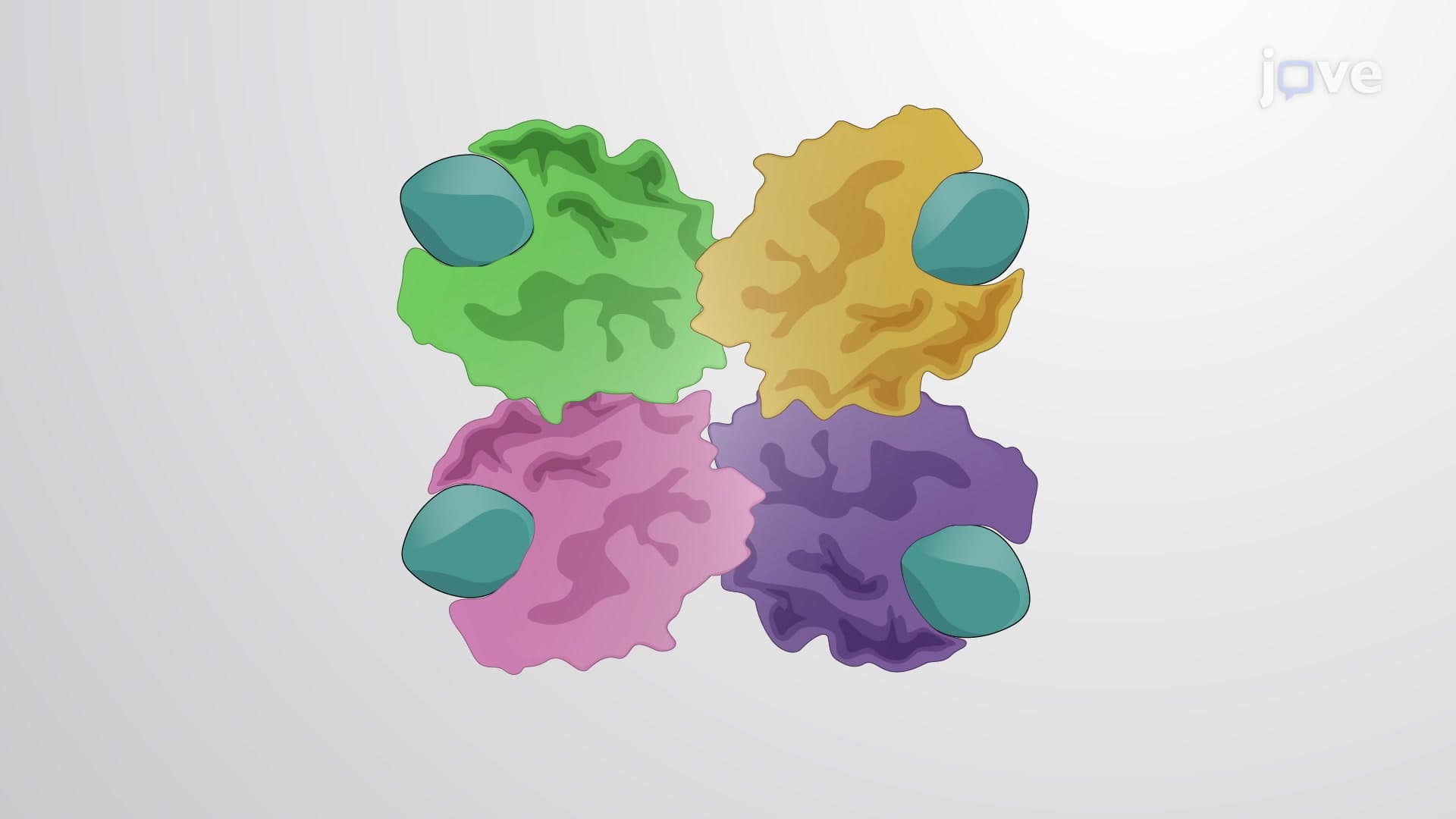
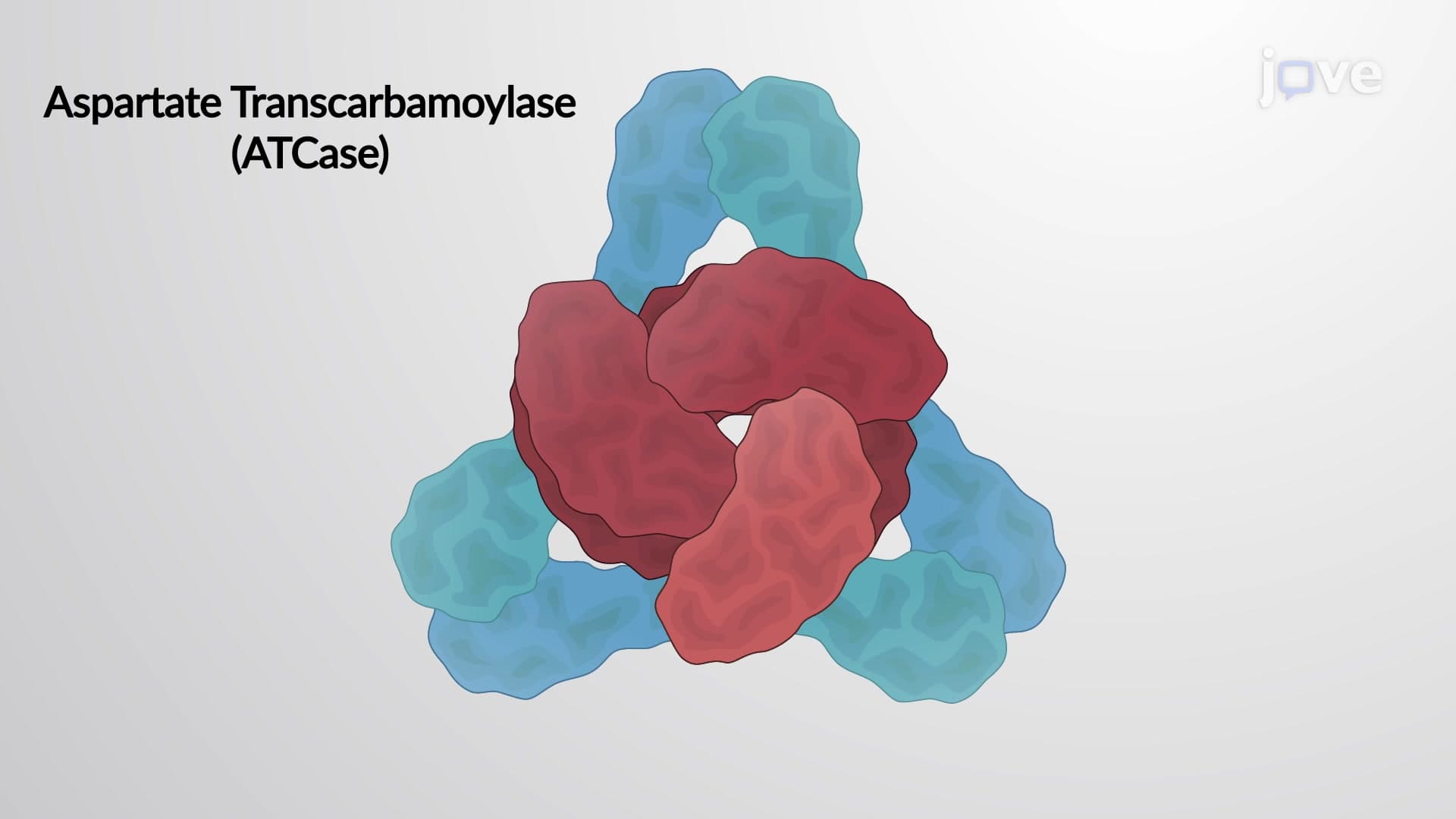
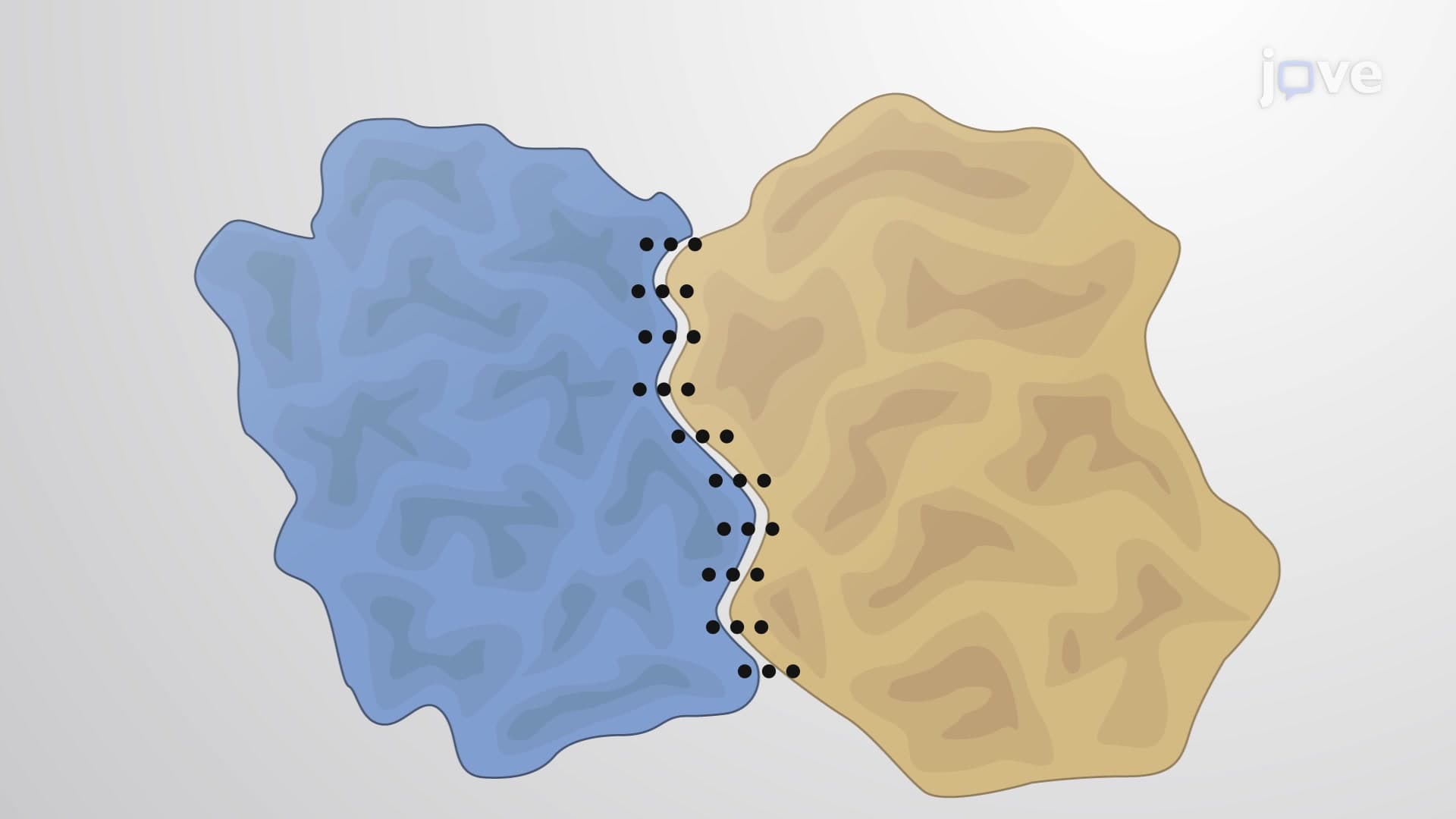
The most structurally intimate type of interface occurs through surface-surface interactions, where large, complementary regions of two proteins fit together like puzzle pieces. The classic example is the hemoglobin tetramer, essential for oxygen transport in the human cardiovascular system. Each hemoglobin molecule consists of four protein subunits (two alpha and two beta chains) that interact through extensive surface-surface interfaces. These interfaces involve hundreds of non-covalent interactions, including hydrogen bonds between polar amino acids, electrostatic attractions between oppositely charged residues, and hydrophobic interactions that exclude water molecules from the binding interface.
Students preparing for the MCAT or AP Biology exams should understand that these interactions are individually weak (typically 1-5 kcal/mol) but collectively provide strong, specific binding. The binding energy is distributed across the entire interface, making the complex stable under physiological conditions while still allowing for regulation and controlled disassembly when needed.
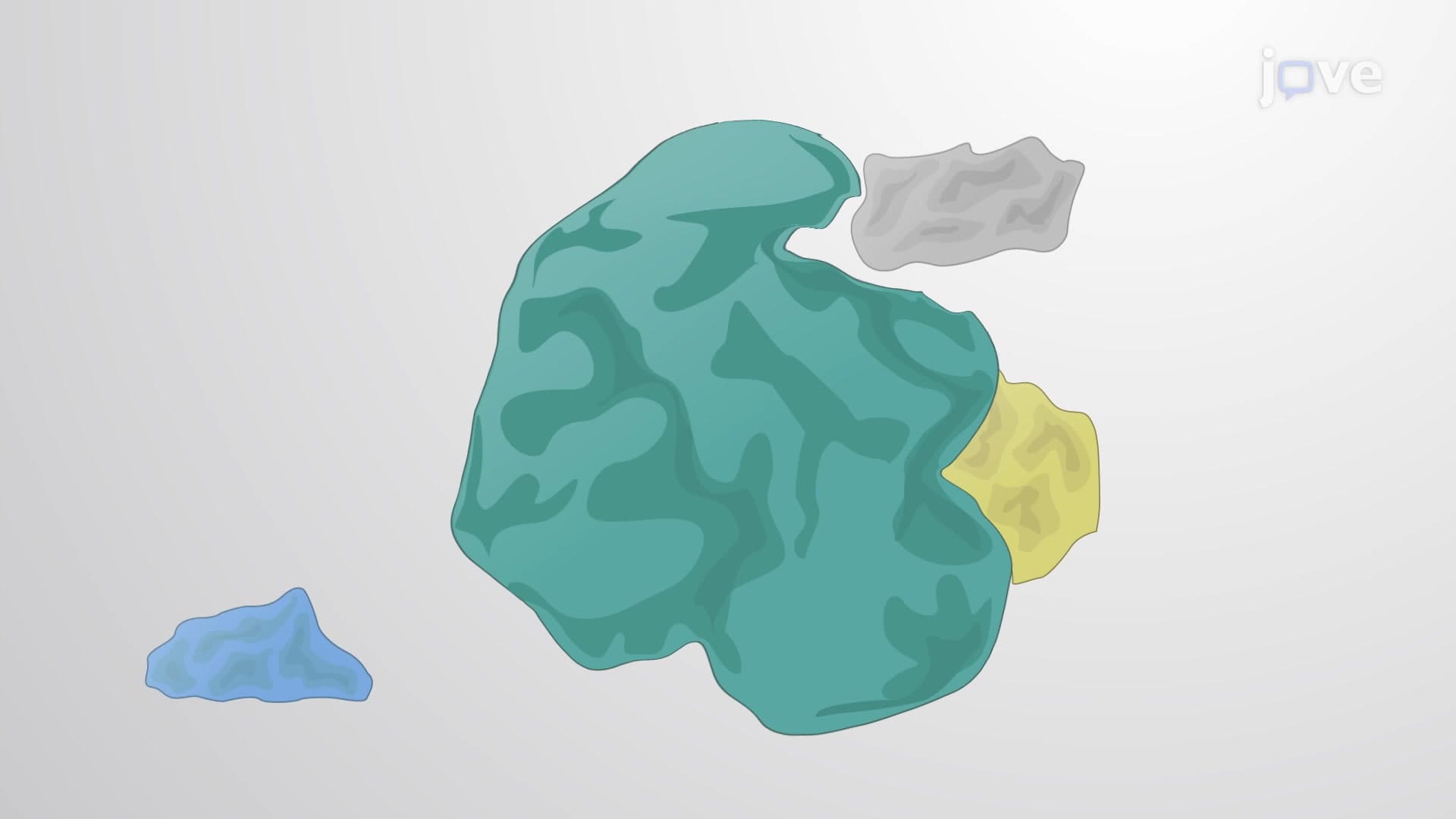
Surface-string interactions represent a fundamentally different interface geometry, where one protein presents a binding cleft that accommodates a linear peptide sequence from its partner. Protein kinase A, crucial for cellular signaling cascades, exemplifies this mechanism. The enzyme's active site forms a groove that specifically recognizes and binds peptide substrates containing the consensus sequence motif. This type of interface is particularly important in cell signaling, where specificity must be maintained among hundreds of potential target proteins.
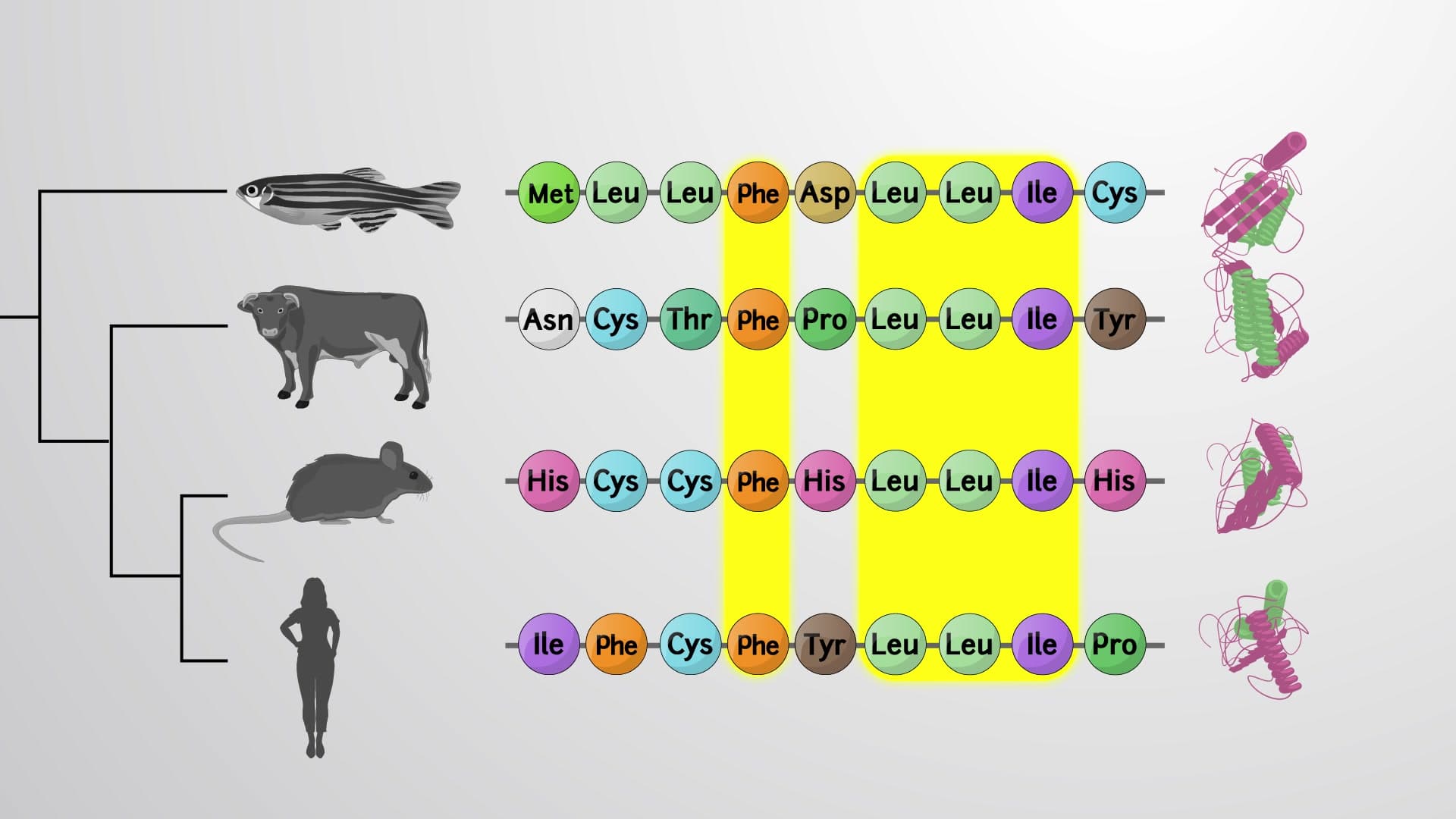
Helix-helix interfaces, including coiled-coil interactions, are prominent in transcription factors and structural proteins. The leucine zipper domains found in many human transcription factors, such as c-Jun and c-Fos (important in cancer research), demonstrate this interface type. These helical regions wrap around each other in a characteristic pattern, with hydrophobic leucine residues creating a stable, water-excluding core.
Understanding protein interfaces has revolutionized drug development and disease treatment. Many pharmaceuticals work by disrupting or stabilizing specific protein-protein interfaces. For example, HIV protease inhibitors used in AIDS treatment bind to the interface between two identical protein subunits, preventing viral replication. College students studying biochemistry or preparing for medical school should recognize that approximately 40% of current drug targets involve protein-protein interactions, making interface analysis a critical skill in pharmaceutical sciences.
Related Micro-courses