Loading video…


 17 Concepts
 169.8K views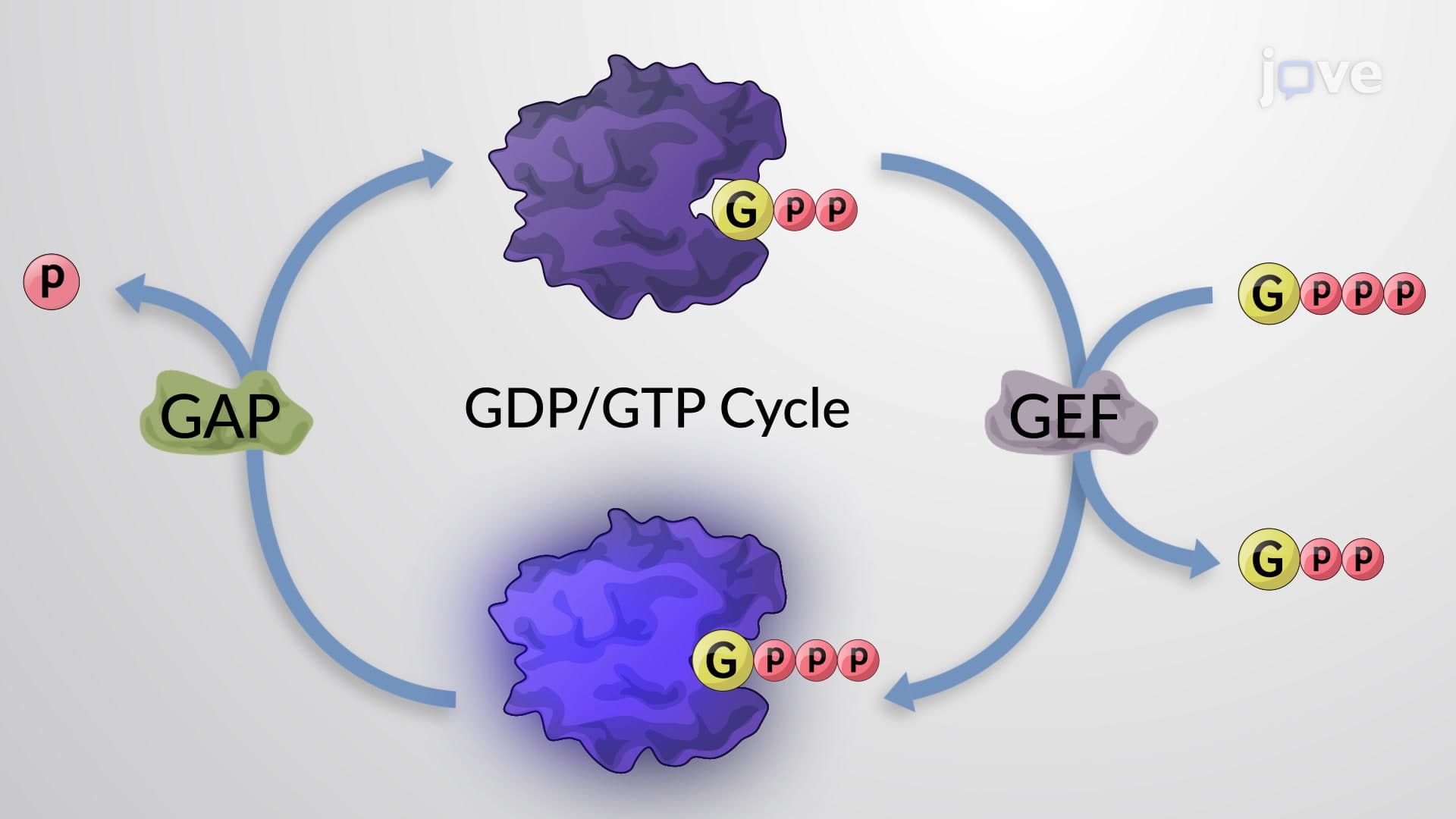

Video Summary: What Is Gtpases and Their Regulation
Did you know that every time you see, smell, or taste something, molecular switches called GTPases are flipping on and off in your cells? Understanding gtpases and their regulation reveals how cellular communication works at the most fundamental level. Like traffic lights controlling the flow of cars through intersections, these protein switches control critical processes in human physiology, from hormone signaling in diabetes management to neurotransmitter function in depression treatment. Watch the full video on JoVE Coach to master this concept with expert-led visuals and step-by-step explanations.
GTPases represent one of biology's most elegant regulatory systems, functioning as molecular switches that control virtually every aspect of cellular life. These proteins use the energy stored in guanosine triphosphate (GTP) to regulate processes ranging from muscle contraction to memory formation. For students preparing for the MCAT or AP Biology exams, mastering GTPase regulation provides essential insight into cellular signaling mechanisms.
G-proteins fall into two distinct categories based on their structure and activation mechanisms. Small G-proteins, also called monomeric G-proteins, consist of a single protein subunit typically weighing 20-25 kilodaltons. These include the Ras family proteins, which are frequently mutated in human cancers. Large G-proteins, or heterotrimeric G-proteins, contain three subunits (alpha, beta, and gamma) and are activated by G-protein coupled receptors (GPCRs). A prime example is the G-protein involved in adrenaline signaling during the body's fight-or-flight response.
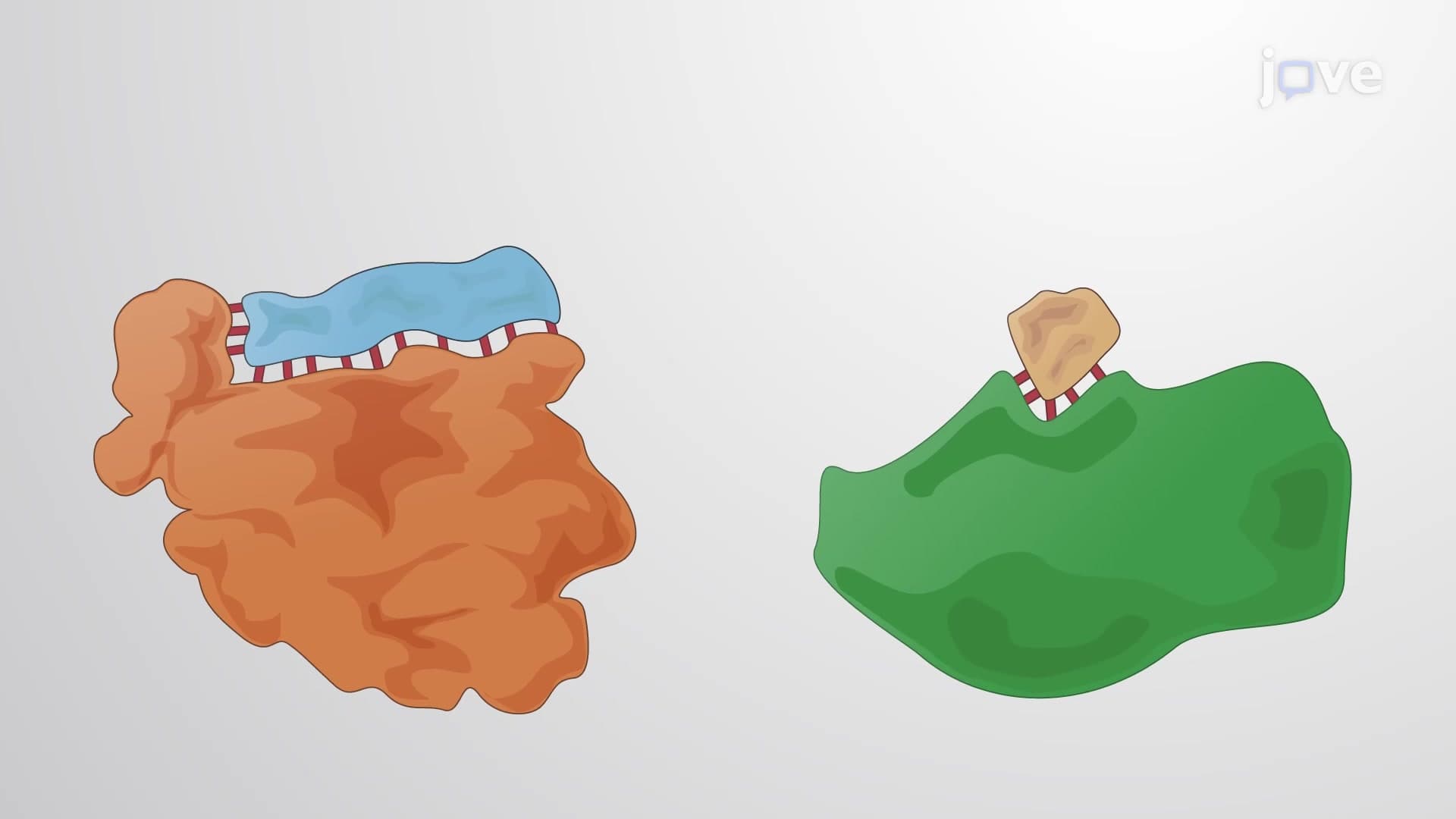
The regulation of GTPases centers on a carefully orchestrated cycle between active and inactive states. In the inactive state, GDP occupies the nucleotide-binding site. Activation begins when a guanine exchange factor (GEF) induces conformational changes that cause GDP release. Since GTP concentrations in the cytoplasm are approximately ten times higher than GDP, GTP quickly fills the vacant binding site, switching the protein to its active state.
This activation state doesn't last indefinitely. G-proteins possess intrinsic GTPase activity, meaning they can hydrolyze GTP to GDP plus inorganic phosphate. However, this intrinsic activity is deliberately slow, allowing the protein to remain active long enough to complete its cellular function. When deactivation is required, GTPase activating proteins (GAPs) bind and dramatically accelerate GTP hydrolysis, rapidly returning the protein to its inactive GDP-bound state.
Understanding GTPase regulation has profound implications for medicine and biotechnology. Approximately 40% of all prescription drugs target GPCR pathways, making GTPase knowledge essential for students pursuing careers in pharmacology or medicine. Cholera toxin, for example, permanently activates certain G-proteins by preventing GTP hydrolysis, leading to the massive fluid loss characteristic of cholera. Conversely, pertussis toxin blocks G-protein activation entirely, disrupting normal cellular signaling.
Related Micro-courses