Loading video…


 17 Concepts
 169.8K views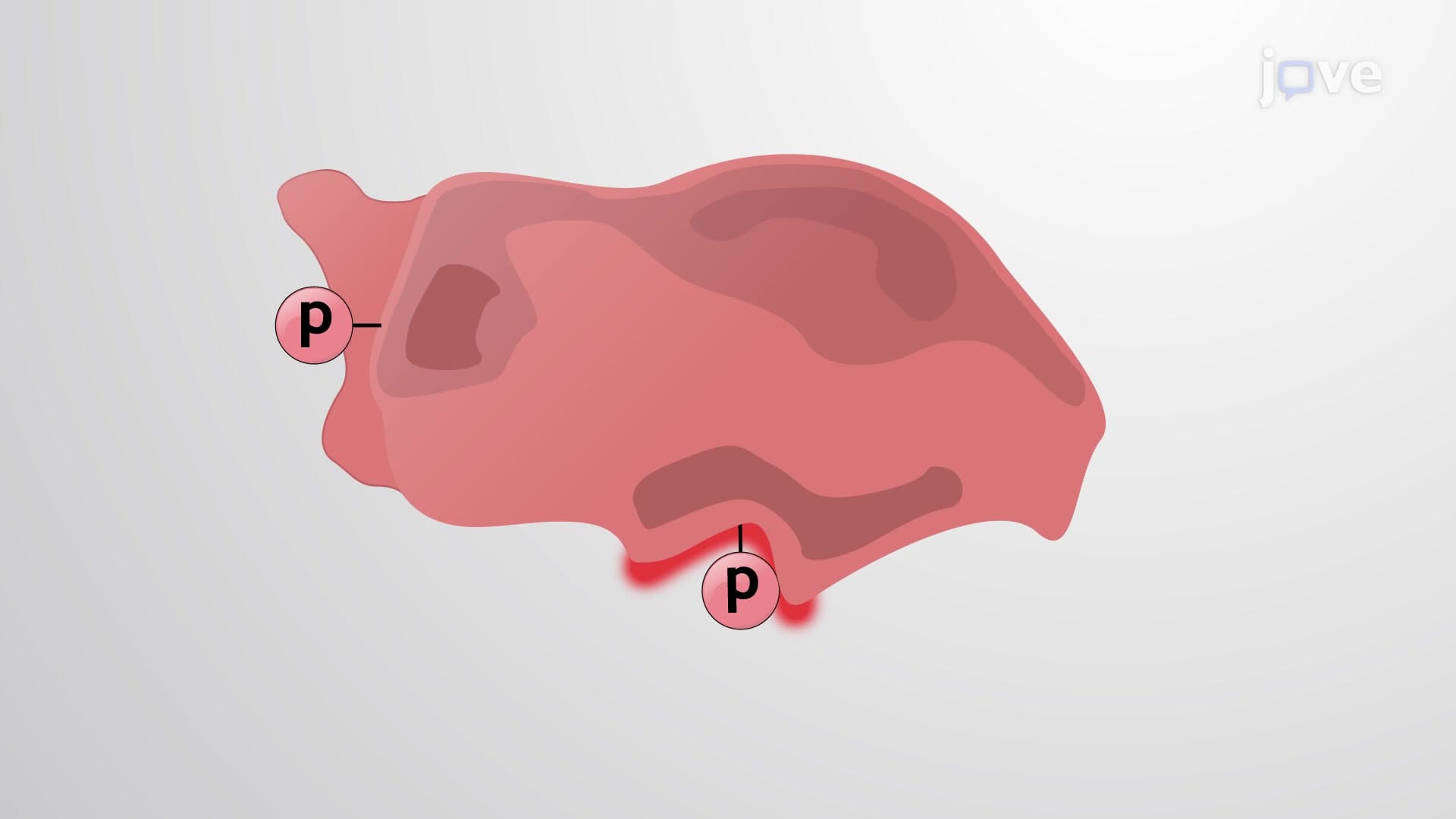

Video Summary: What are Protein Kinases and Phosphatases
Did you know that every time you eat a meal, thousands of molecular switches flip on and off in your cells? Protein kinases phosphatases are the enzymatic machinery controlling these critical cellular switches through phosphorylation and dephosphorylation reactions. When you consume a sugary drink, insulin activates protein phosphatase-1, which helps your muscles store glucose as glycogen-a perfect example of protein kinases and phosphatases biology explained in action. Watch the full video on JoVE Coach to master this concept with expert-led visuals and step-by-step explanations.
Protein kinases and phosphatases represent one of biology's most elegant regulatory systems-a molecular toggle switch that controls virtually every cellular process. These enzymes work as opposing forces: kinases add phosphate groups to proteins (phosphorylation), while phosphatases remove them (dephosphorylation). This seemingly simple modification creates profound functional changes that govern everything from muscle contraction to DNA repair.
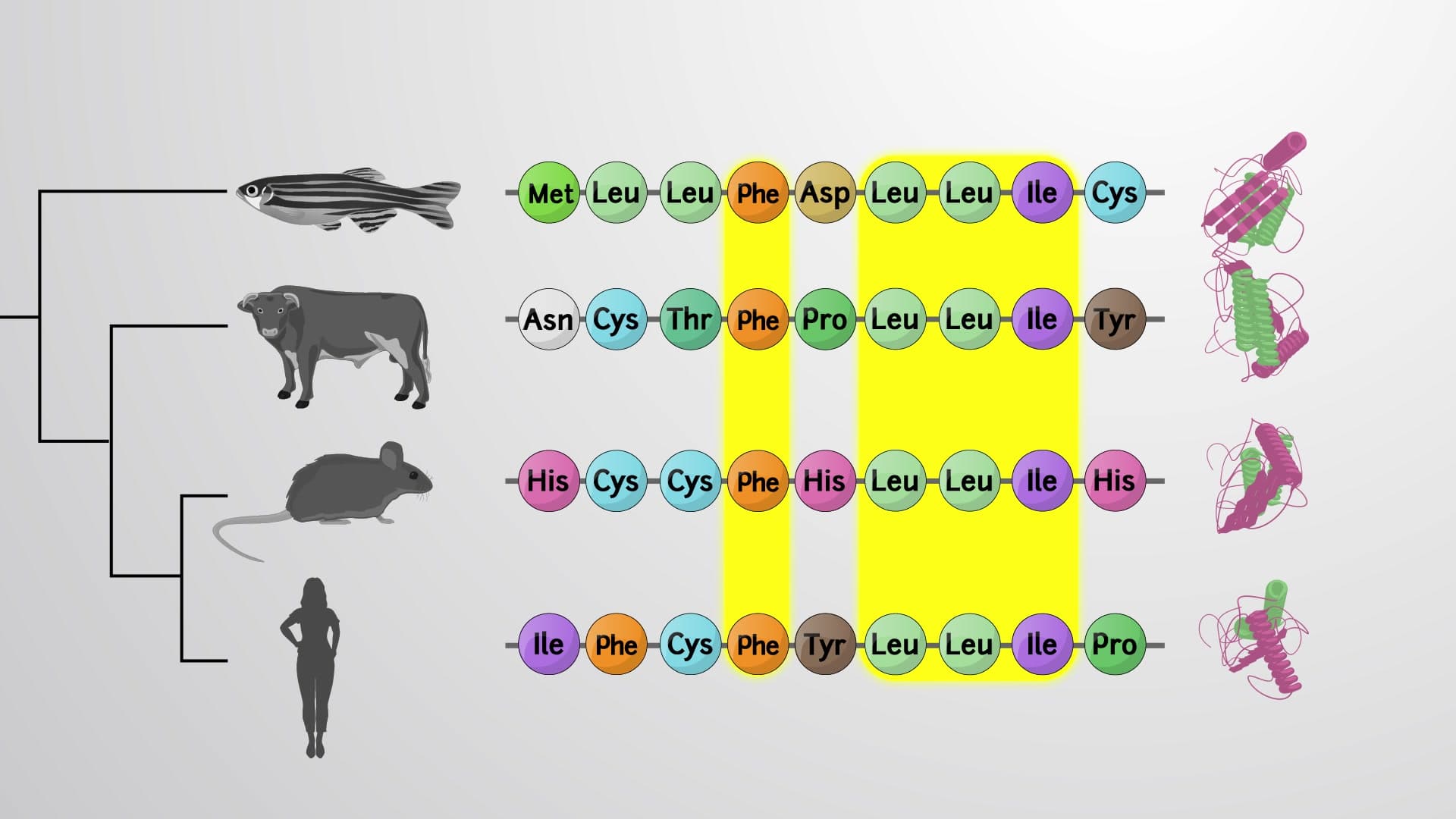
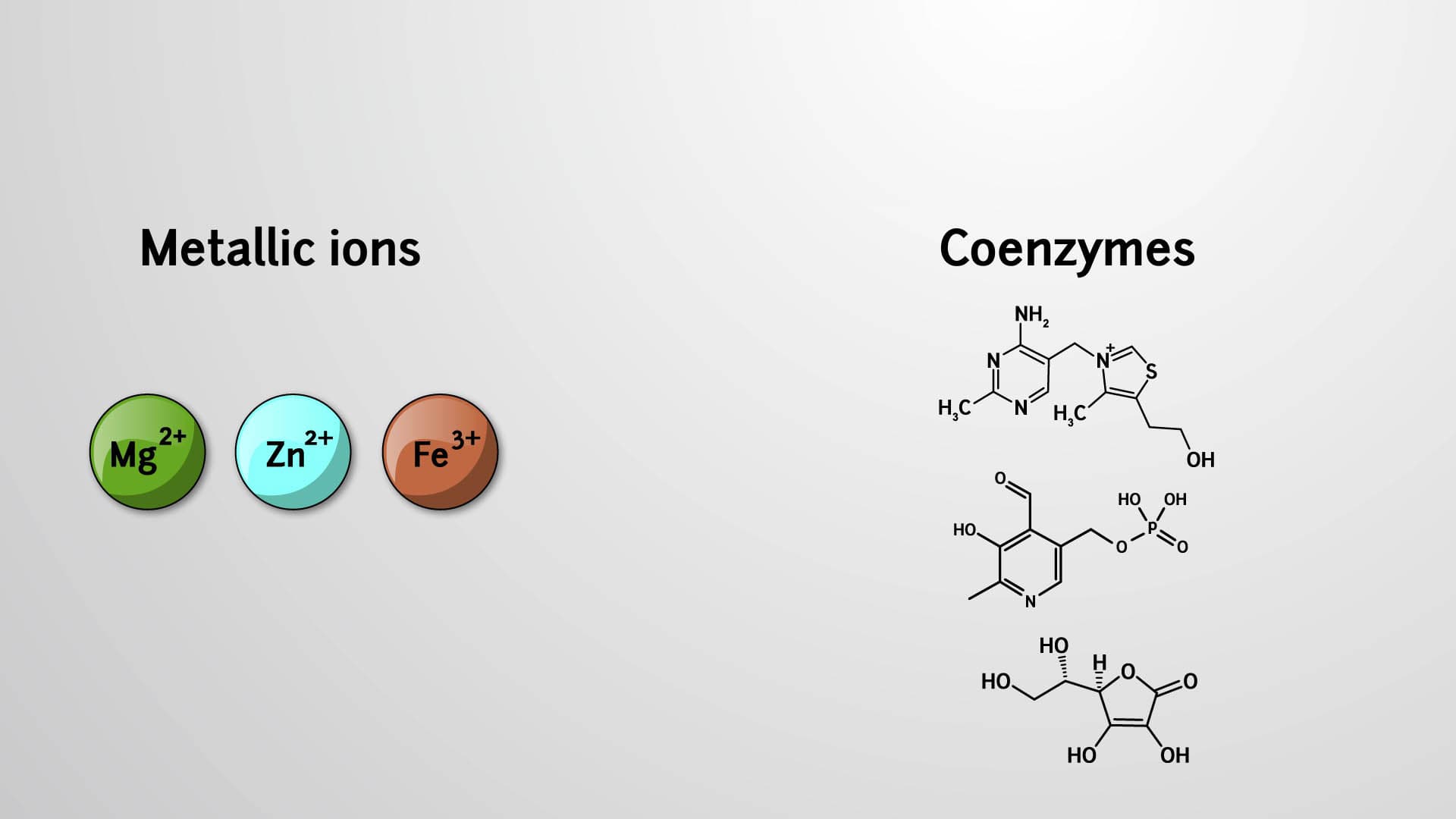
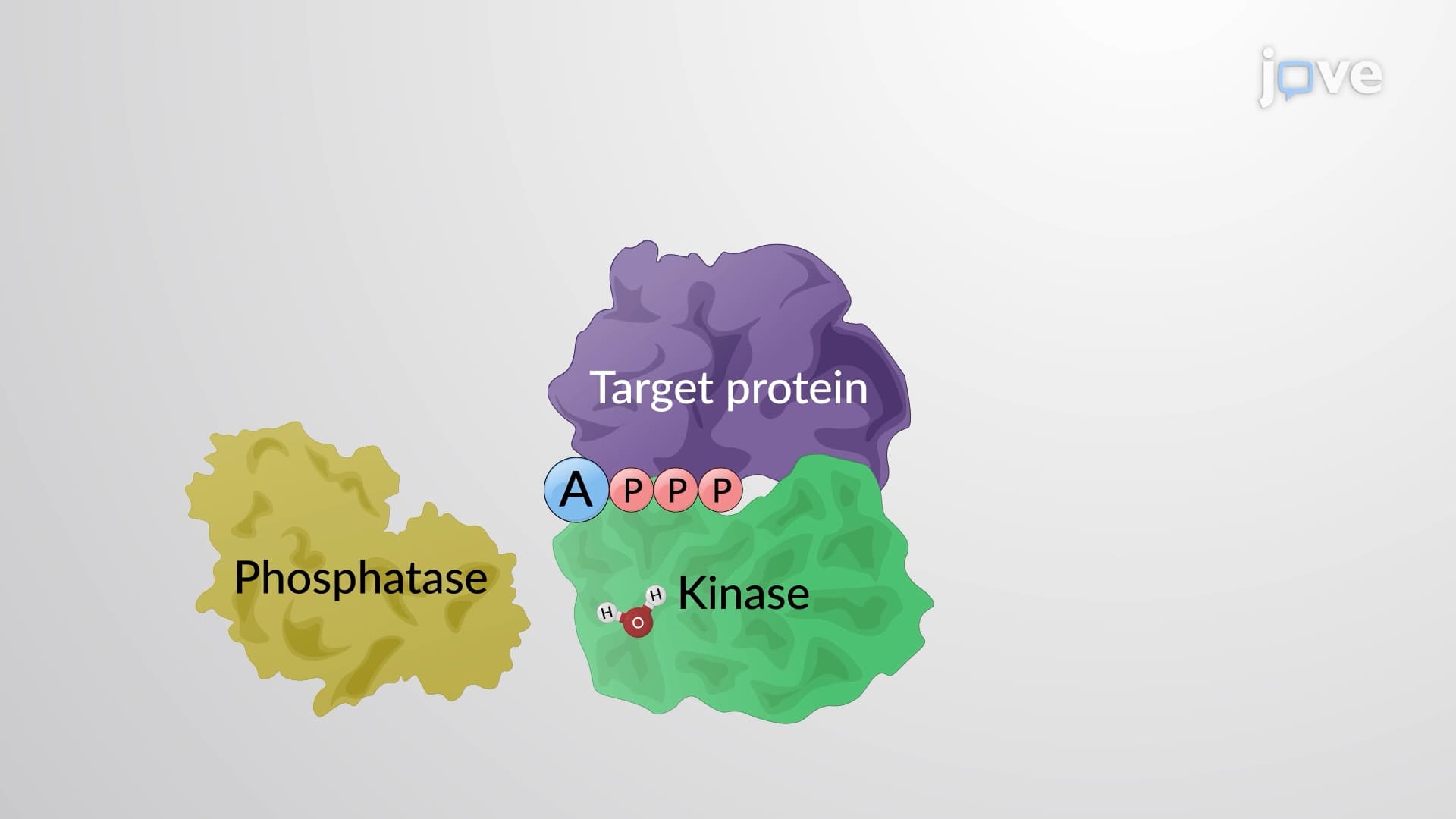
Protein kinases belong to an evolutionarily conserved enzyme family sharing common structural features and catalytic domains. These enzymes specifically target serine, threonine, or tyrosine amino acid residues, transferring the terminal phosphate group from ATP to the hydroxyl (-OH) groups on these amino acids. The reaction requires magnesium or manganese ions as cofactors and proceeds through a precise two-step mechanism involving ATP binding followed by substrate phosphorylation.
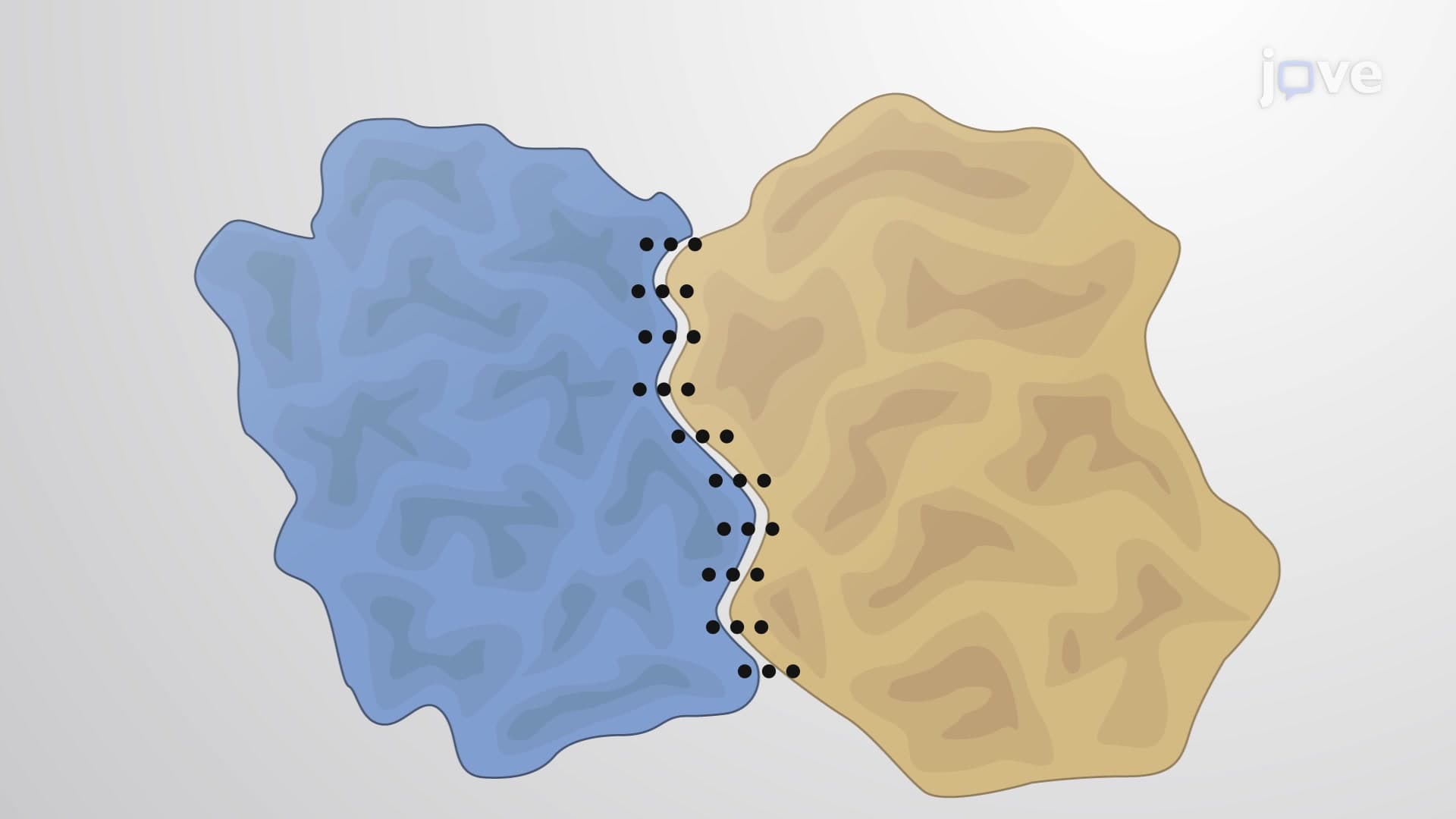
When a kinase adds a phosphate group, it doesn't simply attach a chemical tag-it fundamentally reshapes the protein's three-dimensional structure. The negatively charged phosphate creates an extensive hydrogen-bonding network with surrounding amino acids, causing conformational changes that can activate enzymes, create new protein-binding sites, or completely alter cellular localization. For example, when protein kinase A phosphorylates phosphofructokinase-2 during glucagon signaling, it switches this key glycolytic enzyme from its active to inactive state, effectively shutting down glucose breakdown when the body needs to conserve energy.
Phosphatases reverse kinase action through hydrolysis reactions, using water molecules to cleave phosphate groups and restore original protein conformations. The substrate specificity of phosphatases varies dramatically-some target only specific proteins with surgical precision, while others act broadly across multiple substrates. Protein phosphatase-1, crucial for glycogen metabolism, exemplifies broad specificity but achieves target selectivity through regulatory subunits that direct it to specific cellular locations and substrates.
Understanding protein kinases phosphatases definition proves essential for advanced biology coursework and standardized exams. The MCAT frequently tests kinase-phosphatase concepts in biochemistry passages, while AP Biology examinations often include questions about signal transduction mechanisms involving these enzymes. Medical students studying for the USMLE encounter kinase pathways in pharmacology, where kinase inhibitors like imatinib (Gleevec) represent breakthrough cancer treatments targeting specific kinase abnormalities in chronic myelogenous leukemia.
In diabetes research at institutions like Harvard Medical School and Johns Hopkins University, scientists study how insulin resistance disrupts normal kinase-phosphatase balance, leading to impaired glucose uptake and metabolic dysfunction. This knowledge directly informs therapeutic strategies and helps students understand disease mechanisms at the molecular level.
Related Micro-courses