Loading video…


 17 Concepts
 169.8K views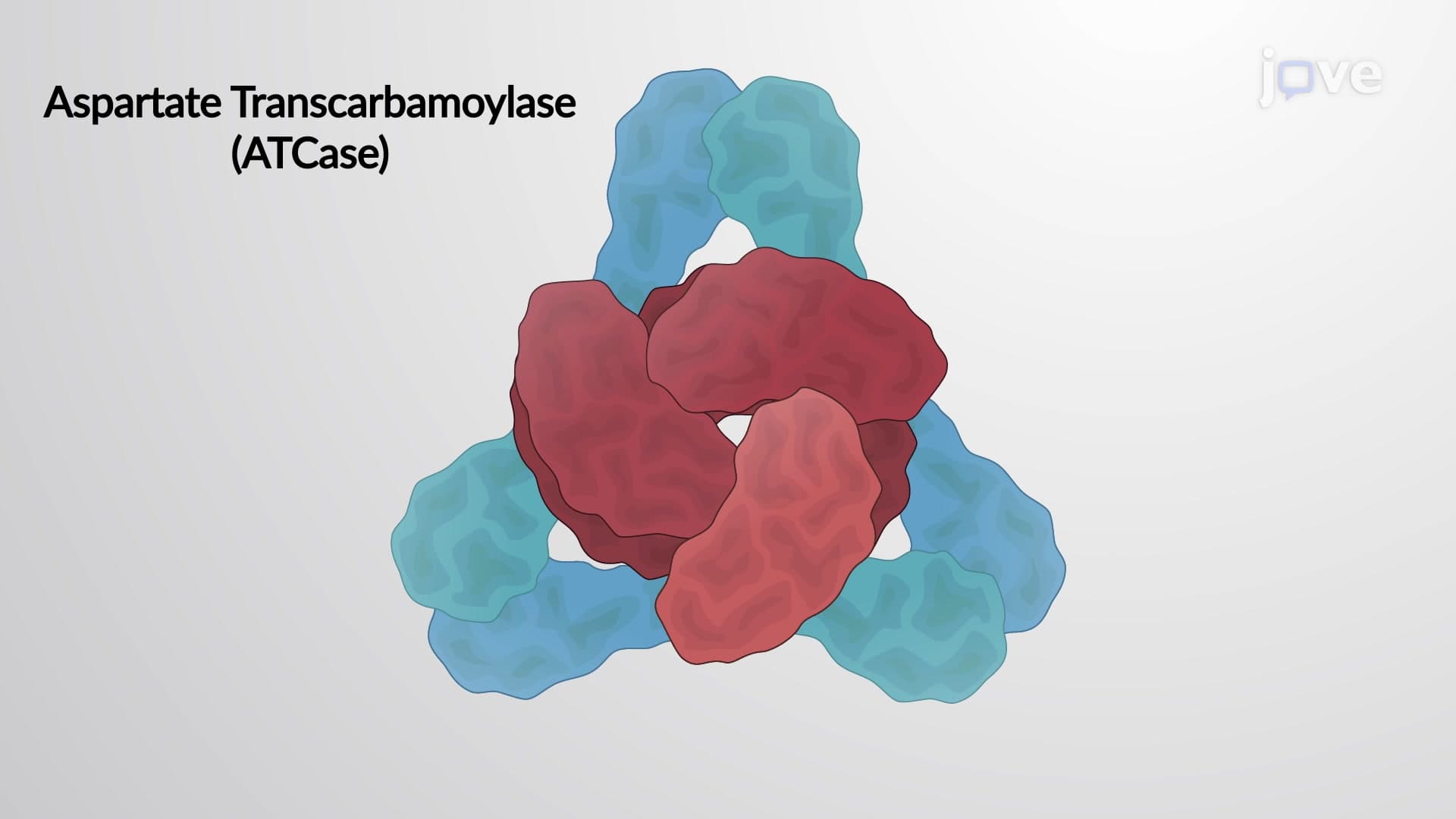

Video Summary: What Is Allosteric Proteins Atcase
Did you know that your cells use molecular "switches" to perfectly balance DNA building blocks? Allosteric proteins atcase represents one of biochemistry's most elegant regulatory systems, where aspartate transcarbamoylase (ATCase) acts like a cellular thermostat controlling pyrimidine production. This enzyme, found in every human cell, demonstrates how proteins can have multiple binding sites that communicate with each other-similar to how a car's cruise control adjusts speed based on road conditions. Understanding what is allosteric proteins atcase reveals the sophisticated molecular machinery that keeps our genetic material in perfect balance. Watch the full video on JoVE Coach to master this concept with expert-led visuals and step-by-step explanations.
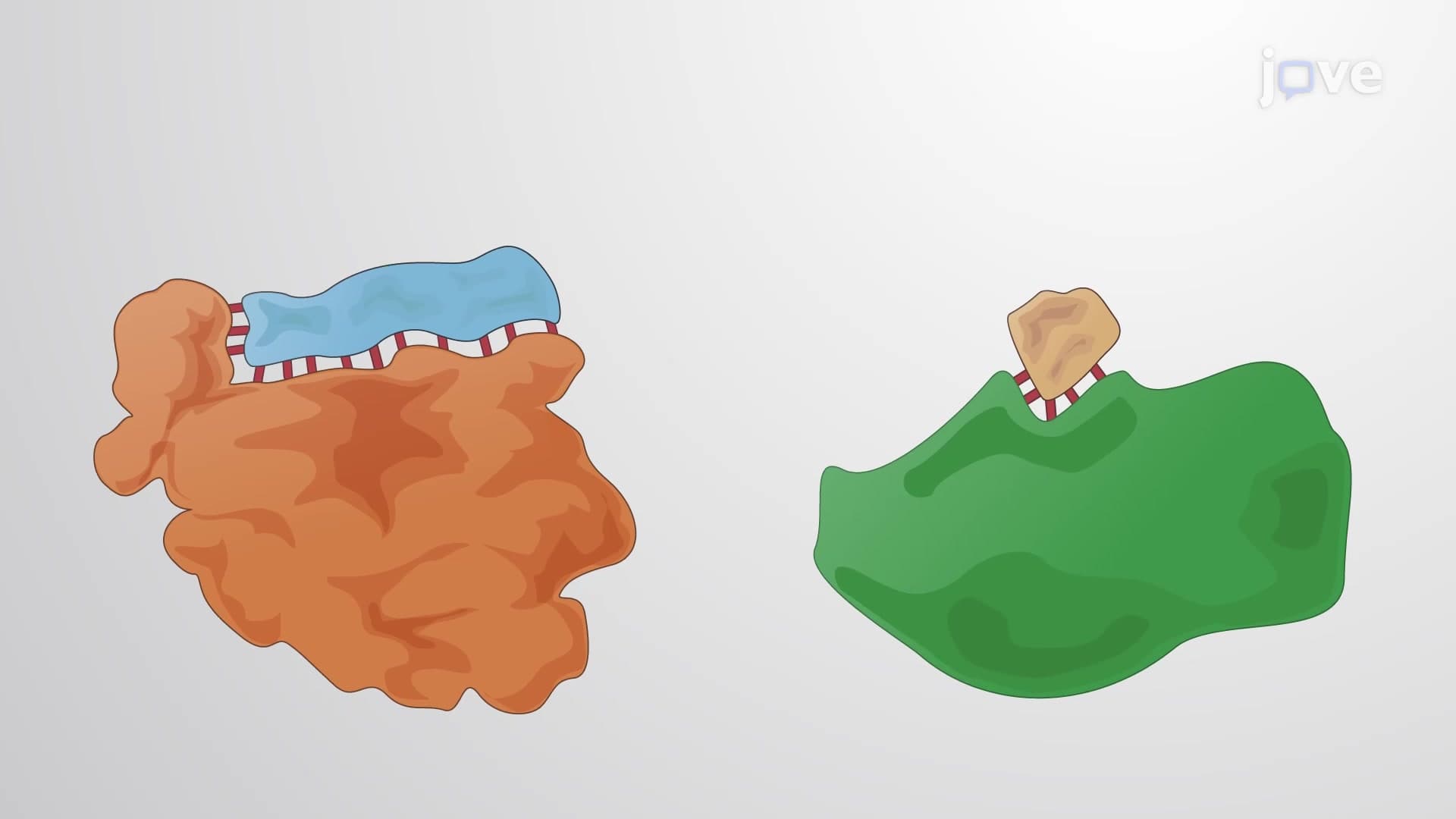
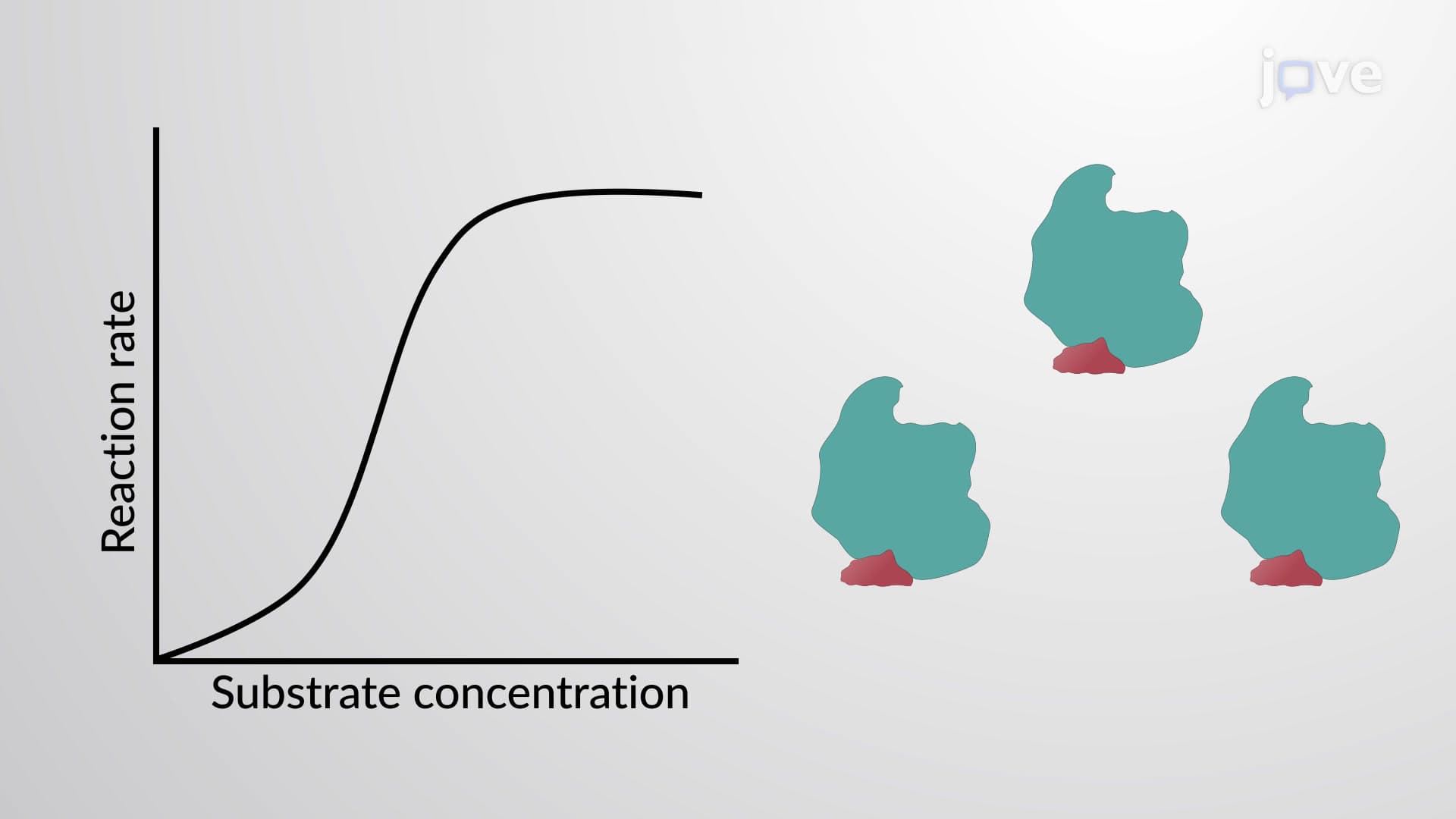
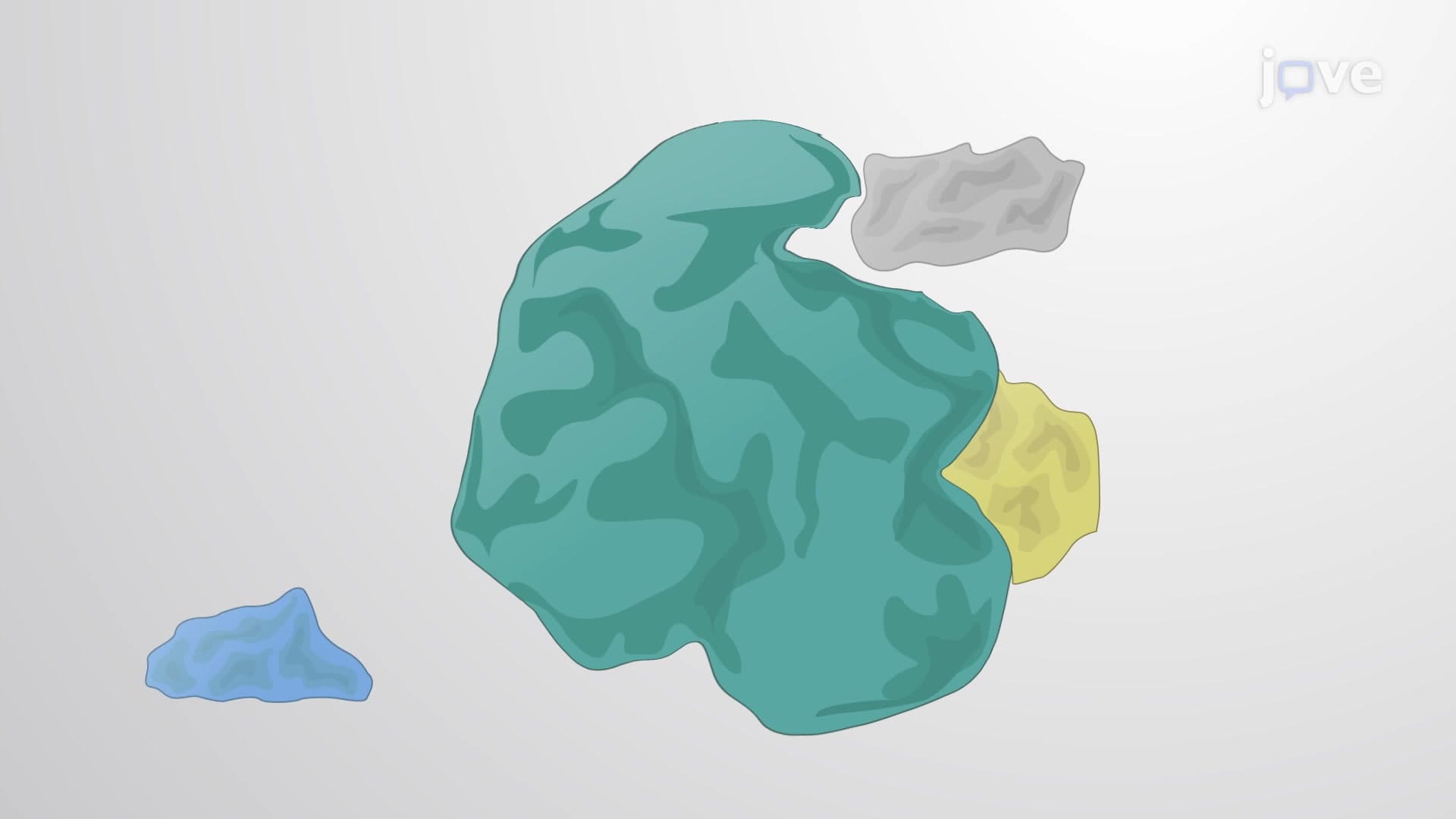
Allosteric proteins atcase exemplifies one of biology's most sophisticated regulatory mechanisms. The term "allosteric" comes from Greek, meaning "other shape," referring to how binding at one site affects activity at a distant site. Aspartate transcarbamoylase (ATCase) serves as the textbook example, demonstrating how cells maintain precise control over nucleotide production-essential for DNA replication and RNA synthesis.
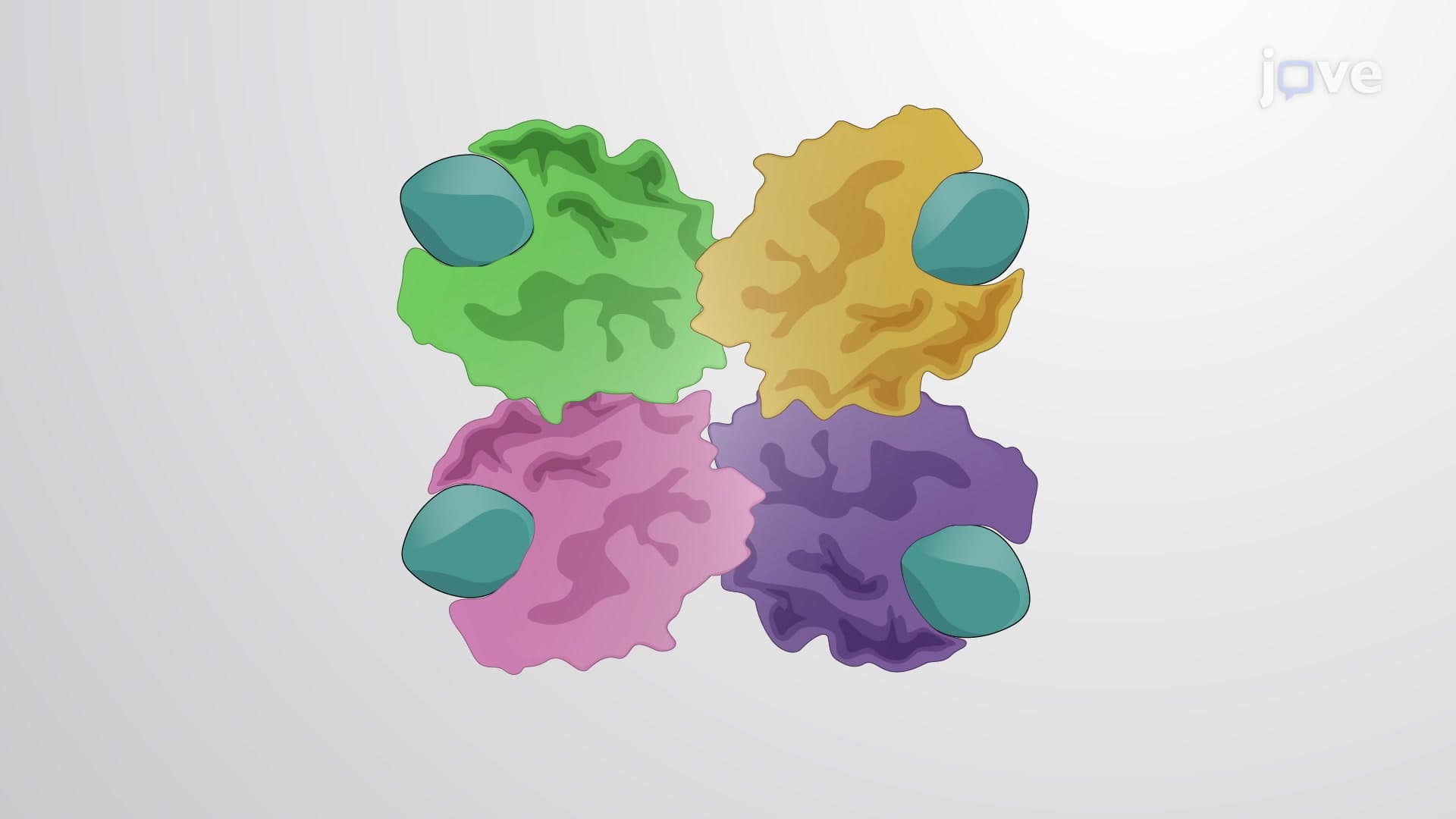
ATCase's structure resembles a sophisticated molecular machine with 12 total subunits. The six catalytic subunits each contain an active site where aspartate and carbamoyl phosphate combine to form carbamoyl aspartate-the first committed step in pyrimidine synthesis. The six regulatory subunits act as molecular sensors, each equipped with binding sites for both purines and pyrimidines. This dual-recognition system allows the enzyme to "read" cellular nucleotide levels and respond accordingly.
Students preparing for the MCAT or AP Biology exams should note that ATCase catalyzes the rate-limiting step in pyrimidine biosynthesis. This makes it an ideal regulatory target-like controlling traffic flow at a bottleneck intersection rather than trying to manage every street simultaneously.
The regulatory mechanism demonstrates elegant biological logic. When ATP (a purine) binds to regulatory subunits, it signals abundant energy and activates ATCase, promoting pyrimidine synthesis to balance nucleotide pools. Conversely, when UTP and CTP (pyrimidines) bind together, they create 95% enzyme inhibition-a classic negative feedback loop preventing pyrimidine overproduction.
This system operates similarly to a home heating system: when temperature drops (low pyrimidines), the furnace activates (ATP binding); when temperature reaches the set point (adequate pyrimidines), the system shuts down (UTP/CTP binding). For college biochemistry courses, this represents a prime example of feedback inhibition and cooperative binding.
Understanding allosteric proteins atcase proves crucial for medical applications. Cancer researchers at institutions like Johns Hopkins and MD Anderson study ATCase because rapidly dividing cancer cells require massive nucleotide synthesis. Some chemotherapy drugs target this pathway, exploiting cancer cells' dependency on efficient pyrimidine production. Additionally, genetic defects in ATCase regulation can lead to serious metabolic disorders, making this knowledge essential for future healthcare professionals preparing for the USMLE.
Related Micro-courses