Loading subject page…


169,800 views

Video Summary: What are Ligand Binding Sites
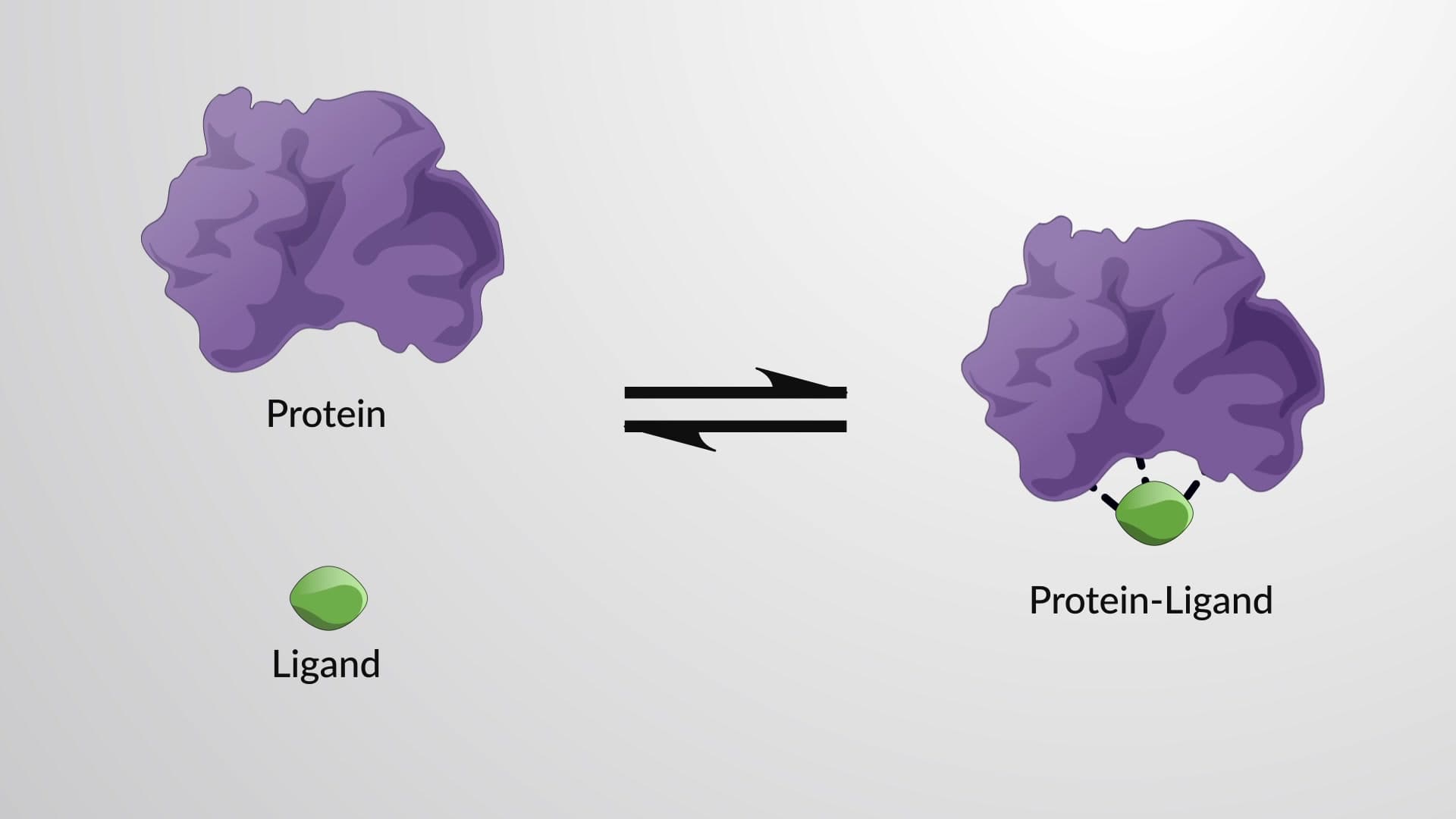
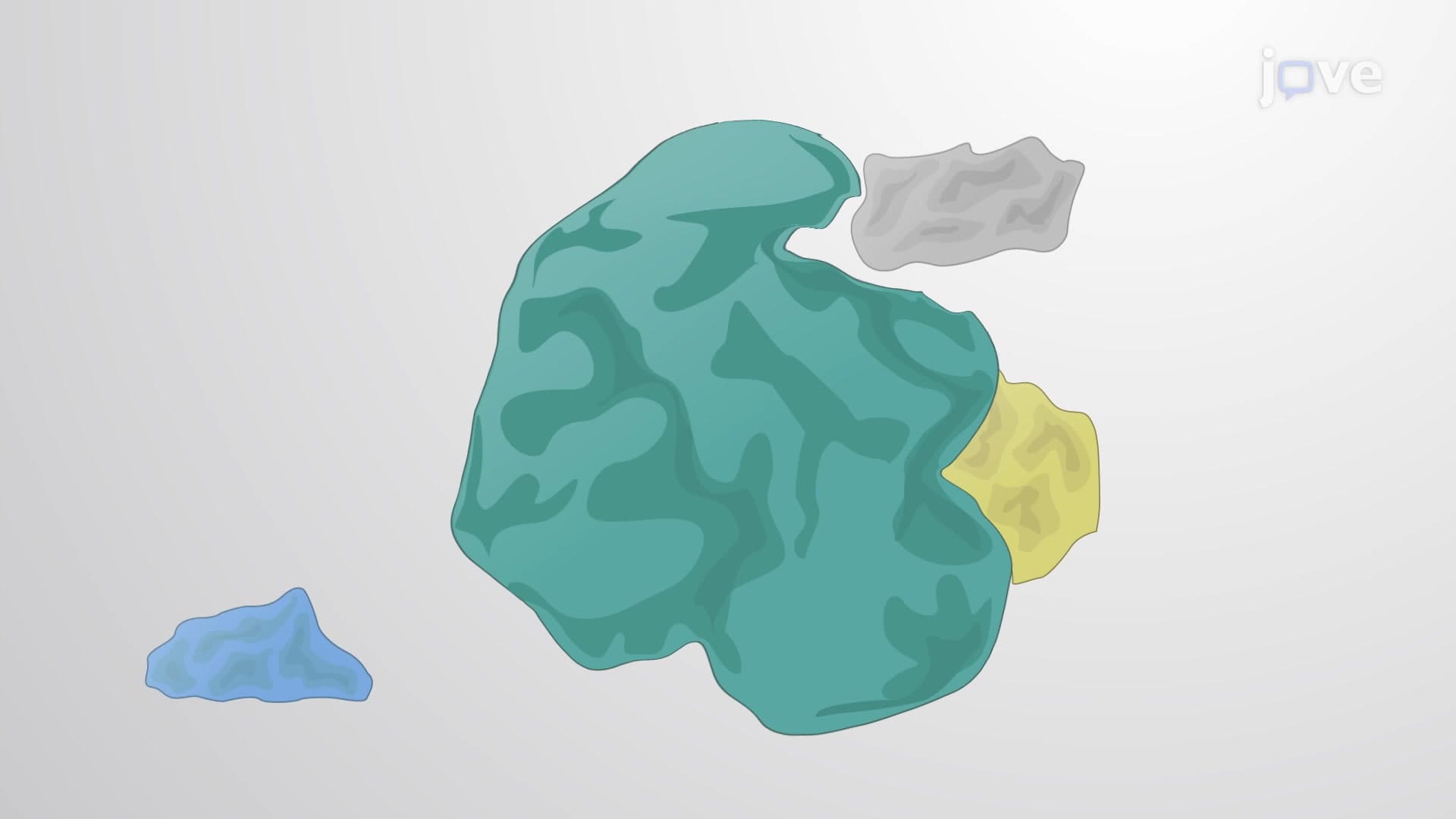
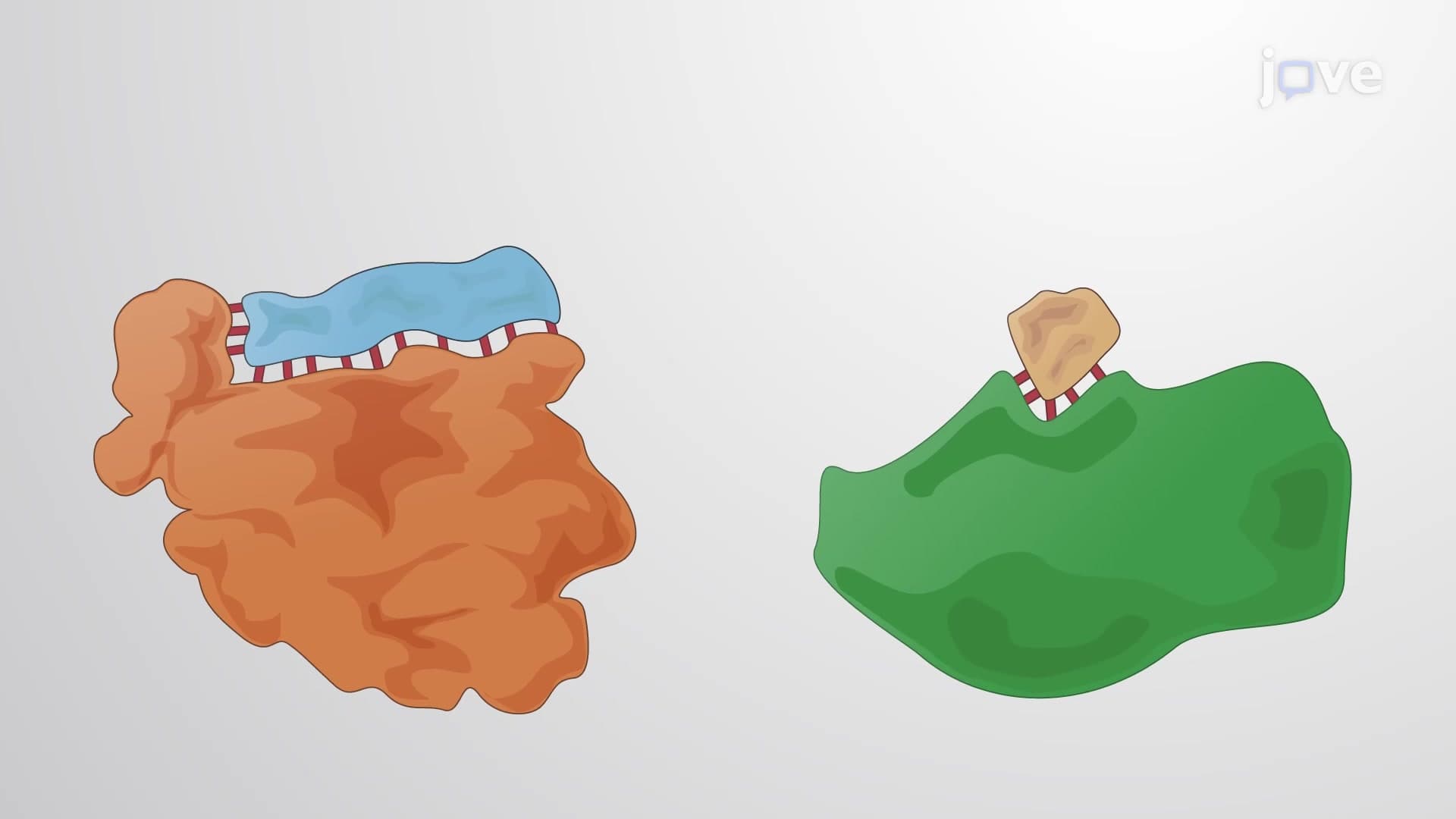
Ever wonder how insulin knows exactly where to bind in your body among millions of other molecules? Ligand binding sites are specialized regions on protein surfaces that ensure this remarkable selectivity through precise amino acid arrangements and complementary shapes. These sites use multiple weak interactions-including Van der Waals forces, hydrogen bonding, and electrostatic attractions-to bind specific ligands while excluding water and other molecules. For example, the insulin receptor's binding site perfectly matches insulin's structure, enabling blood sugar regulation in diabetes patients. Watch the full video on JoVE Coach to master this concept with expert-led visuals and step-by-step explanations.
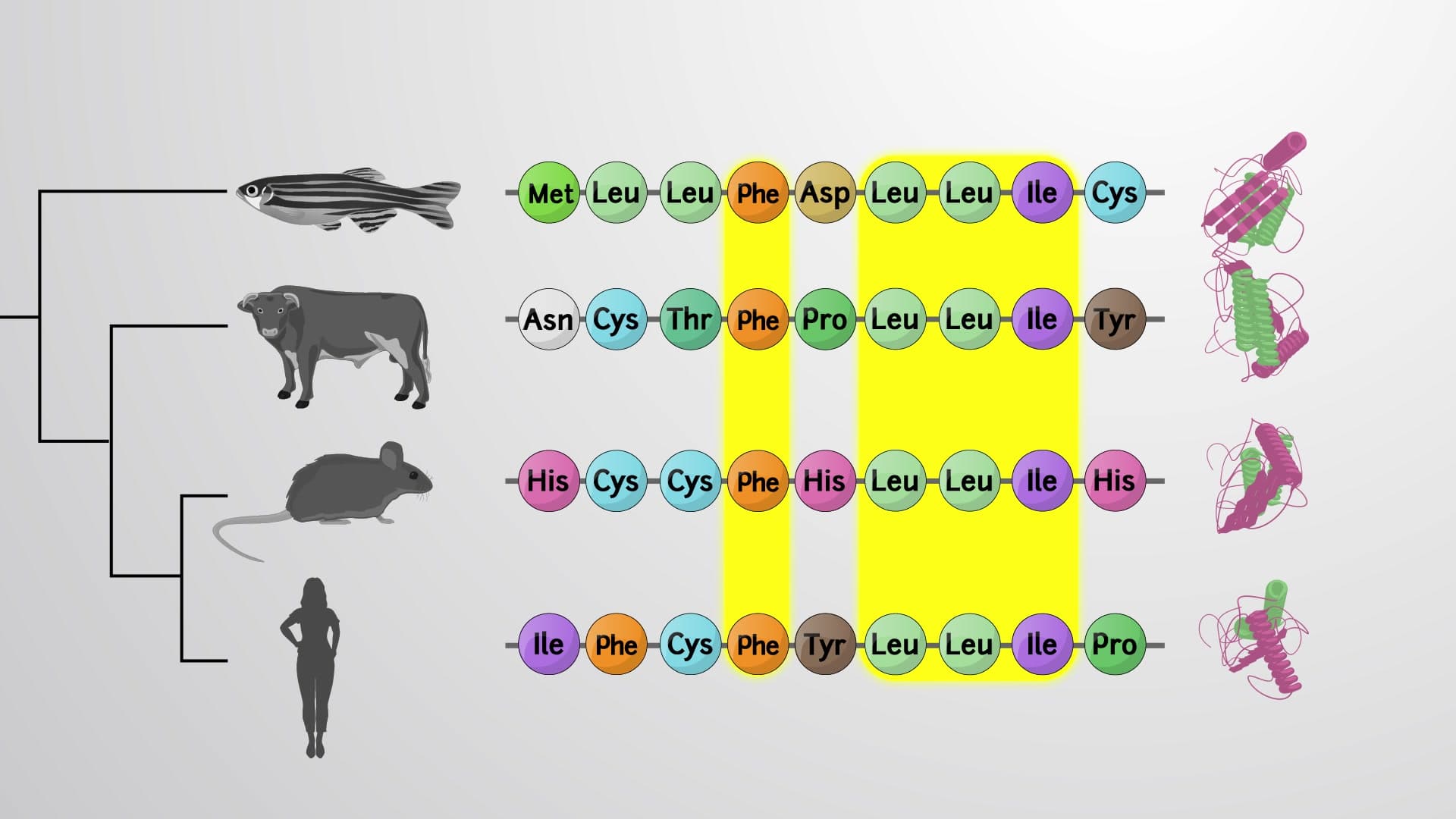
Ligand binding sites represent one of biology's most elegant solutions to molecular recognition. These specialized protein regions demonstrate how evolution has fine-tuned amino acid sequences to create highly specific binding pockets that distinguish between structurally similar molecules in complex biological environments.
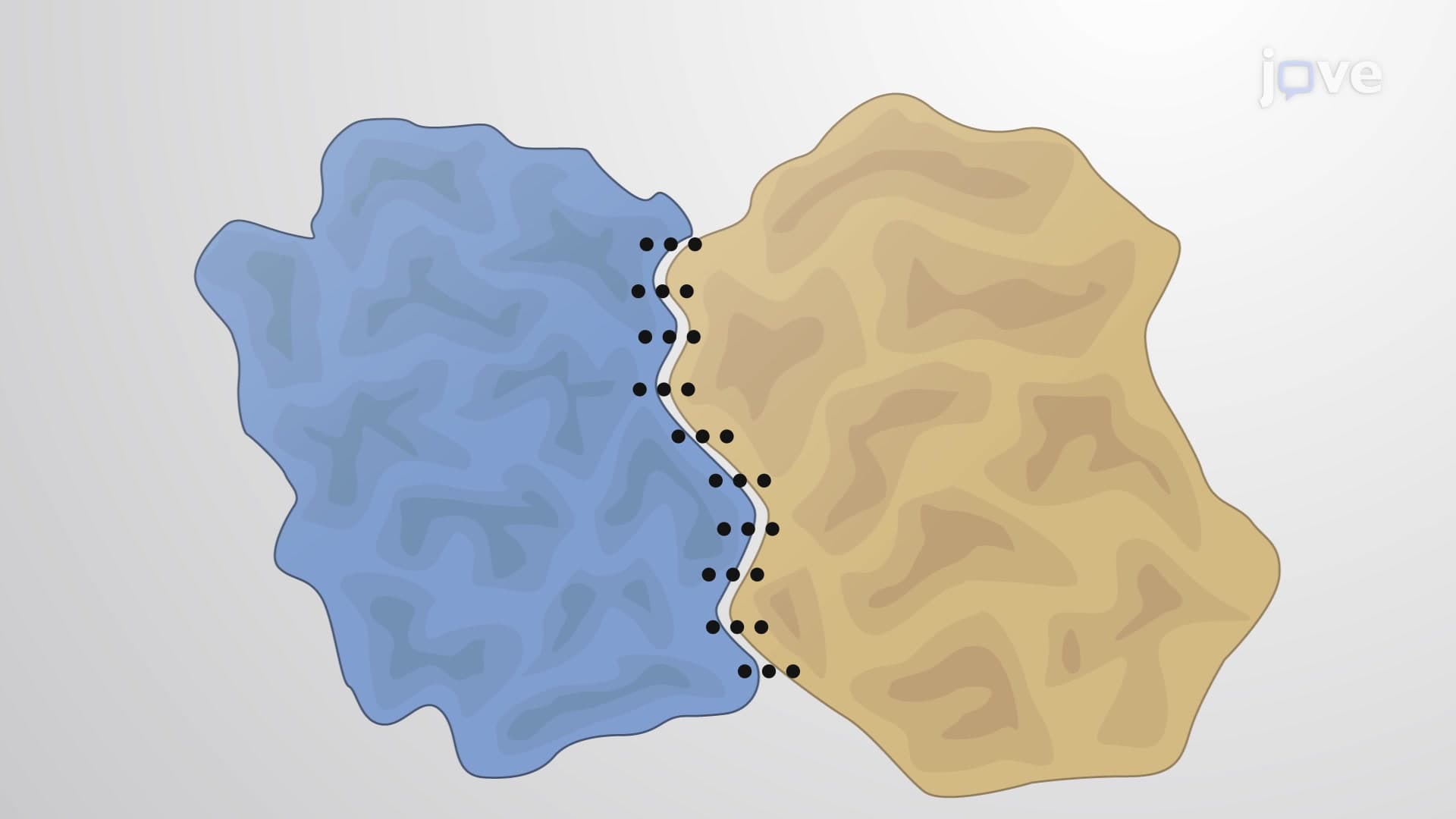
The selectivity of ligand binding sites relies on complementary molecular shapes working in concert with favorable chemical interactions. Unlike simple lock-and-key models, these sites employ multiple weak forces simultaneously. Van der Waals interactions become significant when large surface areas come into contact, making them particularly important for binding larger pharmaceutical compounds like monoclonal antibodies used in cancer treatment.
Hydrogen bonding provides another crucial stabilizing force. Consider acetylcholine binding to nicotinic receptors at neuromuscular junctions-the precise positioning of polar amino acids enables specific hydrogen bonds that wouldn't form with similar neurotransmitters like dopamine. This specificity prevents cross-reactivity that could cause dangerous physiological responses.
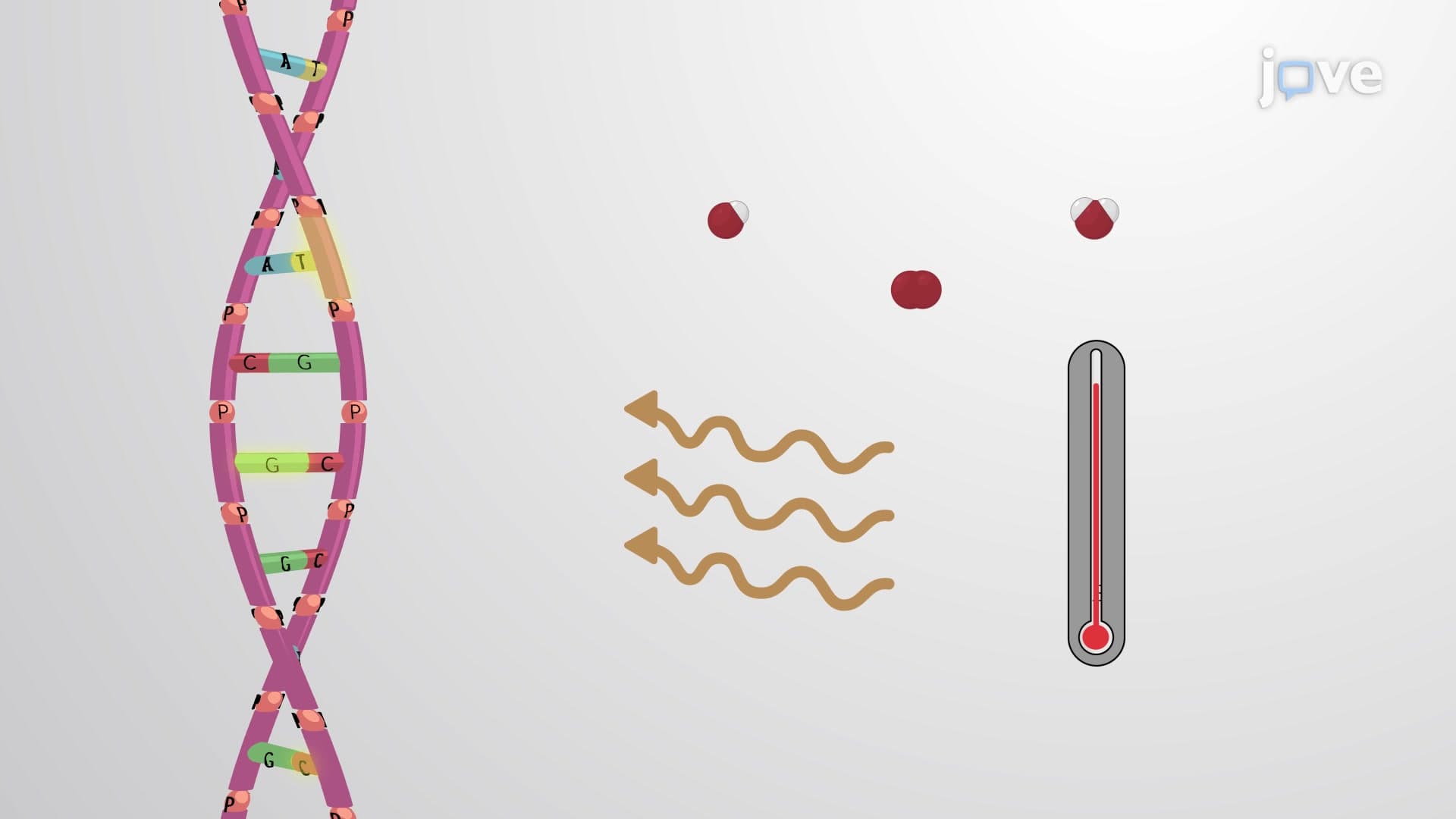
Perhaps most remarkably, effective binding sites must overcome water's natural tendency to form hydrogen bonds. The cavity-like structure of many binding sites creates energetically unfavorable environments for water molecules, which must break their stable hydrogen bond networks to enter. This design principle appears in countless examples, from enzyme active sites to hormone receptors, ensuring that binding specificity isn't compromised by the aqueous cellular environment.
Charged amino acids create electrostatic interactions that dramatically influence binding affinity. The transcript's example of glutamate attracting positively charged ligands reflects real-world scenarios like ACE inhibitors binding to angiotensin-converting enzyme. When genetic mutations alter these charged residues-such as lysine replacing glutamate-drug effectiveness can be completely eliminated, explaining why some patients don't respond to certain medications.
For students preparing for the MCAT or AP Biology exams, understanding these principles helps explain drug design, enzyme kinetics, and genetic diseases. College biochemistry courses frequently test these concepts through protein structure-function relationships and pharmacology applications.
Related Micro-courses