Loading video…


 17 Concepts
 169.8K views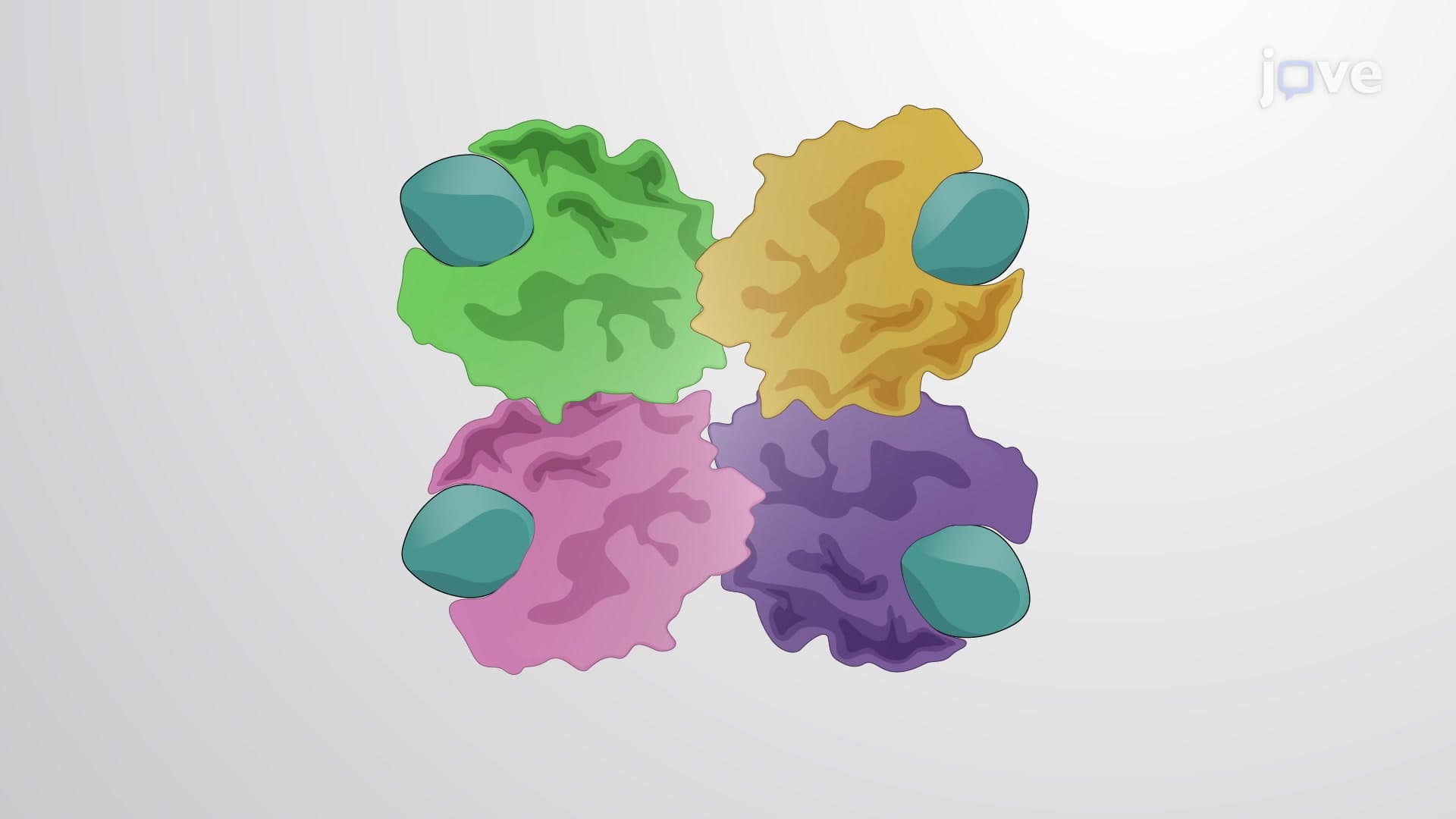

Video Summary: What are Cooperative Allosteric Transitions
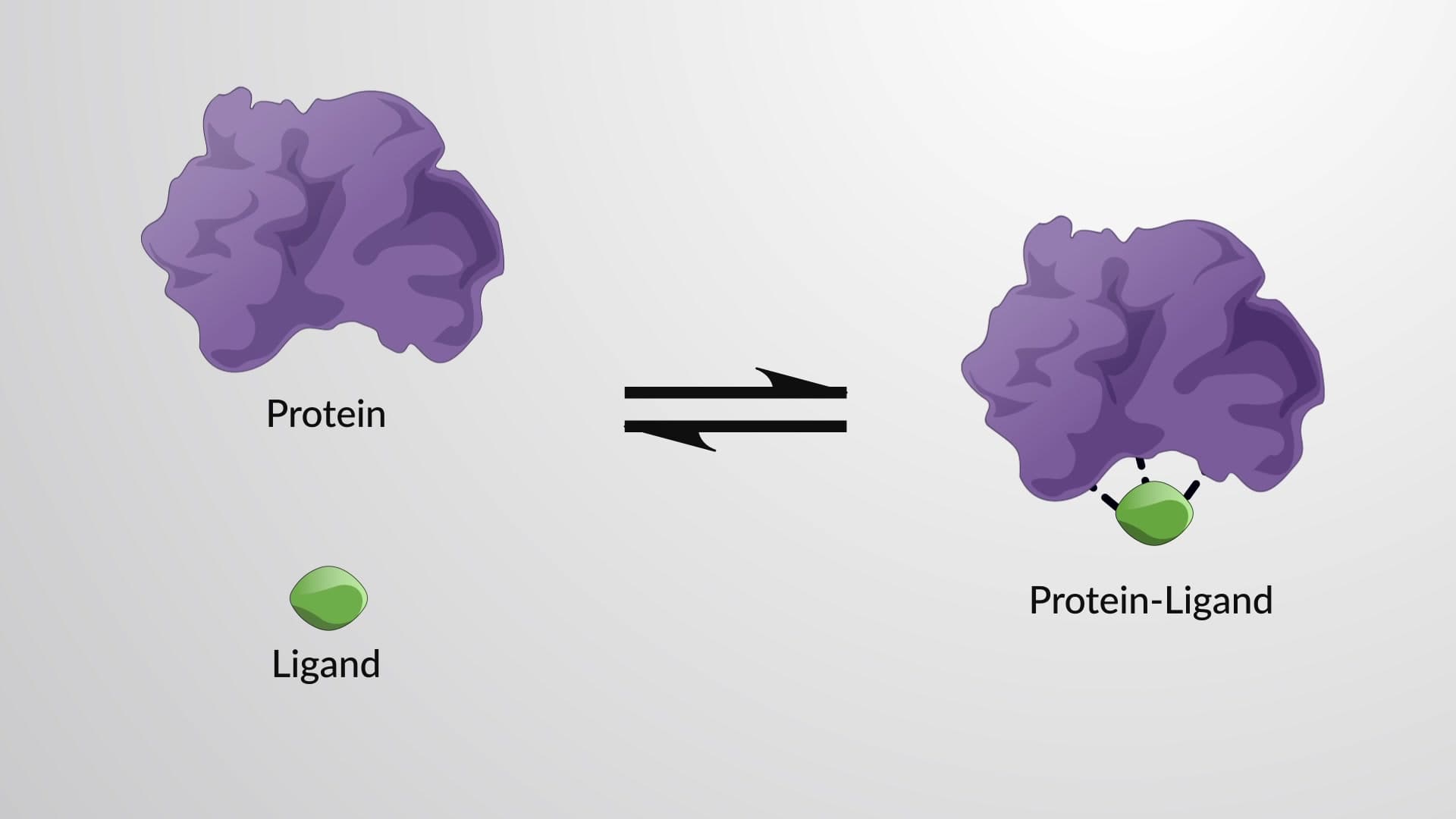
Why does your first breath of oxygen make it easier to absorb the next? Cooperative allosteric transitions occur when ligand binding to one protein subunit enhances binding affinity at other subunits through conformational changes. Hemoglobin, the oxygen-carrying protein in your blood, exemplifies this phenomenon-once one oxygen molecule binds, the remaining three binding sites become more receptive to oxygen. This cooperative mechanism ensures efficient oxygen transport throughout your body. Watch the full video on JoVE Coach to master this concept with expert-led visuals and step-by-step explanations.
Cooperative allosteric transitions represent one of biochemistry's most elegant regulatory mechanisms, allowing proteins to function as sophisticated molecular switches. Unlike simple binding events, these transitions involve communication between distant binding sites through protein conformational changes. This phenomenon is crucial for understanding how cells regulate complex processes like oxygen transport, enzyme activity, and signal transduction.
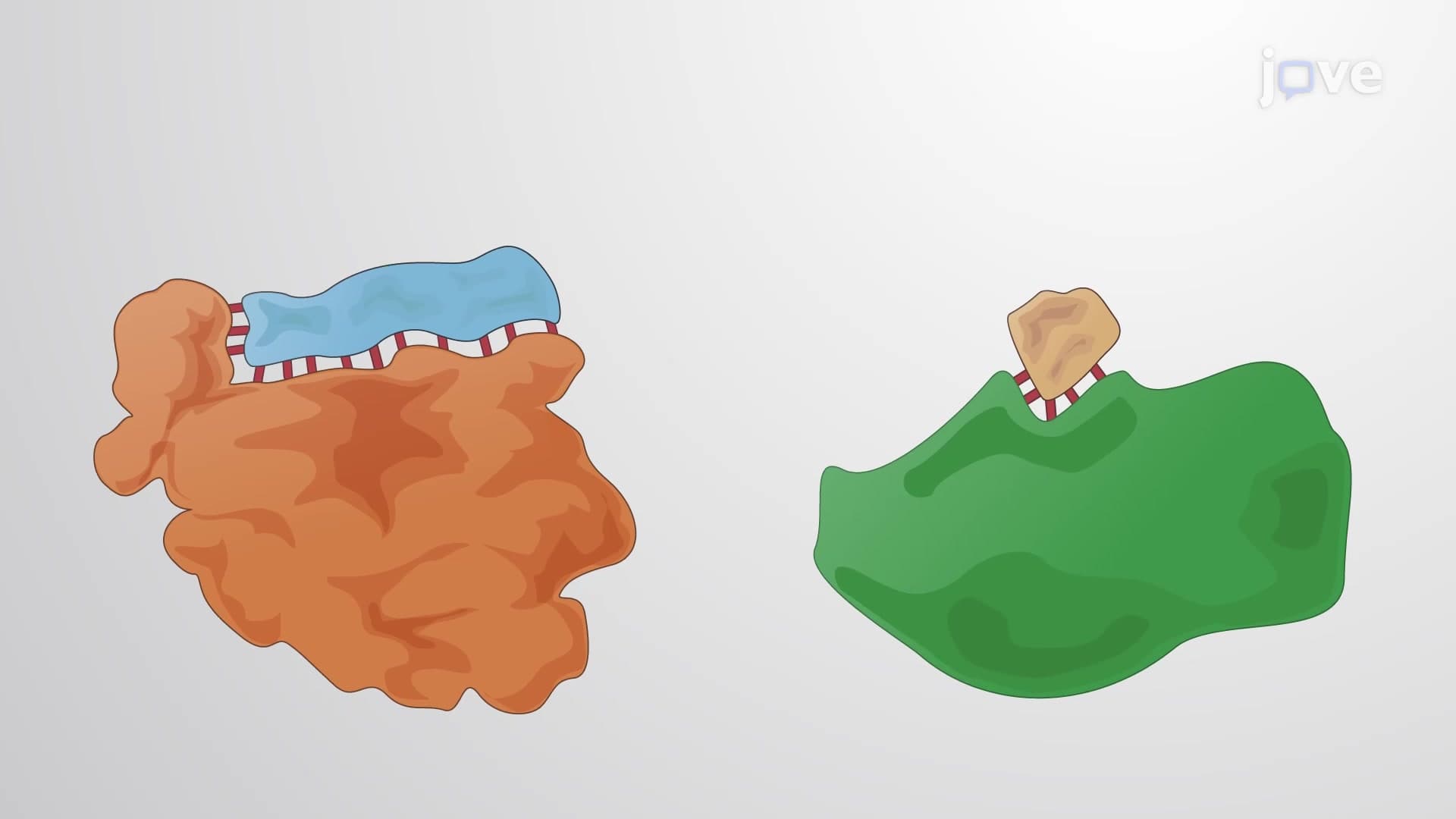
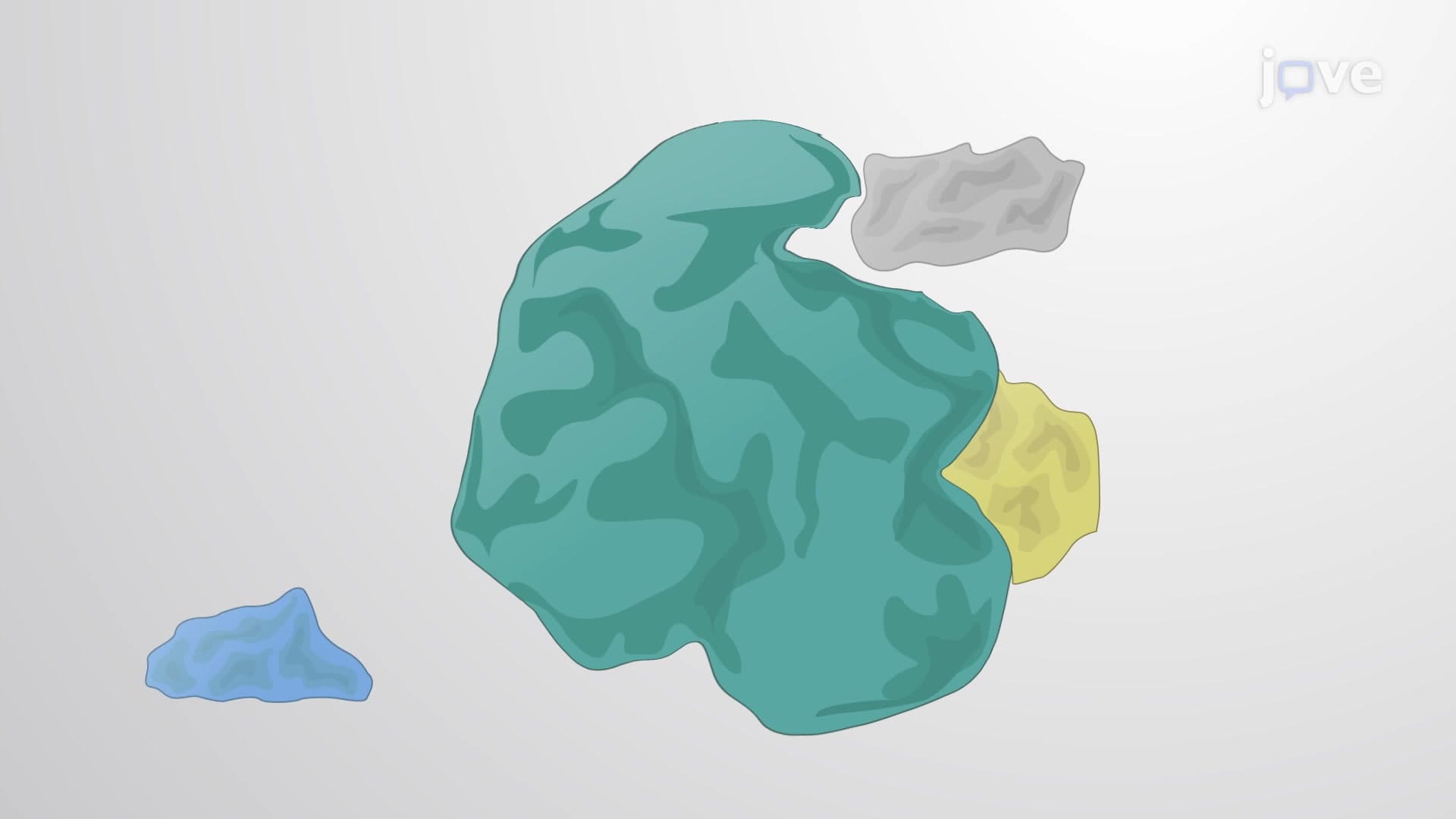
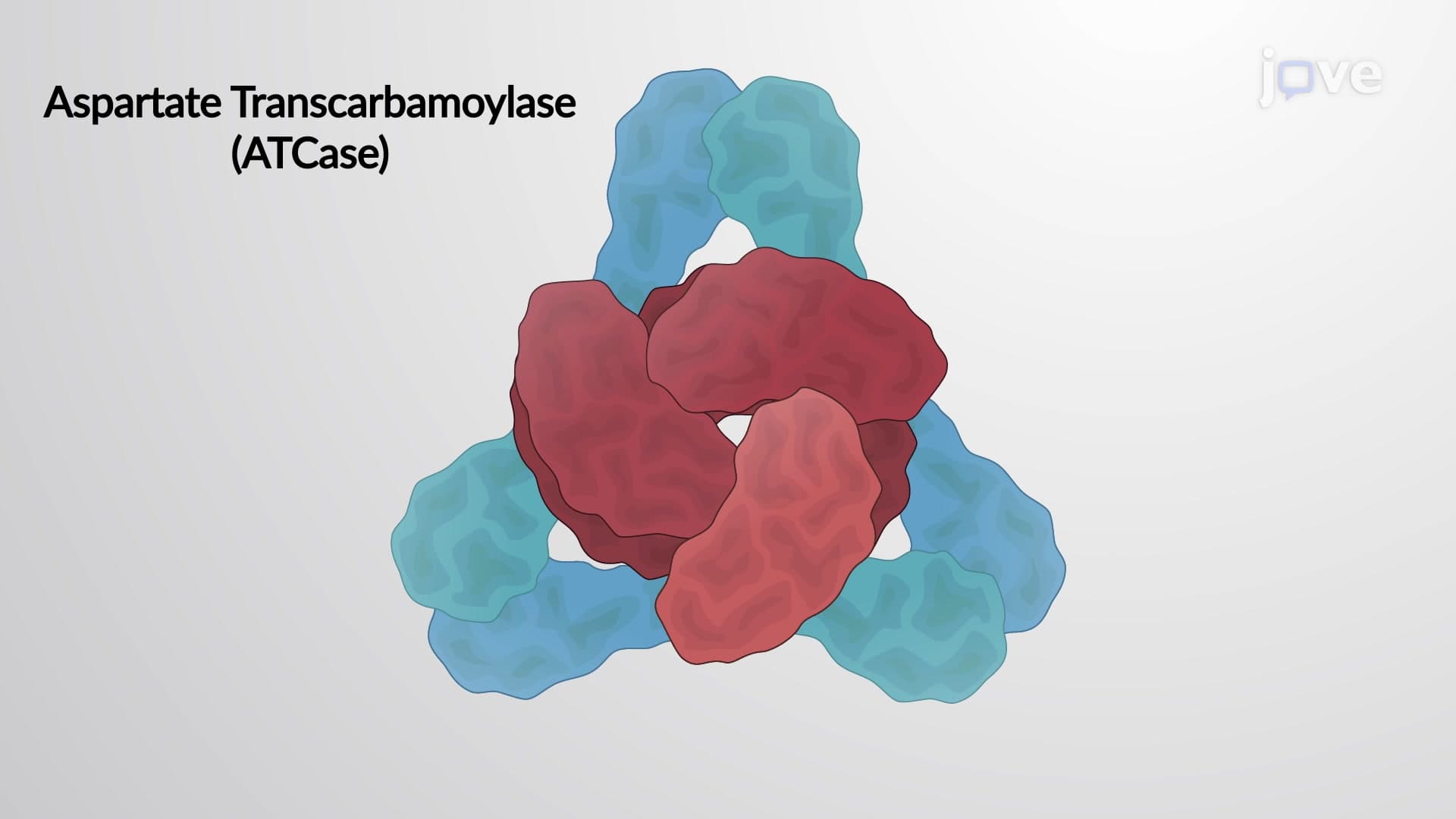
Allosteric proteins typically contain multiple subunits, each housing distinct ligand-binding sites. The protein's architecture includes both rigid structural elements and flexible regions that can adopt different conformations. When a ligand binds to one subunit, it stabilizes specific flexible segments, creating a conformational wave that propagates throughout the protein structure. This structural communication changes the shape and binding affinity of distant sites, enabling cooperative behavior.
The key insight is that these proteins exist in dynamic equilibrium between different conformational states. The binding of modulators shifts this equilibrium, favoring conformations that either enhance (positive cooperativity) or reduce (negative cooperativity) subsequent ligand binding.
Two primary theoretical frameworks explain cooperative allosteric transitions. The concerted model (Monod-Wyman-Changeux model) proposes that all subunits switch simultaneously between "off" and "on" conformations. In this all-or-none mechanism, ligand binding to any subunit promotes the entire protein's transition to the high-affinity state.
Conversely, the sequential model (Koshland-Nemethy-Filmer model) suggests that subunits change conformation individually upon ligand binding, but these changes influence neighboring subunits' likelihood of adopting high-affinity states. This model allows for intermediate conformational states and more gradual transitions.
Hemoglobin perfectly demonstrates cooperative allosteric transitions in action. This tetrameric protein undergoes a dramatic conformational change from the tense (T) state to the relaxed (R) state upon oxygen binding. The first oxygen molecule binds with relatively low affinity to the T-state hemoglobin. However, this binding event triggers the T-to-R transition, significantly increasing the remaining sites' oxygen affinity.
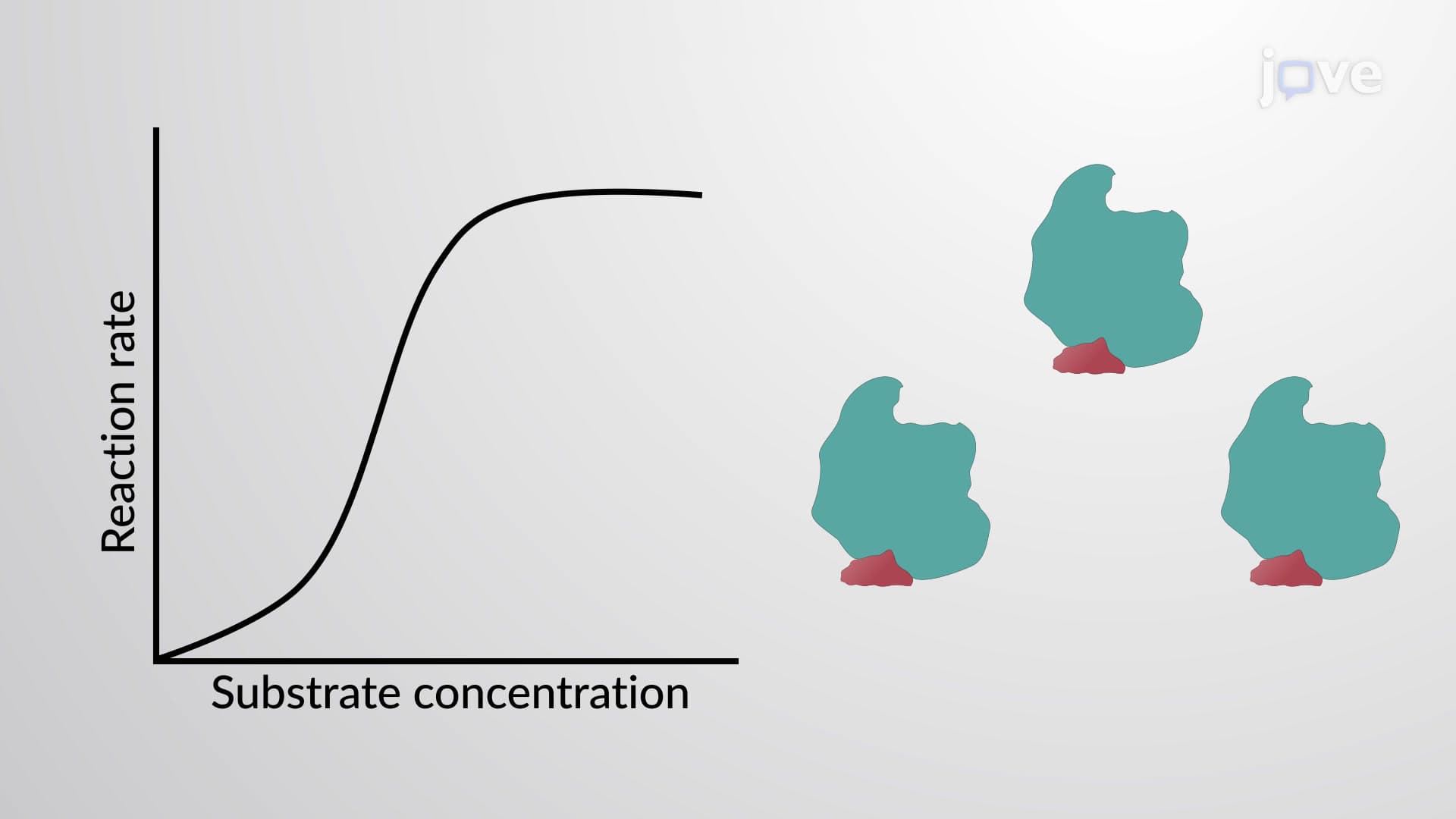
This cooperativity is physiologically essential. In the lungs, where oxygen concentration is high, hemoglobin readily saturates with oxygen. In tissues with lower oxygen concentrations, hemoglobin releases oxygen efficiently. Students preparing for the MCAT or AP Biology exams should understand that this sigmoidal binding curve distinguishes cooperative proteins from simple, non-cooperative binding systems.
For college biochemistry courses, understanding cooperative allosteric transitions provides insight into drug design, enzyme regulation, and metabolic control mechanisms that govern cellular function.
Related Micro-courses