Loading video…


 17 Concepts
 169.8K views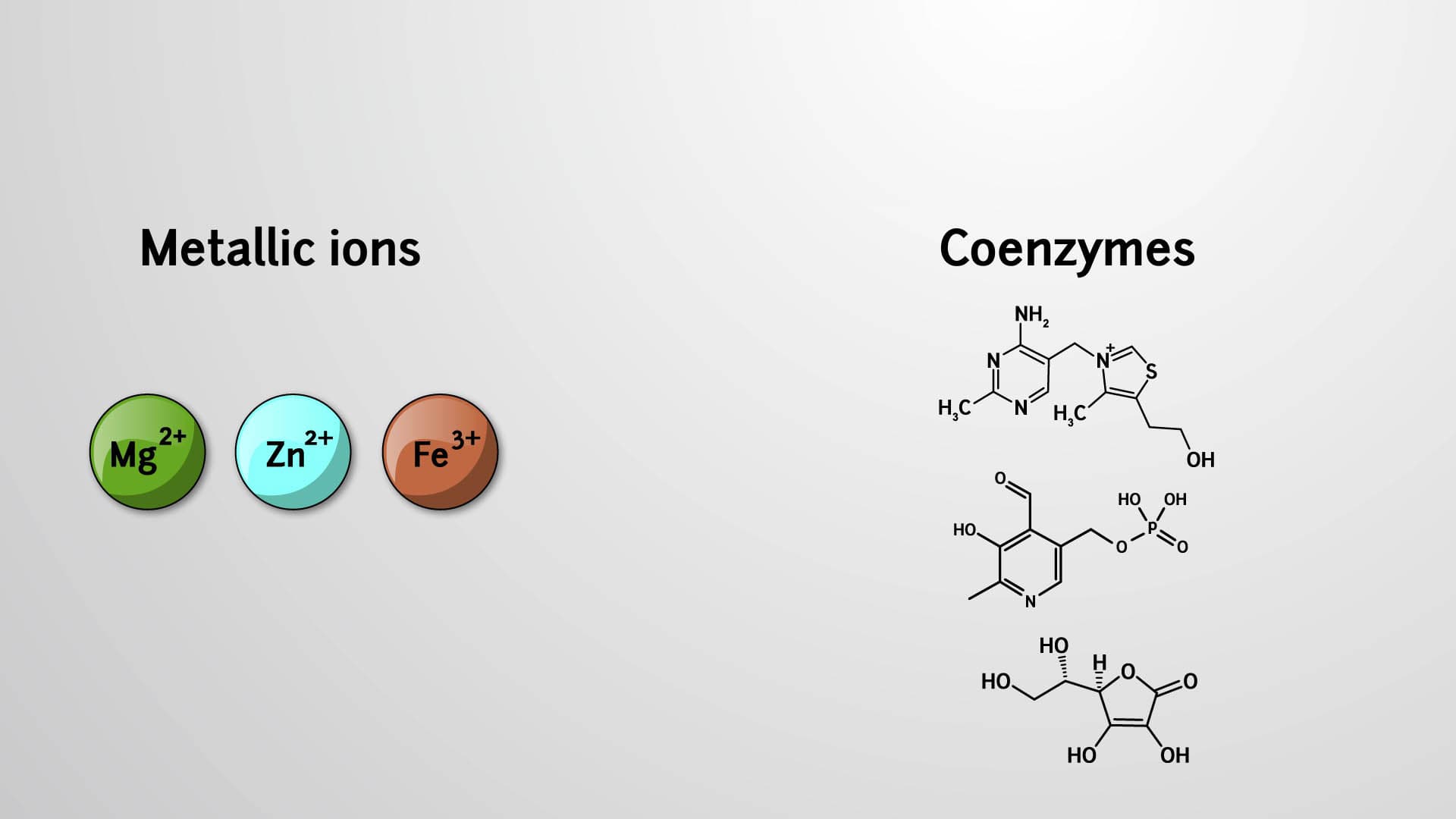

Video Summary: What are Cofactors and Coenzymes
Did you know that enzymes in your body often need molecular "helpers" to function properly? Cofactors coenzymes are essential non-protein molecules that work alongside enzymes to catalyze the thousands of biochemical reactions keeping you alive. For instance, the enzyme that helps break down alcohol in your liver requires zinc ions to function effectively. Understanding what are cofactors and coenzymes reveals how vitamins like B12 and riboflavin become the organic coenzymes that power cellular energy production. Watch the full video on JoVE Coach to master this concept with expert-led visuals and step-by-step explanations.
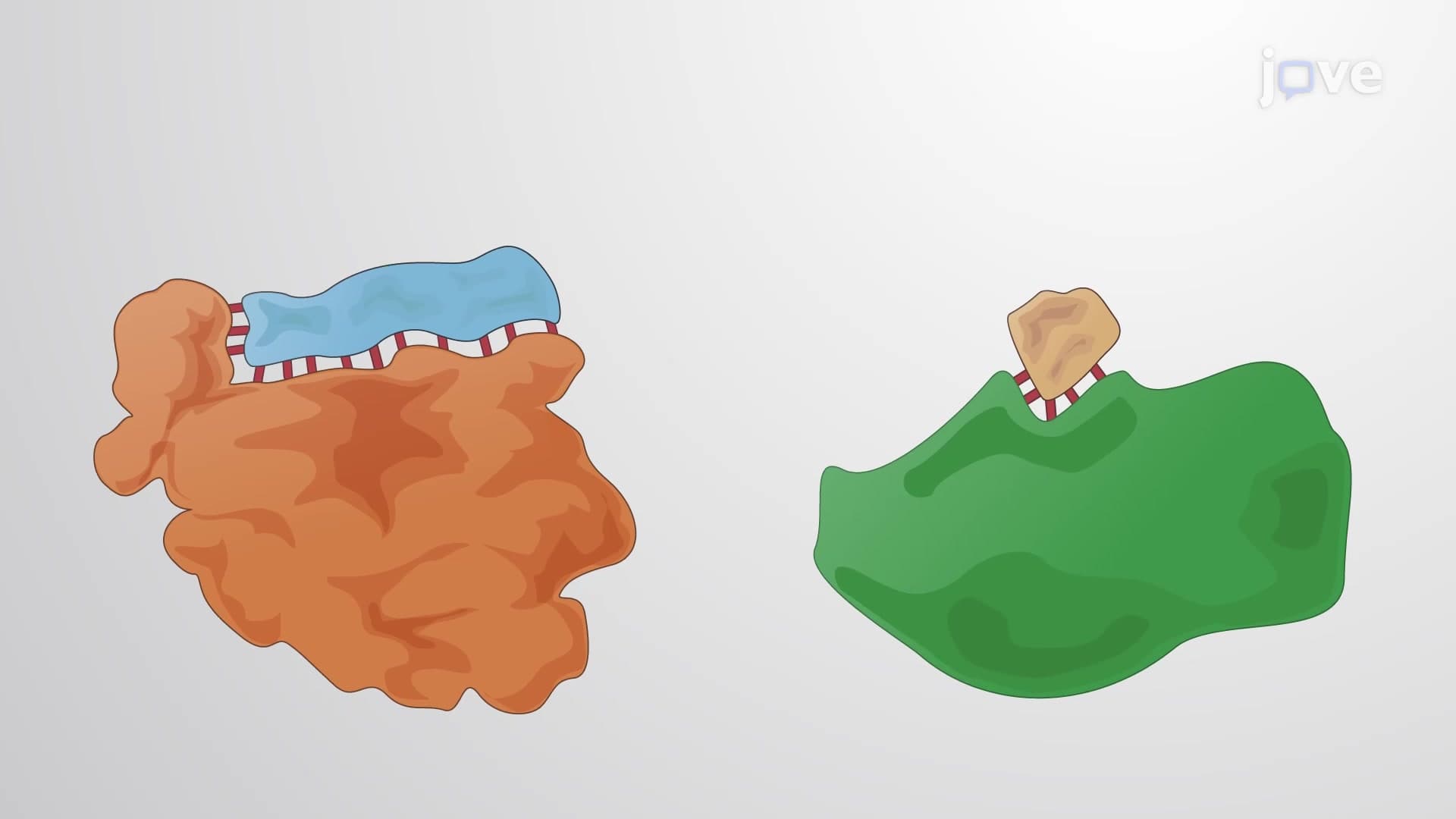
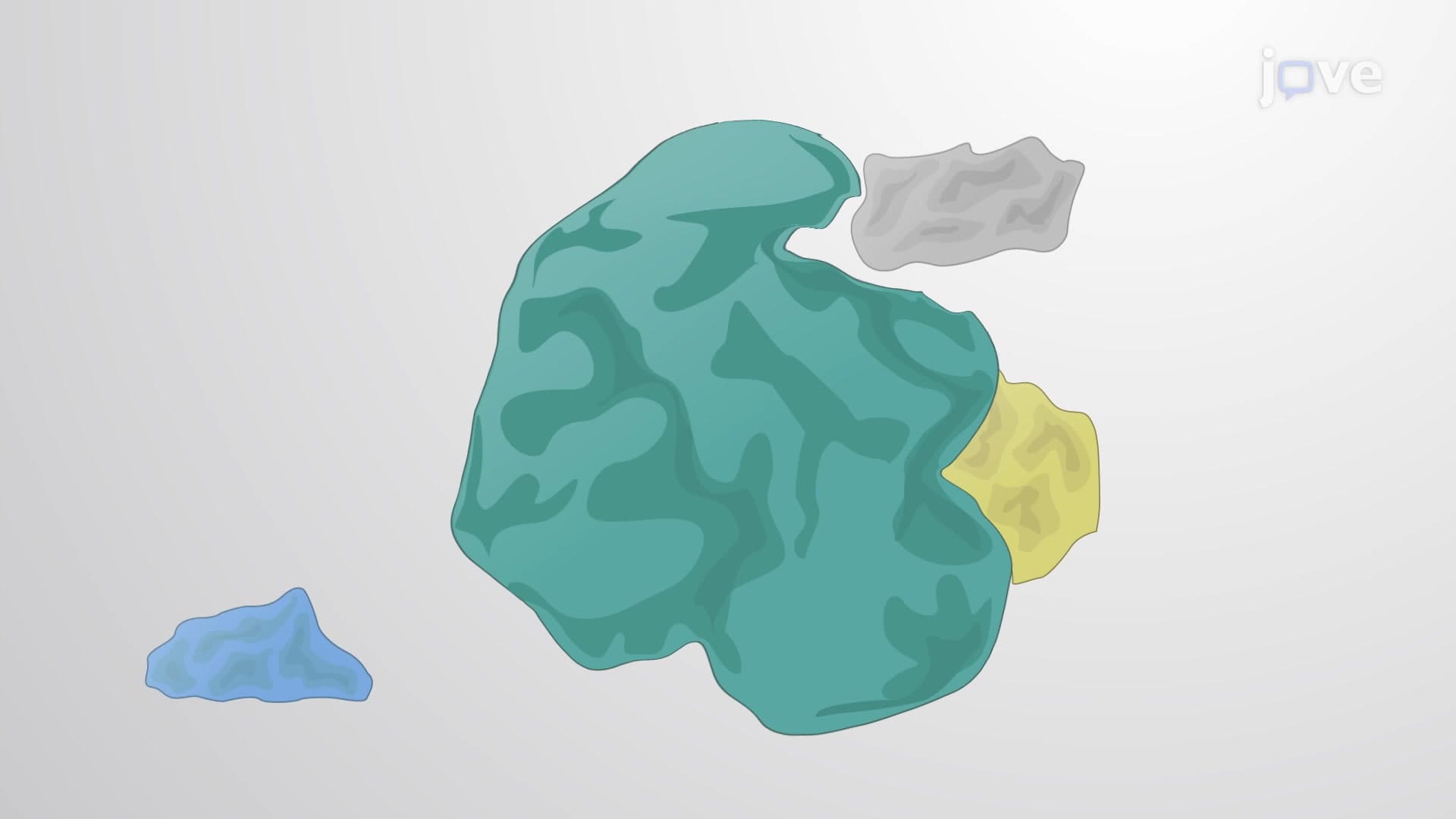
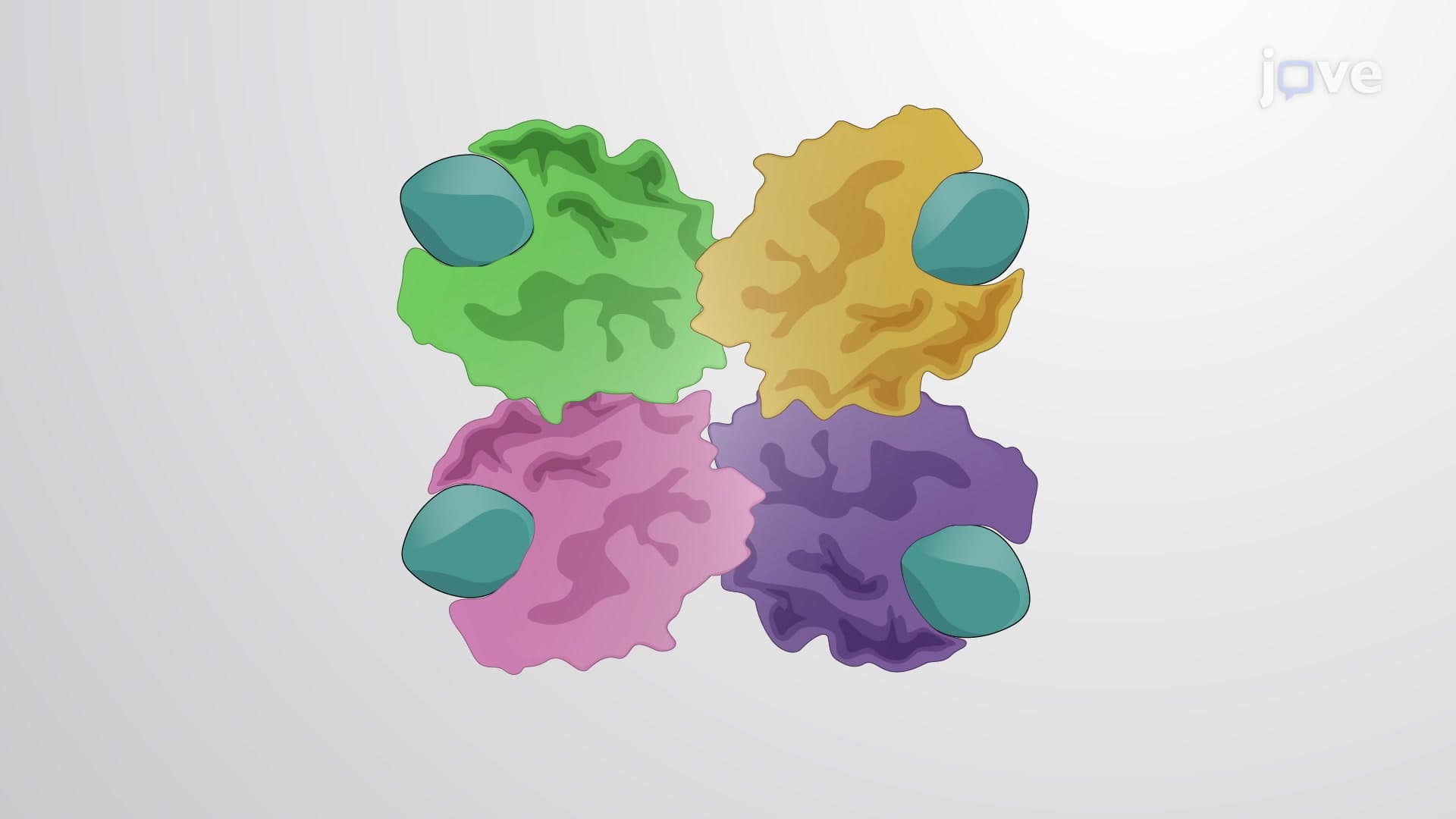
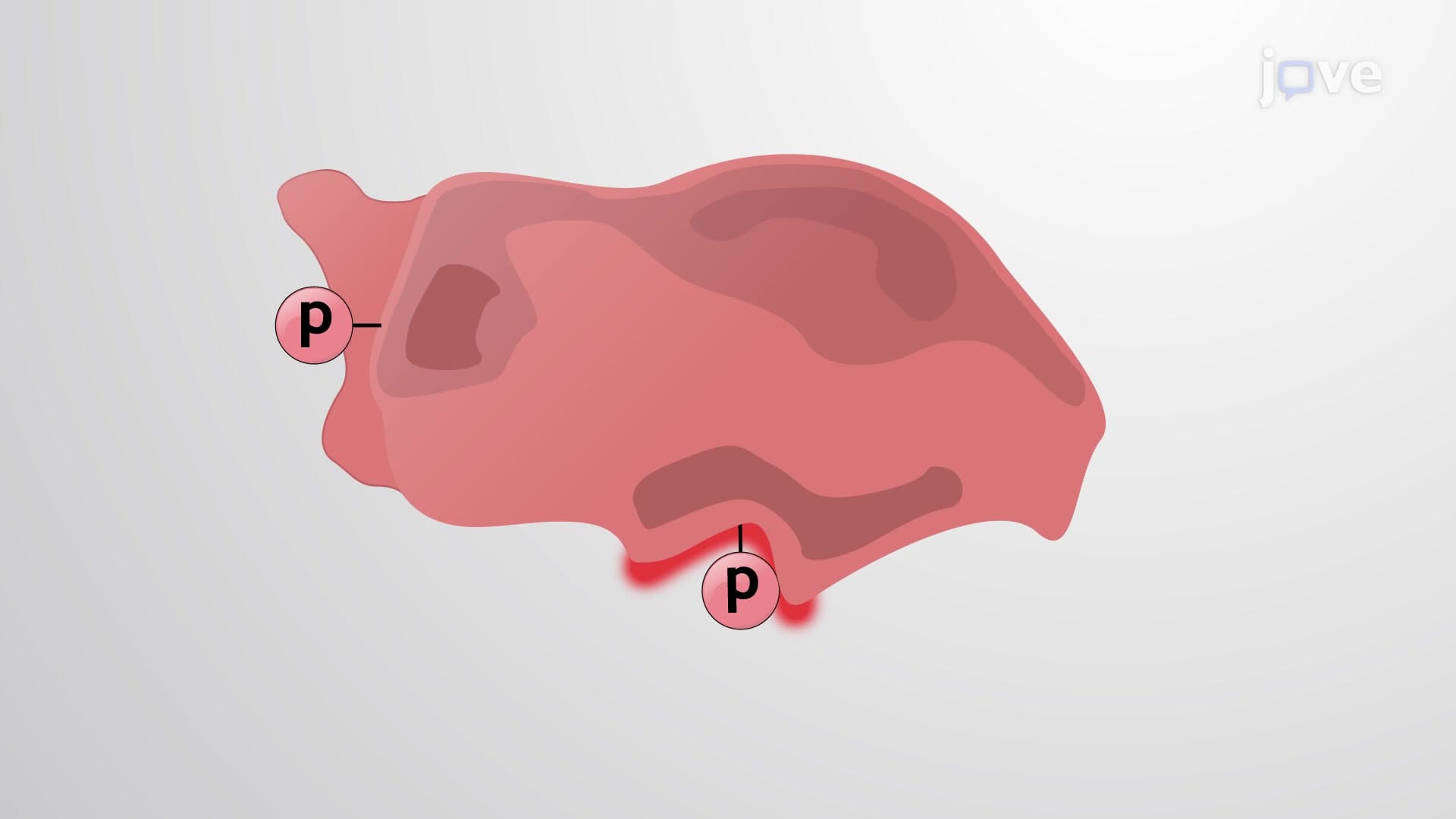
What are cofactors and coenzymes represents a fundamental concept in biochemistry that explains how enzymes achieve their remarkable catalytic diversity. While enzymes are primarily protein structures, their amino acid side chains have limited chemical functionality. This is where cofactors and coenzymes become indispensable-they provide the additional chemical groups and properties needed for complex biochemical transformations.
Cofactors are typically metal ions that serve crucial roles in enzyme function. Magnesium ions (Mg²⁺) are essential for DNA polymerase during replication, while zinc ions (Zn²⁺) are required by carbonic anhydrase, the enzyme that helps maintain blood pH balance. Iron ions (Fe²⁺/Fe³⁺) participate in cytochrome c oxidase, the final enzyme in cellular respiration. These metal cofactors often stabilize negative charges, participate in electron transfer, or provide binding sites for substrates.
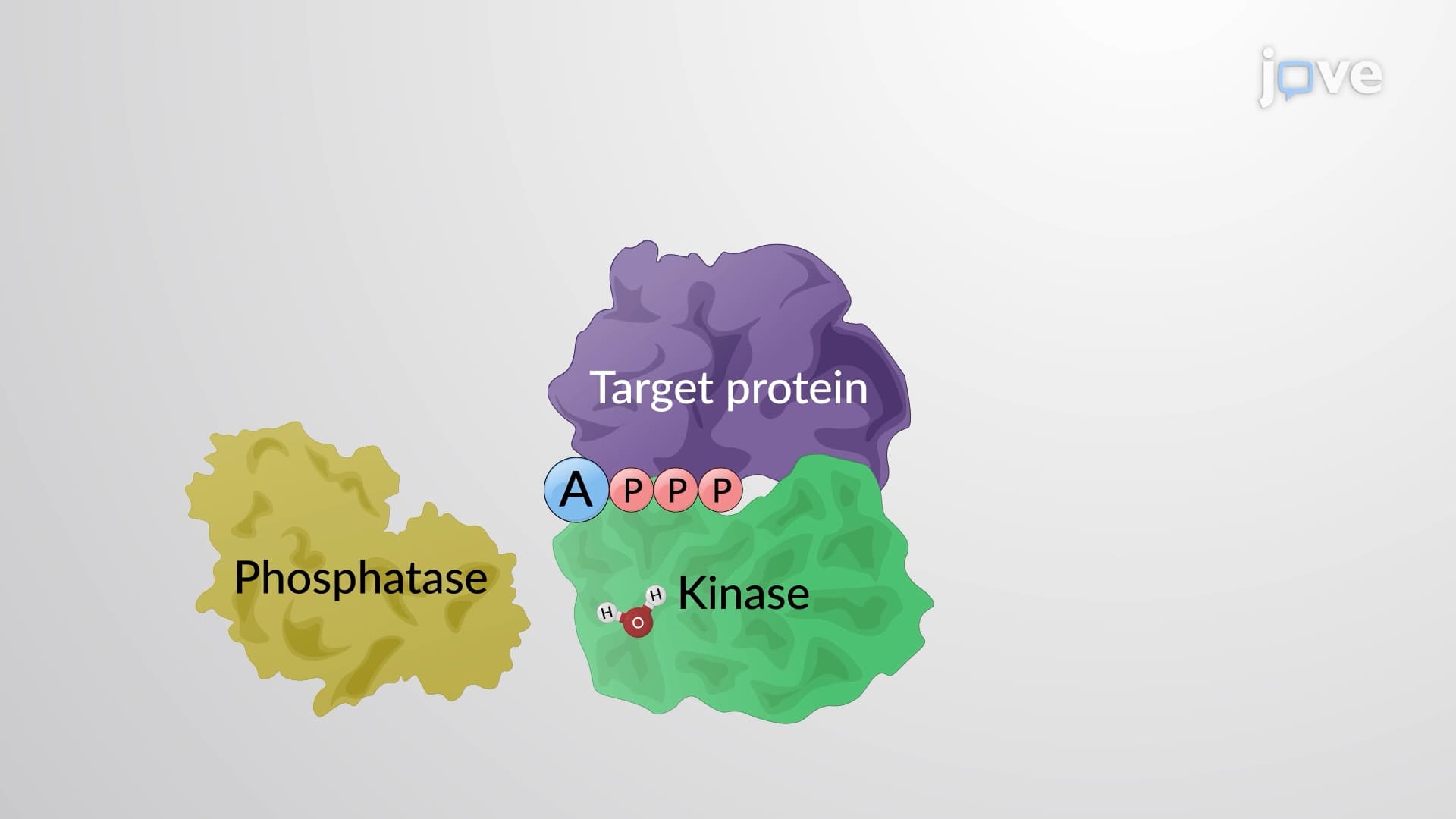
Coenzymes are organic molecules, many derived from B vitamins, that temporarily associate with enzymes during catalysis. NAD⁺ (from niacin/vitamin B3) and FAD (from riboflavin/vitamin B2) are crucial for cellular respiration and energy production. Coenzyme A (from pantothenic acid/vitamin B5) is essential for fatty acid metabolism. Unlike cofactors, coenzymes often undergo chemical changes during reactions and must be regenerated.
Understanding cofactors and coenzymes is vital for AP Biology, college biochemistry courses, and pre-med preparation. These concepts frequently appear on the MCAT, particularly in metabolism and enzyme kinetics questions. Clinically, deficiencies in cofactor-related vitamins cause serious diseases: thiamine (B1) deficiency leads to beriberi, while B12 deficiency causes pernicious anemia. Pharmaceutical companies design drugs that either mimic coenzymes or block cofactor binding sites to treat diseases like cancer and metabolic disorders.
This knowledge also applies to understanding how dietary supplements work and why balanced nutrition is biochemically necessary for optimal enzyme function throughout the body.
Related Micro-courses