Loading video…


 17 Concepts
 169.8K views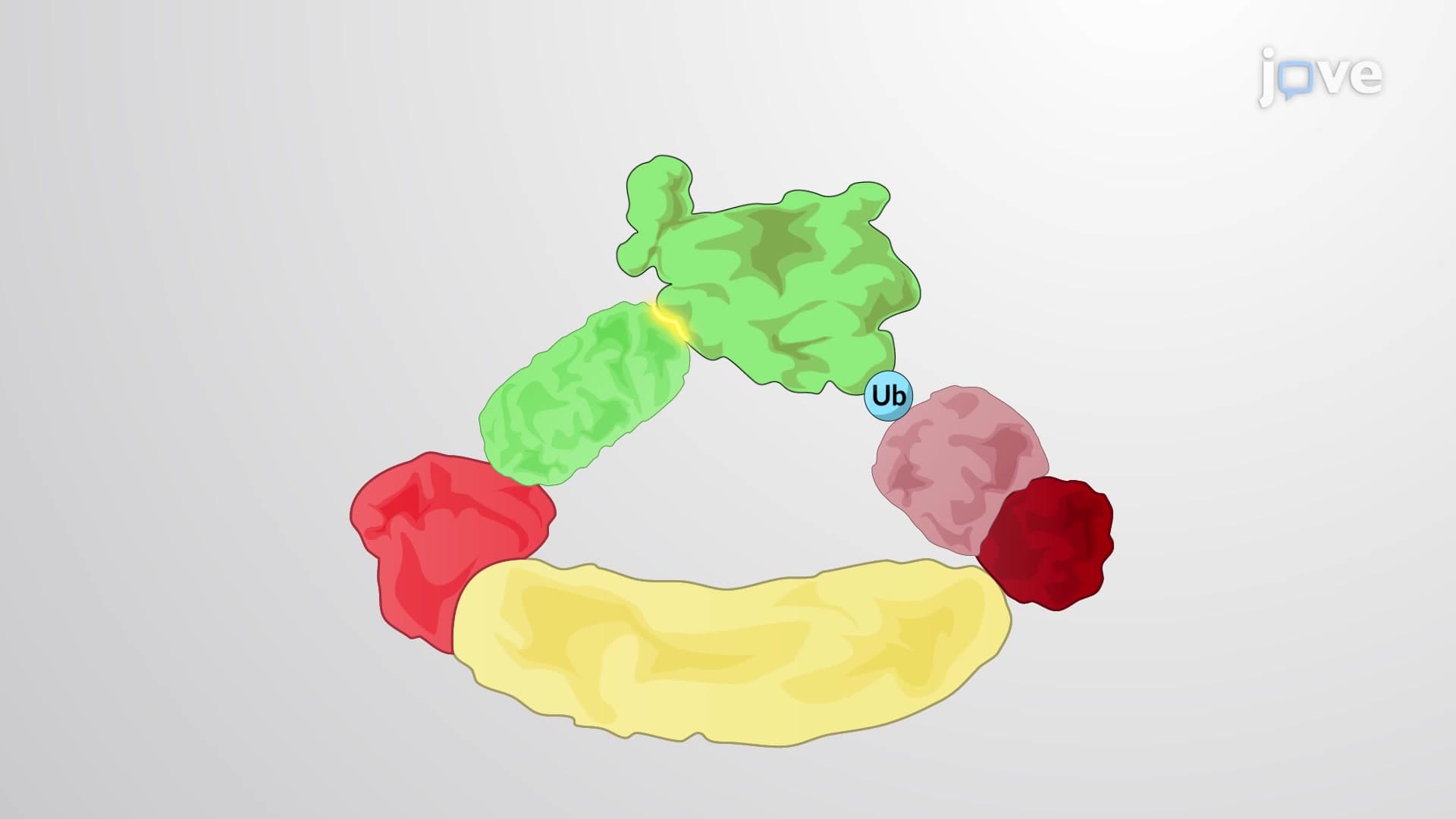

Video Summary: What Is Protein Complexes
Ever wondered how your cells know exactly which proteins to destroy and when? Protein complexes are sophisticated molecular machines made of multiple proteins working together, like the SCF ubiquitin ligase that tags unwanted proteins for destruction in human cells. These complexes use interchangeable parts-similar to how you might swap different attachments on a power drill for different jobs. For instance, baker's yeast uses 11 different variants of one component to target everything from cell cycle regulators to metabolic enzymes. Watch the full video on JoVE Coach to master this concept with expert-led visuals and step-by-step explanations.
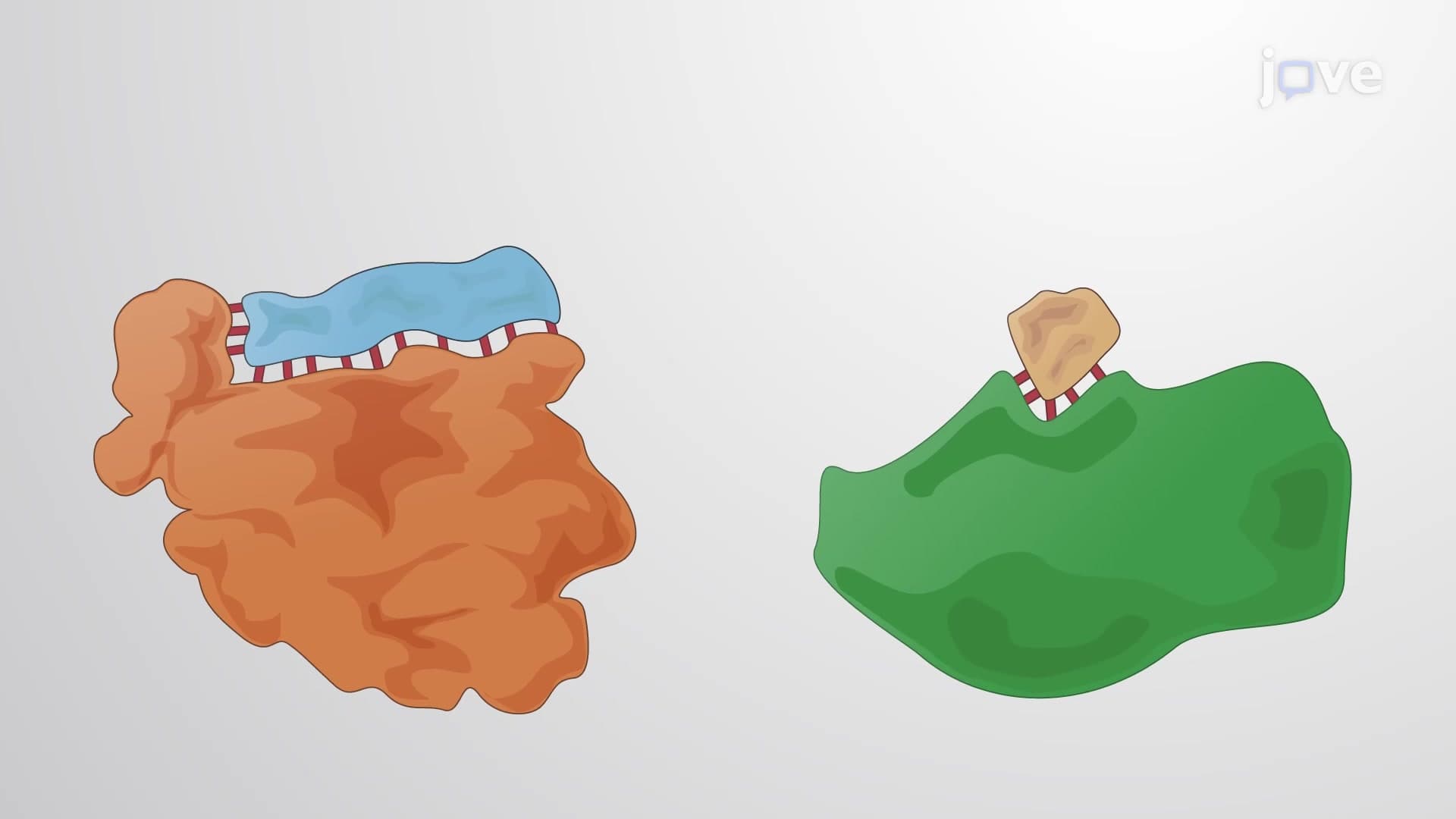
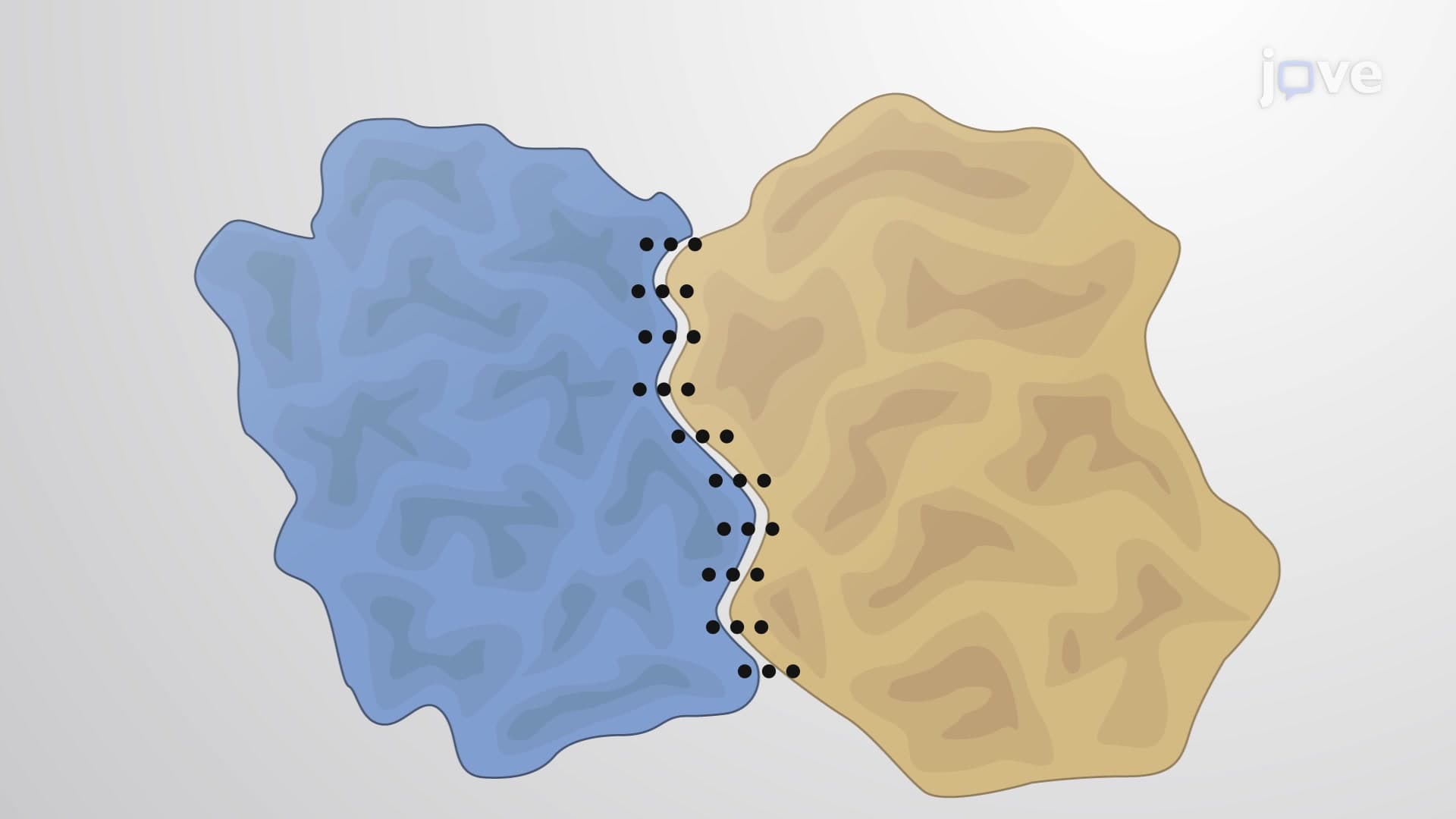
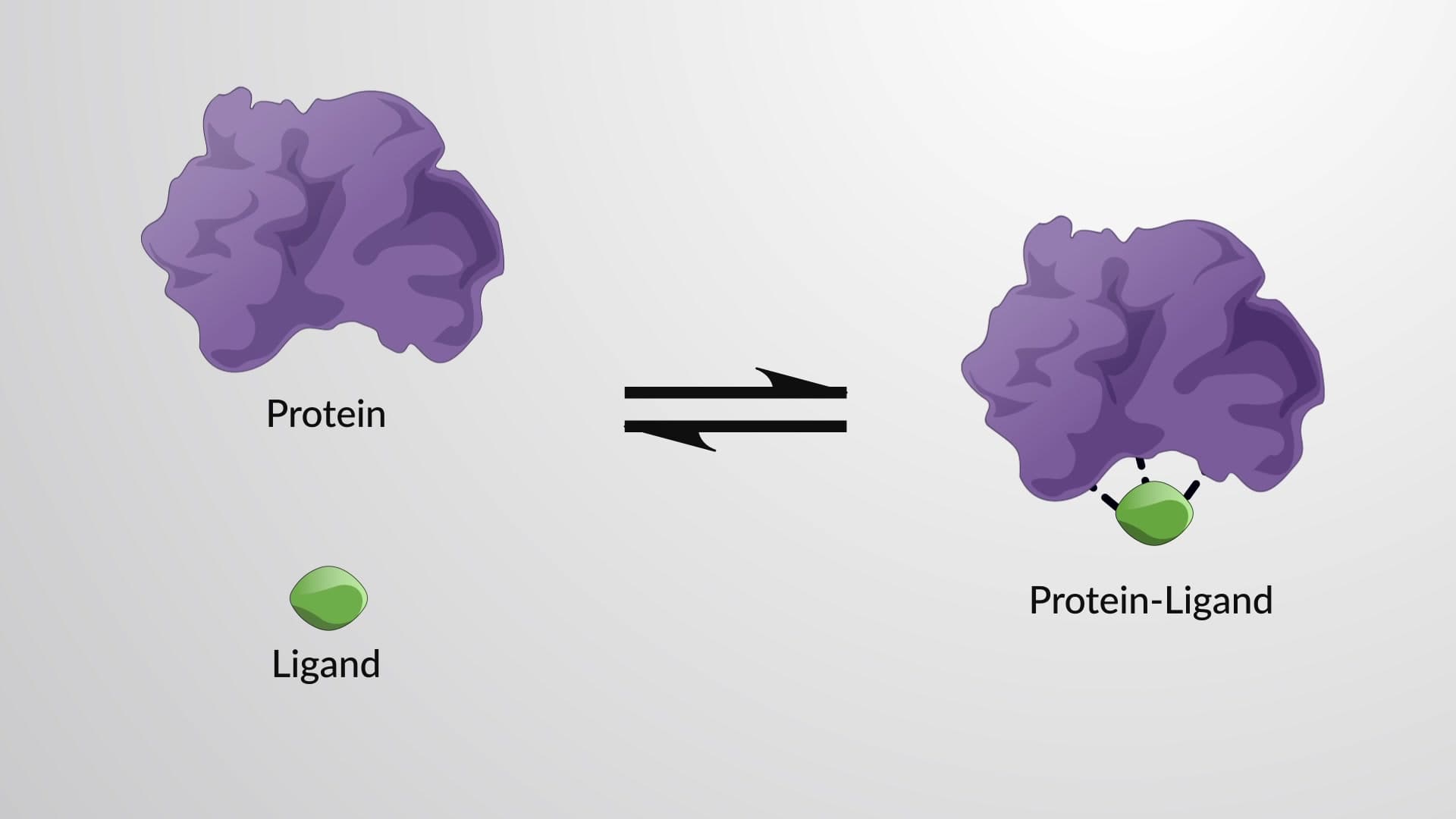
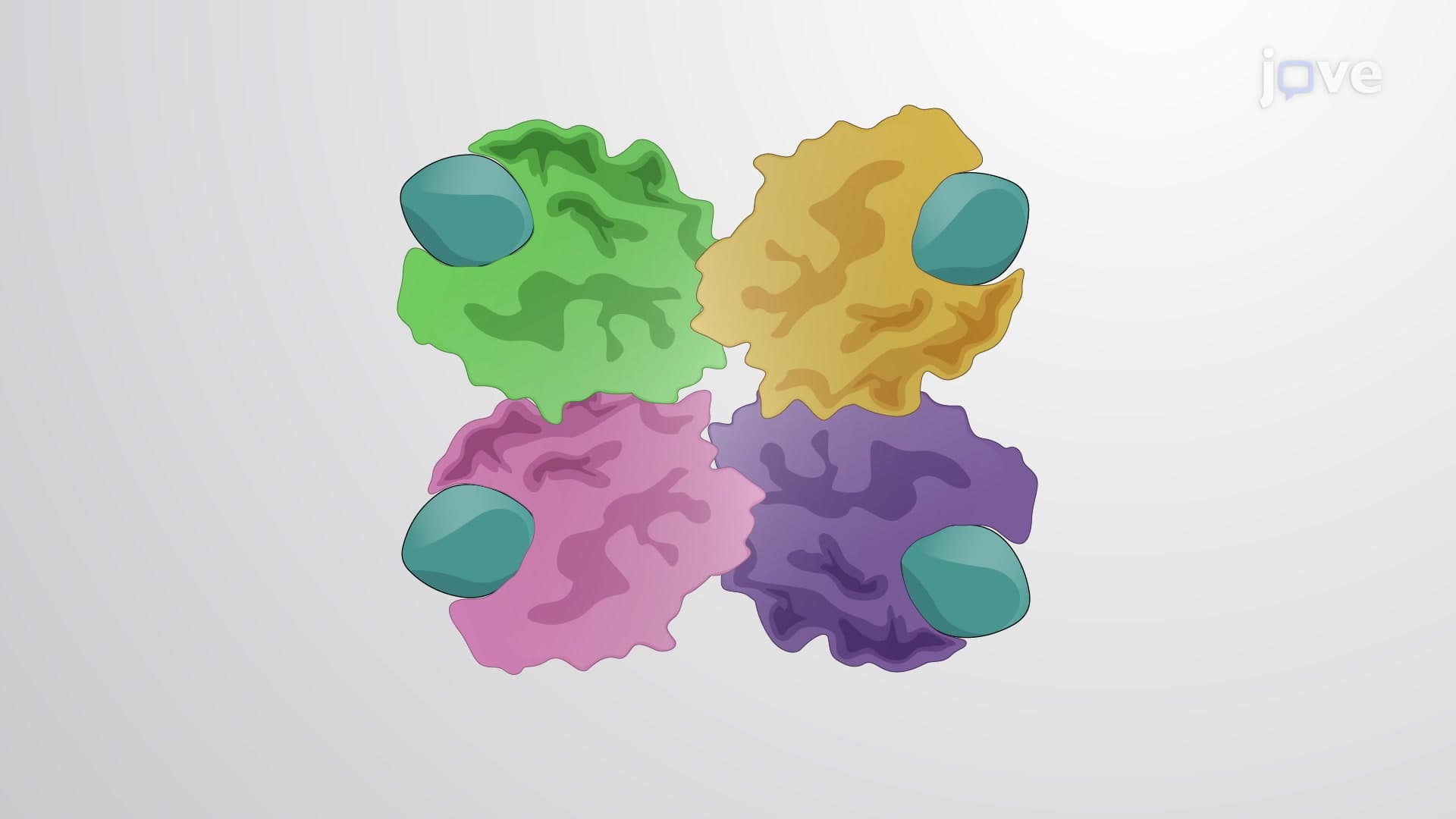
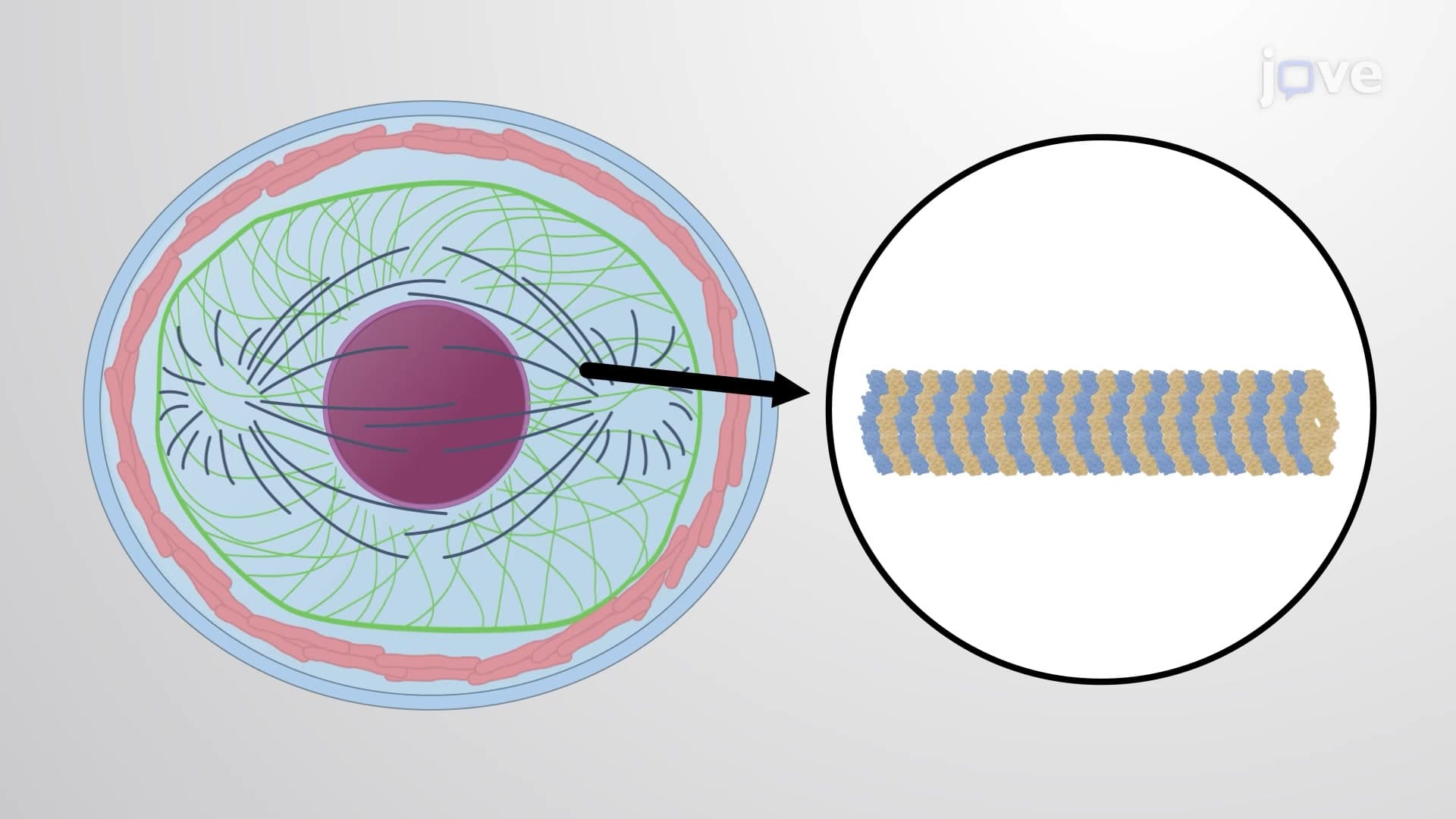
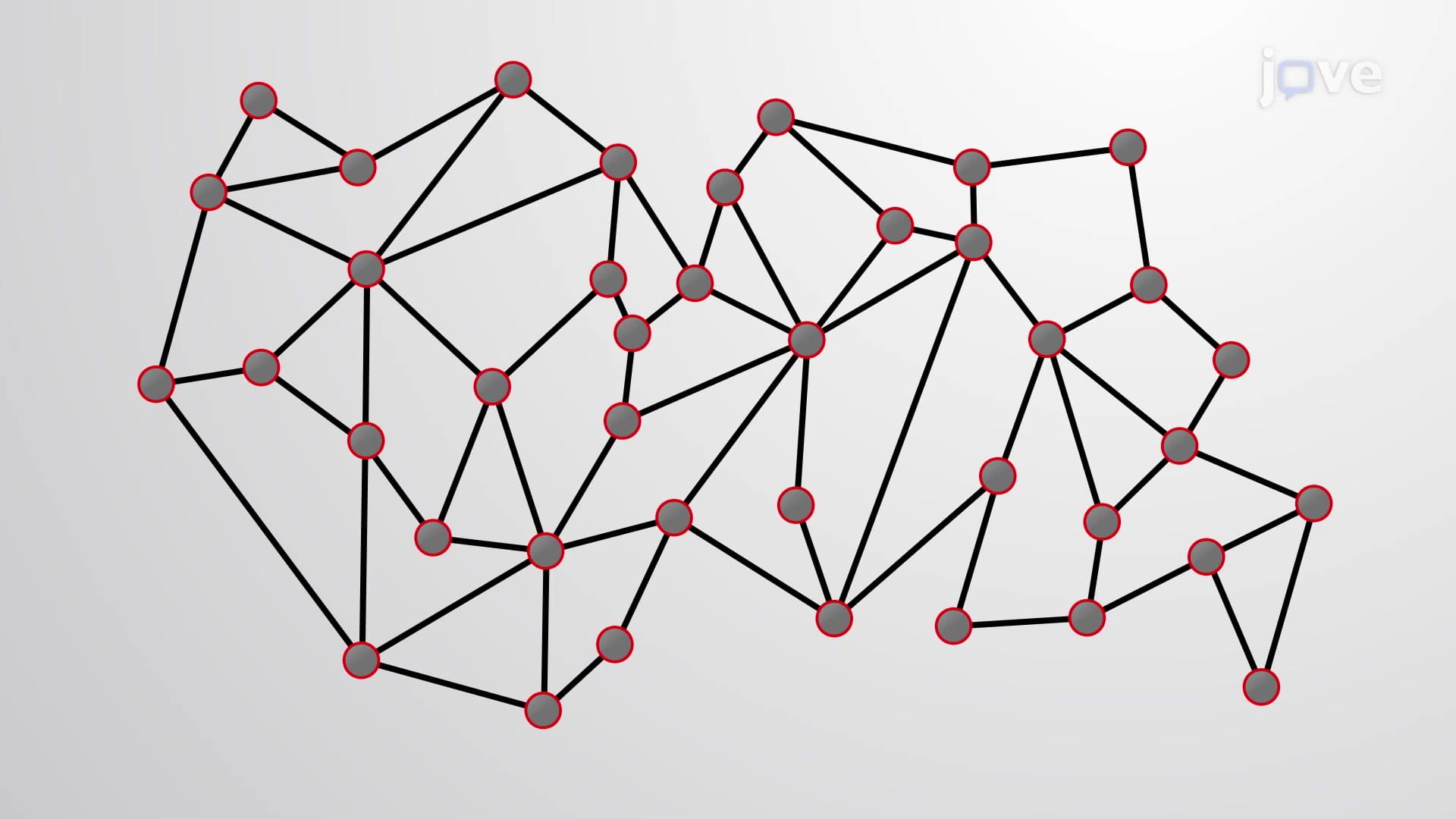
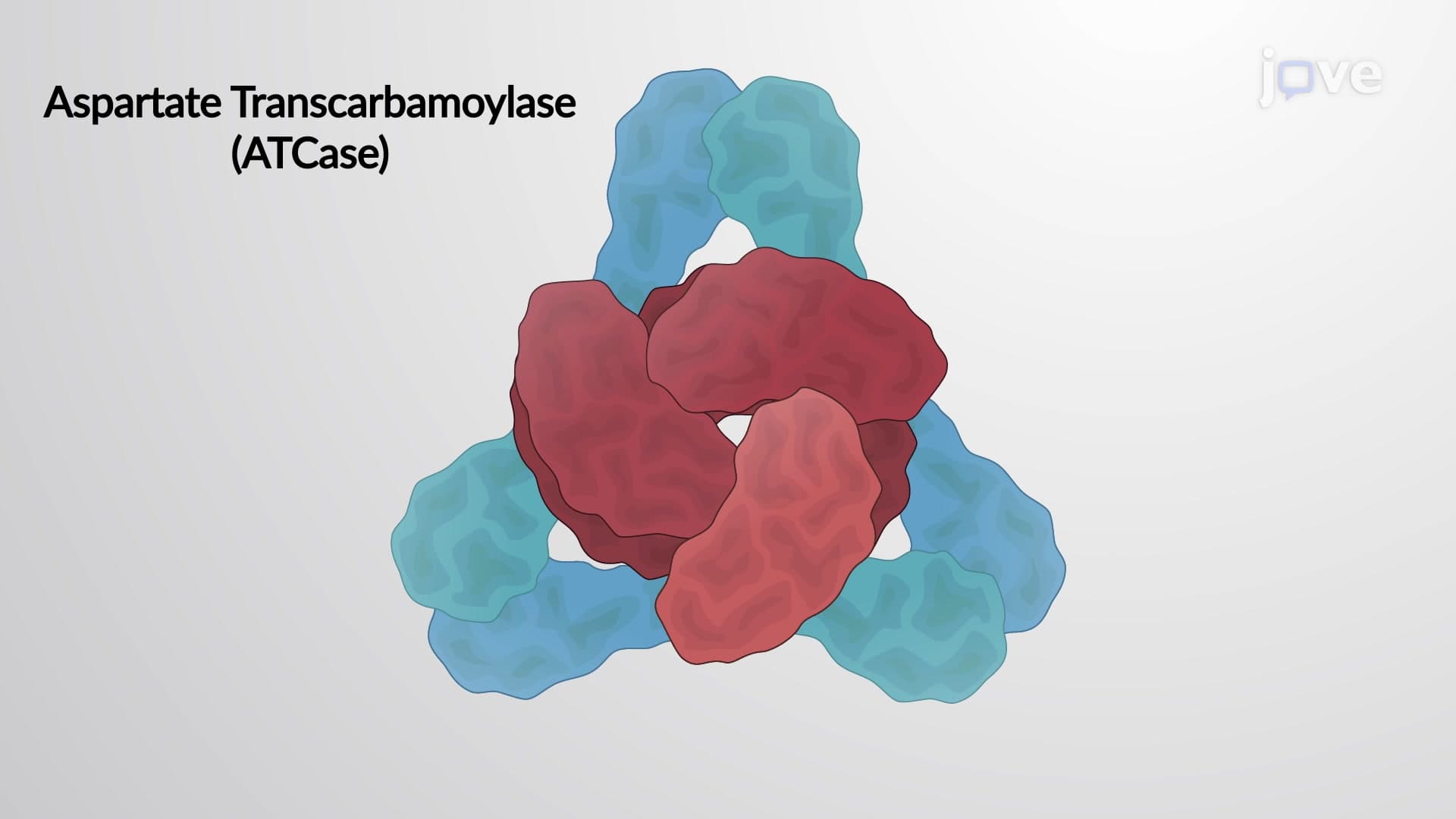
Protein complexes represent one of biology's most elegant solutions to cellular organization-multiple individual proteins that assemble through weak, non-covalent interactions to perform functions impossible for any single protein alone. Think of them as cellular construction teams where each worker has a specialized role, but the magic happens when they collaborate.
These molecular assemblies solve a fundamental challenge in cell biology: how to create sophisticated, regulatable functions while maintaining flexibility. Unlike permanently fused proteins, the non-covalent nature of protein complex assembly allows cells to rapidly assemble and disassemble these machines as needed, much like how emergency response teams can quickly form and disperse based on immediate needs.
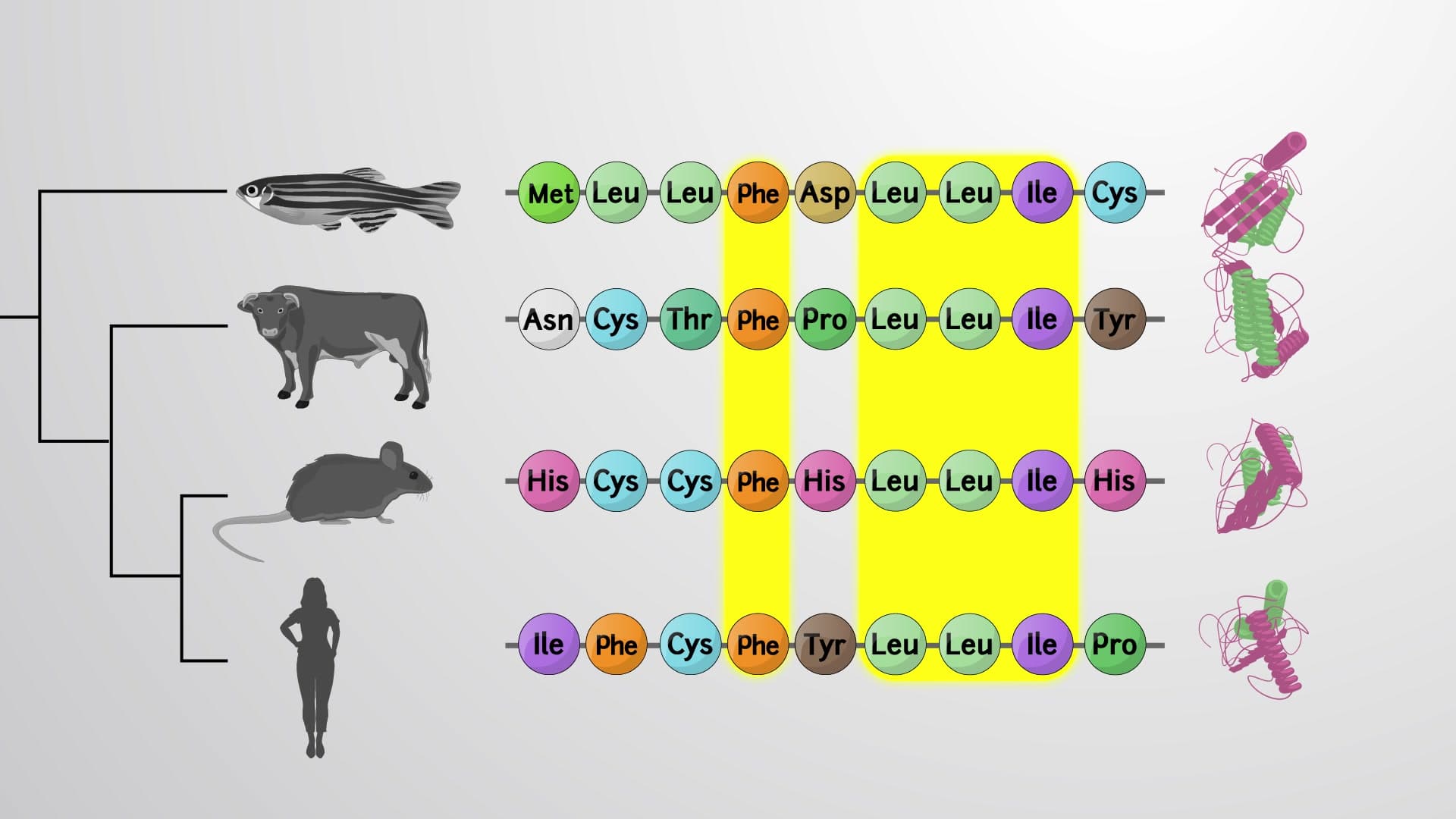
The diversity we observe in protein complexes today stems from evolutionary processes, particularly gene duplication events. When beneficial proteins undergo duplication, one copy maintains the original essential function while the duplicate becomes free to accumulate mutations. This process, observed extensively in human genome evolution, creates protein families-groups of related proteins with similar structures but specialized functions.
For AP Biology students, this concept directly connects to the evolutionary mechanisms tested on exams, particularly how molecular evolution drives functional diversity. The principle explains why humans possess multiple versions of many essential proteins, from the different types of hemoglobin expressed during development to the various immune system antibodies.
The SCF (Skp1-Cullin-F-box) ubiquitin ligase exemplifies sophisticated protein complex engineering. This five-subunit machine functions as the cell's quality control system, attaching ubiquitin "tags" to proteins destined for degradation. What makes SCF particularly fascinating is its modular F-box subunit-the component responsible for recognizing target proteins.
In baker's yeast (*Saccharomyces cerevisiae*), researchers have identified 11 distinct F-box variants, each specialized for different cellular targets. The Cdc4 F-box protein, for example, specifically recognizes cell cycle inhibitors like Sic1 and Far1. When these inhibitory proteins are tagged and destroyed, cell division can proceed-a process crucial for understanding cancer biology in pre-med coursework.
This modular complexity scales dramatically in human cells, where hundreds of F-box variants enable precise regulation of countless cellular processes. Understanding protein complexes proves essential for MCAT preparation, particularly in biochemistry sections covering protein structure and function.
Recent pharmaceutical research targets protein complexes for drug development. Companies like Genentech and Pfizer design molecules that either stabilize beneficial complexes or disrupt pathological ones, representing a growing frontier in precision medicine that many students will encounter in advanced biochemistry courses.
Related Micro-courses