Loading subject page…


169,800 views

Video Summary: What are Protein Networks
Did you know that a single human cell contains over 20,000 different proteins that must work together like a complex social network? Protein networks represent the intricate web of interactions between cellular proteins, much like how scientists at Stanford University map disease pathways to develop new treatments. Understanding what are protein networks reveals how proteins collaborate to maintain cellular functions through binding partnerships and molecular communication. These networks can be studied using advanced techniques like affinity tagging and mass spectrometry to identify unknown protein interactions. Watch the full video on JoVE Coach to master this concept with expert-led visuals and step-by-step explanations.
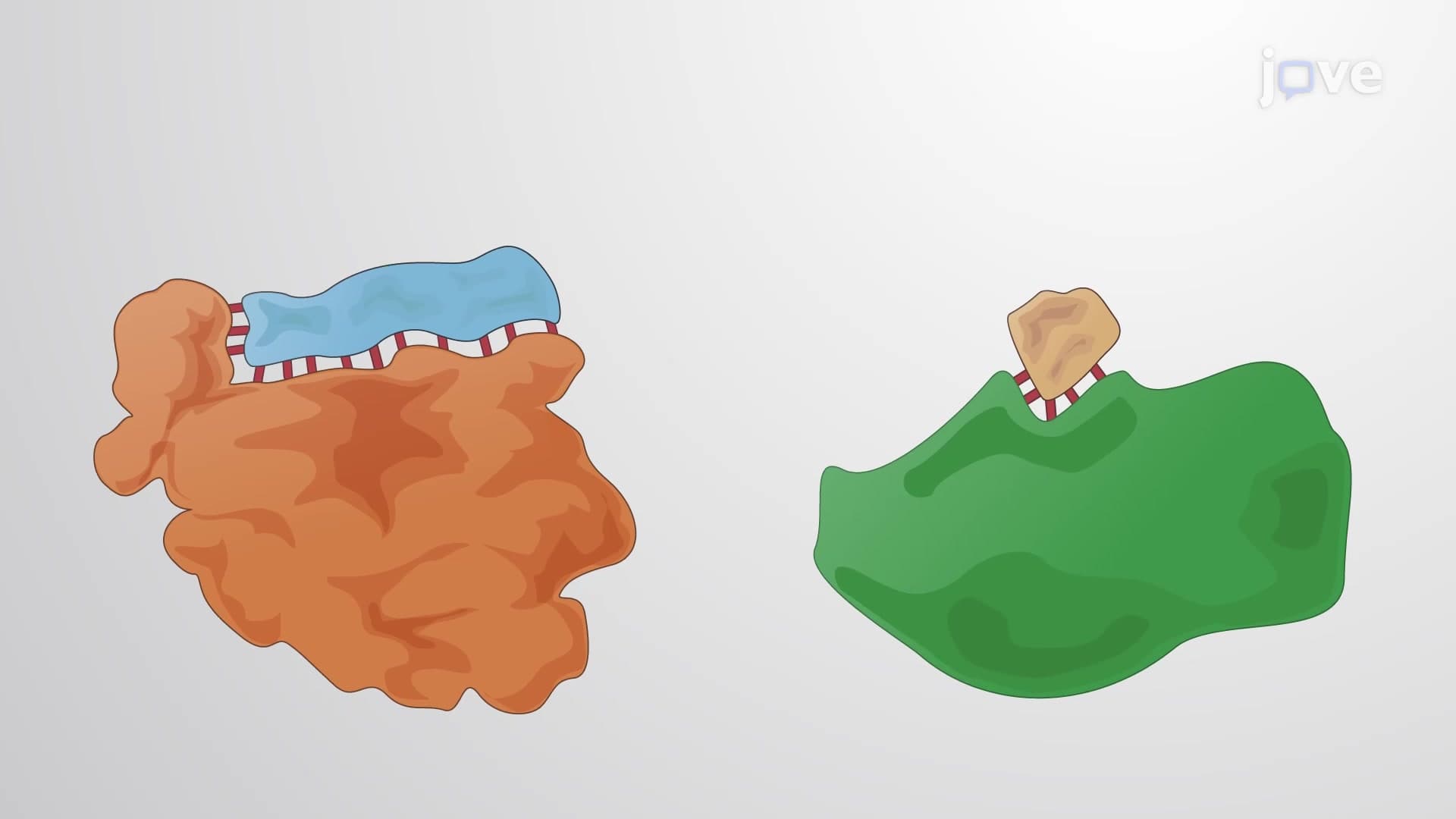
Protein networks represent one of the most fundamental organizational principles in cell biology, describing how thousands of different proteins interact to create functional cellular machinery. Think of these networks like the internet, individual proteins act as nodes that connect through specific interactions to form complex communication pathways. In a typical human cell, scientists estimate that each protein interacts with an average of 3-5 other proteins, creating networks containing millions of potential connections.
Modern researchers use sophisticated experimental approaches to decode these molecular relationships. Affinity tagging stands as a cornerstone technique, where scientists genetically attach specific amino acid sequences to target proteins. This process resembles adding a molecular "barcode" that allows researchers to fish out the protein of interest along with all its binding partners. The National Institutes of Health has funded numerous studies using this approach to map disease-related protein networks, particularly in cancer research at institutions like Johns Hopkins University.
Mass spectrometry plays a crucial role in identifying unknown proteins captured through affinity tagging. This technique breaks proteins into characteristic peptide fragments, creating molecular fingerprints that can be matched against comprehensive databases. The process mirrors how forensic scientists use DNA databases, researchers compare their unknown protein sequences against established repositories to determine identity and function.
Protein networks biology explained involves understanding both experimental data and computational prediction methods. Databases like IntAct serve as global repositories where researchers worldwide contribute interaction data, creating comprehensive maps of molecular relationships. These resources prove invaluable for students preparing for advanced biology exams, including AP Biology and college-level biochemistry courses.
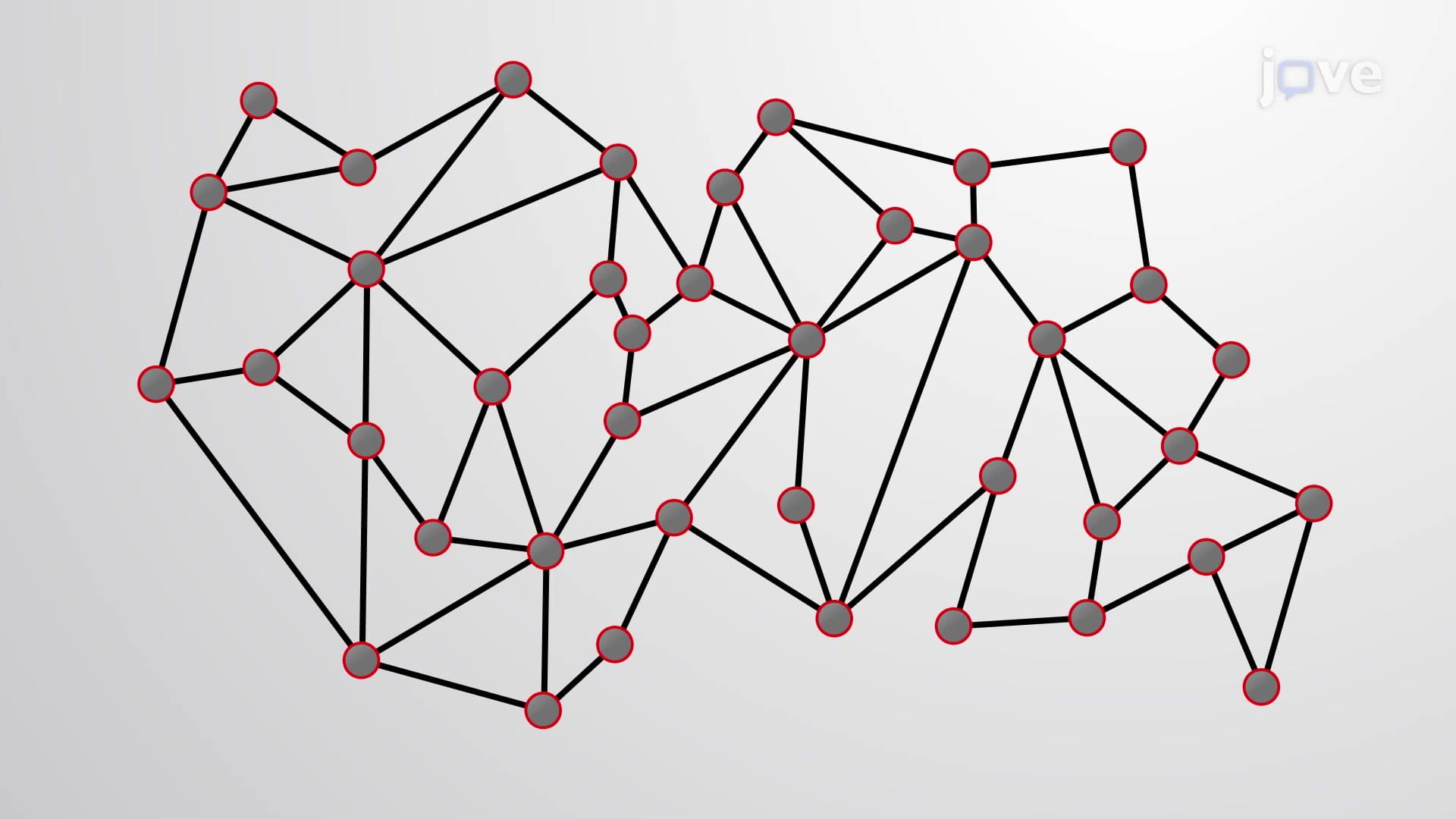
Network visualization transforms complex interaction data into interpretable maps. Scientists represent proteins as circular nodes connected by lines (edges) that indicate binding relationships. This approach reveals important network properties: some proteins act as highly connected hubs, while others participate in smaller, specialized modules. Hub proteins often prove critical for cellular survival and represent prime targets for pharmaceutical intervention.
Understanding protein network topology directly impacts medical research and drug development. Researchers at pharmaceutical companies like Pfizer and Moderna use network analysis to identify potential drug targets and predict side effects. For example, if a proposed drug target protein connects to many other proteins in the network, blocking its function might cause widespread cellular disruption.
Students studying for the MCAT will encounter protein network concepts in biochemistry and molecular biology sections. These topics frequently appear in questions about cellular regulation, signal transduction, and disease mechanisms, making network thinking essential for success in medical school admission tests.
Related Micro-courses