Loading video…


 17 Concepts
 169.8K views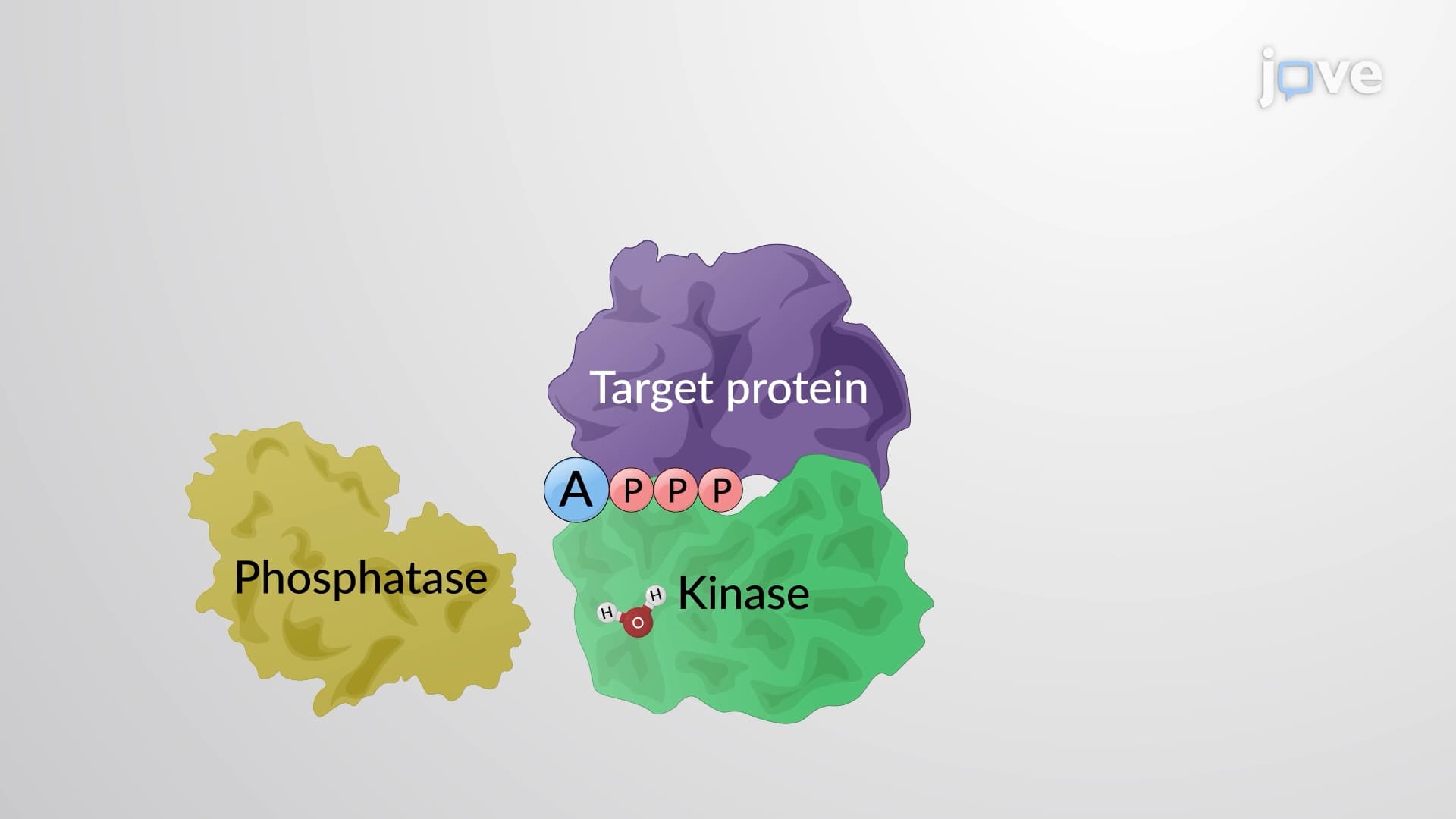

Video Summary: What Is Phosphorylation
Why does insulin instantly lower your blood sugar after a meal while caffeine keeps you alert for hours? Phosphorylation, the cellular process of adding phosphate groups to proteins, controls these rapid biological responses throughout your body. From regulating glucose metabolism in your liver cells to triggering neurotransmitter release at synapses, phosphorylation acts as biology's molecular switch. Watch the full video on JoVE Coach to master this concept with expert-led visuals and step-by-step explanations.
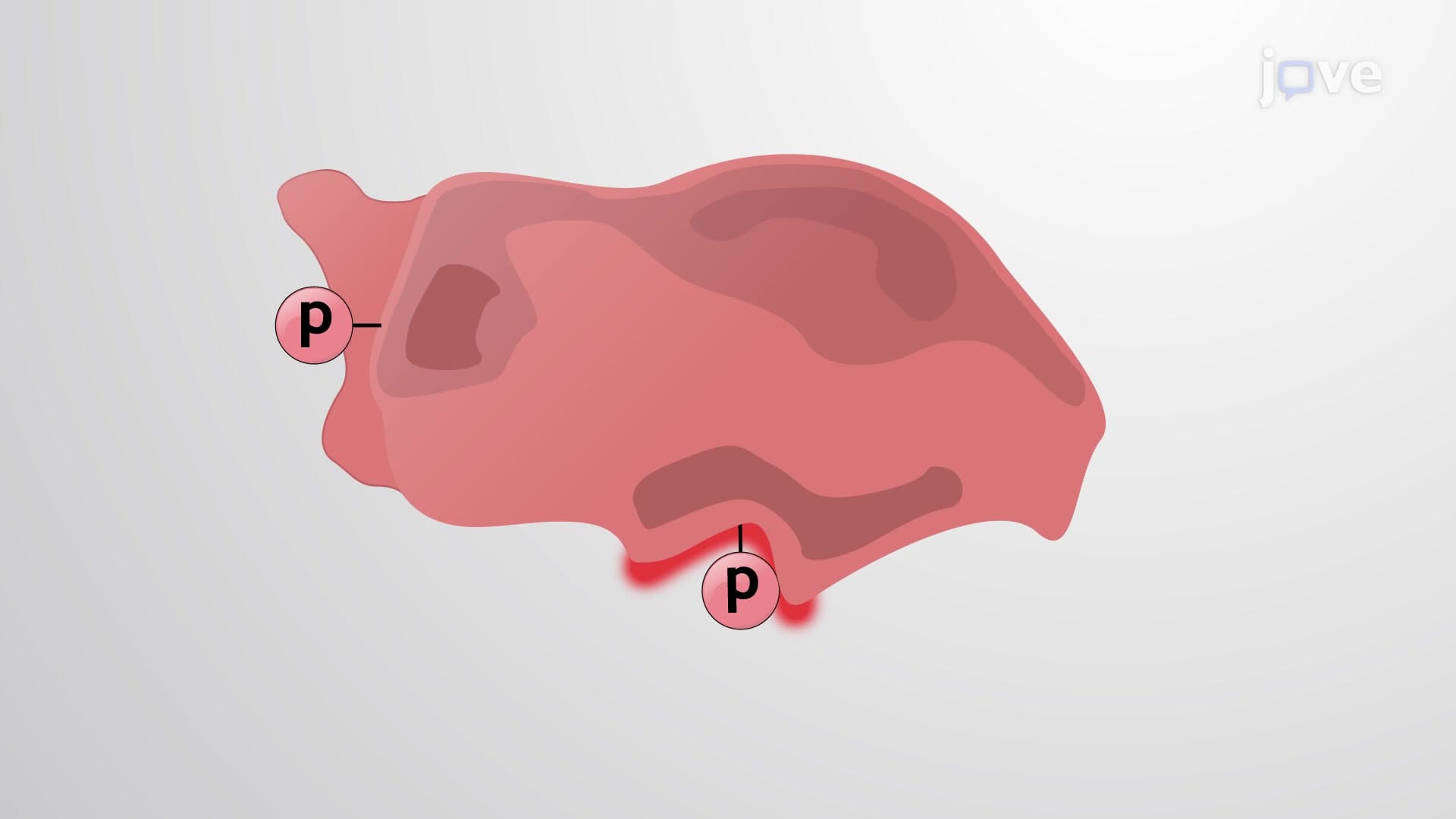
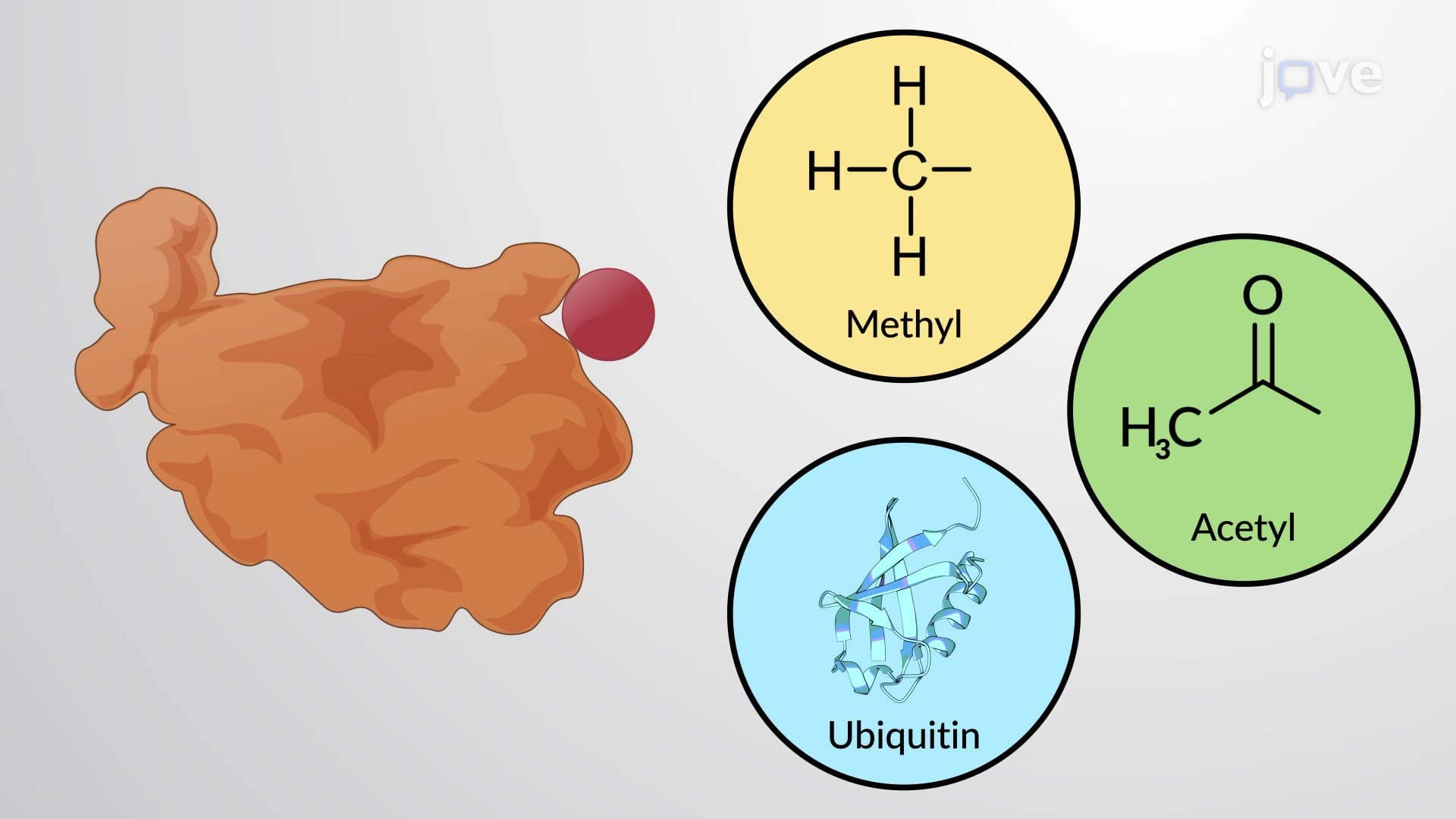
Phosphorylation represents one of biology's most elegant regulatory mechanisms-a simple chemical modification that controls virtually every cellular process. This post-translational modification involves the covalent attachment of phosphate groups (PO₄³⁻) to specific amino acid residues, primarily serine, threonine, and tyrosine, within target proteins.
The phosphorylation reaction requires ATP (adenosine triphosphate) as the phosphate donor and is catalyzed by enzymes called protein kinases. When ATP transfers its terminal phosphate group to a protein substrate, it releases ADP (adenosine diphosphate) and energy. This energy investment allows cells to create high-energy phosphate bonds that dramatically alter protein conformation and activity.
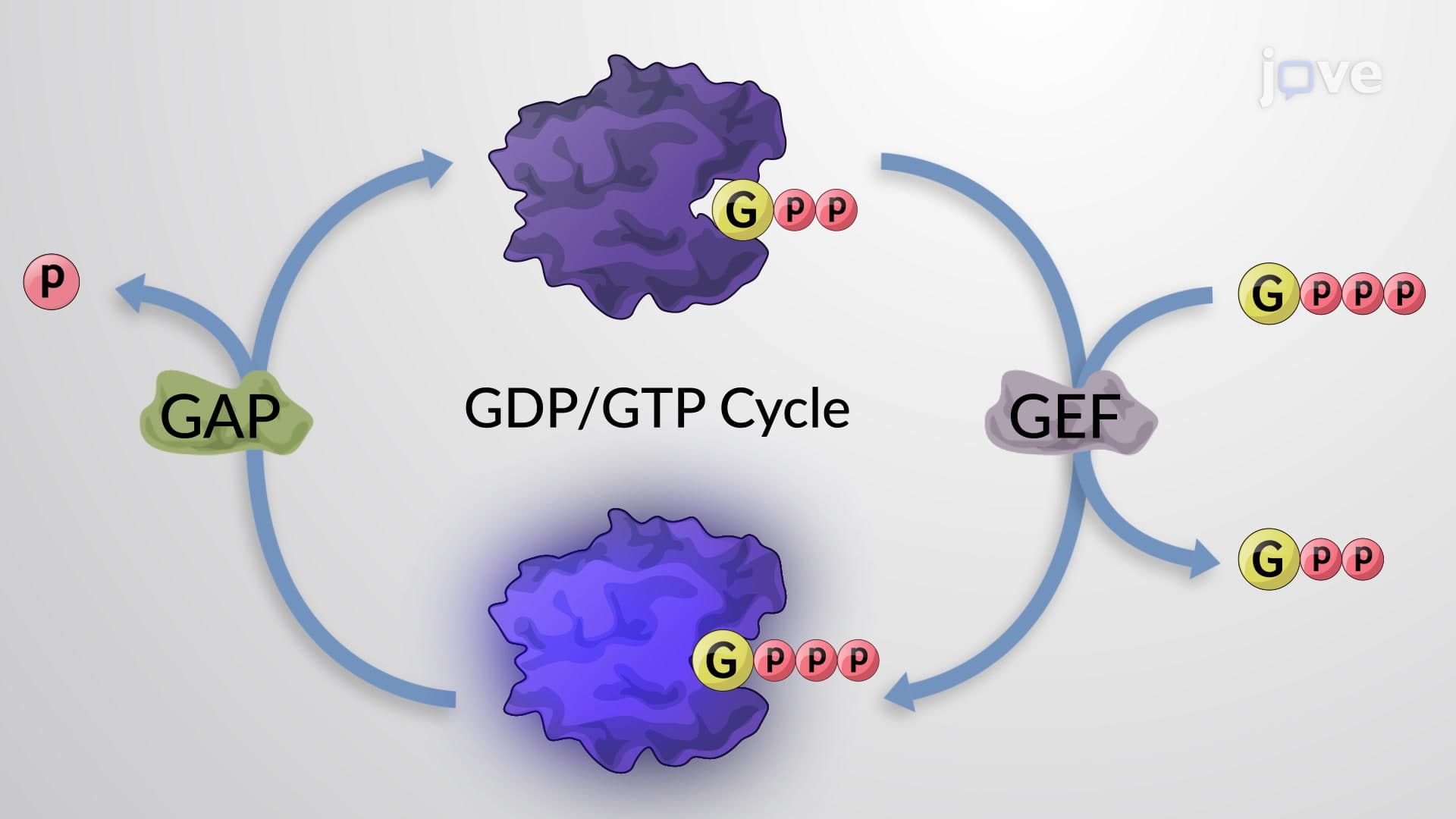
The reverse process, dephosphorylation, is catalyzed by phosphatases that hydrolyze phosphate groups from proteins. This bidirectional system creates a dynamic regulatory network where proteins can be rapidly switched "on" or "off" depending on cellular needs.
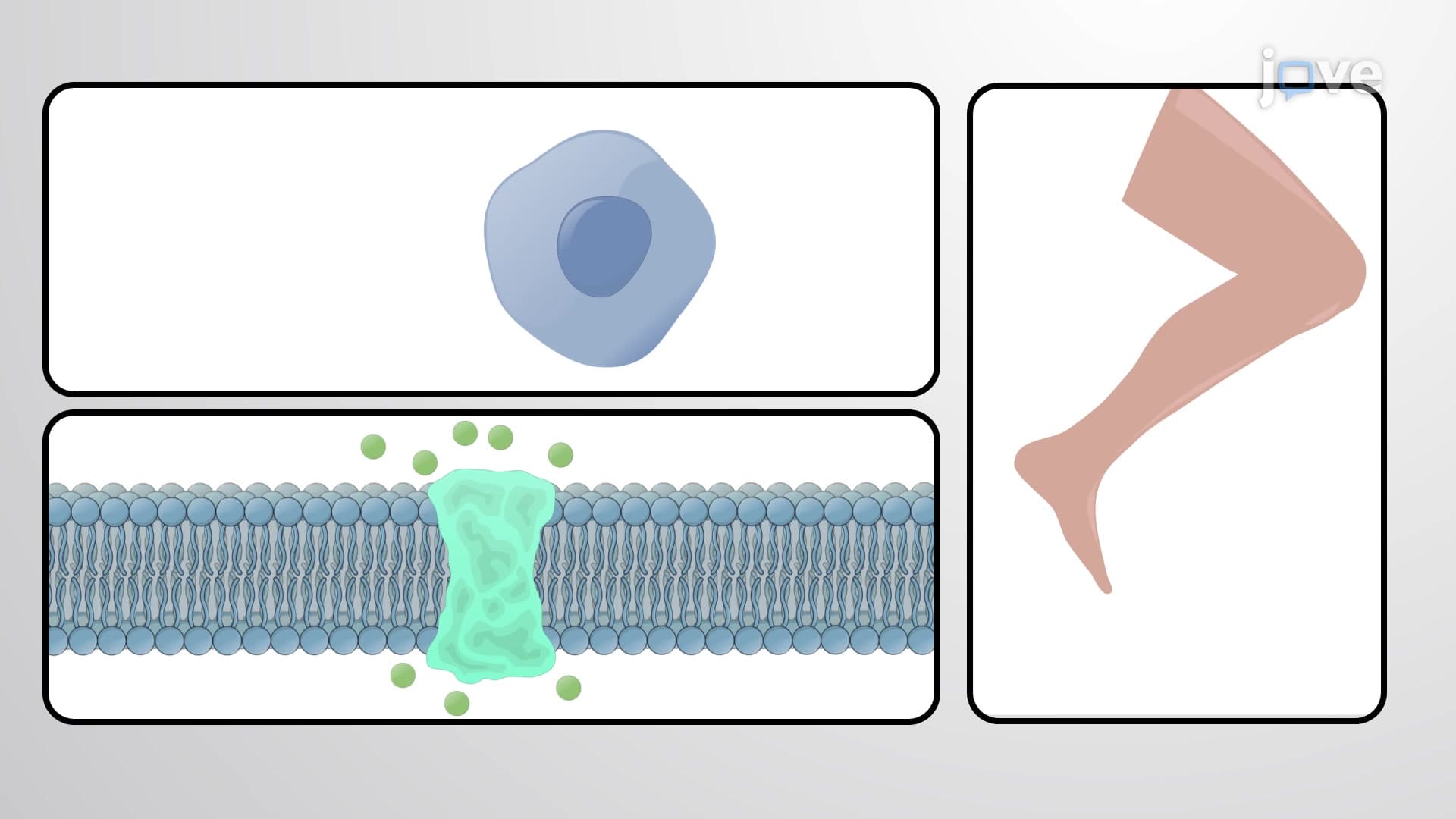
Phosphorylation forms the backbone of signal transduction pathways that allow cells to respond to hormones, growth factors, and environmental changes. Consider insulin signaling: when insulin binds to its receptor on muscle cells, it triggers a phosphorylation cascade that ultimately activates glucose transporters, allowing rapid glucose uptake from the bloodstream.
Similarly, in cancer research at institutions like Johns Hopkins and MD Anderson, scientists study how aberrant phosphorylation of tumor suppressor proteins like p53 contributes to uncontrolled cell division. Many modern cancer drugs, including imatinib (Gleevec), specifically target overactive kinases to restore normal phosphorylation patterns.
Clinical laboratories routinely measure phosphorylated proteins as disease biomarkers. Elevated levels of phosphorylated tau protein in cerebrospinal fluid indicate Alzheimer's disease progression, while specific kinase activity patterns help oncologists select targeted therapies for individual cancer patients.
For students preparing for the MCAT or AP Biology exams, understanding phosphorylation mechanisms is crucial for questions involving enzyme regulation, signal transduction, and metabolic control. College biochemistry courses extensively cover phosphorylation when discussing glycolysis regulation, where key enzymes like phosphofructokinase are controlled through phosphorylation states.
Related Micro-courses