Loading video…


 17 Concepts
 169.8K views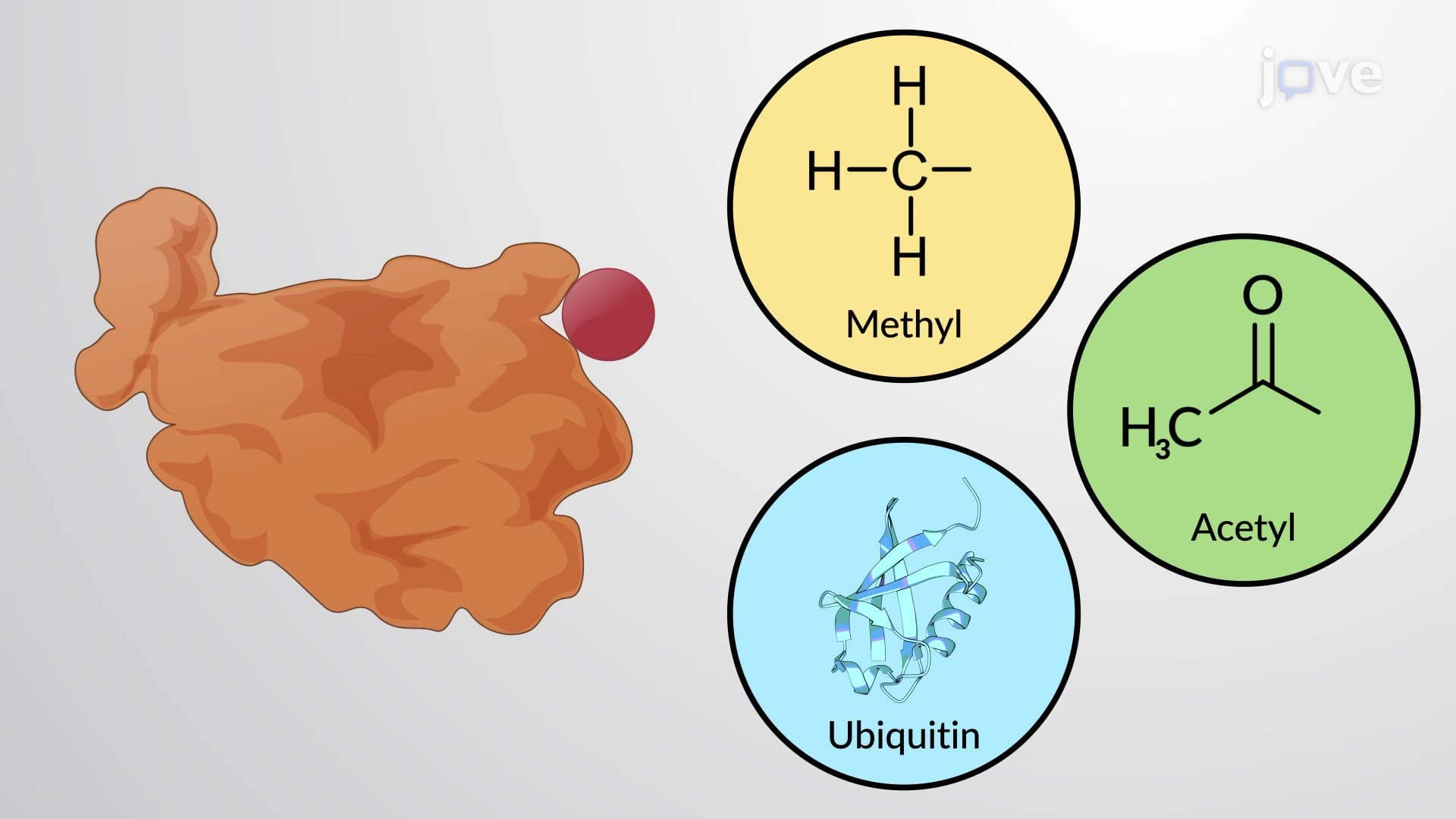

Video Summary: What are Covalently Linked Protein Regulators
Did you know that your DNA can be "unlocked" by tiny chemical modifications smaller than a virus? Covalently linked protein regulators are molecular switches that control protein function through permanent chemical bonds, fundamentally determining how cells respond to their environment. Consider how the tumor suppressor protein p53 becomes activated through phosphorylation when skin cells detect UV damage from sunlight, preventing potential cancer development. Watch the full video on JoVE Coach to master this concept with expert-led visuals and step-by-step explanations.
Covalently linked protein regulators represent one of biology's most sophisticated control systems, where small chemical groups or proteins become permanently attached to target proteins through strong chemical bonds. Unlike temporary protein interactions, these modifications create lasting changes that can dramatically alter protein function, location, or stability within cells.
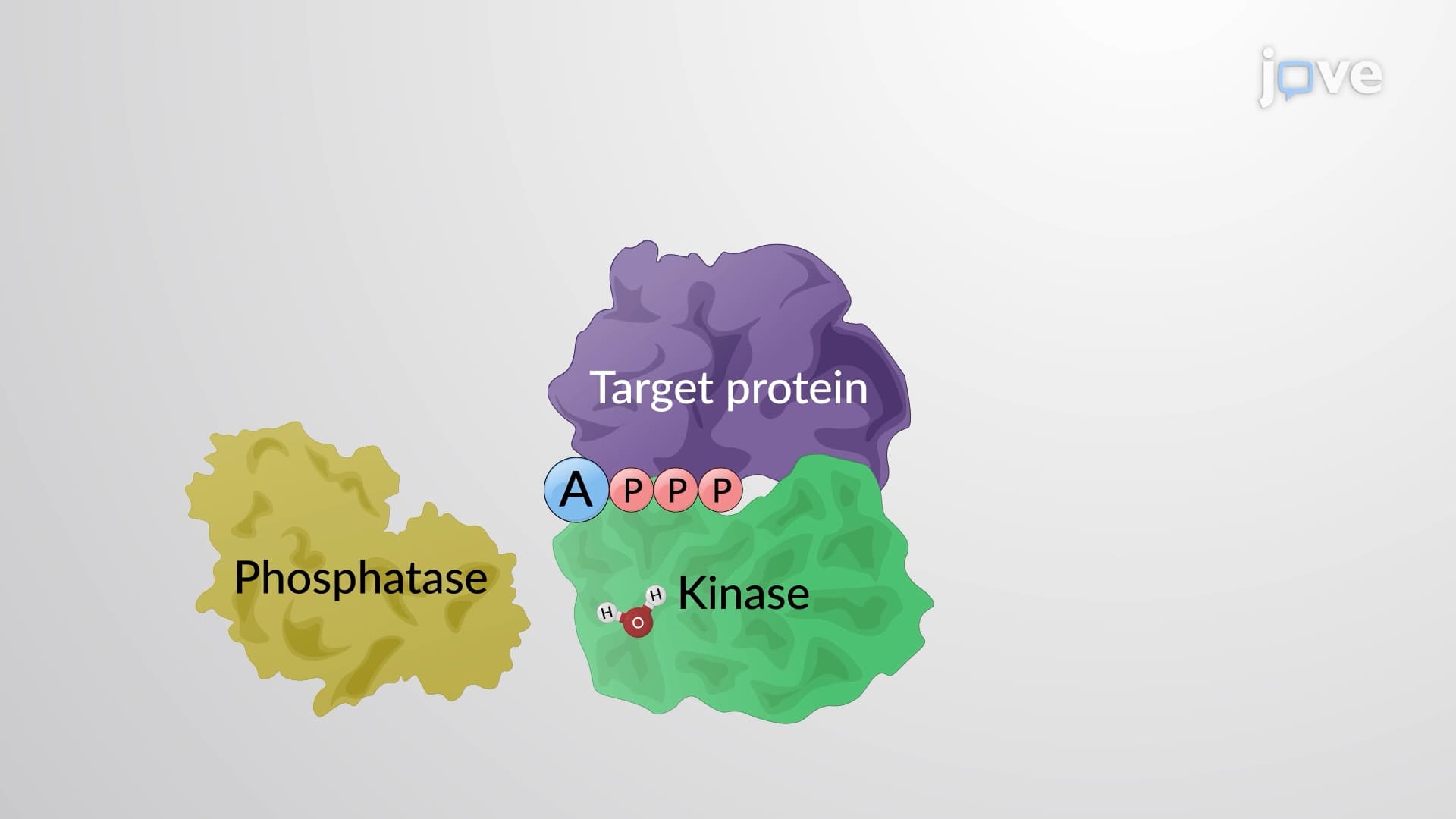
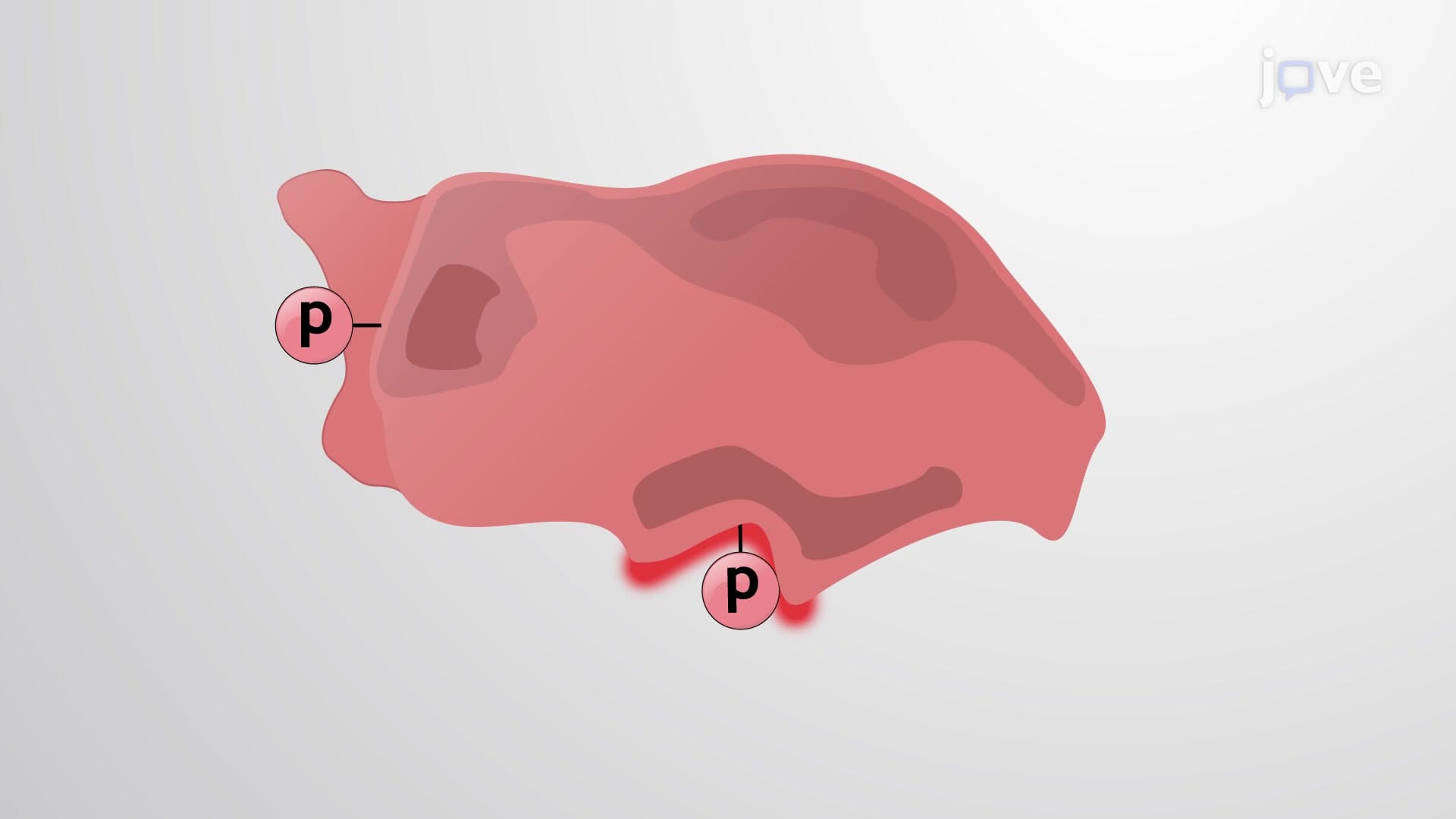
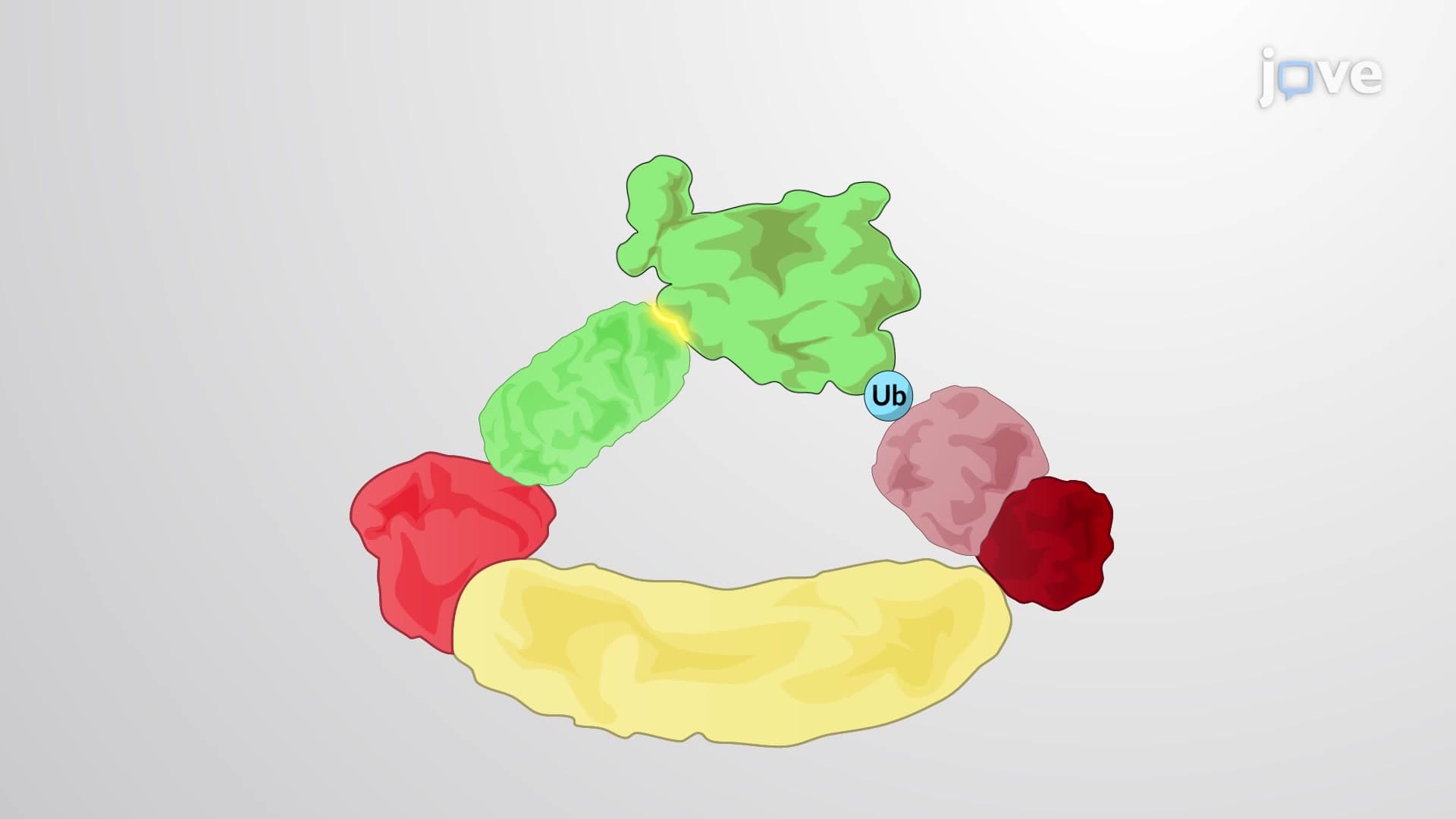
The cellular toolkit includes several key modification types, each targeting specific amino acids with precision. Phosphorylation adds phosphate groups to serine, threonine, or tyrosine residues, often serving as molecular "on/off" switches for protein activity. Methylation and acetylation primarily target lysine residues, playing crucial roles in gene expression control. Ubiquitination, involving the small protein ubiquitin, marks proteins for degradation or alters their cellular localization by binding to lysine, cysteine, serine, or threonine residues.
Each modification type requires specialized enzyme pairs for installation and removal. Acetyltransferases add acetyl groups while deacetylases remove them, creating dynamic regulatory systems. This reversibility allows cells to rapidly respond to changing conditions, making these modifications ideal for processes requiring quick cellular responses.
These concepts directly impact human health and appear frequently in advanced biology coursework. Students preparing for AP Biology exams encounter histone modifications when studying gene regulation, while pre-med students taking the MCAT must understand how p53 modifications prevent cancer development. In clinical settings, drugs targeting these enzyme systems treat various diseases-HDAC inhibitors used in cancer therapy work by preventing histone deacetylation, keeping tumor suppressor genes active.
The p53 example demonstrates practical significance: when dermatologists discuss sun protection, they're referencing how UV radiation triggers phosphorylation cascades that activate this crucial tumor suppressor. Understanding these mechanisms helps explain why certain genetic mutations lead to increased cancer risk and how targeted therapies can restore normal protein function.
Related Micro-courses