Loading video…


 17 Concepts
 169.8K views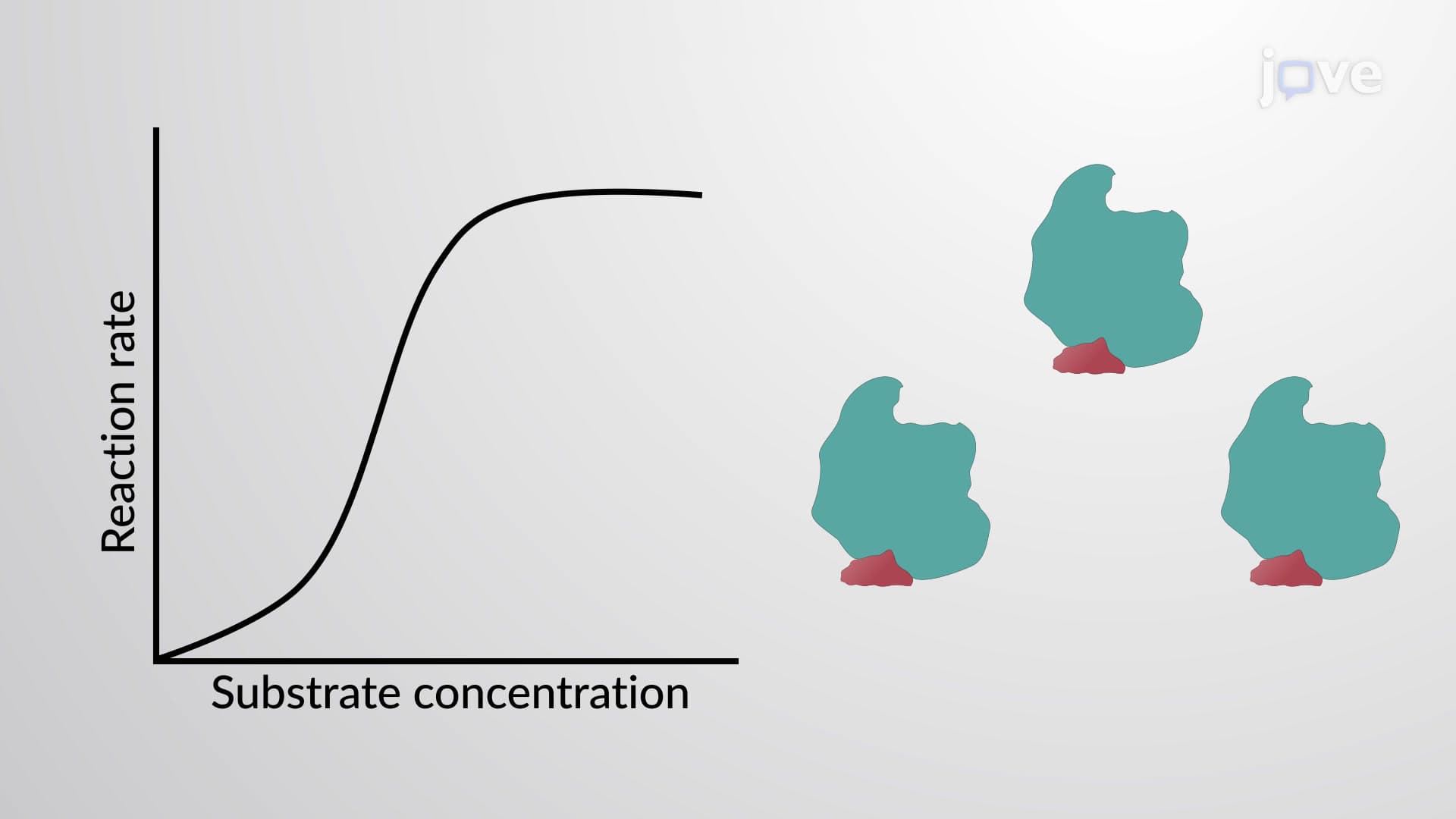

Video Summary: What Is Allosteric Regulation
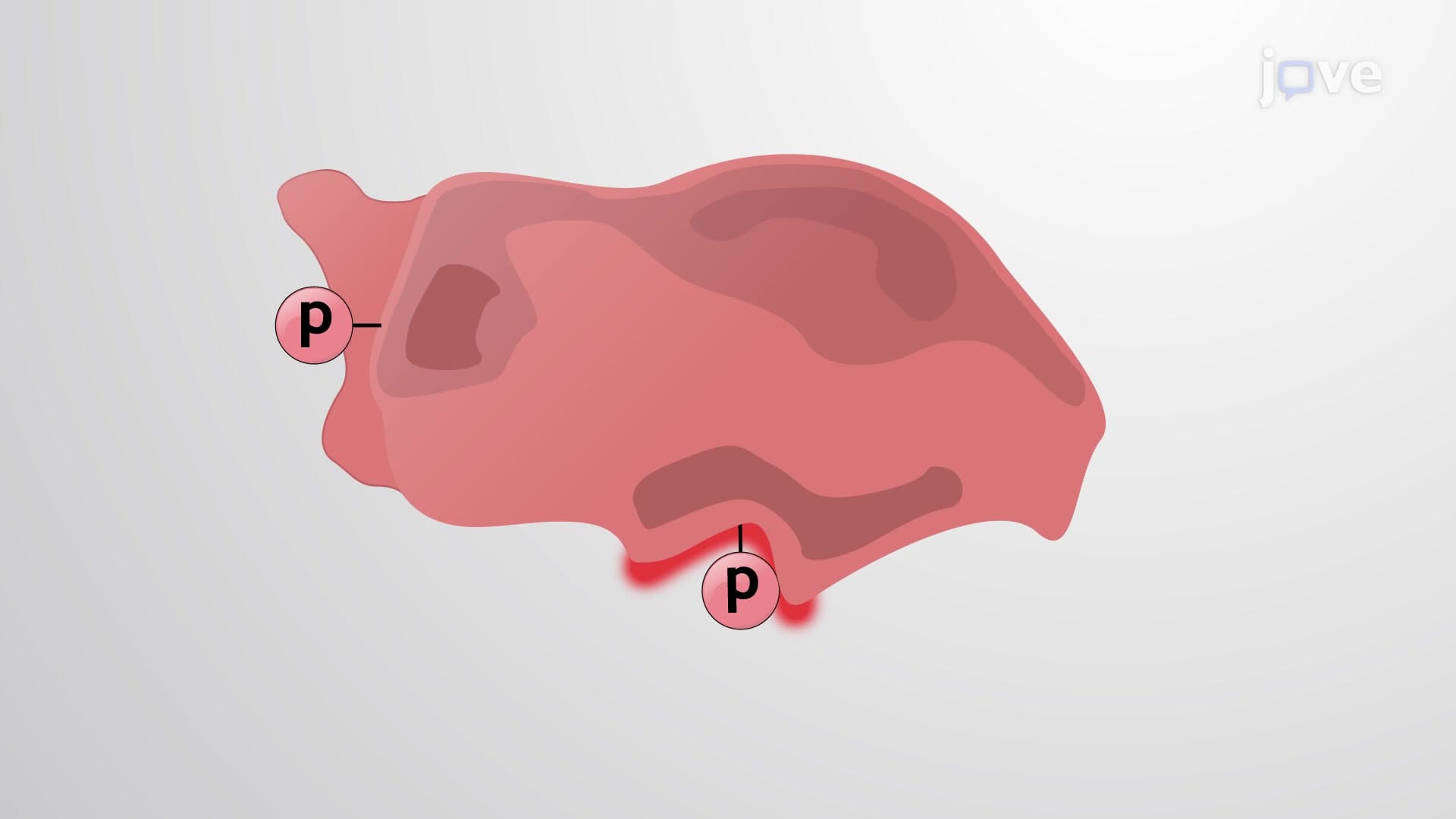
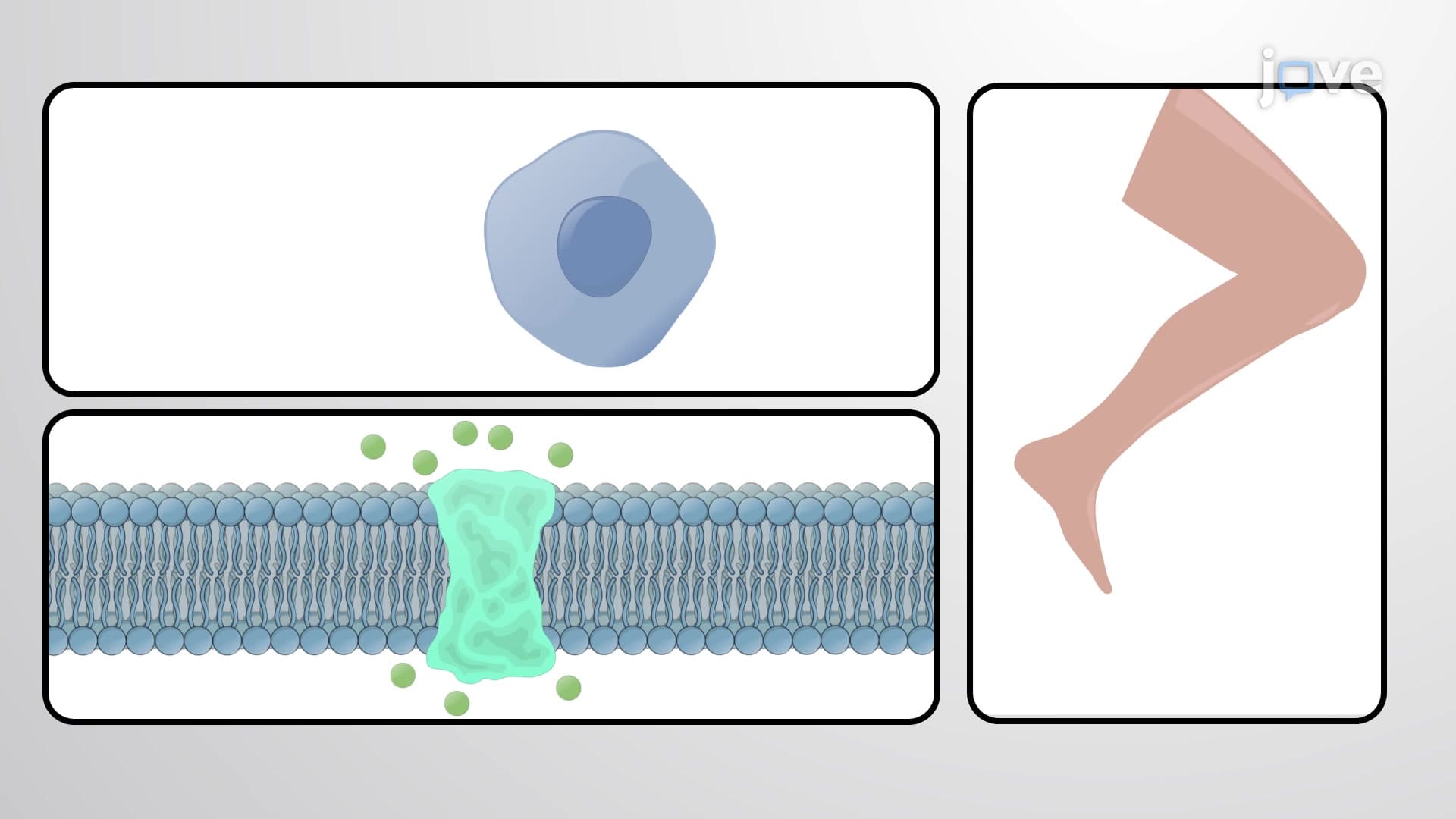
Ever wonder how your muscles instantly know when you need more oxygen during a sprint? Allosteric regulation is the molecular switch that makes this possible, allowing proteins to change their behavior when specific molecules bind to sites away from their main active area. In hemoglobin, this mechanism enables your red blood cells to release oxygen precisely where your tissues need it most during exercise. Watch the full video on JoVE Coach to master this concept with expert-led visuals and step-by-step explanations.
Allosteric regulation represents one of biology's most elegant control systems, where proteins change their activity through conformational shifts triggered by molecules binding at sites distant from the active site. Unlike competitive inhibition, where molecules directly block the active site, allosteric regulation works through indirect communication across the protein structure. This mechanism is essential for maintaining cellular homeostasis and appears frequently on AP Biology exams and college biochemistry courses.
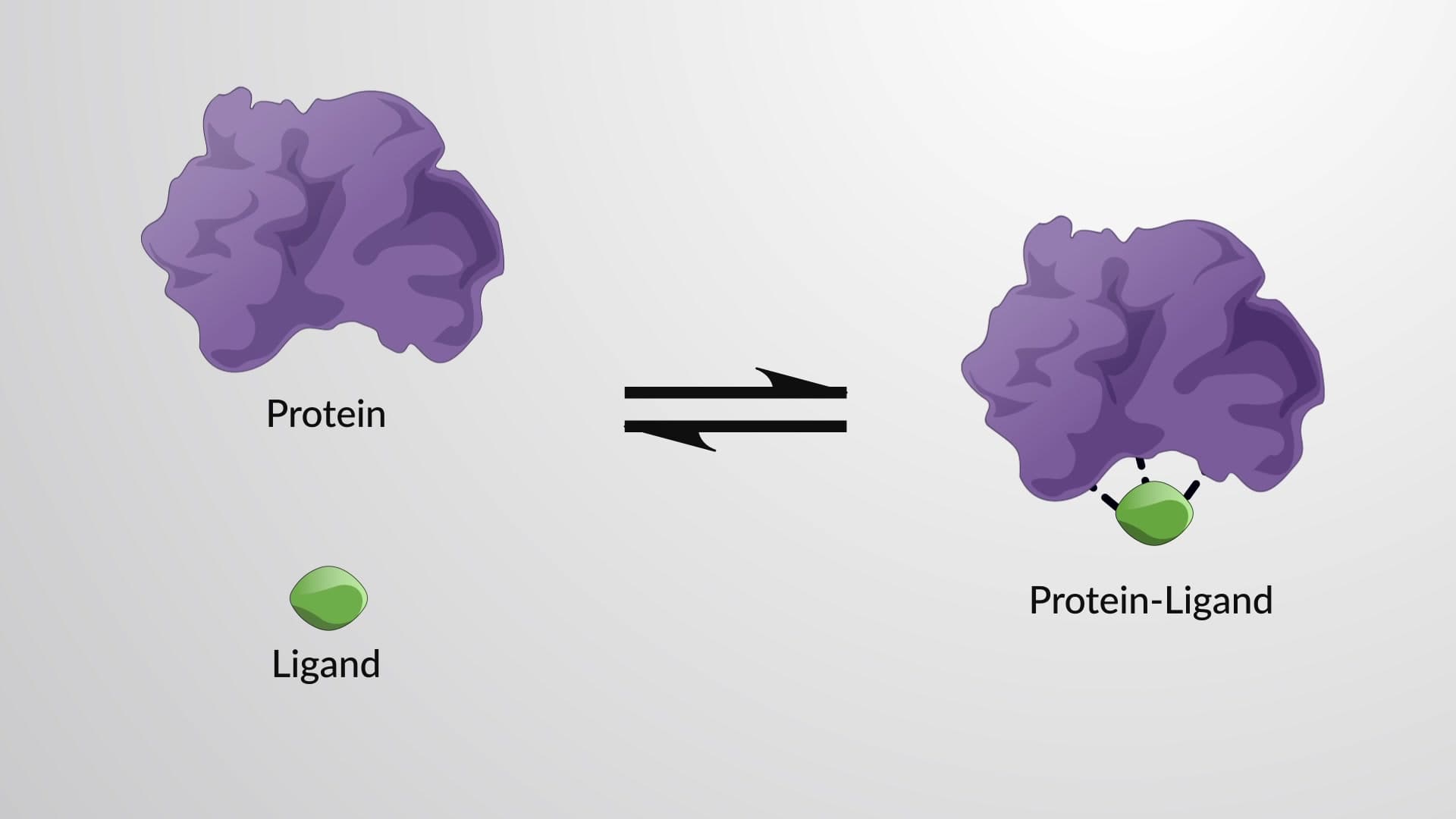
The heart of allosteric regulation lies in protein flexibility. Proteins exist in dynamic equilibrium between different conformational states, commonly described as tense (T) and relaxed (R) states. When an effector molecule binds to the allosteric site, it stabilizes one conformation over another, effectively shifting the protein's activity. For example, in phosphofructokinase-a key glycolytic enzyme studied extensively in US medical schools-ATP binding at the allosteric site shifts the enzyme toward its inactive T state, while AMP binding promotes the active R state. This creates a sophisticated feedback system that responds to cellular energy status.
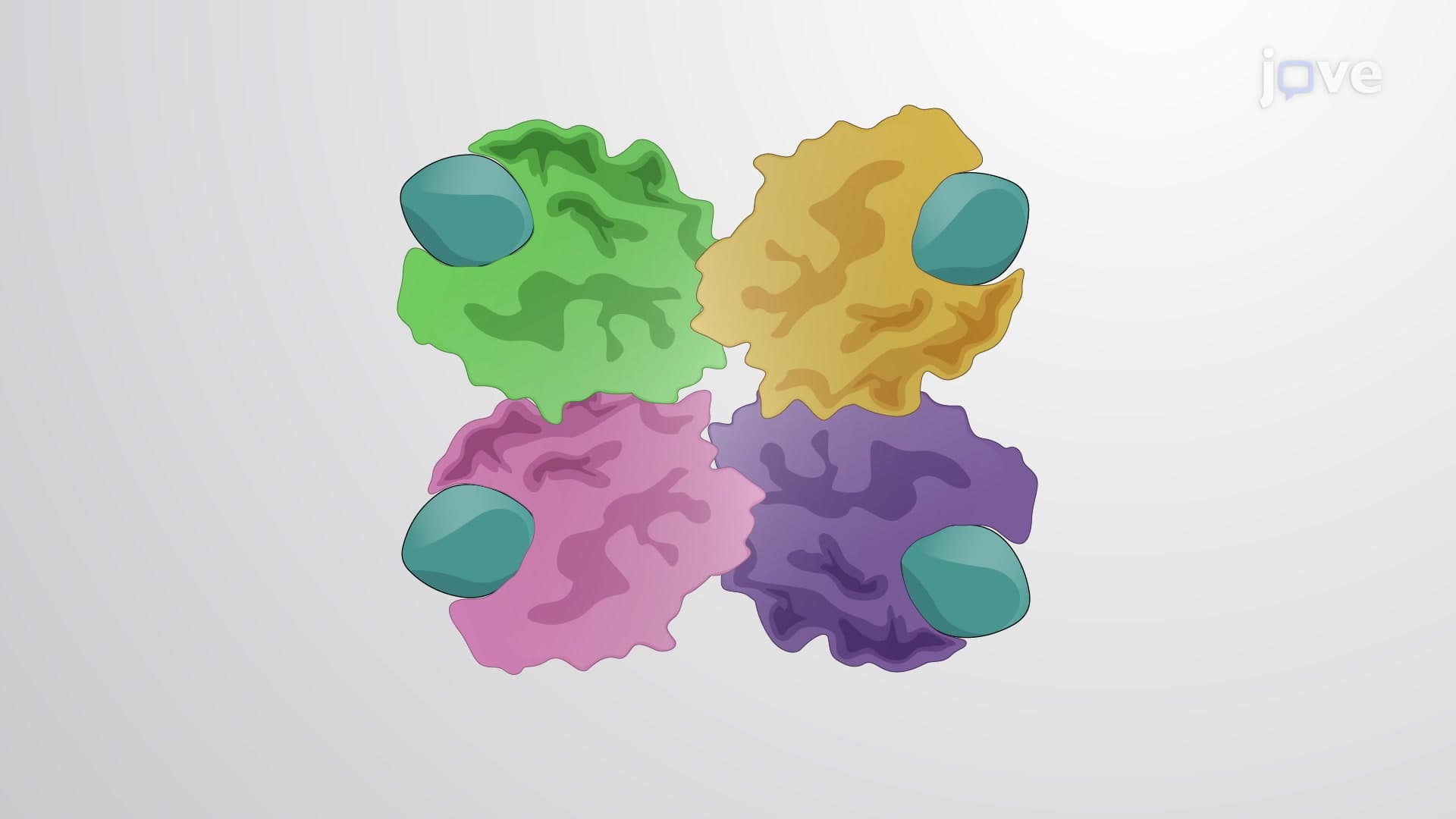
Two primary models explain allosteric behavior. The Monod-Wyman-Changeux (MWC) model assumes proteins switch between two distinct conformational states as complete units. In contrast, the Koshland-Némethy-Filmer (KNF) model proposes that conformational changes occur sequentially as each effector binds. Students preparing for the MCAT often encounter Hill coefficients (nH) as a measure of cooperativity, where nH > 1 indicates positive cooperativity and nH < 1 suggests negative cooperativity. These mathematical relationships help quantify how effectively allosteric proteins amplify small changes in effector concentration.
Allosteric sites have become prime targets for pharmaceutical development because they offer unique advantages over active-site inhibitors. Allosteric modulators can fine-tune protein activity without completely blocking function, reducing side effects. The FDA has approved numerous allosteric drugs, including certain diabetes medications that target allosteric sites on enzymes involved in glucose metabolism. For pre-med students, understanding allosteric drug mechanisms is crucial for USMLE preparation and clinical reasoning.
Related Micro-courses