Loading video…


 17 Concepts
 169.8K views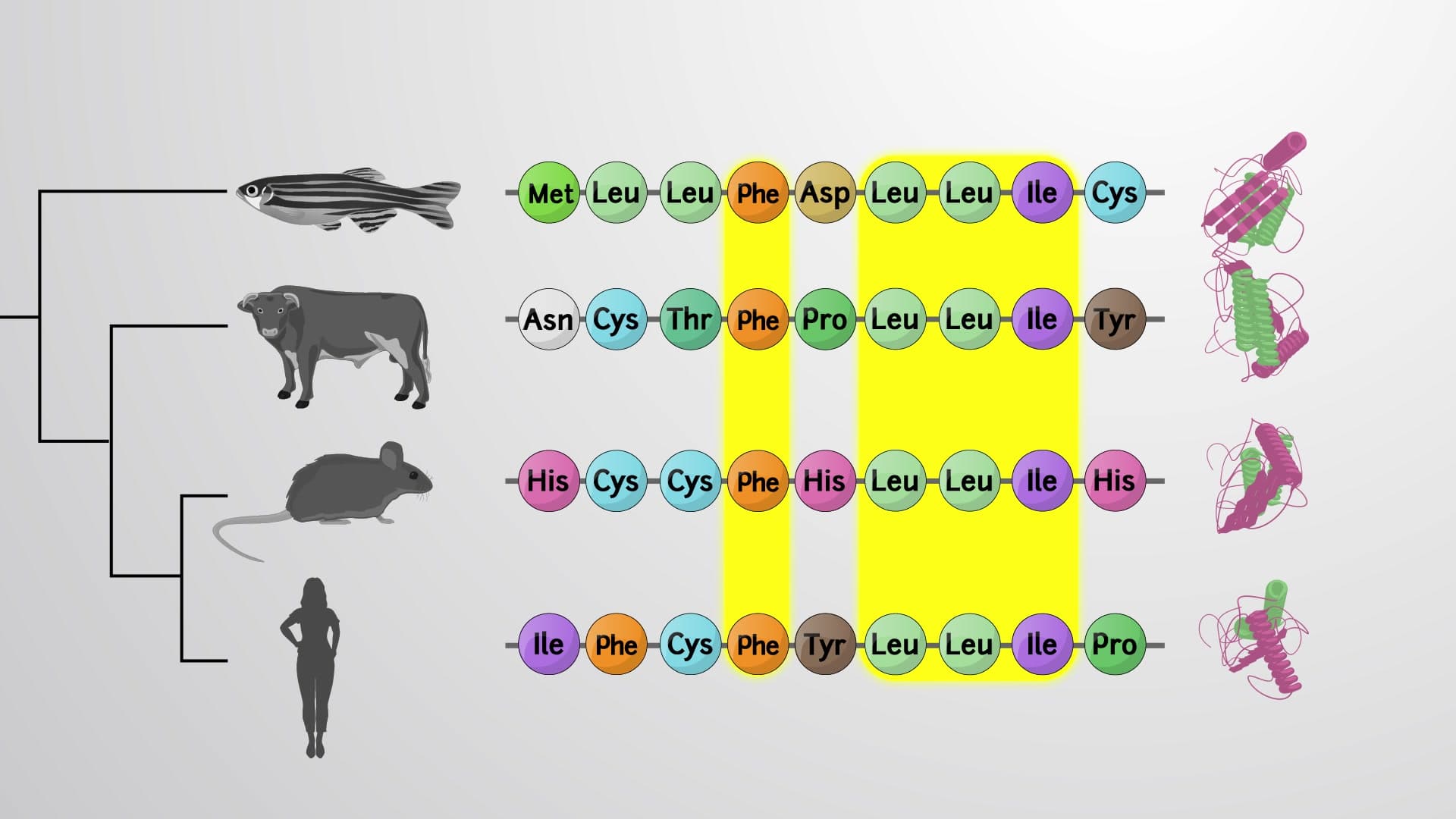

Video Summary: What are Conserved Binding Sites
Ever wonder why your DNA polymerase works almost identically to a fruit fly's? Conserved binding sites are specific amino acid sequences that remain unchanged across different species because they're essential for protein function. These critical regions, like the FF domains found in human transcription factors that bind RNA polymerase II, maintain their structure through millions of years of evolution. Scientists at institutions like Harvard Medical School use evolutionary tracing to map these conserved sequences, helping predict how new proteins will interact with cellular machinery. Watch the full video on JoVE Coach to master this concept with expert-led visuals and step-by-step explanations.
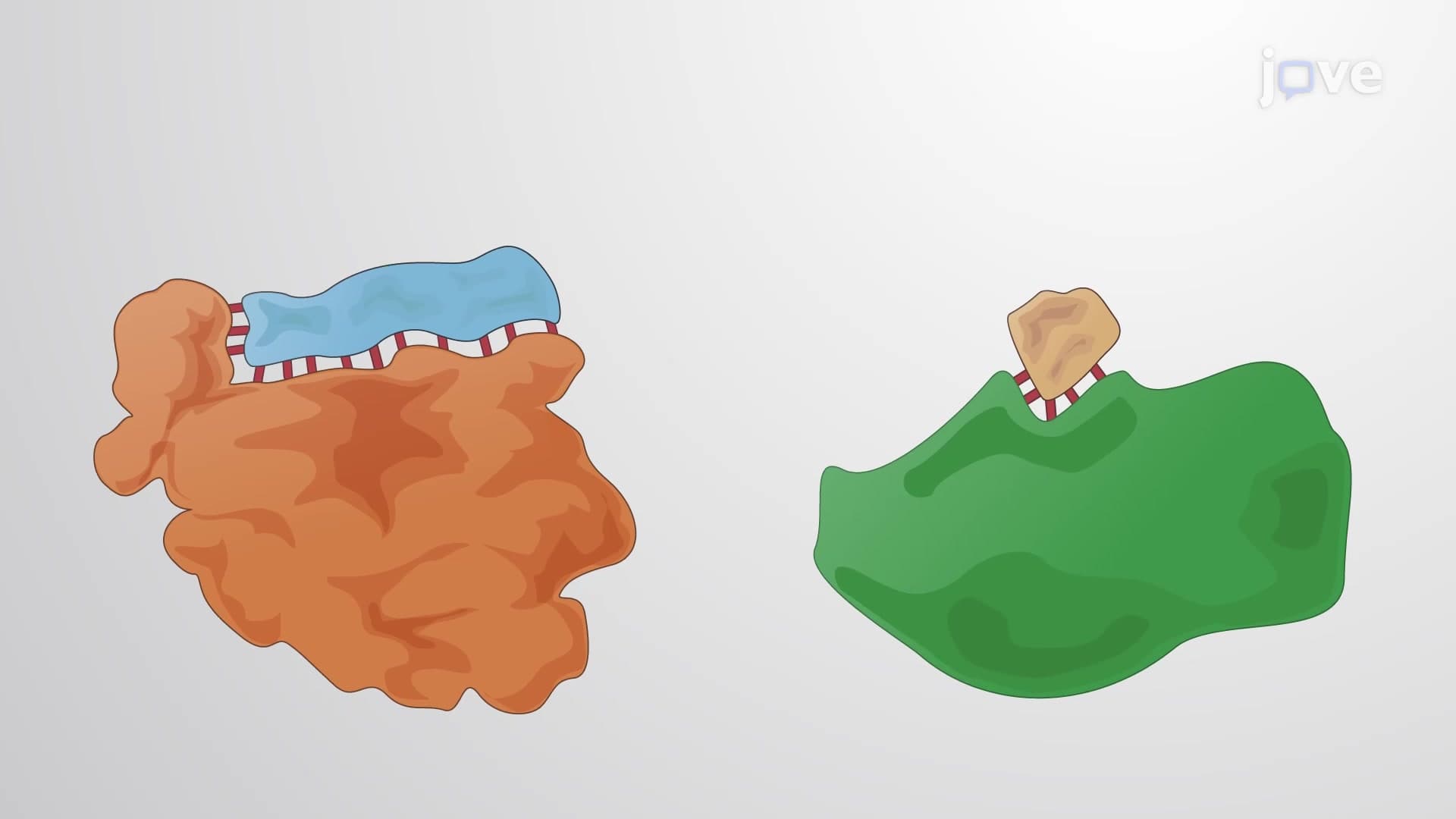
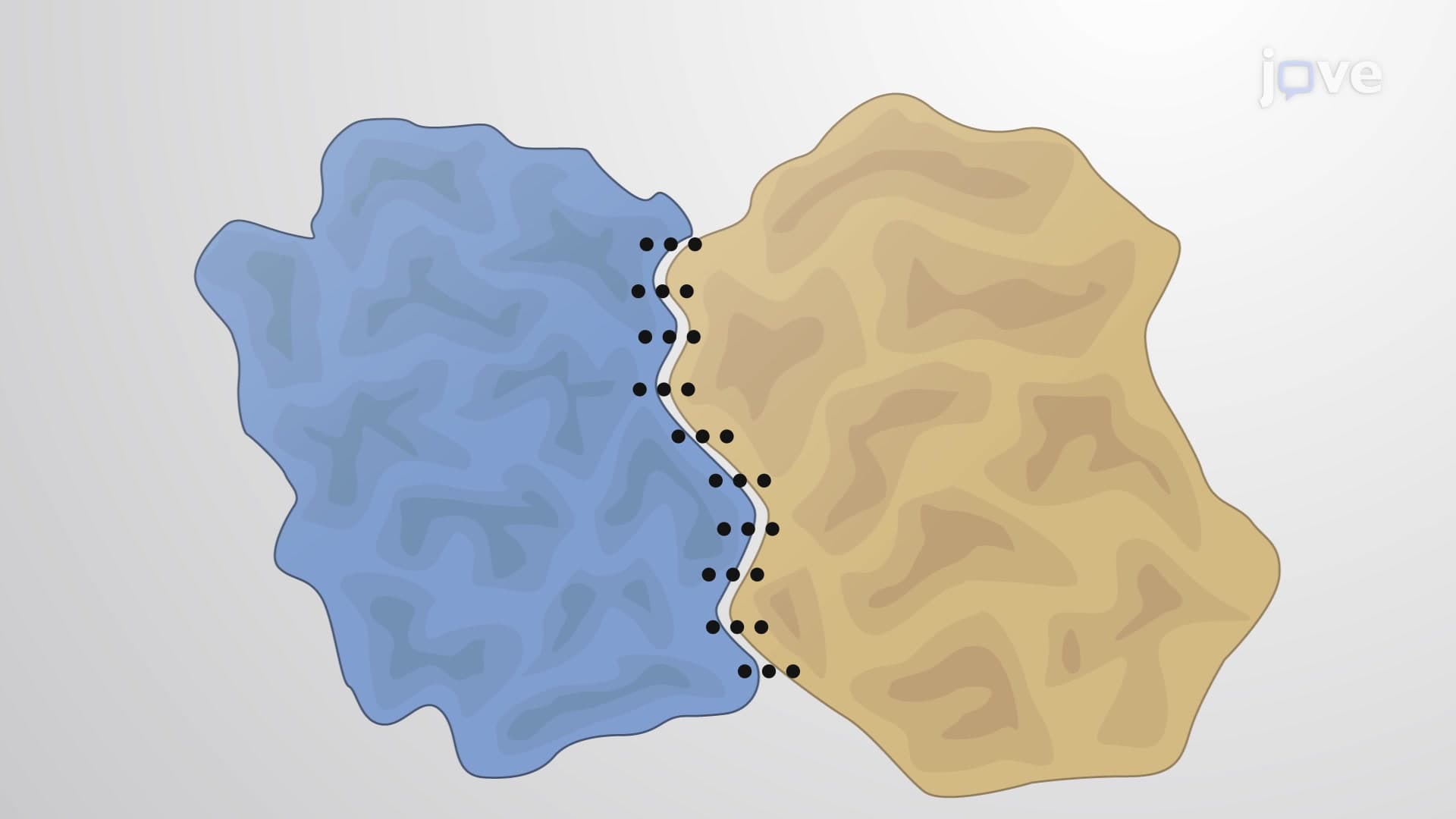
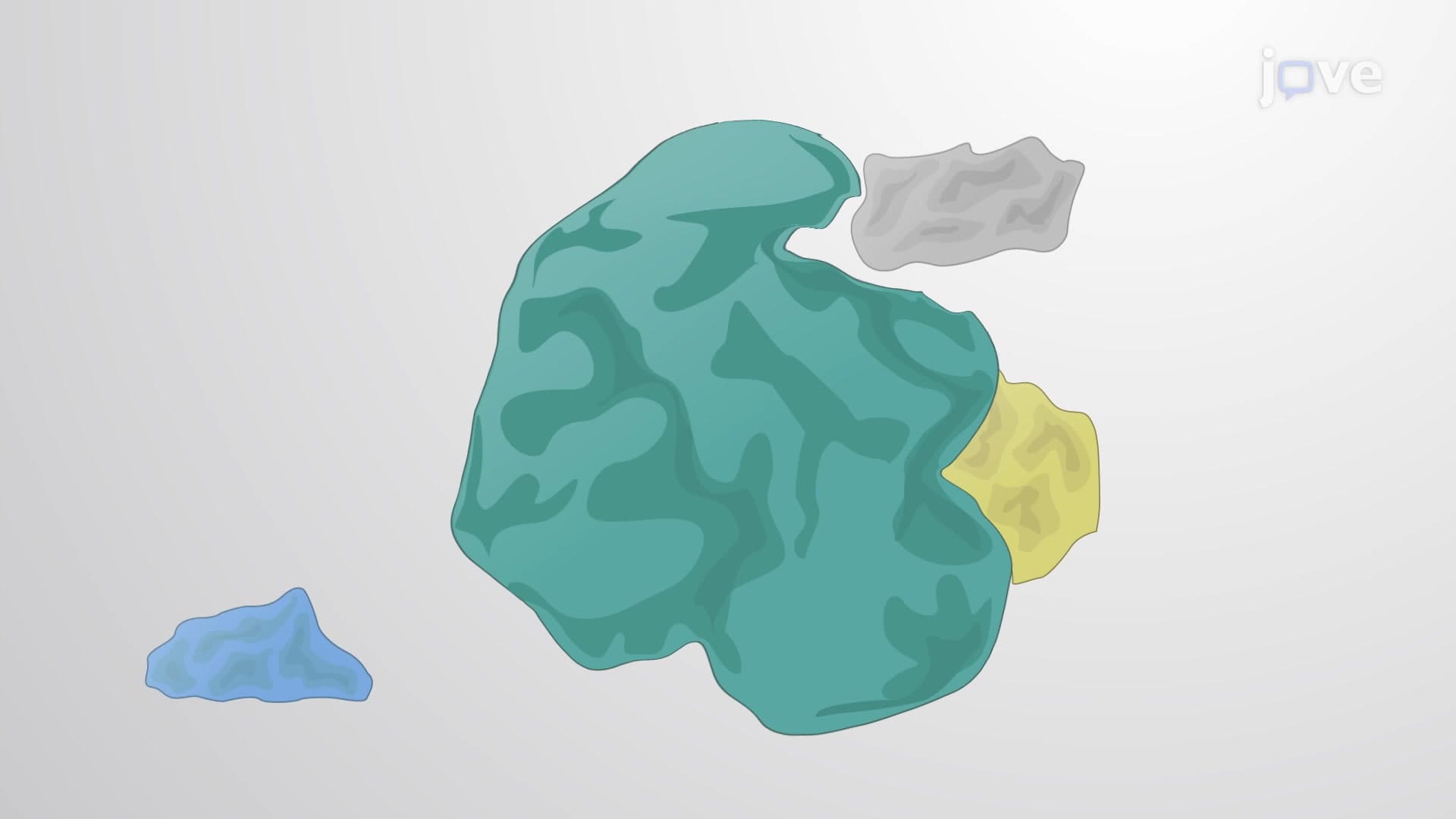
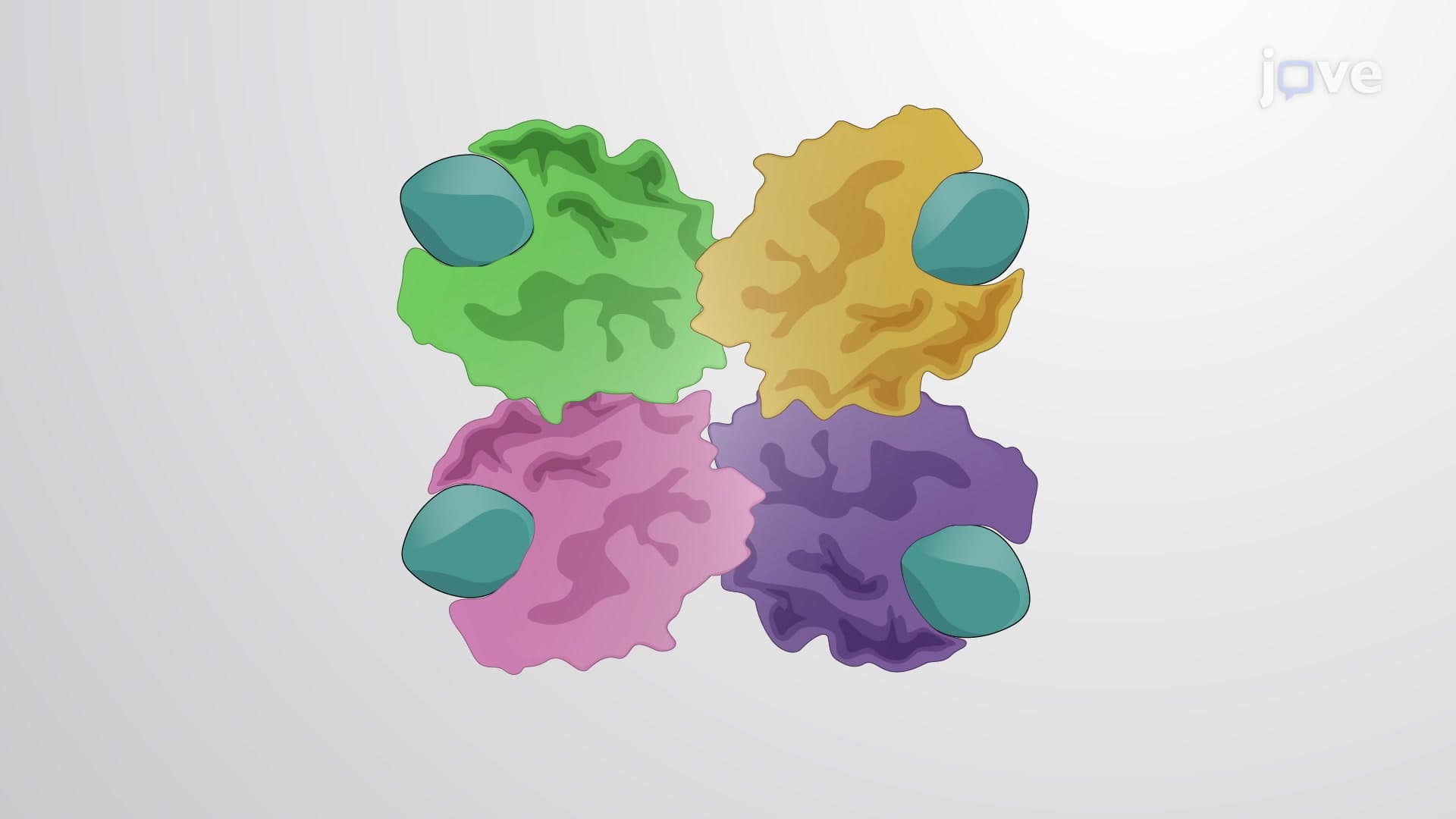
Conserved binding sites represent one of evolution's most elegant solutions to maintaining essential cellular functions across millions of years. These specialized amino acid sequences remain virtually identical across different species because any significant change would compromise the protein's ability to perform its critical role. Think of them as molecular "fingerprints" that natural selection has deemed too important to alter.
Natural selection acts as a quality control mechanism for protein binding sites. When a mutation occurs in a critical binding region, it typically results in loss of function, making the organism less competitive for survival. This creates enormous selective pressure to maintain these sequences exactly as they are. For example, the cytochrome c protein, essential for cellular respiration, shows remarkable conservation across species from yeast to humans-a testament to its vital importance in energy production.
FF domains provide an excellent case study of conserved binding sites in action. Found in numerous nuclear proteins, including transcription factors critical for gene expression, these domains contain two phenylalanine amino acids positioned on separate alpha helices. These phenylalanines, along with several other highly conserved amino acids, create a hydrophobic core that specifically binds to RNA polymerase II. This interaction is so crucial for transcription that even minor changes to these amino acids can completely disrupt cellular function-which is why they've remained unchanged through evolutionary time.
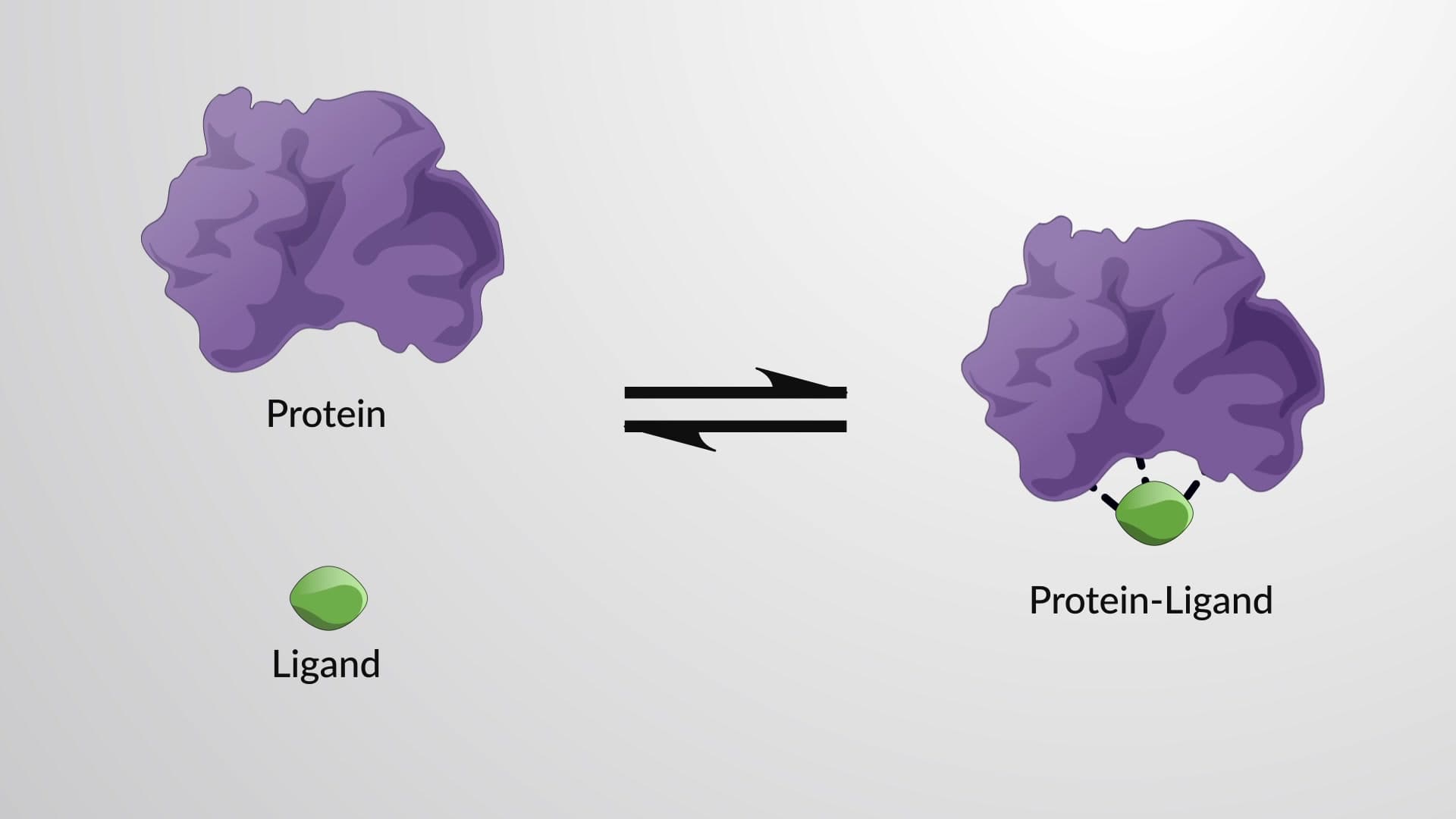
Understanding conserved binding sites has revolutionized drug discovery and protein engineering. Pharmaceutical companies like Pfizer and Moderna use this knowledge to design medications that target specific binding sites across species barriers. In academic settings, researchers at institutions like Johns Hopkins and Stanford employ evolutionary tracing techniques-computational methods that compare protein sequences across multiple species to identify these conserved regions. This approach helps predict how novel proteins will behave and interact with existing cellular machinery.
Students preparing for AP Biology, MCAT, or college biochemistry courses should focus on how these concepts apply to enzyme-substrate interactions and receptor-ligand binding. Practice identifying conserved regions in protein alignments and understanding why certain amino acids are more likely to be conserved than others based on their chemical properties and structural roles.
Related Micro-courses