Loading concepts…


10 Concepts
11 Concepts
11 Concepts
17 Concepts
20 Concepts
16 Concepts
16 Concepts
21 Concepts
11 Concepts
15 Concepts
14 Concepts
21 Concepts
8 Concepts
15 Concepts
17 Concepts
19 Concepts
11 Concepts
18 Concepts
6 Concepts
21 Concepts
 15 Concepts
 112.2K Views
 Popular topics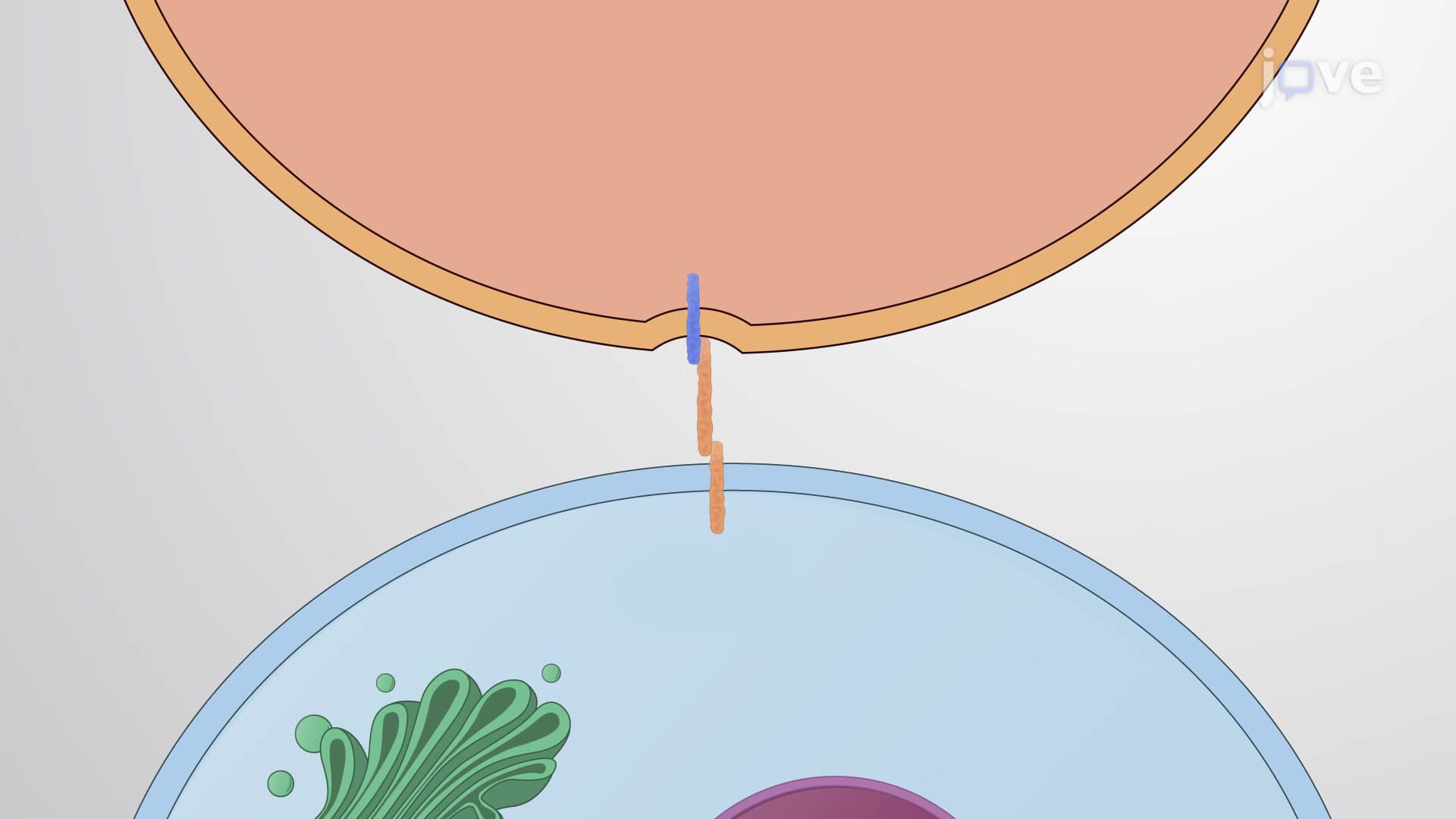
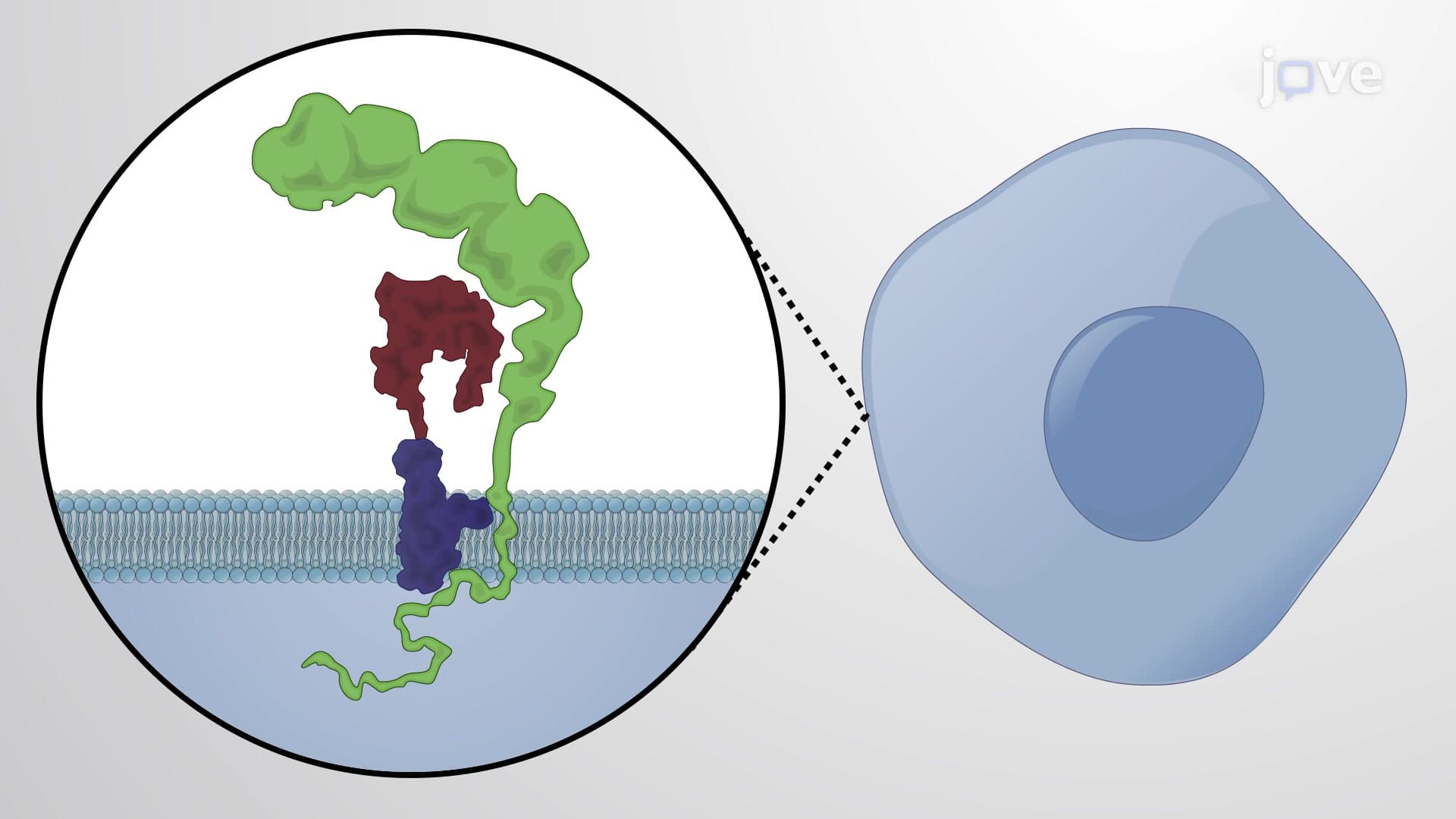
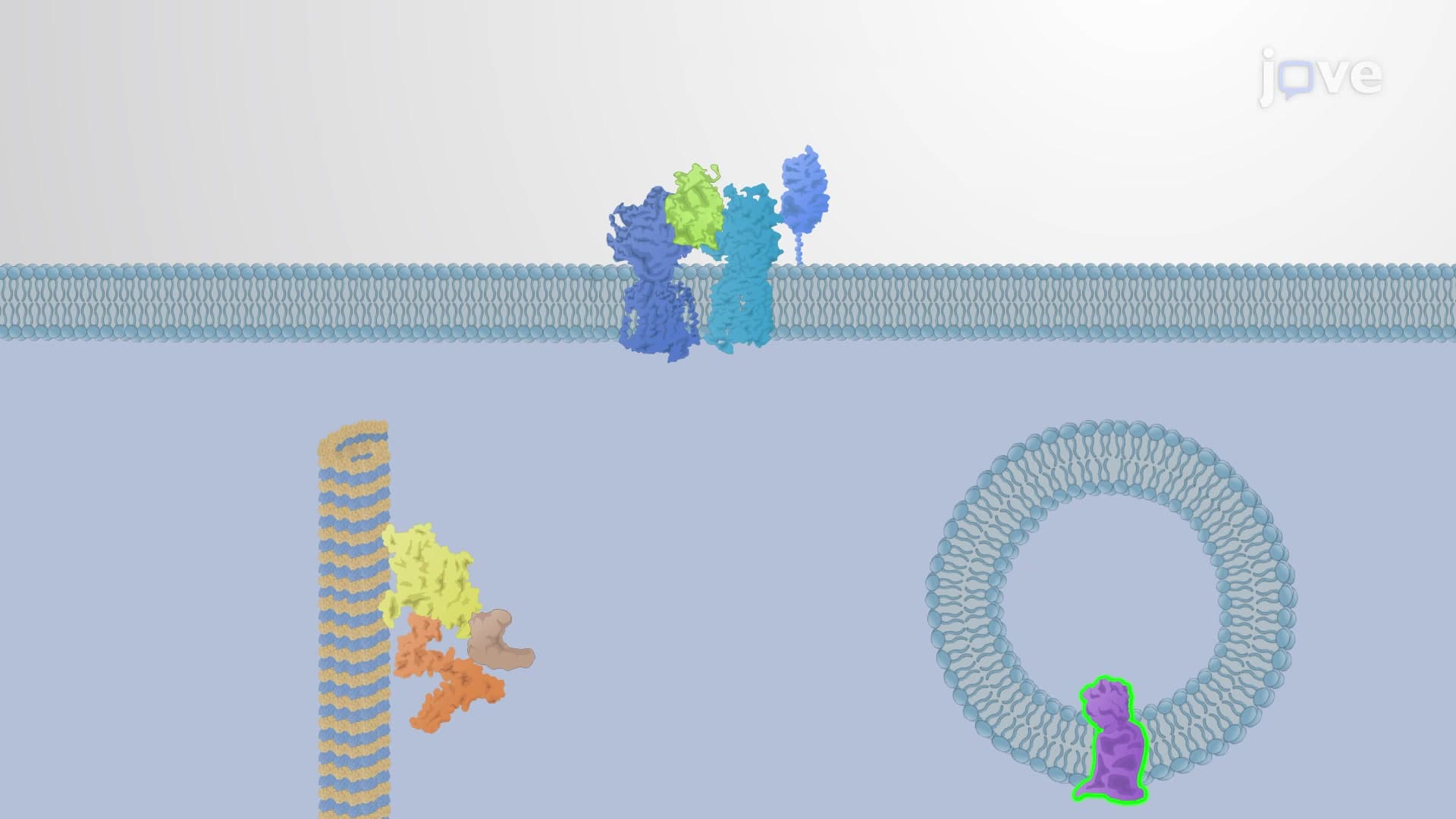
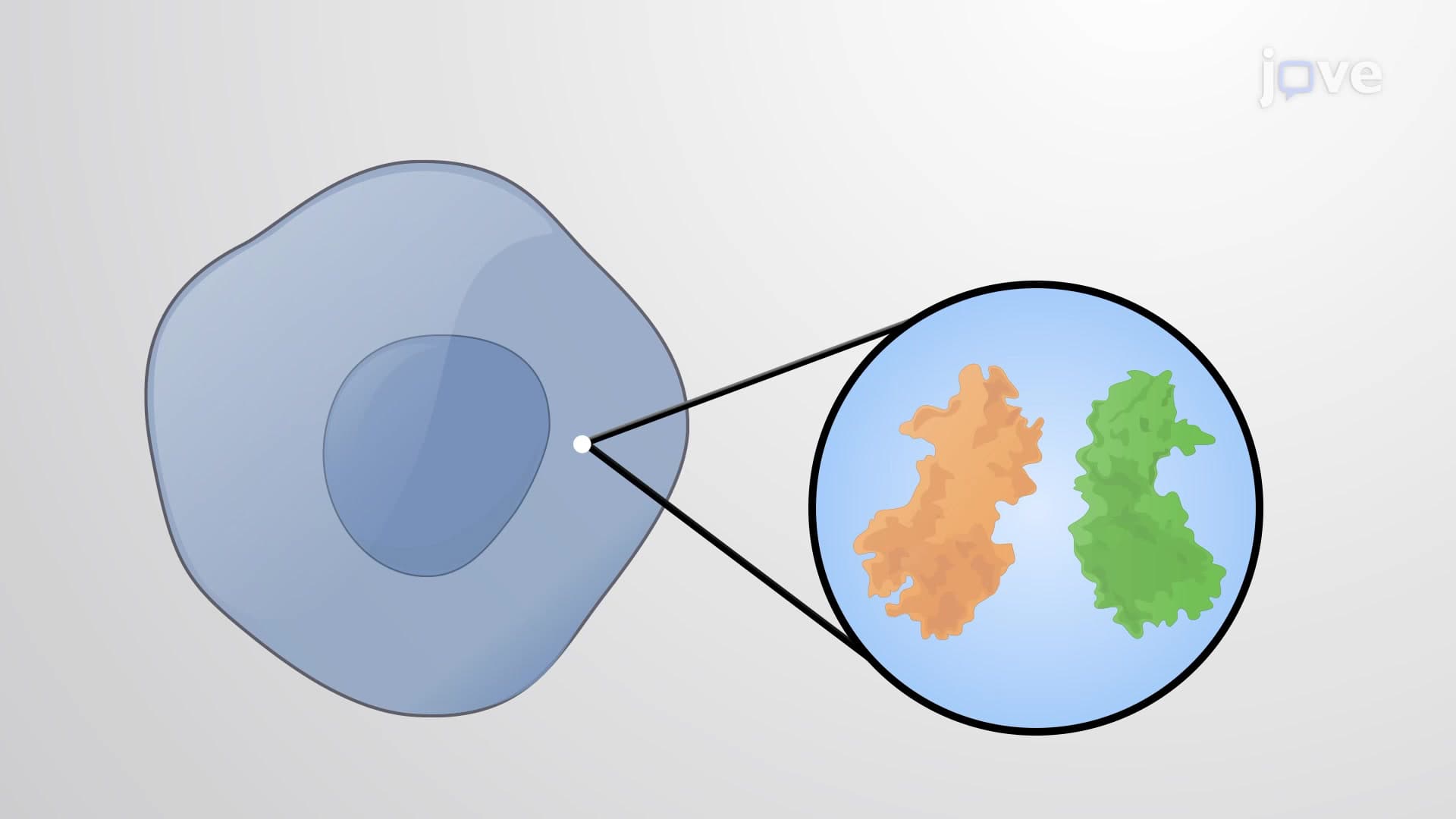

Cell signaling pathways are fundamental communication networks that enable cells to receive, process, and respond to environmental stimuli through complex molecular mechanisms. This comprehensive course, delivered through JoVE Coach, examines major cell signaling pathways in biology including MAPK, Wnt, Notch, and Hedgehog pathways, along with intracellular signal transduction mechanisms essential for cellular function and homeostasis in human physiology.
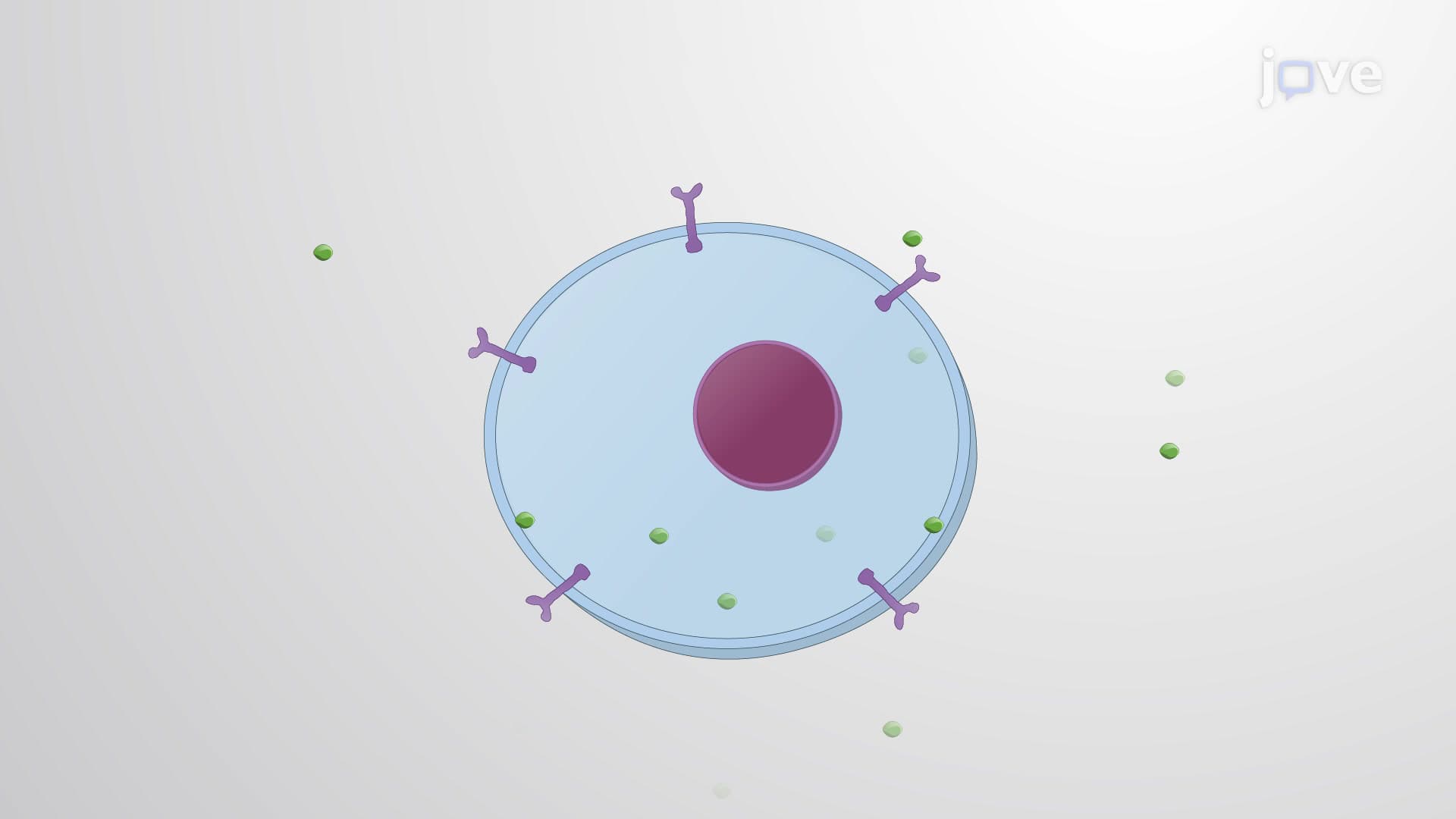
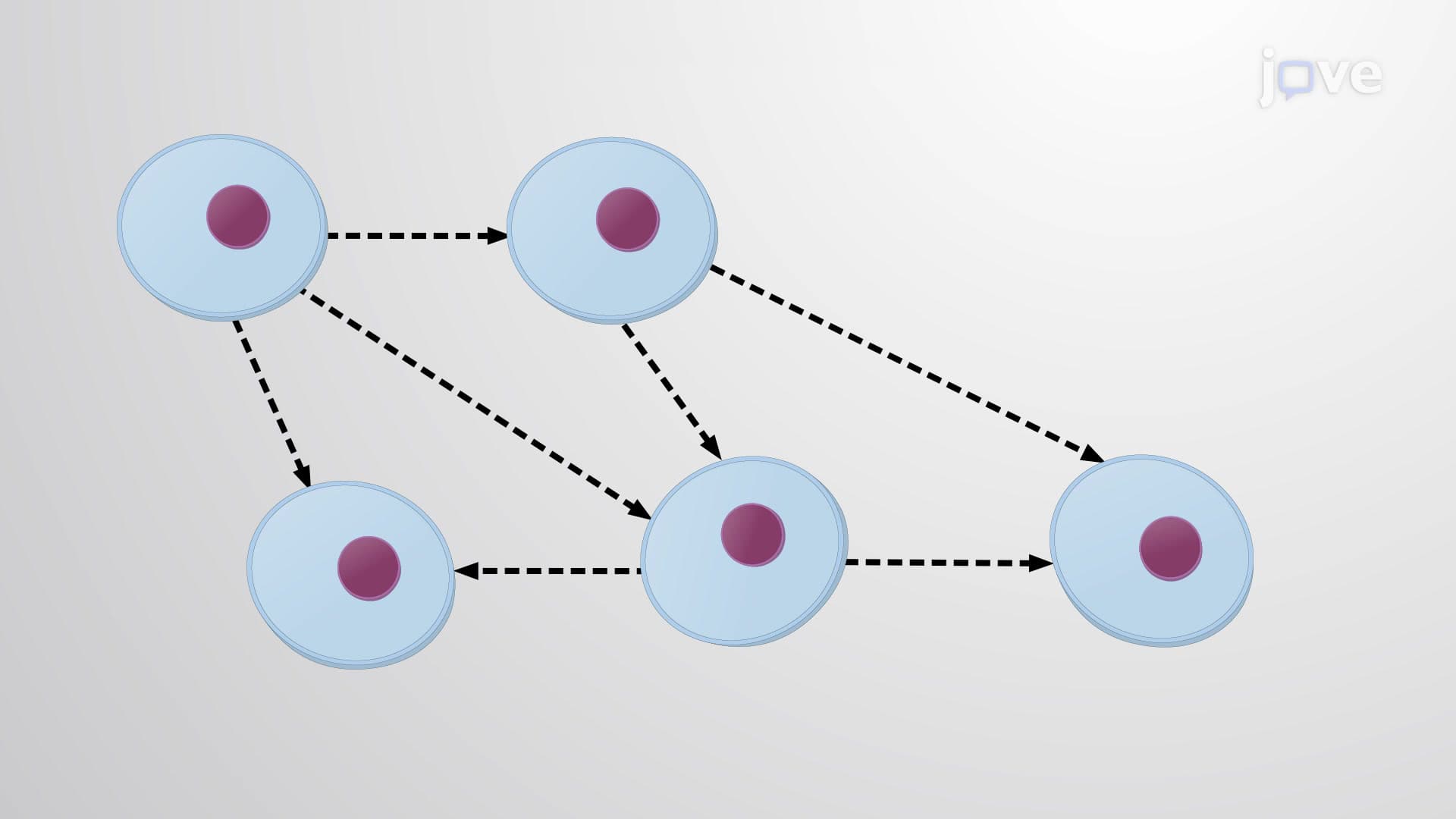
1. Fundamental Cell Communication Mechanisms: Cell signaling pathways represent the sophisticated communication systems that govern all cellular activities, from basic metabolic processes to complex developmental programs. These pathways involve three essential components: signal reception through specific receptors, signal transduction via molecular cascades, and cellular response through changes in gene expression or enzyme activity. Understanding these mechanisms is crucial for comprehending how cells in the human body coordinate functions, respond to hormones like insulin during blood sugar regulation, and maintain homeostasis during stress responses such as the fight-or-flight reaction mediated by epinephrine.
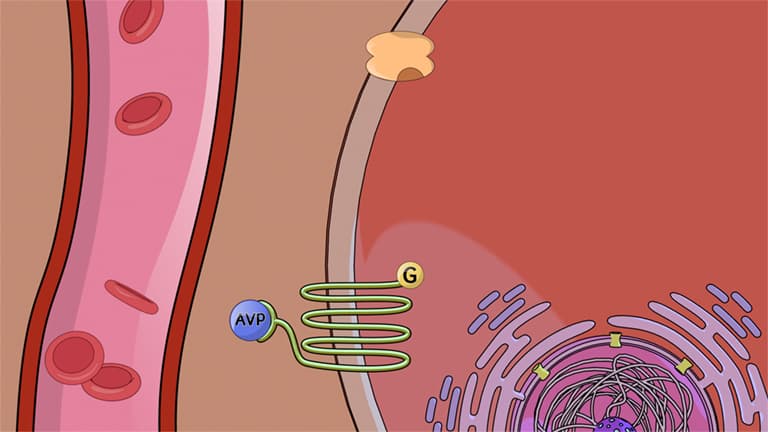
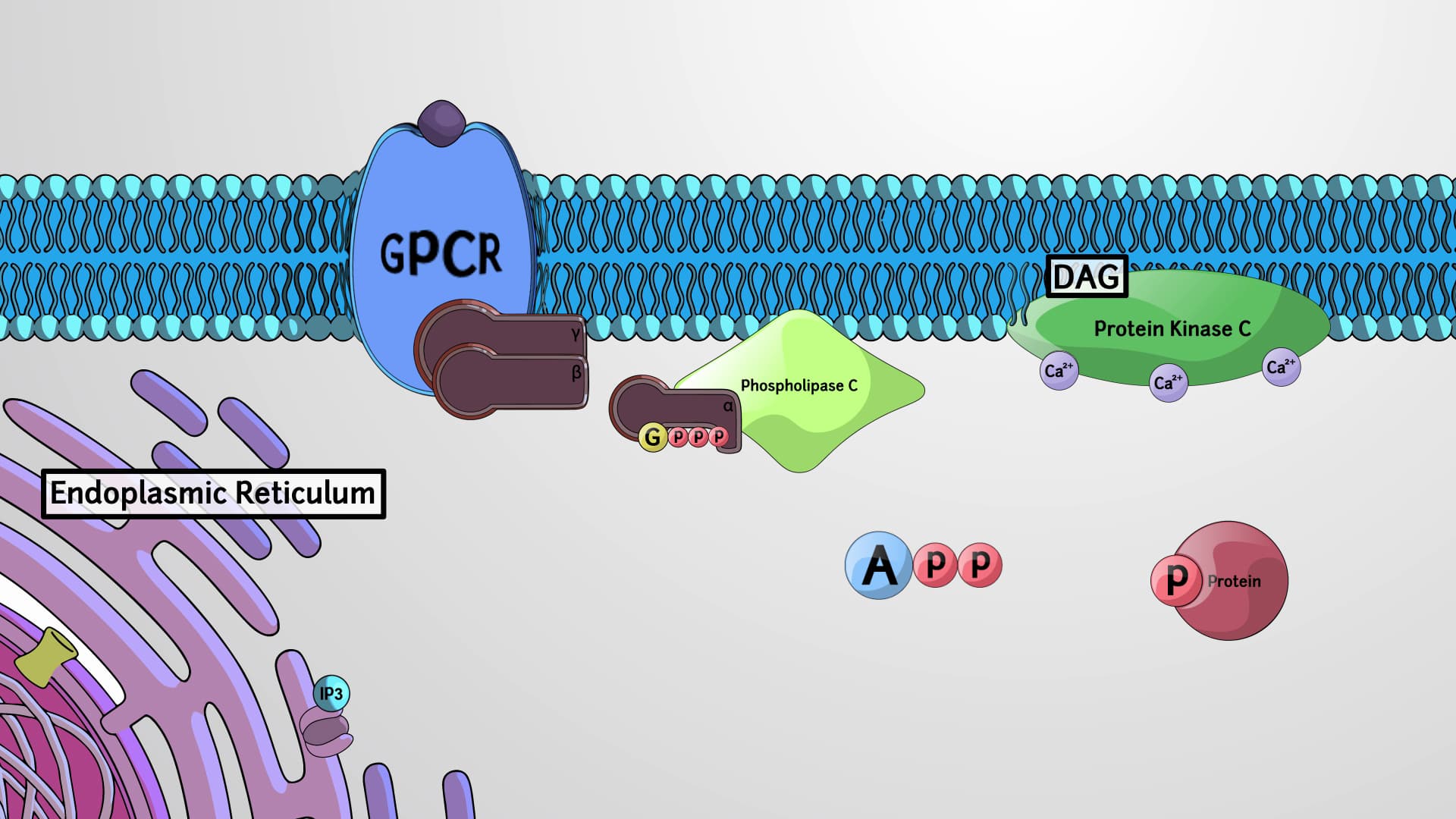
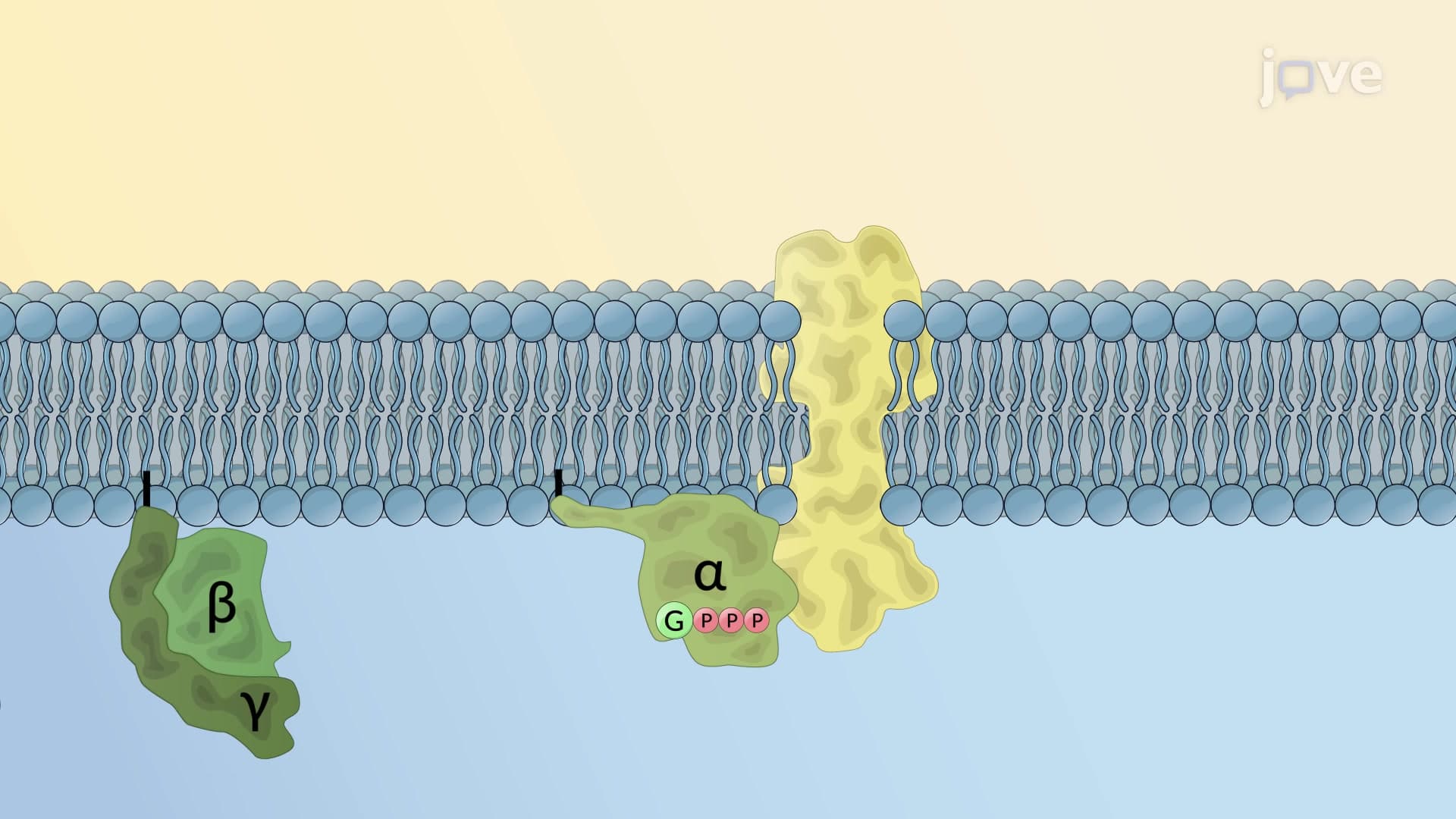
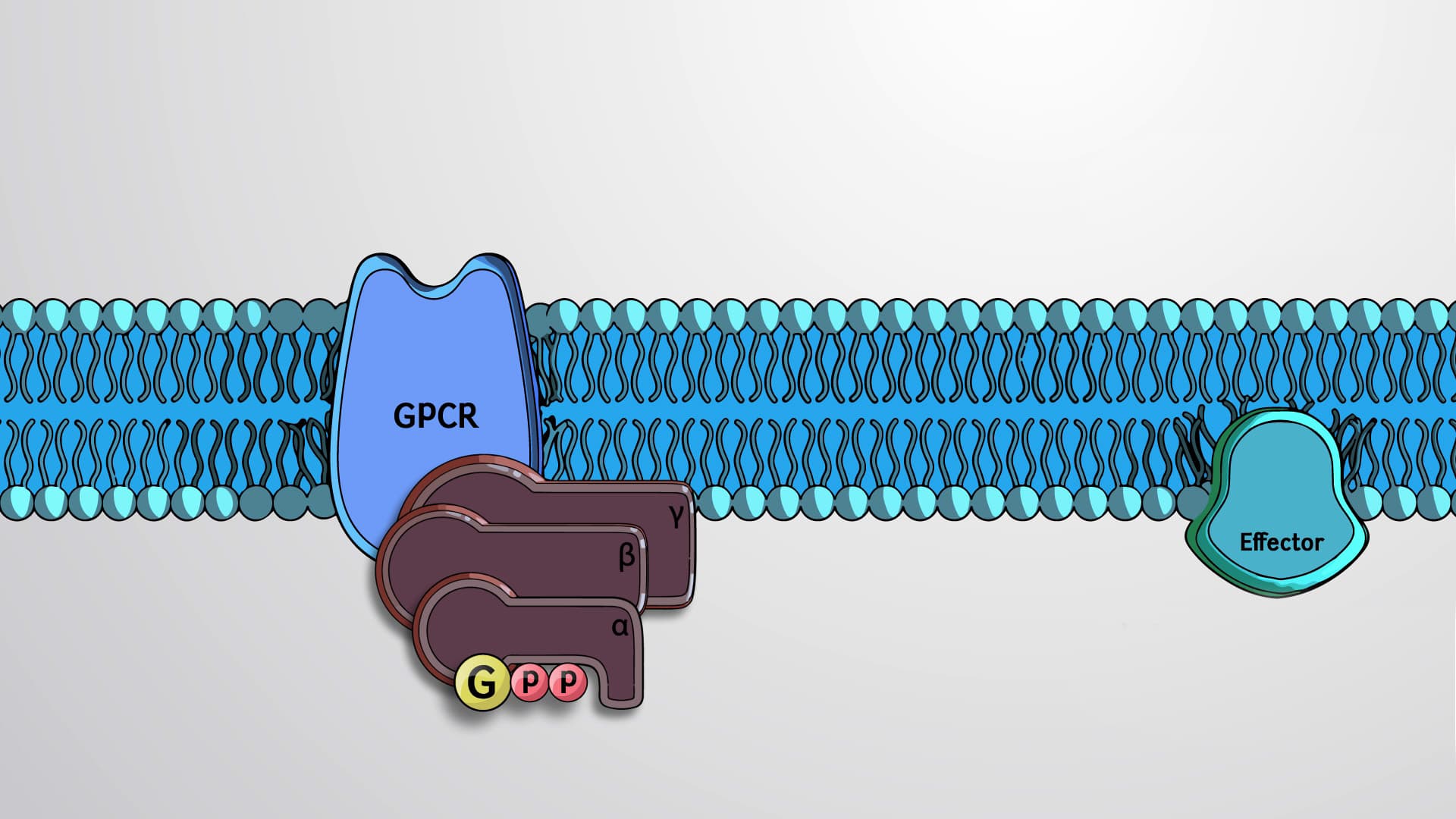
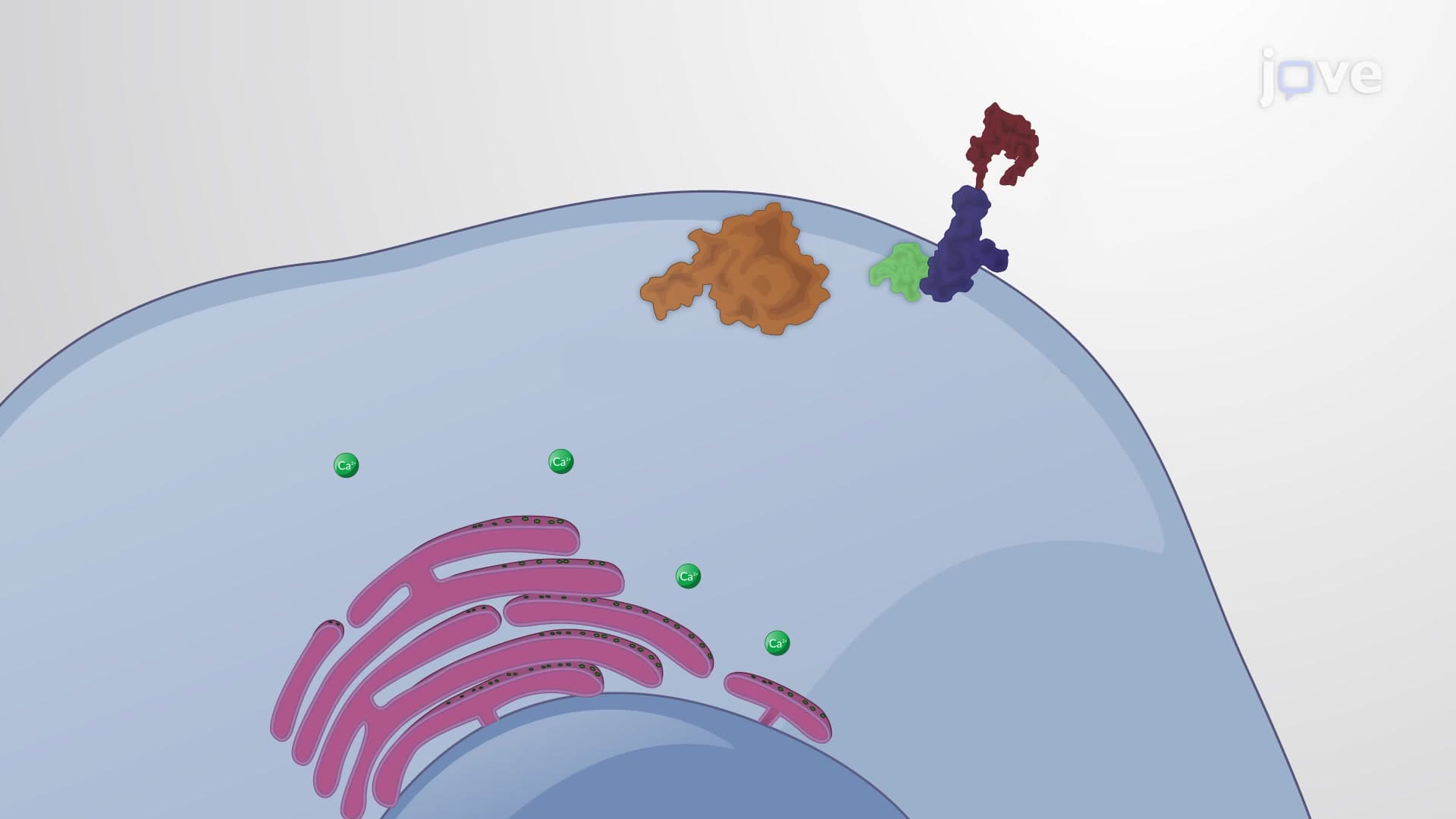
2. G-Protein Coupled Receptors and Second Messenger Systems: G-protein coupled receptors (GPCRs) constitute the largest family of membrane receptors and are targets for approximately 40% of all prescription medications in the United States. These seven-transmembrane receptors detect diverse signals including light in vision, odors in smell, and hormones like adrenaline. Upon activation, GPCRs trigger the production of second messengers such as cAMP and calcium ions, which amplify signals throughout the cell. The cAMP pathway is particularly important in medical contexts, as beta-blockers used to treat hypertension work by blocking beta-adrenergic GPCRs, while many antidepressants affect serotonin GPCRs in the brain.
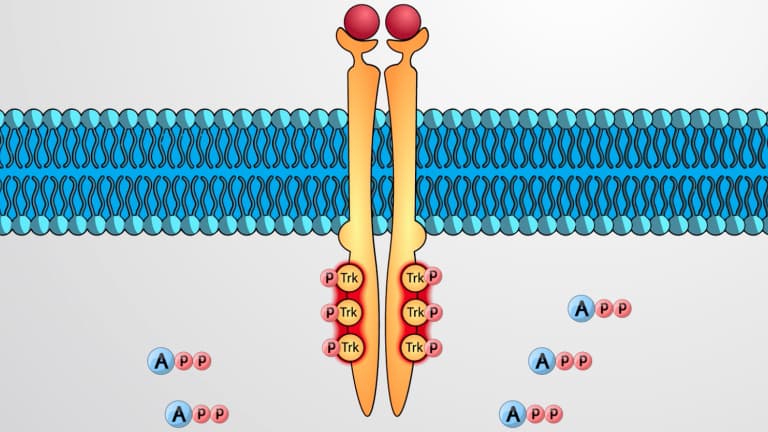
3. Enzyme-Linked Receptors and Growth Factor Signaling: Receptor tyrosine kinases (RTKs) are critical enzyme-linked receptors that respond to growth factors and regulate cell proliferation, differentiation, and survival. When growth factors like epidermal growth factor (EGF) bind to RTKs, they trigger autophosphorylation and activate downstream pathways including the MAPK cascade and PI3K signaling. These pathways are frequently disrupted in cancer, making them important therapeutic targets. For example, the drug Herceptin used in breast cancer treatment specifically targets the HER2 receptor, while EGFR inhibitors are used in lung cancer therapy at major cancer centers like MD Anderson and Mayo Clinic.
4. Major Developmental Signaling Pathways: The Wnt, Notch, and Hedgehog signaling pathways are evolutionarily conserved systems that control embryonic development and adult tissue maintenance. Wnt signaling regulates stem cell renewal and is often dysregulated in colorectal cancer, leading to treatments targeting this pathway. Notch signaling controls cell fate decisions and is crucial for proper development of the nervous system and blood vessels. Hedgehog signaling guides tissue patterning during development and, when abnormal, can cause birth defects or cancers like basal cell carcinoma. These pathways are extensively studied at research institutions like Harvard Medical School and Stanford University for their roles in regenerative medicine.
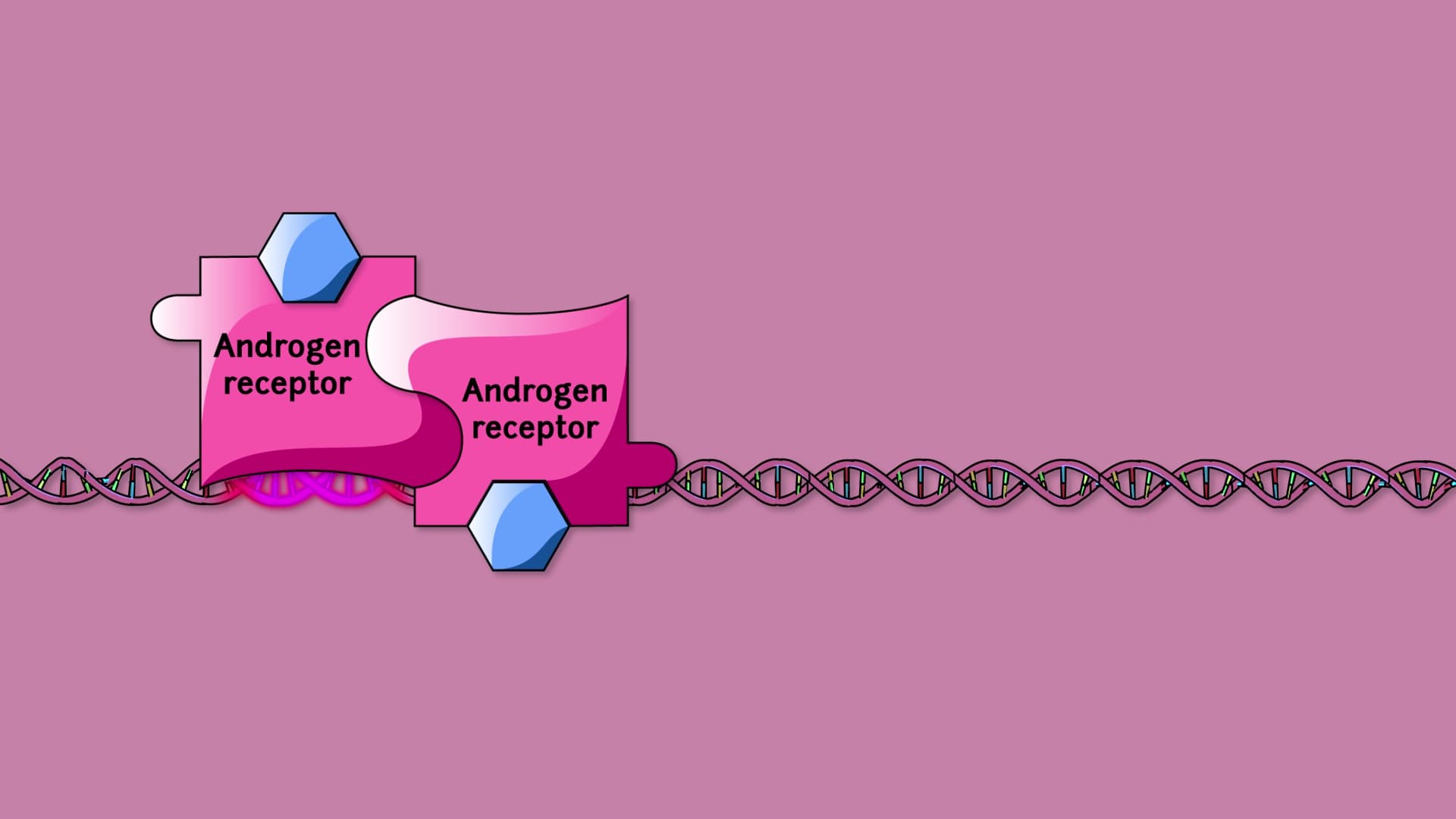
5. Intracellular Signal Transduction and Nuclear Signaling: Internal receptors, including steroid hormone receptors, directly regulate gene transcription by binding to DNA response elements. These receptors mediate the effects of hormones like cortisol, testosterone, and estrogen, which diffuse through cell membranes to reach their intracellular targets. The glucocorticoid receptor pathway is particularly relevant in clinical medicine, as synthetic corticosteroids are widely prescribed anti-inflammatory medications. Additionally, the NF-κB signaling pathway serves as a master regulator of inflammatory responses and immune system activation, playing crucial roles in conditions ranging from arthritis to sepsis treated in US hospitals.
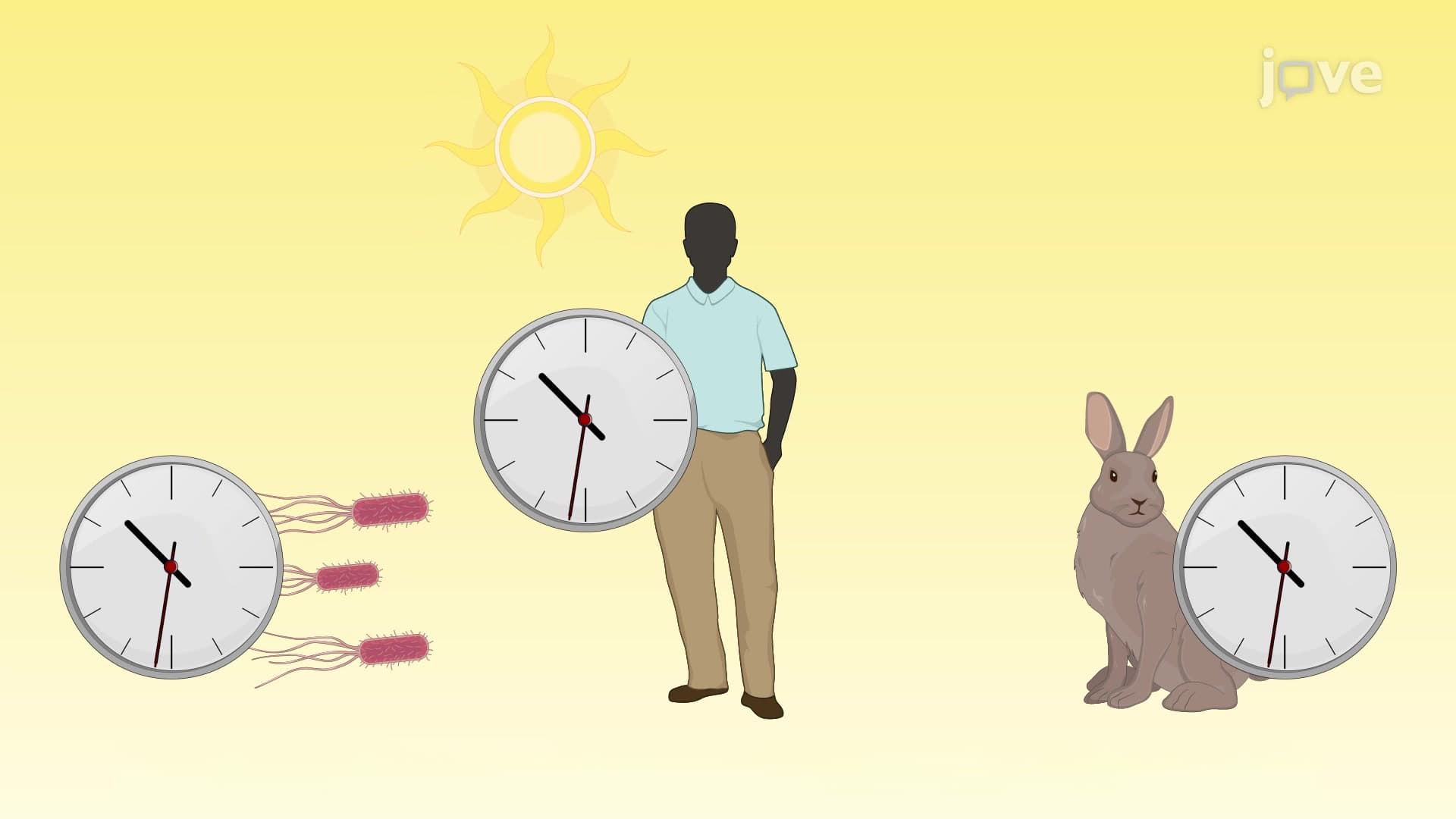
6. Circadian Rhythms and Temporal Gene Regulation: Circadian signaling pathways control the 24-hour biological clock that regulates sleep-wake cycles, hormone release, and metabolic processes. The molecular clock mechanism involves transcriptional feedback loops where Clock and BMAL1 proteins activate Period and Cryptochrome genes, whose protein products then inhibit their own transcription. Disruption of circadian signaling contributes to various health problems including diabetes, depression, and cardiovascular disease. This research has practical implications for shift work policies in US healthcare systems and has led to chronotherapy approaches where medication timing is optimized based on circadian rhythms, as studied at institutions like Northwestern University and University of California system.