Loading subject page…


112,227 views

Video Summary: What Is Canonical Wnt Signaling Pathway
Did you know that a single protein family controls whether your cells live, die, or become cancerous? The canonical Wnt signaling pathway is a master regulator of cell fate, governing everything from embryonic development to cancer progression. In diseases like colorectal cancer-affecting over 150,000 Americans annually-mutations in this pathway drive uncontrolled cell growth. What is canonical Wnt signaling pathway and how does it maintain the delicate balance between cell survival and death? Watch the full video on JoVE Coach to master this concept with expert-led visuals and step-by-step explanations.
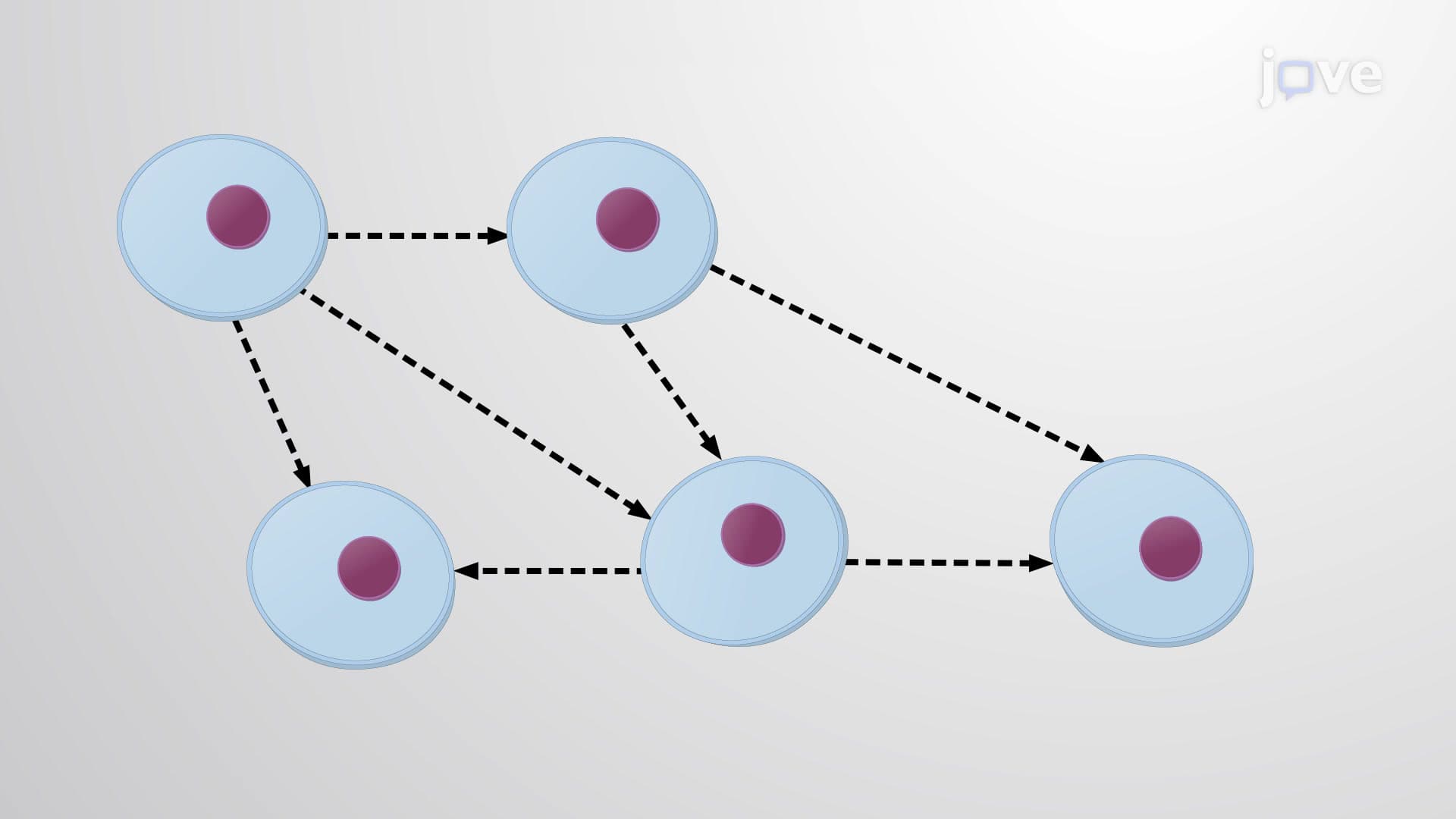
The canonical Wnt signaling pathway represents one of biology's most fundamental communication networks, orchestrating cellular decisions that determine tissue formation, maintenance, and disease. Named after the Wingless gene in fruit flies and the Int-1 gene in mammals, Wnt proteins serve as molecular messengers that travel between cells to coordinate complex developmental programs.
This pathway operates like a cellular switch-either "on" when Wnt signals are present, or "off" in their absence. When functioning properly, it maintains tissue homeostasis and enables proper development. However, when dysregulated, it becomes a major driver of cancer, particularly in the colon where over 90% of tumors show aberrant Wnt signaling.
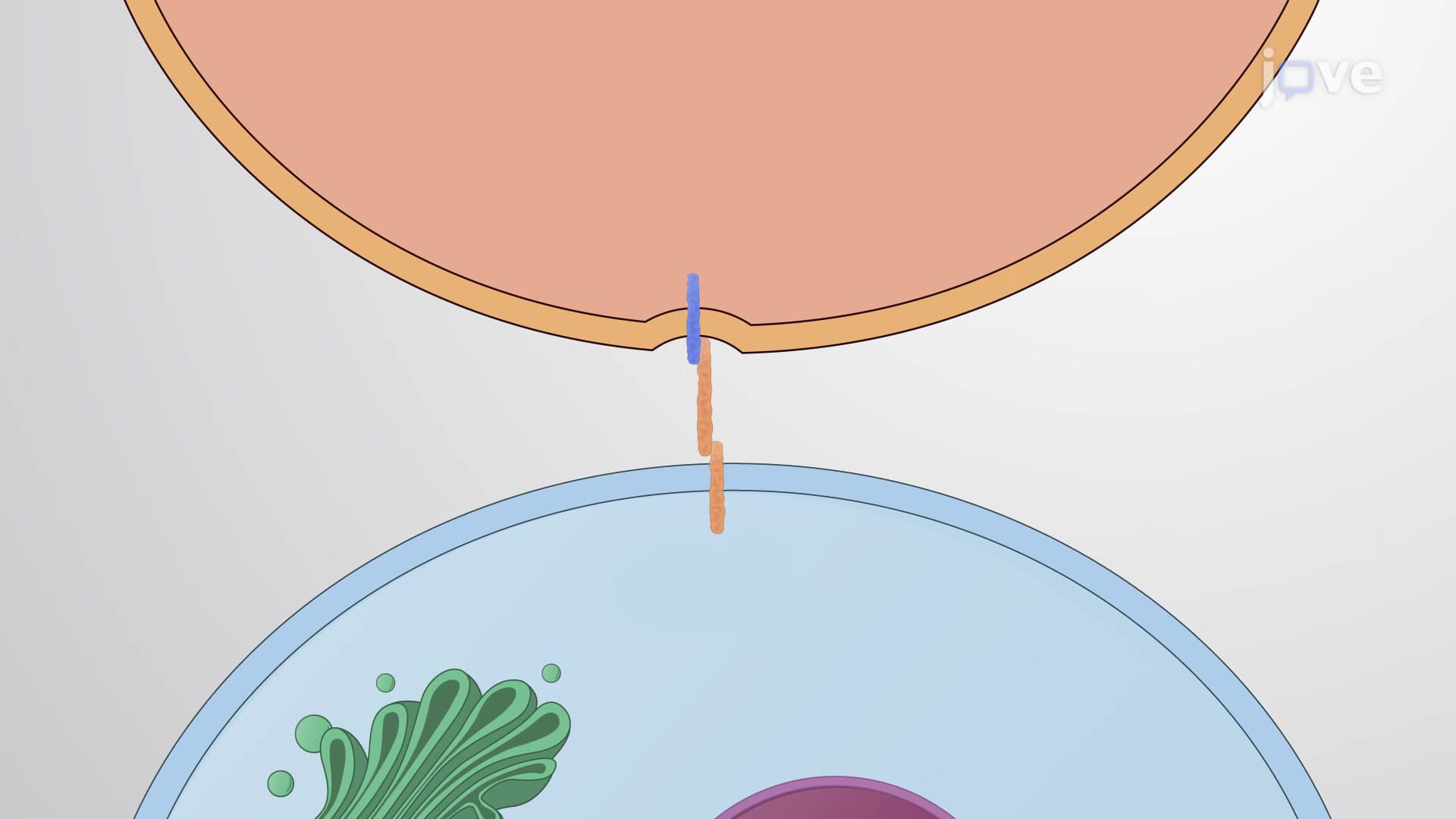
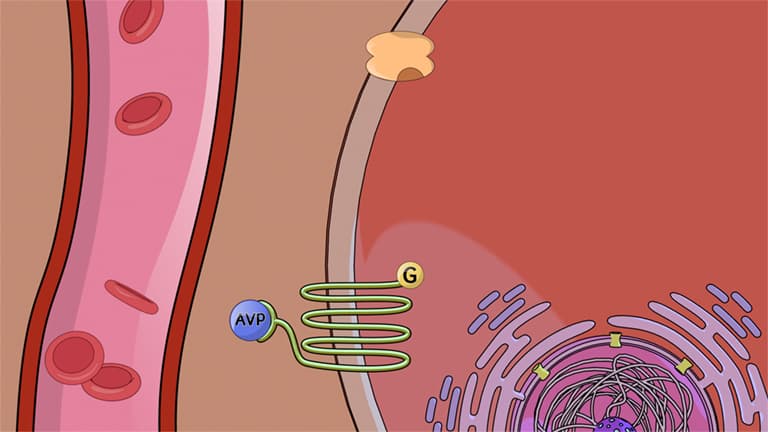
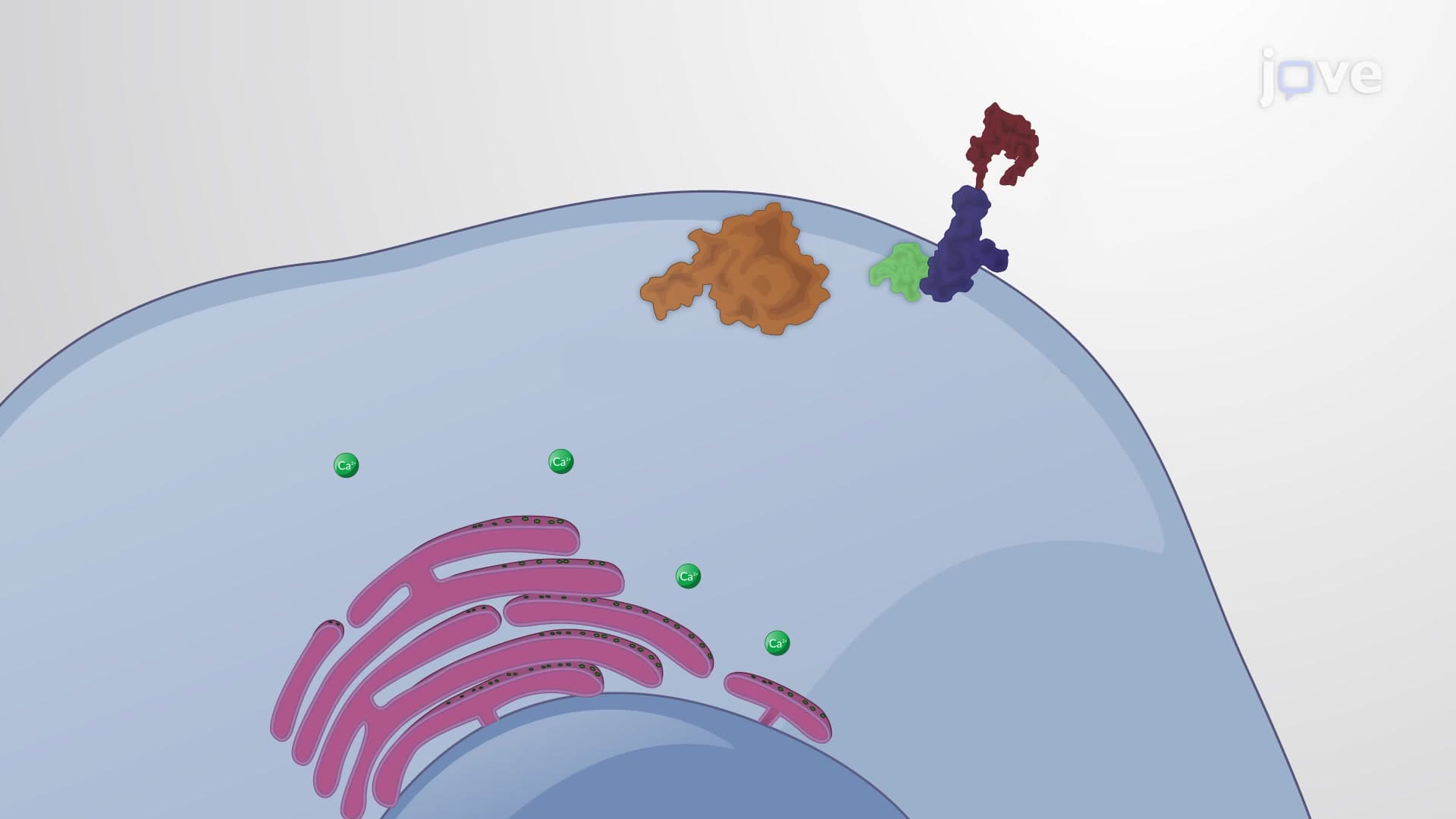
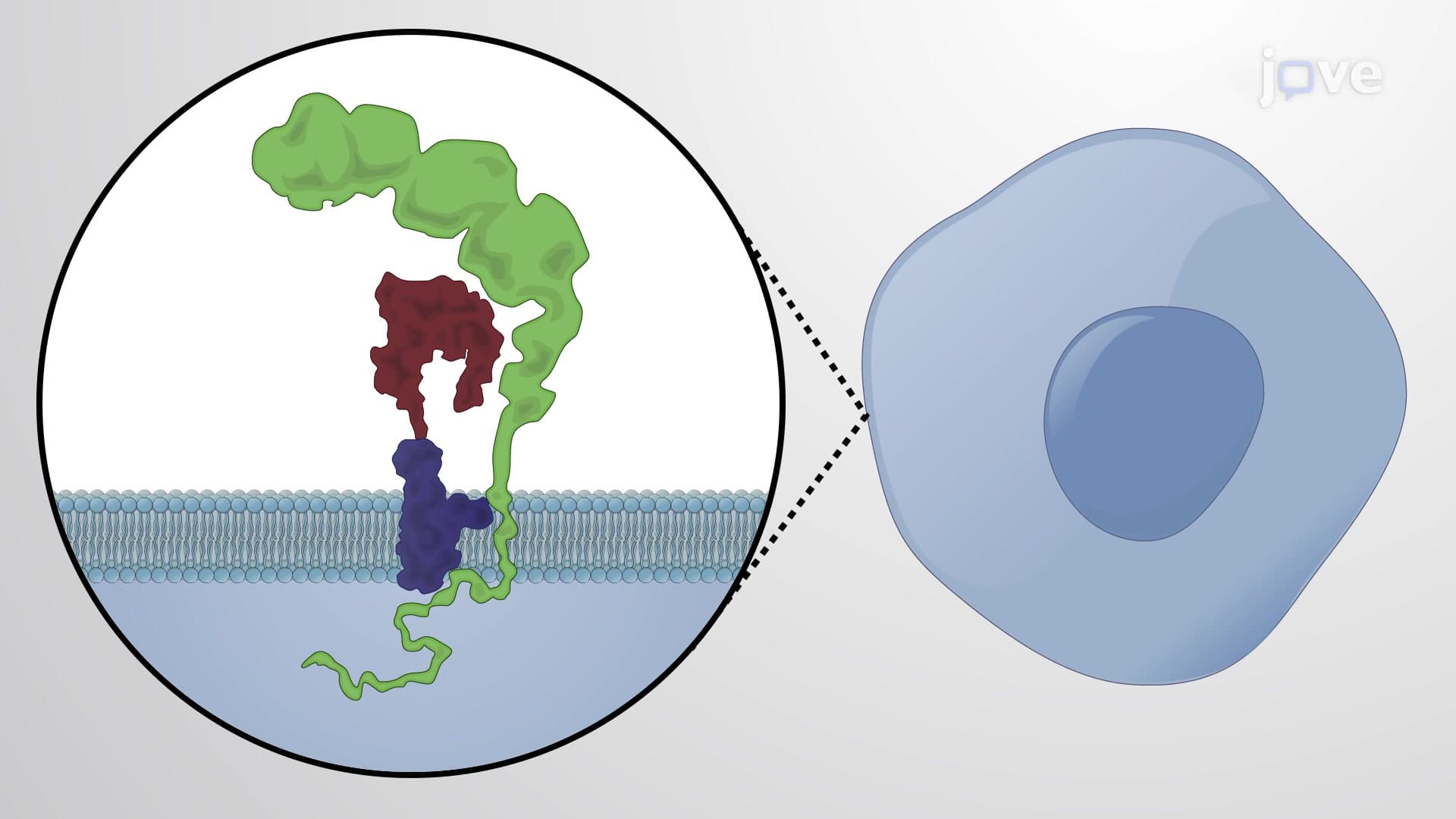
The canonical Wnt signaling pathway involves several critical molecular components working in concert. Wnt proteins, secreted by signaling cells, bind to Frizzled receptors and LRP5/6 co-receptors on target cells. This binding event triggers a cascade that ultimately controls β-catenin, the pathway's central effector protein.
β-catenin serves dual functions: structural support in cell adhesion and transcriptional regulation in the nucleus. Under normal conditions without Wnt signals, a "destruction complex" containing proteins like APC, Axin, GSK-3β, and CK1α continuously marks β-catenin for degradation. This prevents inappropriate gene activation that could lead to uncontrolled cell division.
When Wnt proteins bind their receptors, they recruit the destruction complex to the cell membrane through Dishevelled protein activation. This recruitment effectively "turns off" the destruction complex, allowing β-catenin to accumulate in the cytoplasm. Stabilized β-catenin then translocates to the nucleus, where it partners with TCF/LEF transcription factors to activate target genes.
Key target genes include cyclin D1 and c-Myc-both powerful regulators of cell cycle progression. In healthy tissues, this precisely controls when cells should divide. However, in cancer cells, mutations in pathway components (especially APC in colorectal cancer) lead to constant β-catenin activation, driving the uncontrolled proliferation characteristic of tumors.
For students preparing for AP Biology, MCAT, or college-level cell biology courses, understanding canonical Wnt signaling provides crucial insights into development, stem cell biology, and cancer. This pathway frequently appears in exam questions about signal transduction, gene regulation, and disease mechanisms. Medical students studying for the USMLE will encounter Wnt signaling in contexts ranging from embryology to oncology, making it essential for comprehensive understanding of human biology and disease.
Related Micro-courses