Loading video…


 15 Concepts
 112.2K views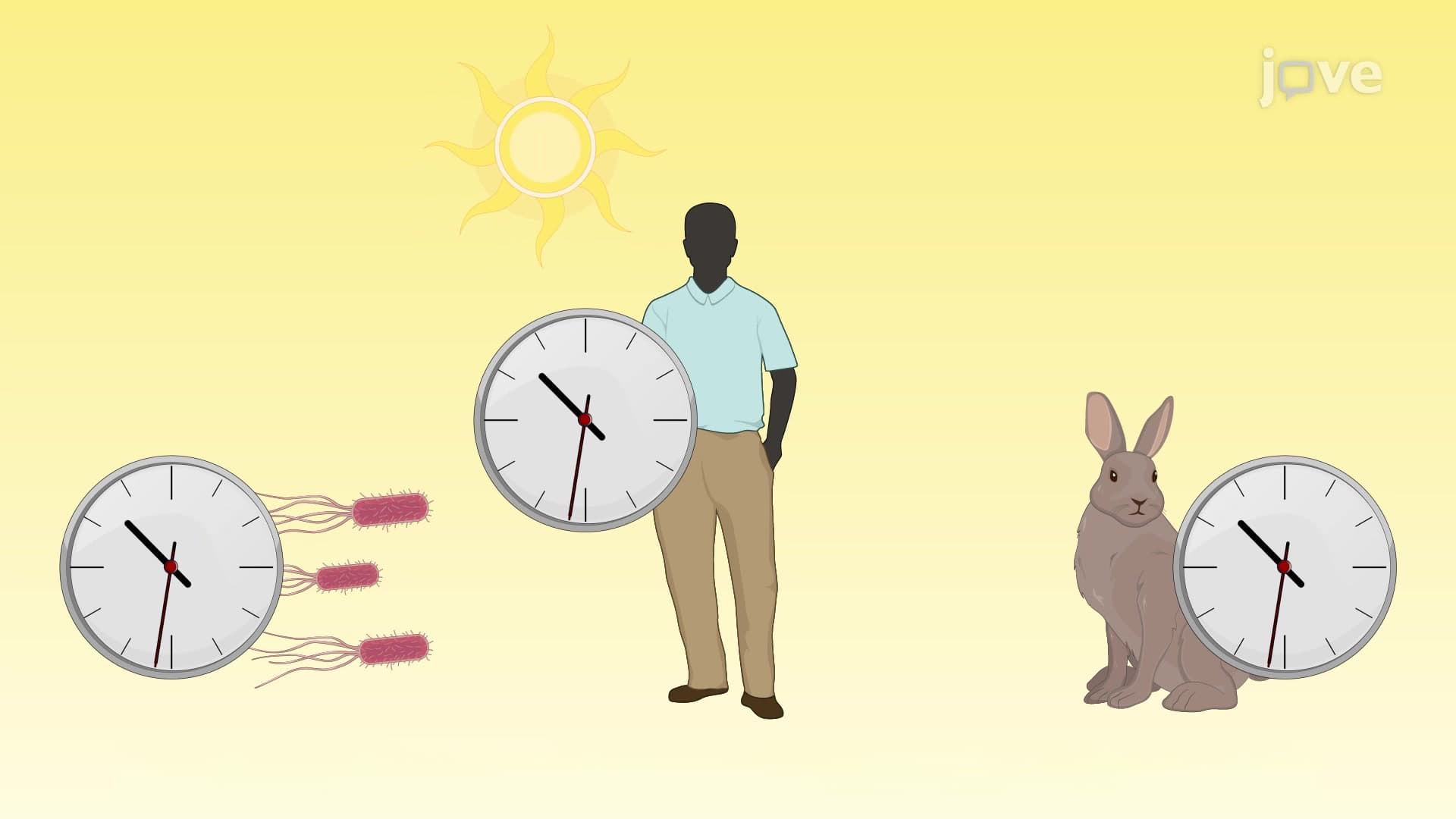

Video Summary: Circadian Rhythms and Gene Regulation Explained
Ever wondered why you feel sleepy at 10 PM even without checking the clock? Circadian rhythms and gene regulation control this internal timing through precise molecular mechanisms that synchronize with Earth's 24-hour cycle. In mammals like humans, the suprachiasmatic nucleus in the hypothalamus acts as the master timekeeper, coordinating everything from sleep patterns to metabolism throughout the body. Watch the full video on JoVE Coach to master this concept with expert-led visuals and step-by-step explanations.
Circadian rhythms represent one of biology's most precise timing systems, orchestrating everything from when we feel alert to when our liver metabolizes nutrients. At the molecular level, these rhythms emerge from intricate gene regulatory networks that cycle every 24 hours, creating the biological equivalent of a Swiss watch within each cell.
In mammals, the suprachiasmatic nucleus (SCN) in the hypothalamus serves as the body's master timekeeper. This small brain region, containing roughly 20,000 neurons, receives direct light input from the eyes and coordinates circadian timing throughout the body. The SCN synchronizes peripheral clocks in organs like the liver, heart, and kidneys through neural and hormonal signals, ensuring that biological processes occur at optimal times.
The cellular circadian mechanism centers on a transcriptional-translational feedback loop involving core clock genes. During daytime hours, the transcription factors CLOCK and BMAL1 (called Cycle in fruit flies) form heterodimers that bind to DNA and activate transcription of target genes, including Period (PER) and Cryptochrome (CRY). These proteins accumulate throughout the day, eventually forming complexes that translocate back to the nucleus during evening hours.
Once in the nucleus, PER-CRY complexes inhibit CLOCK-BMAL1 activity, effectively shutting down their own transcription. This creates the negative feedback that drives the approximately 24-hour cycle. Additional regulatory proteins like REV-ERB and ROR fine-tune this system, while post-translational modifications control protein stability and nuclear entry timing.
Understanding circadian gene regulation proves crucial for students preparing for advanced coursework and standardized exams. The MCAT frequently tests circadian concepts in biological sciences sections, while AP Biology curricula emphasize gene regulation mechanisms. Medical schools increasingly recognize circadian medicine's importance, with disrupted rhythms linked to diabetes, cardiovascular disease, and cancer.
Real-world applications include chronotherapy-timing drug administration to match circadian physiology. For example, certain blood pressure medications work more effectively when taken at bedtime, while chemotherapy drugs show reduced toxicity when administered at specific circadian phases. Shift workers face increased health risks precisely because their lifestyles conflict with intrinsic circadian programming.
Related Micro-courses