Loading video…


 15 Concepts
 112.2K views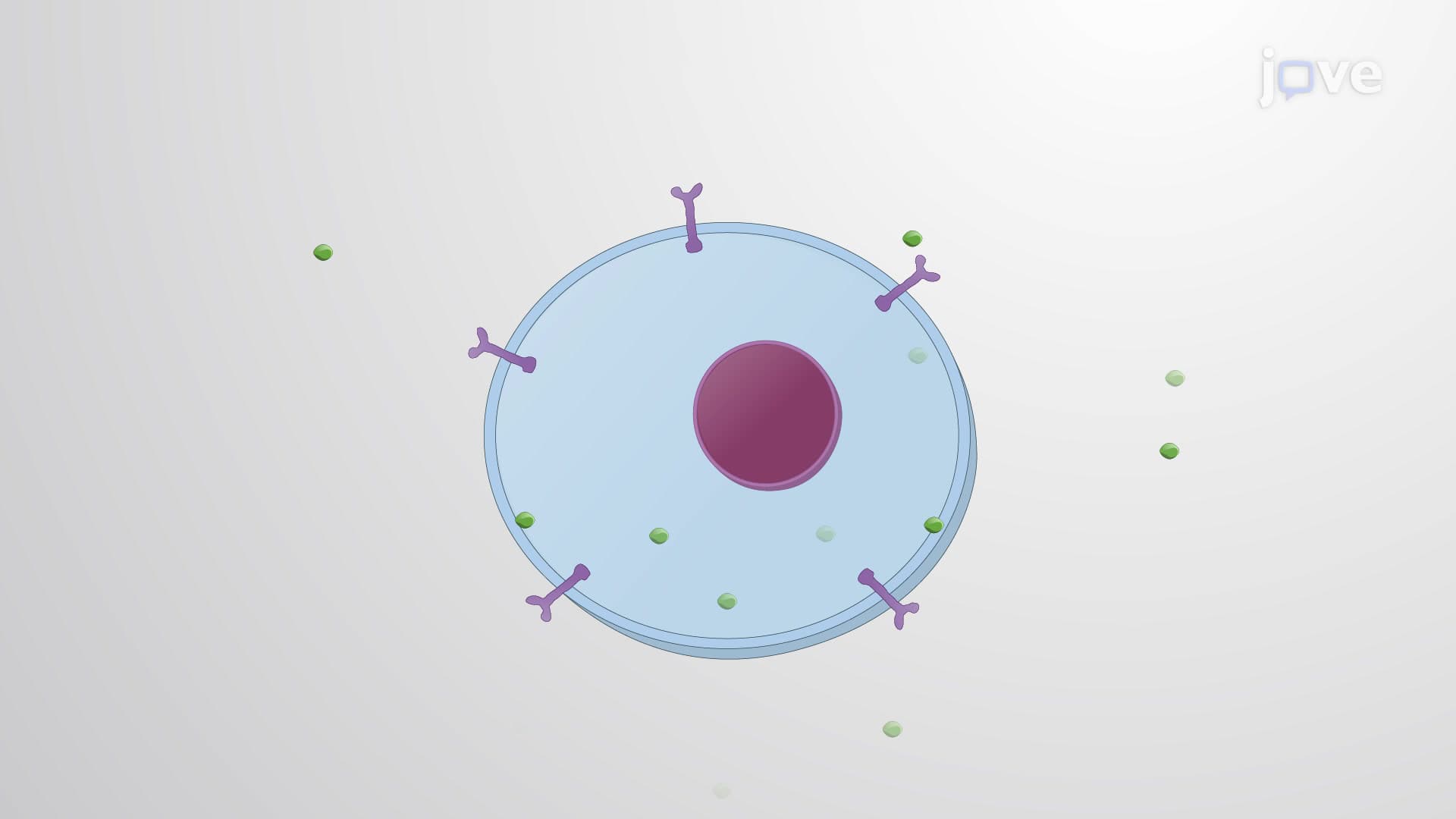

Video Summary: What Is Autocrine Signaling
Cancer cells can essentially "talk to themselves," producing their own growth signals to fuel uncontrolled proliferation. Autocrine signaling occurs when cells secrete molecules that bind to receptors on their own surface, creating powerful self-regulatory loops. From immune T-cells coordinating responses to breast cancer cells promoting their own growth through estrogen production, what is autocrine signaling reveals a fascinating cellular communication system. Watch the full video on JoVE Coach to master this concept with expert-led visuals and step-by-step explanations.
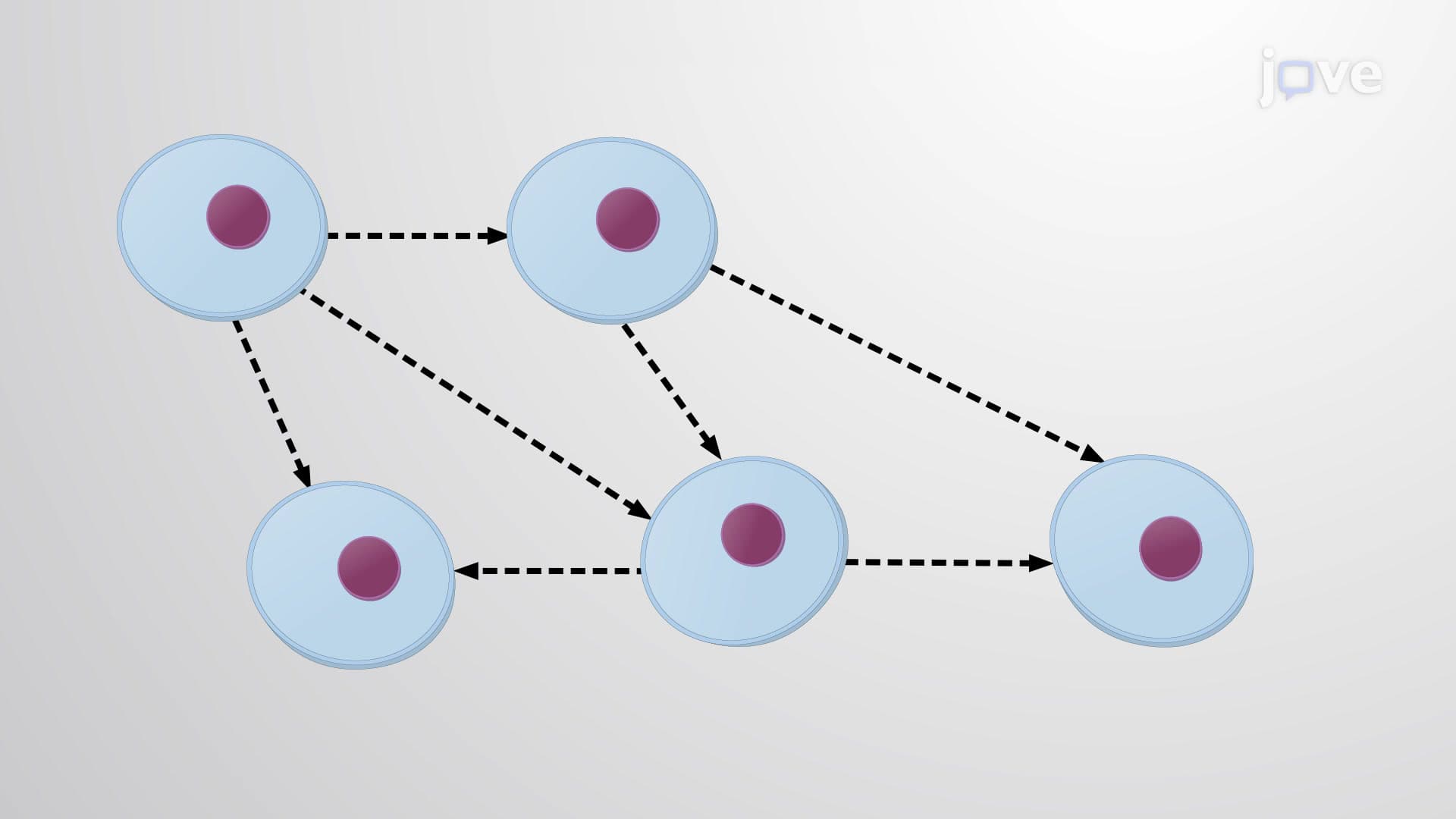
Autocrine signaling represents one of biology's most elegant feedback systems, where cells communicate with themselves through chemical messengers. Unlike endocrine signaling (hormones traveling through bloodstream) or paracrine signaling (cells communicating with nearby neighbors), autocrine signaling definition explained reveals a process where the signaling cell is also the target cell.
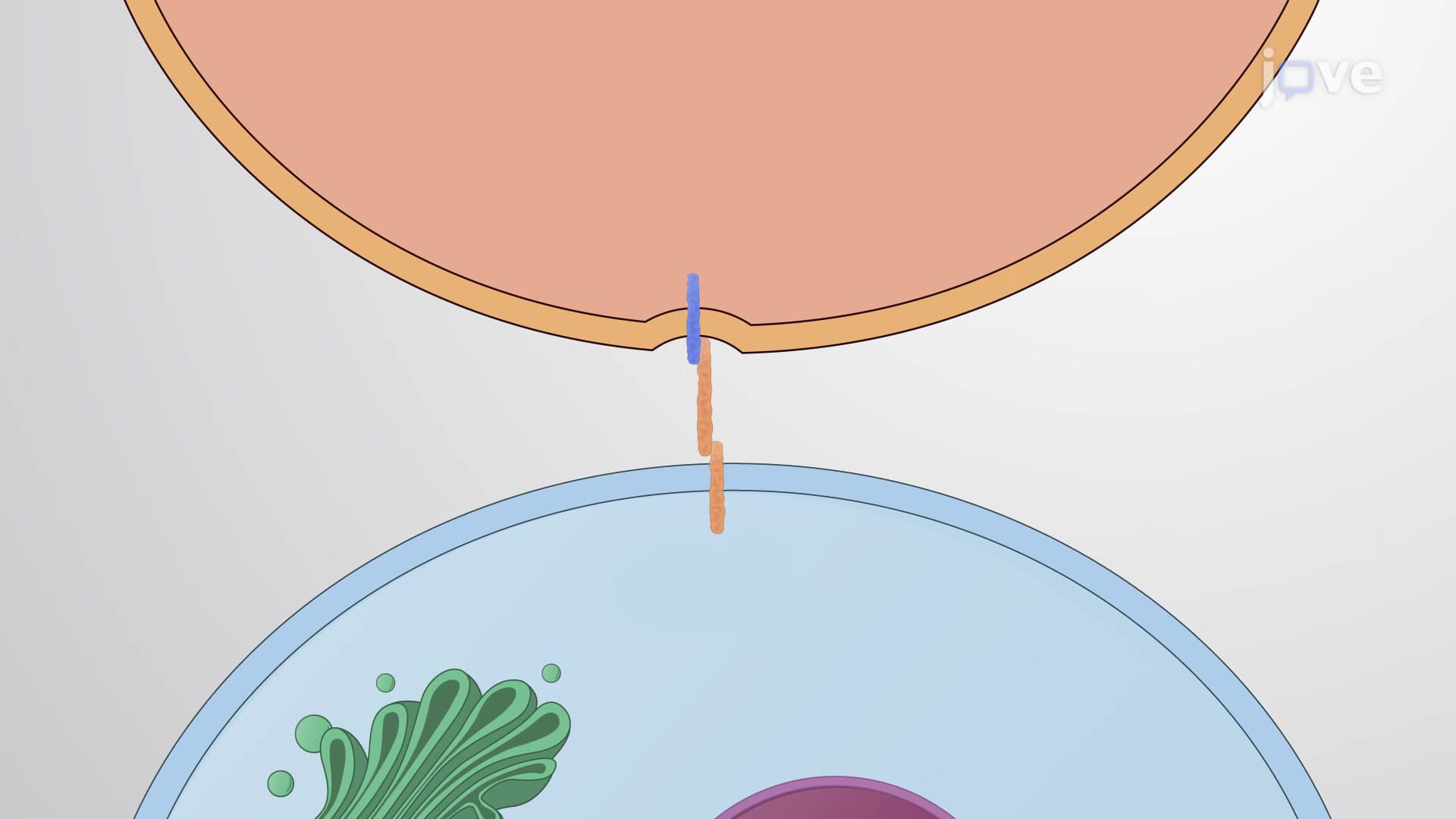
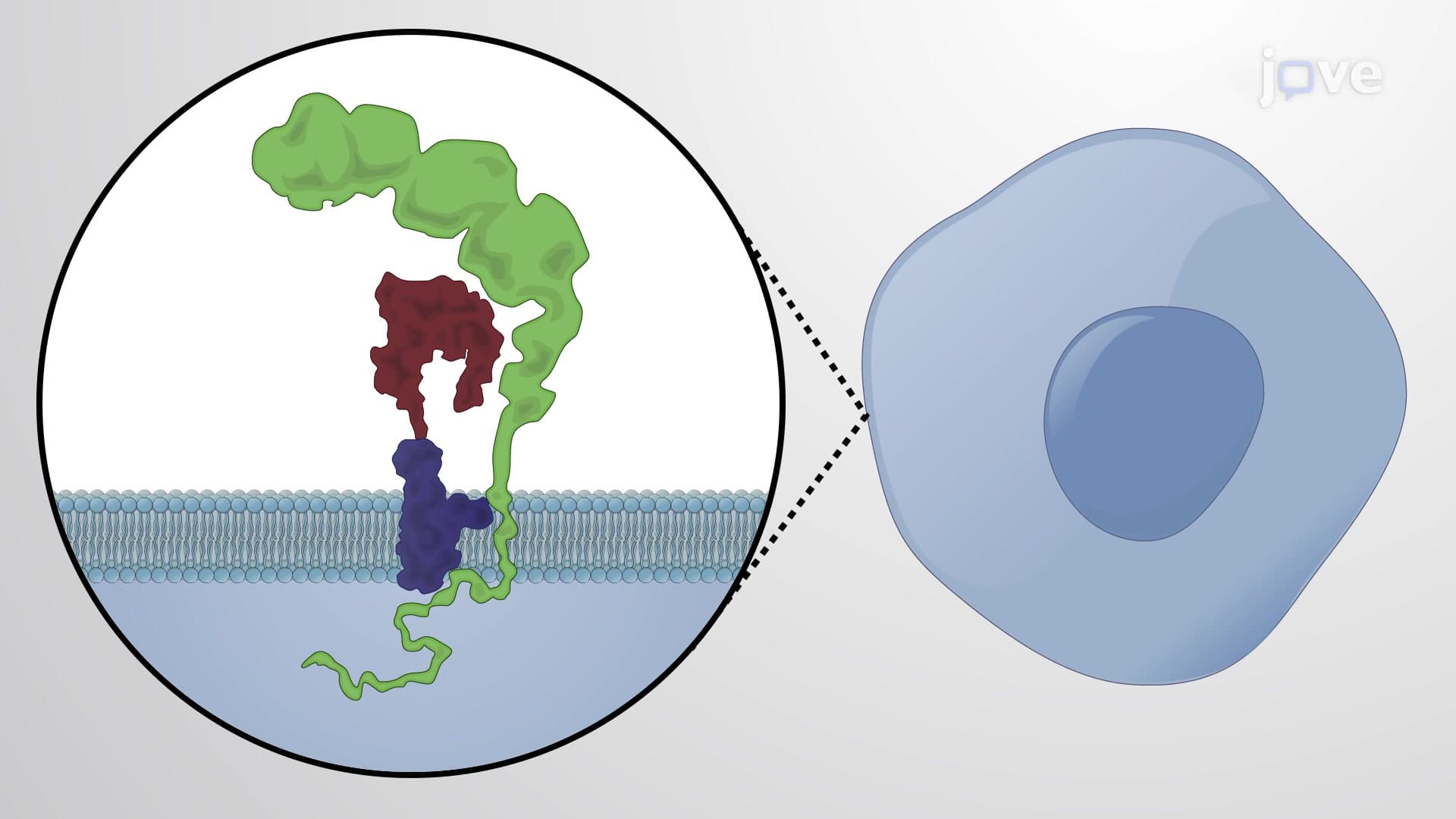
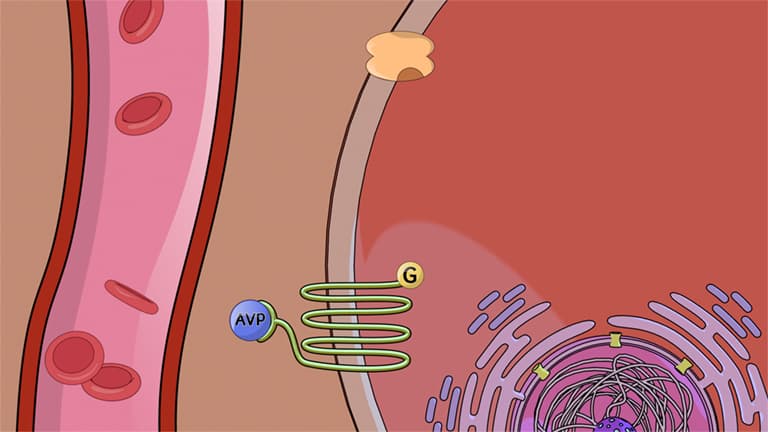
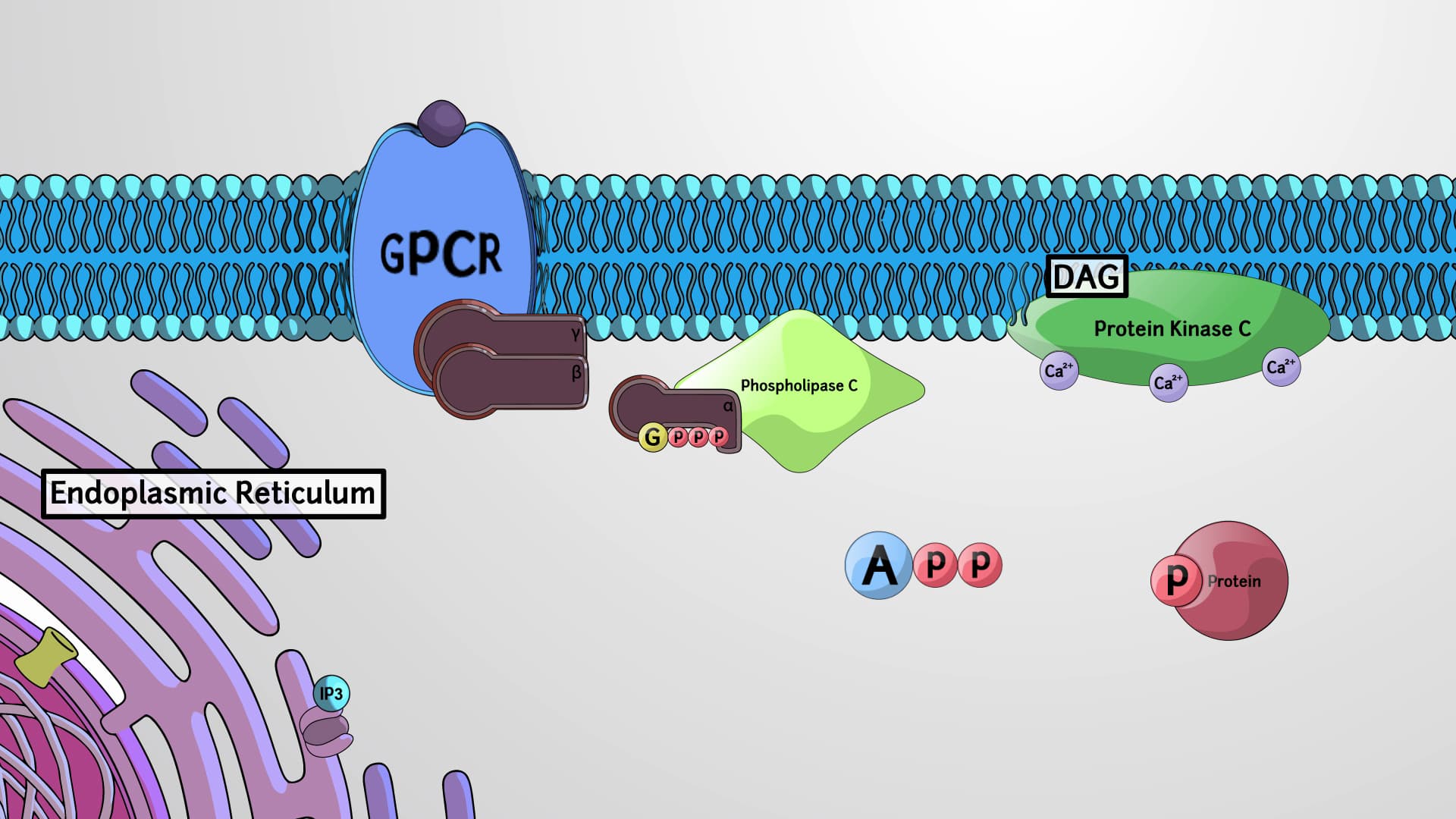
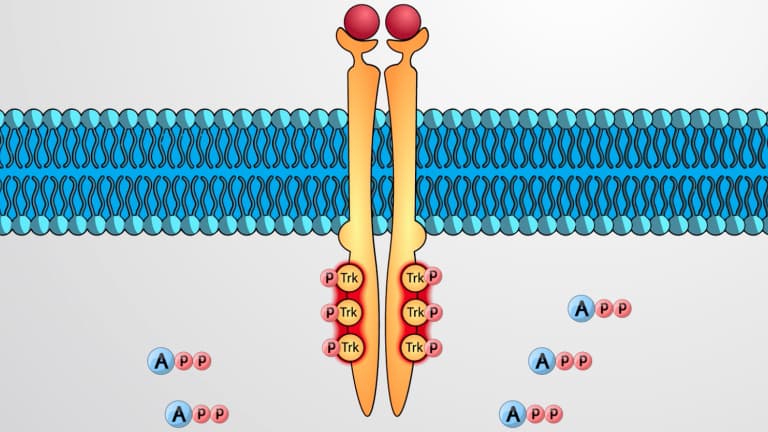
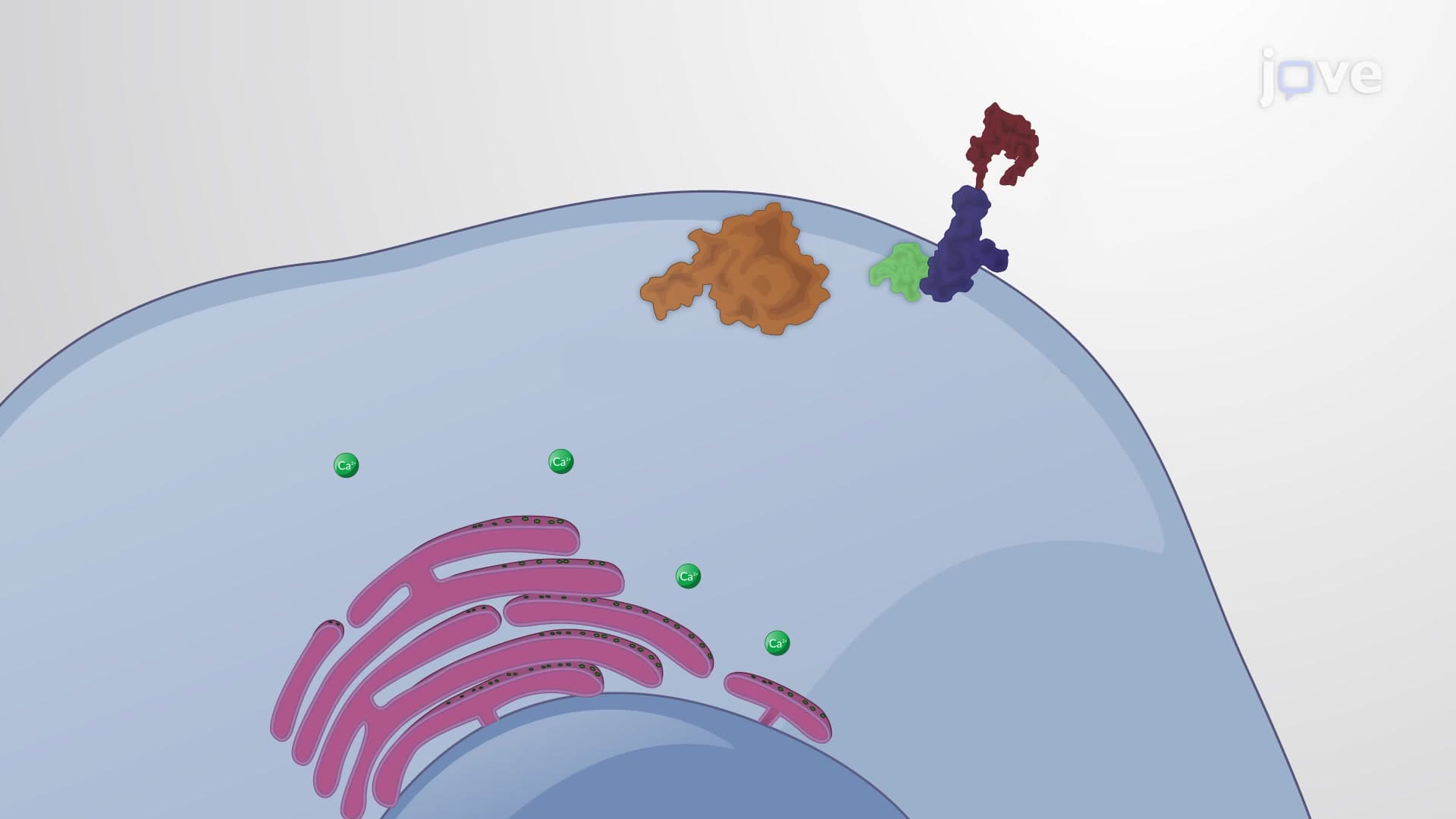
This self-regulatory mechanism operates through a straightforward yet sophisticated process: cells produce and secrete signaling molecules (ligands) that bind to specific receptors on their own cell surface or within the same cell. Upon binding, these interactions trigger intracellular signaling cascades that alter gene expression, protein activity, or cellular behavior.
The autocrine signaling overview becomes particularly compelling when examining its dual role in health and disease. In normal physiology, immune T-cells use autocrine signaling through interleukin-2 (IL-2) production to regulate their own activation and proliferation during immune responses. This self-stimulation ensures appropriate immune cell expansion when fighting infections.
However, cancer cells have hijacked these same mechanisms for malicious purposes. Breast cancer cells often produce their own estrogen or growth factors like transforming growth factor-alpha (TGF-α), creating autocrine loops that promote continuous cell division. The MD Anderson Cancer Center has extensively studied how disrupting these autocrine pathways can serve as targeted cancer therapies.
Understanding autocrine signaling concept explained has revolutionized modern medicine, particularly in oncology. The FDA has approved numerous drugs that specifically target autocrine loops in cancer treatment. For example, trastuzumab (Herceptin) blocks HER2 receptors in breast cancer cells, interrupting autocrine growth signals.
This knowledge proves essential for students preparing for advanced coursework and standardized exams. The MCAT regularly features questions about cellular communication mechanisms, while AP Biology students encounter autocrine signaling when studying cell communication and cancer biology. College-level molecular biology courses delve deeper into the biochemical pathways and clinical applications.
The autocrine signaling notes should emphasize several critical concepts: signal specificity (cells only respond to signals they can recognize), amplification (small signals create large responses), and regulation (feedback mechanisms prevent overactivation). Students should also understand how autocrine loops can become pathological when normal regulatory controls fail, leading to diseases like cancer, autoimmune disorders, or developmental abnormalities.
Related Micro-courses