Loading concepts…


10 Concepts
11 Concepts
11 Concepts
17 Concepts
20 Concepts
16 Concepts
16 Concepts
21 Concepts
11 Concepts
15 Concepts
14 Concepts
21 Concepts
8 Concepts
15 Concepts
17 Concepts
19 Concepts
11 Concepts
18 Concepts
6 Concepts
21 Concepts
 11 Concepts
 320.1K Views
 Popular topics

Cell biochemistry explained encompasses the fundamental molecular processes that sustain life in human cells. This comprehensive course covers essential biomolecules including carbohydrates, lipids, proteins, and nucleic acids, alongside critical cellular processes like enzyme catalysis, ATP energy storage, and pH homeostasis. Students explore how these key biochemical processes in living cells work together to maintain cellular function, from metabolic pathways in muscle cells to neurotransmitter synthesis in neurons. JoVE Coach provides interactive learning tools to master these cellular biochemistry fundamentals essential for success in advanced biology and pre-health curricula.
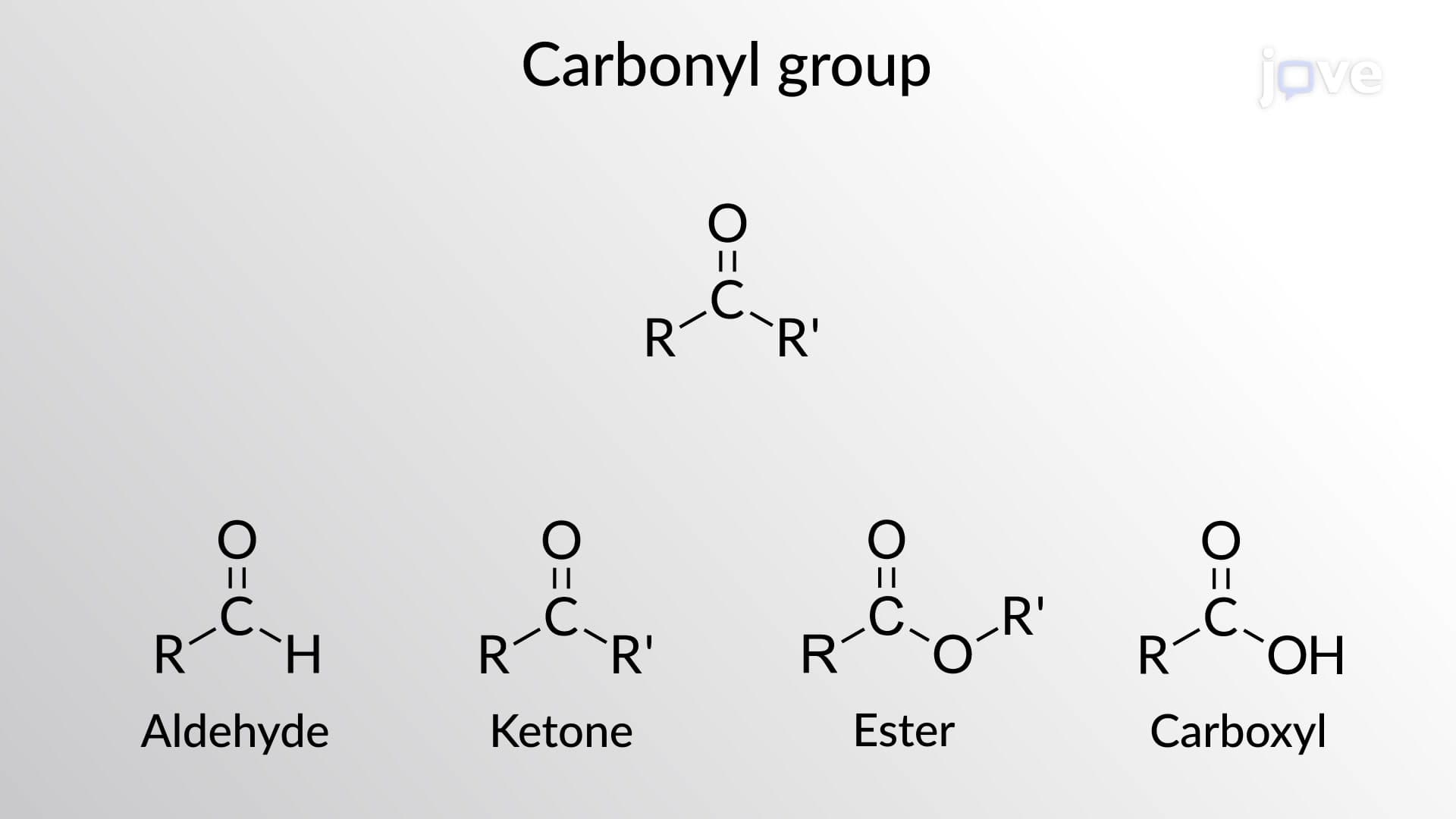
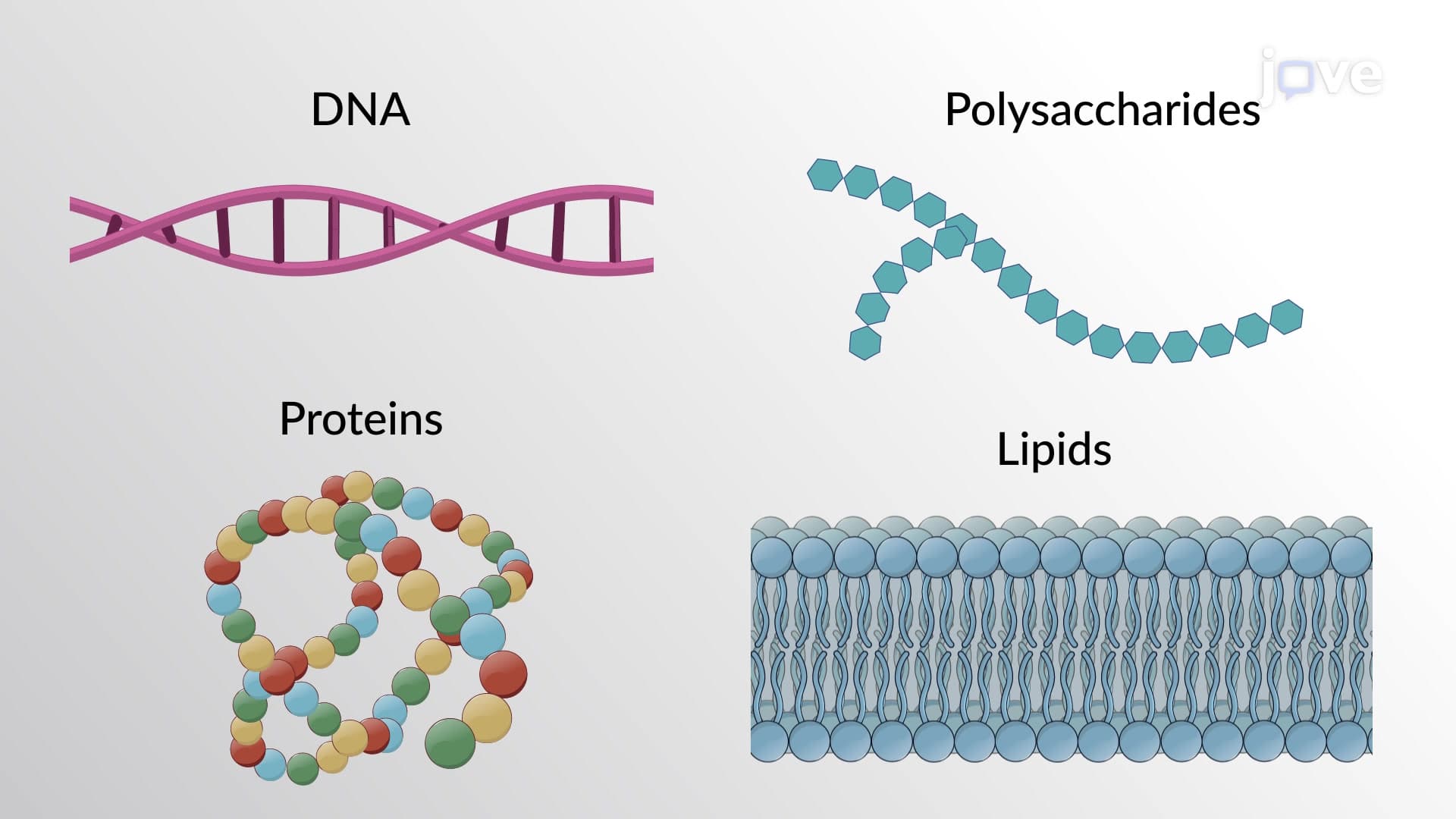
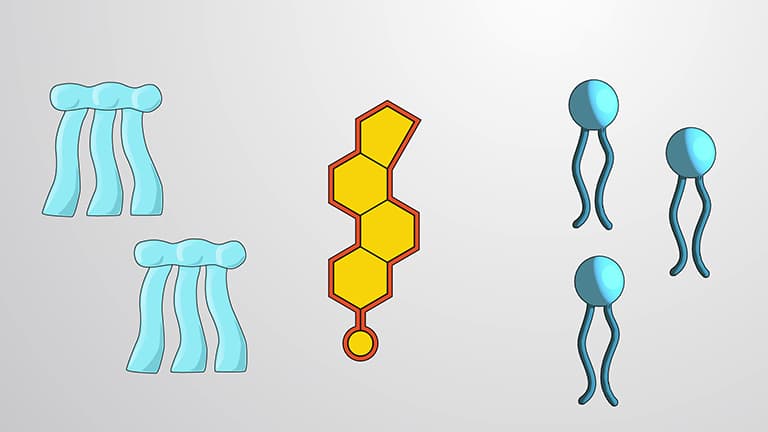
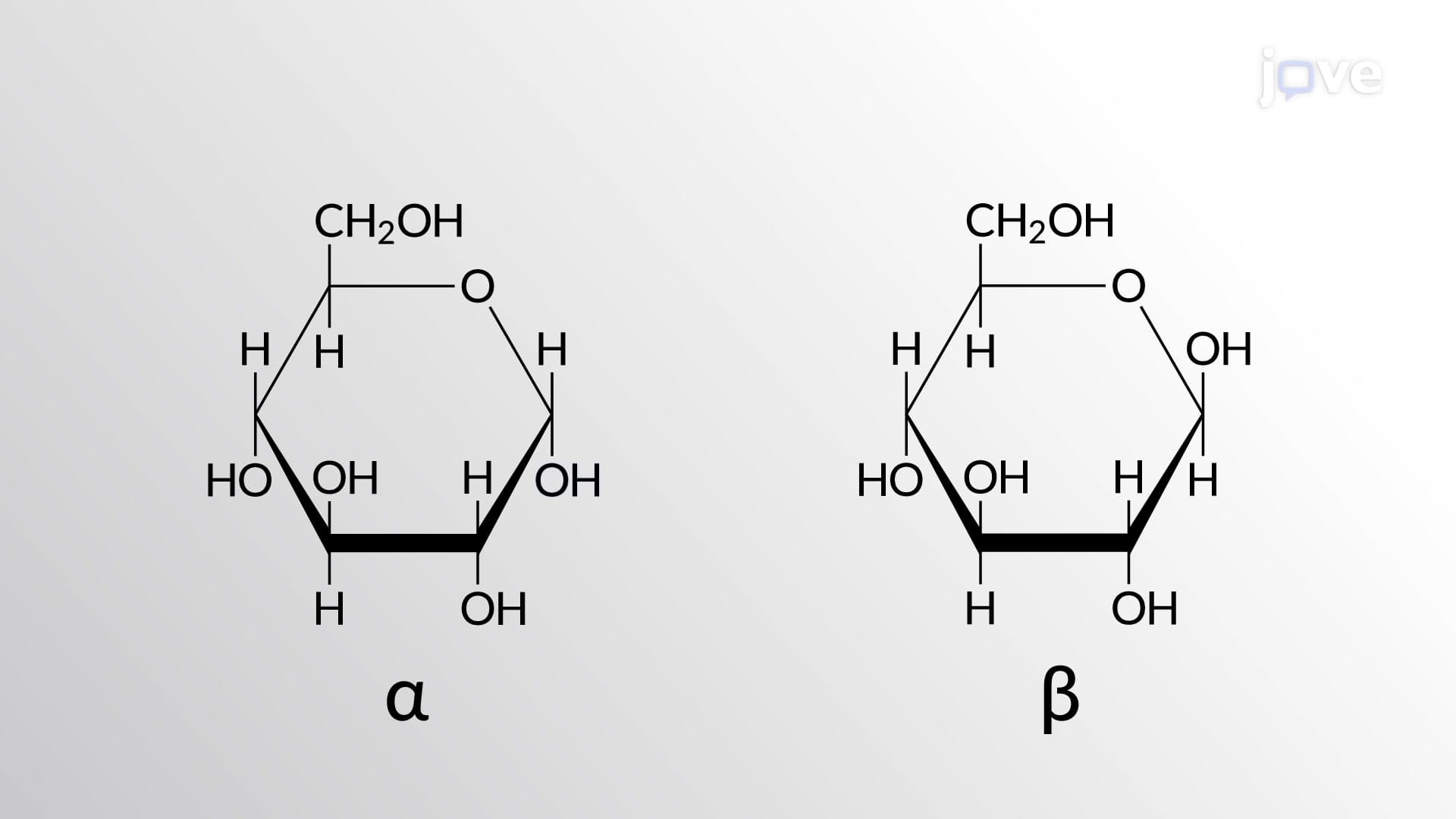
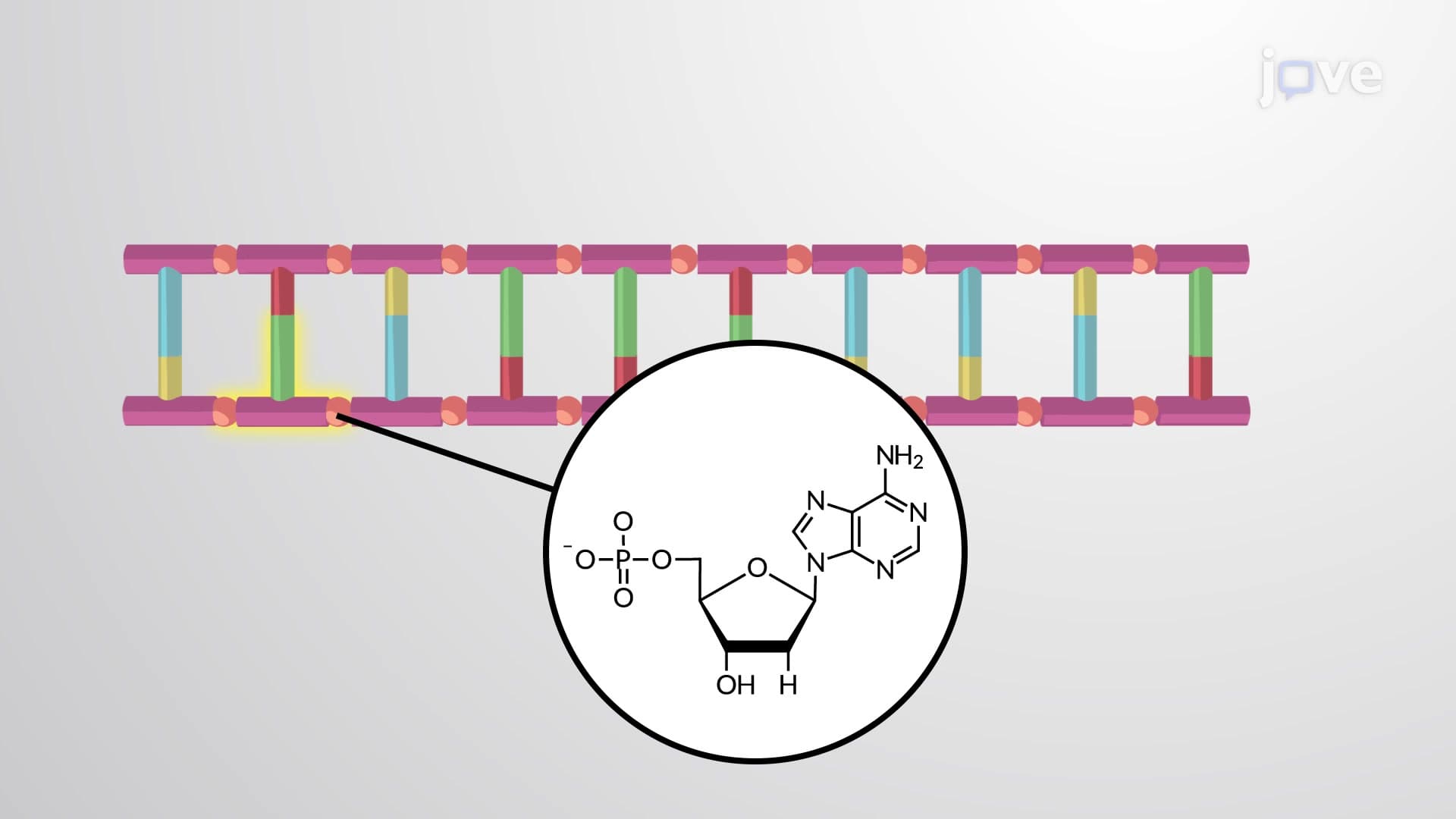
1. Essential Biomolecules and Cellular Components The human body relies on four major classes of biomolecules: carbohydrates, lipids, proteins, and nucleic acids. Carbohydrates like glucose serve as primary energy sources, while complex polysaccharides like glycogen store energy in liver and muscle cells. Lipids function in energy storage as triglycerides and form cellular membranes through phospholipids. Proteins perform diverse roles from catalysis (enzymes like pepsin) to structure (collagen in connective tissue) to transport (hemoglobin carrying oxygen). Nucleic acids store and transmit genetic information through DNA and RNA. Understanding these biomolecules' structures and functions provides the foundation for comprehending all cellular processes, from metabolism in cardiac muscle to neurotransmitter synthesis in brain cells.
2. Water, Electrolytes, and Cellular Environment Water comprises 50-60% of human body weight and creates the essential environment for biochemical reactions. Its excellent solvent properties enable nutrient transport through blood plasma and waste elimination through urine. Water's high heat capacity helps regulate body temperature through sweating and circulation. Electrolytes like sodium, potassium, and chloride ions maintain cellular membrane potentials crucial for nerve impulse transmission and muscle contraction. The sodium-potassium pump in neurons exemplifies how electrolyte gradients power cellular processes. Imbalances can cause serious complications: low potassium leads to muscle paralysis, while high potassium triggers irregular heartbeats. Understanding electrolyte homeostasis is essential for healthcare professionals managing patients with dehydration, kidney disease, or cardiac arrhythmias.
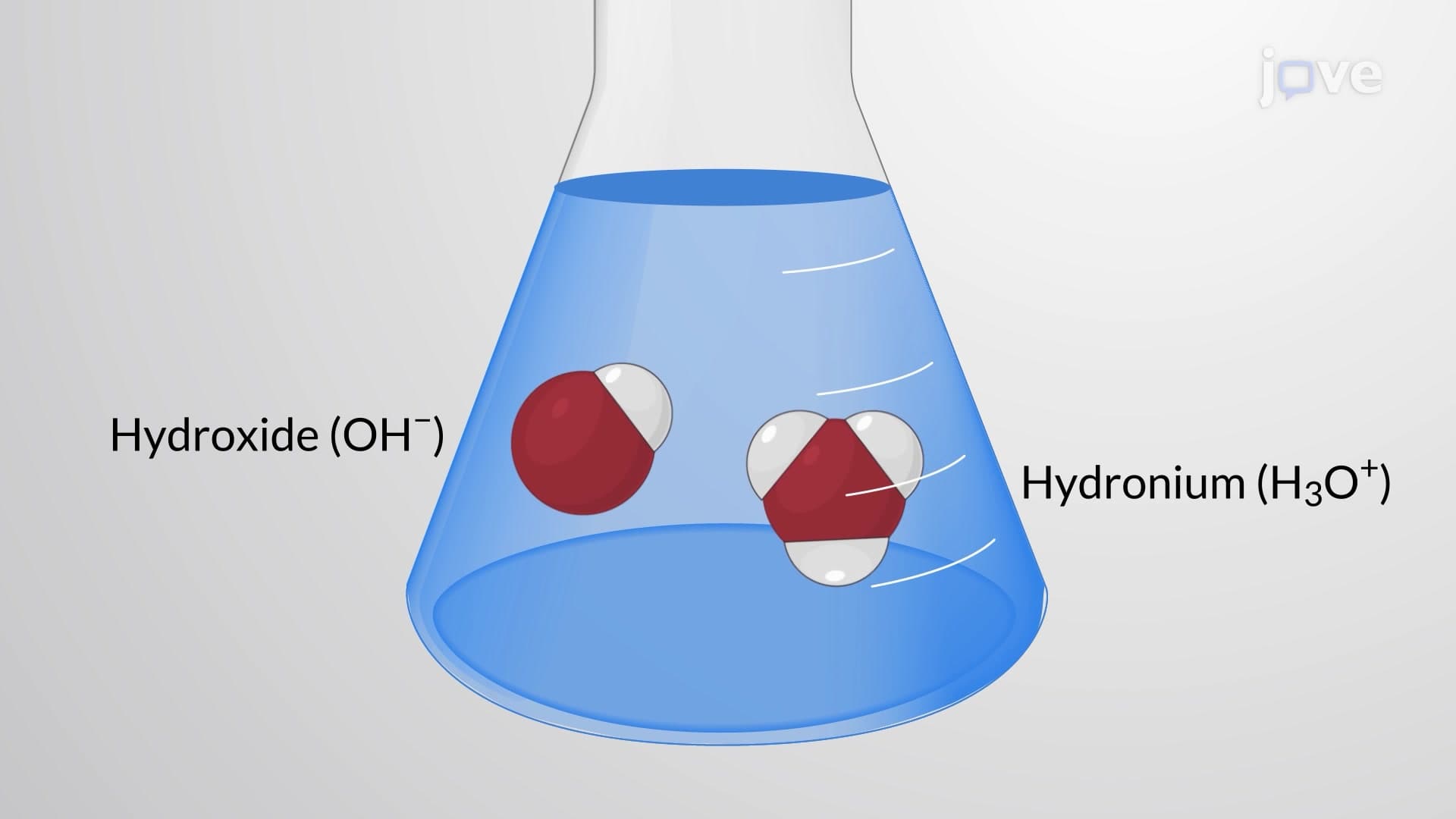
3. pH Regulation and Acid-Base Homeostasis Cellular pH homeostasis maintains optimal conditions for enzyme function and metabolic processes. Human blood plasma maintains a narrow pH range of 7.35-7.45 through buffer systems including bicarbonate, phosphate, and protein buffers. Acidosis (pH below 7.35) can affect the central nervous system and potentially cause coma, while alkalosis (pH above 7.45) leads to muscle cramps and pain. Different body regions require specific pH ranges: stomach acid reaches pH 1.5-2.0 for pepsin activity, while pancreatic juice maintains pH 8.0 for digestive enzyme function. Healthcare professionals must understand pH regulation when treating diabetic ketoacidosis, respiratory disorders affecting carbon dioxide levels, or kidney diseases impacting bicarbonate reabsorption.
4. Enzyme Structure, Function, and Catalysis Enzymes are protein catalysts that accelerate biochemical reactions by lowering activation energy without being consumed. They exhibit specificity through active sites that bind particular substrates, following induced-fit mechanisms that optimize substrate positioning. Salivary amylase breaks down starch in the mouth, while pancreatic enzymes digest nutrients in the small intestine. Enzyme activity depends on optimal temperature and pH conditions; denaturation occurs when these parameters exceed tolerance ranges. Cofactors like metal ions (zinc in carbonic anhydrase) or coenzymes (NAD+ in cellular respiration) assist many enzymatic reactions. Understanding enzyme kinetics helps healthcare professionals comprehend drug metabolism through liver enzymes, diagnostic enzyme markers in blood tests, and therapeutic enzyme replacements for genetic deficiencies.
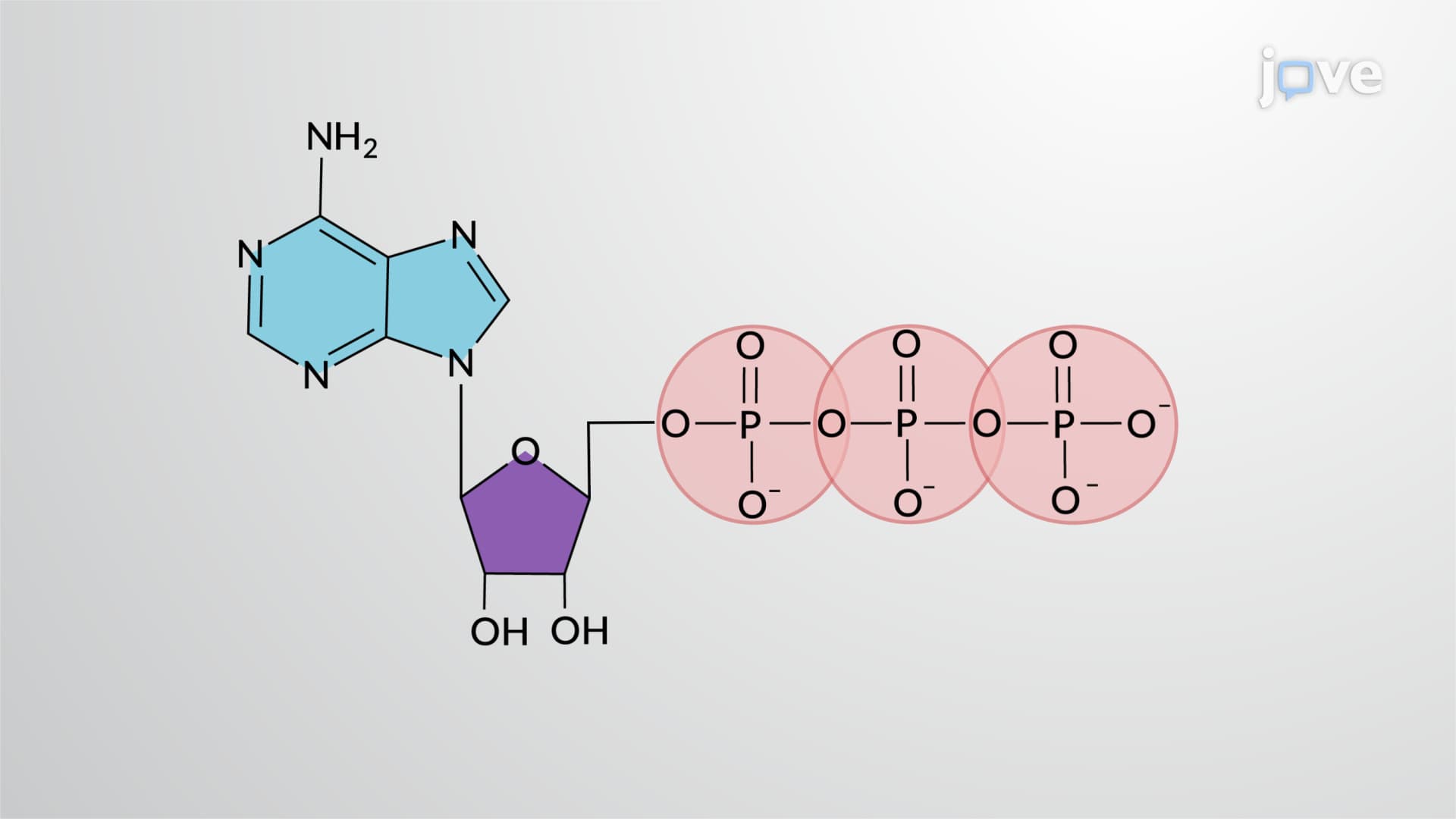
5. Energy Storage and Metabolic Pathways Cellular energy storage involves multiple systems adapted for different timeframes and energy demands. Glucose provides immediate energy through glycolysis, producing ATP and pyruvate in muscle cells during exercise. Glycogen stores glucose in liver and muscle for intermediate-term energy needs, breaking down during fasting or physical activity. Triglycerides offer long-term energy storage in adipocytes, releasing fatty acids during beta-oxidation that produces more ATP per gram than carbohydrates. The ATP-ADP cycle powers cellular work from muscle contraction to protein synthesis. Metabolic pathways interconnect: excess glucose converts to fat storage, while amino acids can enter energy production during starvation. Understanding these pathways helps explain metabolic disorders like diabetes, obesity, and metabolic syndrome affecting millions of Americans.
6. Protein Structure and Function Relationships Protein function directly relates to structure through four organizational levels: primary (amino acid sequence), secondary (alpha-helices and beta-sheets), tertiary (3D folding), and quaternary (multi-subunit assembly). Globular proteins like hemoglobin exhibit compact structures ideal for transport functions, while fibrous proteins like collagen provide structural support in connective tissues. Protein denaturation disrupts these structures through heat, pH changes, or chemical exposure, explaining why fever affects enzyme function and why cooking denatures egg proteins. Specific examples include insulin's role in blood glucose regulation, antibodies' immune defense functions, and contractile proteins enabling muscle movement. Healthcare applications include understanding protein misfolding diseases like Alzheimer's, therapeutic protein drugs like insulin, and dietary protein requirements for tissue repair and growth.