Loading video…


 11 Concepts
 320.1K views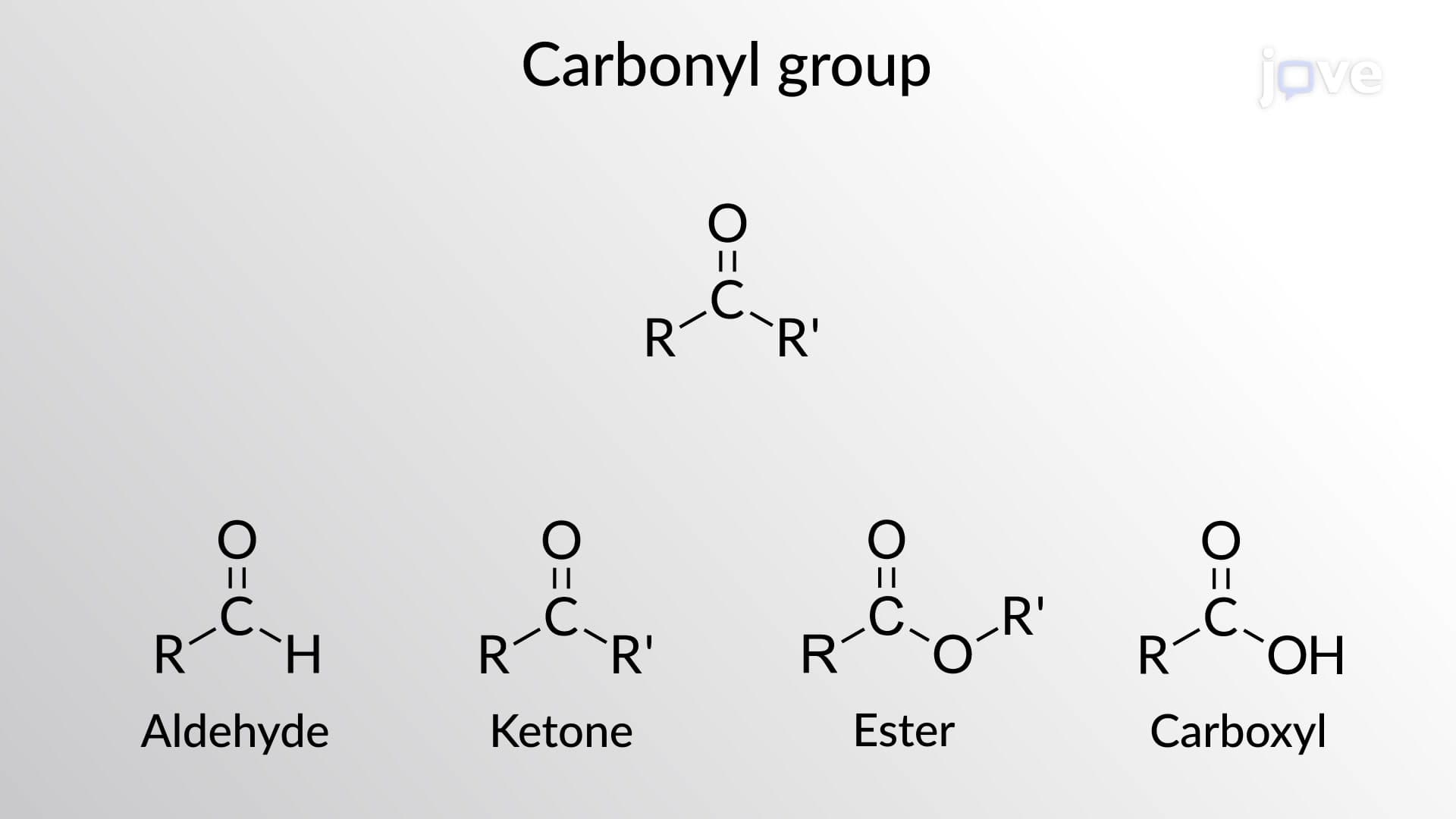

Video Summary: What are Functional Groups
Ever wonder why aspirin relieves pain while sugar provides energy? The answer lies in functional groups, specific clusters of atoms that give molecules their unique chemical personalities. These molecular "tools" determine whether a compound like caffeine (found in your morning coffee) acts as a stimulant or a sedative. From the hydroxyl groups in alcohol to the carboxyl groups in vinegar, functional groups shape every biochemical reaction in your body. Watch the full video on JoVE Coach to master this concept with expert-led visuals and step-by-step explanations.
Functional groups represent the reactive centers of organic molecules, specific arrangements of atoms that confer predictable chemical properties and behaviors. Think of them as molecular "personalities" that determine how compounds interact, react, and function within living systems. These atomic clusters follow consistent patterns regardless of the larger molecule they're attached to, making them invaluable tools for understanding biochemistry.
The concept becomes immediately relevant when you consider that every medication in a US pharmacy, from ibuprofen to insulin, derives its therapeutic effect from strategically positioned functional groups. These molecular features determine drug absorption, metabolism, and target binding, principles tested extensively on the MCAT and in undergraduate organic chemistry courses.
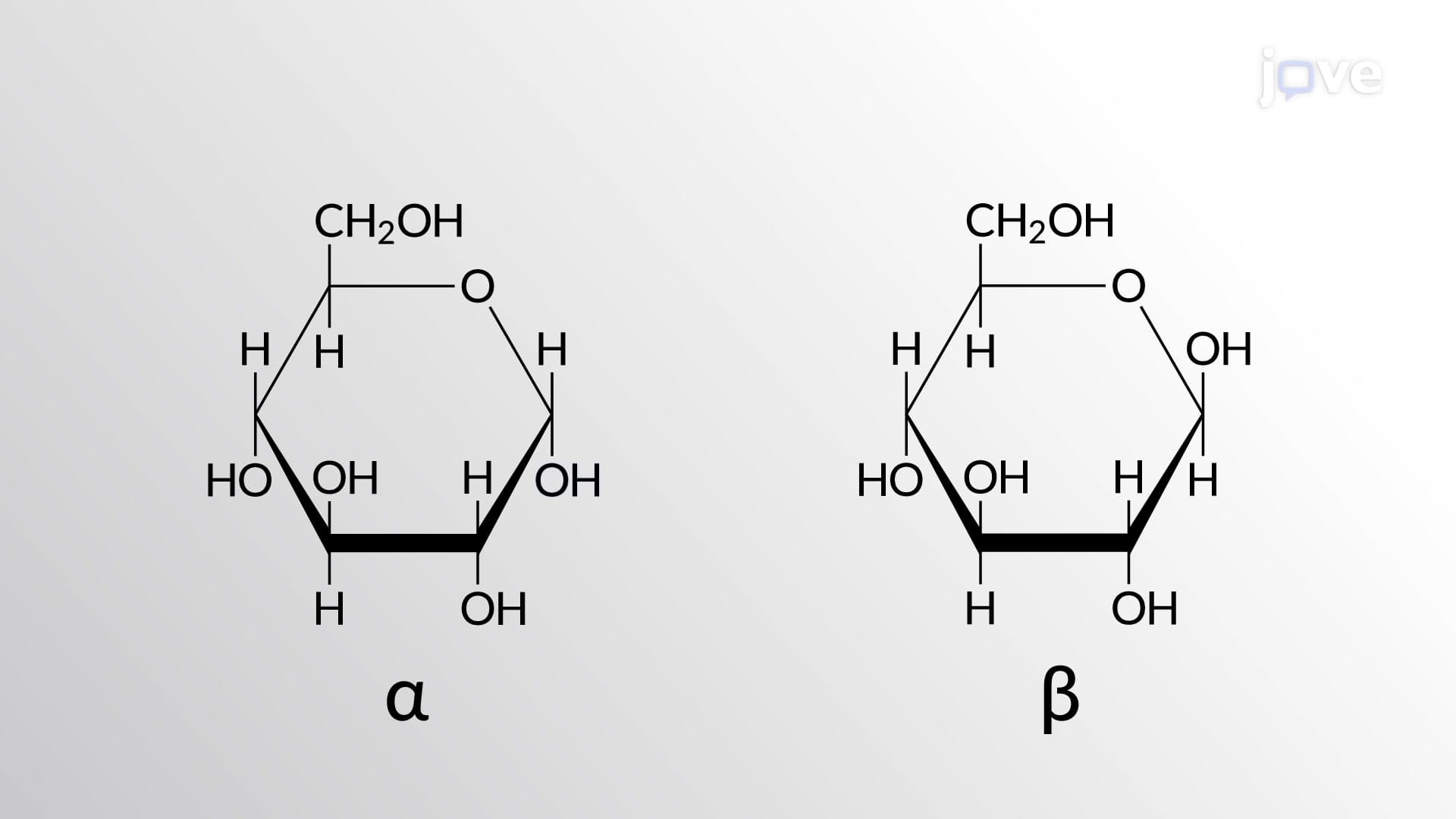
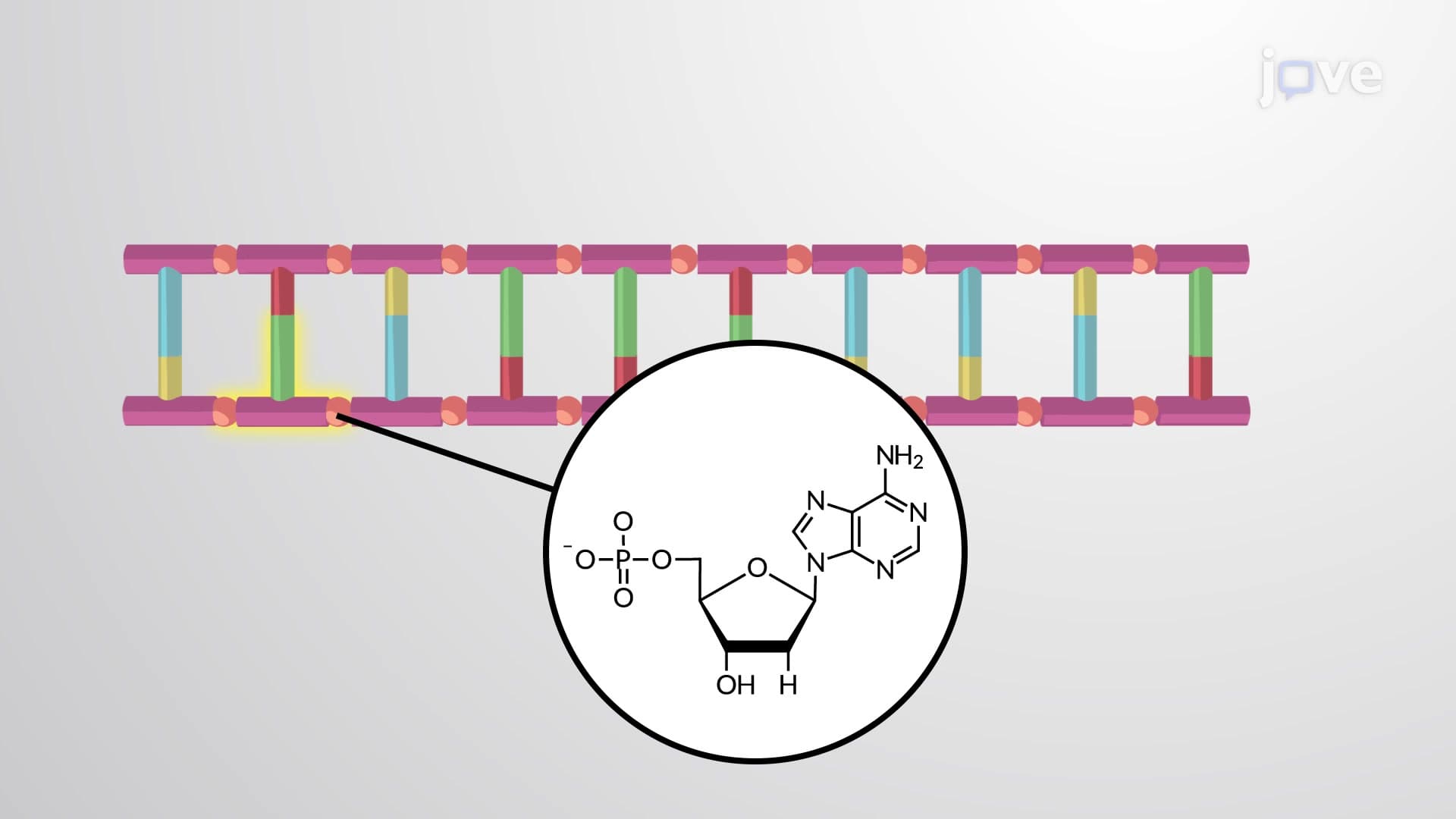
Hydroxyl groups (-OH) appear throughout biology, from the backbone of DNA's sugar-phosphate structure to the active sites of enzymes. These polar groups enable hydrogen bonding, explaining why alcohols dissolve in water and why carbohydrates serve as excellent energy storage molecules. In metabolic pathways, hydroxyl groups often serve as sites for phosphorylation, a key regulatory mechanism in cellular signaling.
Carboxyl groups (-COOH) act as biological acids, releasing protons to influence pH and molecular charge. Found in amino acids like glutamic acid and aspartic acid, these groups contribute to protein structure through ionic interactions. The carboxyl groups in fatty acids determine membrane fluidity and cellular energy storage efficiency.
Amino groups (-NH2) function as biological bases, accepting protons and creating positively charged regions on molecules. Beyond their obvious role in amino acids, these groups participate in neurotransmitter synthesis and DNA base pairing. The amino group in dopamine, for instance, enables its function as a crucial brain signaling molecule.
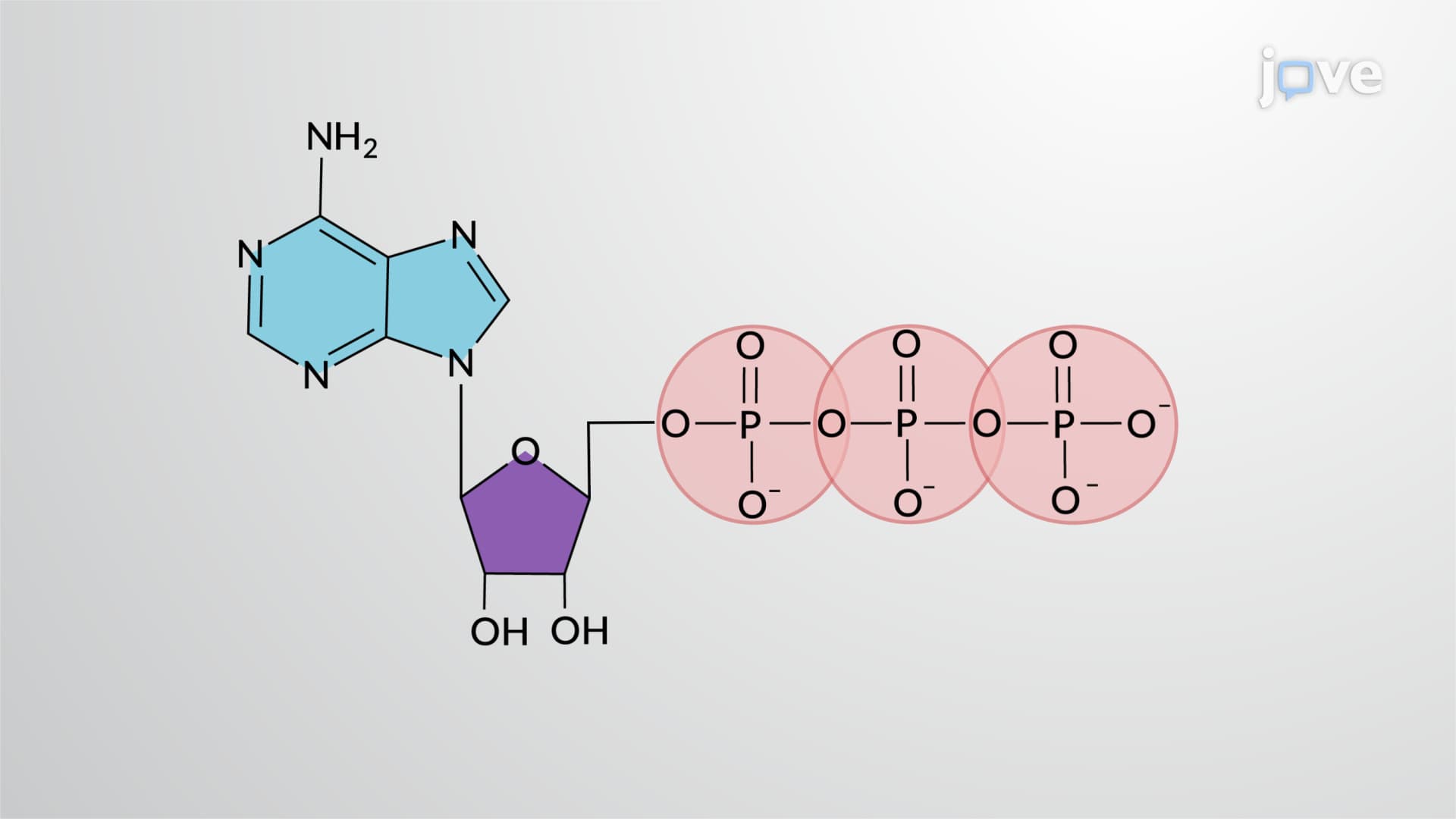
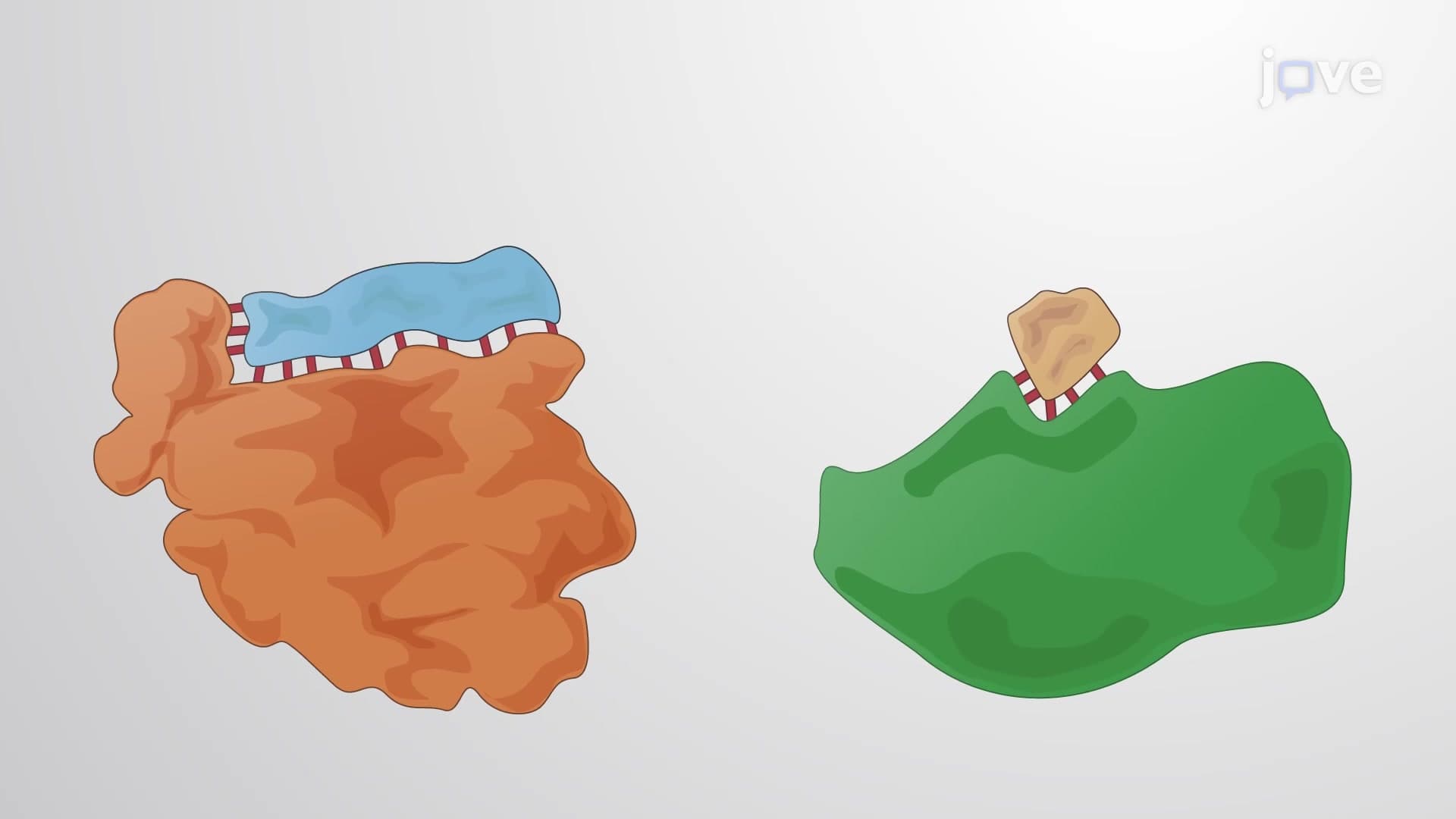
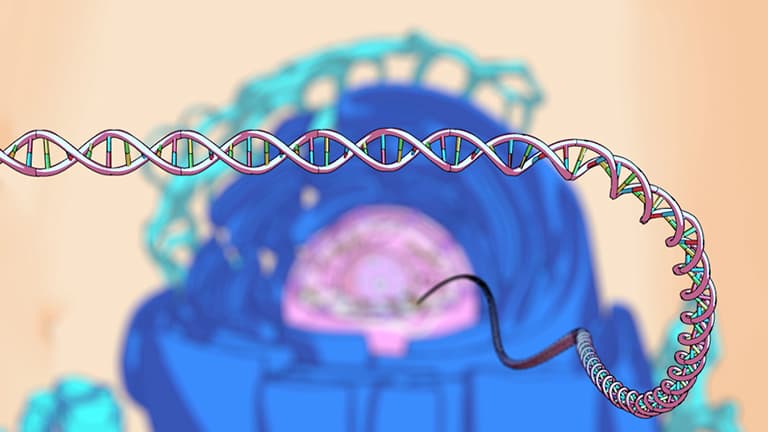
Phosphate groups (-PO4) serve as energy currency and information storage systems. ATP's three phosphate groups store chemical energy, while DNA's phosphate backbone provides structural stability. These negatively charged groups also enable precise molecular recognition in enzyme-substrate interactions.
Understanding functional groups proves essential for success in healthcare fields and research careers. Medical students preparing for the USMLE must grasp how functional group modifications affect drug metabolism and clearance. Pharmacy students analyze structure-activity relationships where subtle functional group changes dramatically alter therapeutic effects.
In research applications, functional groups guide protein engineering and drug design efforts. For example, modifying the hydroxyl groups in natural compounds like morphine led to the development of safer pain medications. Cancer researchers target specific functional groups in tumor proteins to design precision therapies.
This knowledge directly applies to AP Chemistry and Biology exams, where students must predict molecular behavior based on functional group presence. College-level biochemistry courses build upon these foundations to explore enzyme mechanisms, metabolic regulation, and cellular signaling cascades.
Related Micro-courses