Loading video…


 11 Concepts
 320.1K views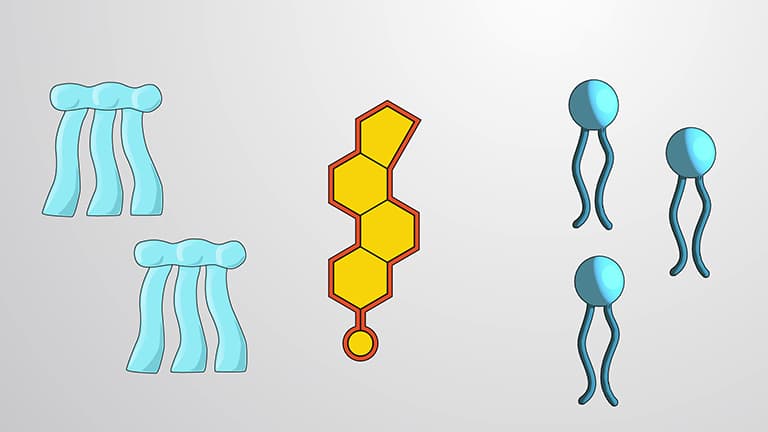

Video Summary: What are Lipids Structure Classification and Functions
Did you know that the McDonald's french fries you ate for lunch contain the same basic molecular structures found in your brain cells? Lipids structure classification functions encompass everything from the triglycerides storing energy in your adipose tissue to the phospholipids forming every cellular membrane in your body. These water-repelling molecules serve as the body's primary long-term energy storage, critical membrane components, and essential signaling molecules like testosterone and estrogen. Watch the full video on JoVE Coach to master this concept with expert-led visuals and step-by-step explanations.
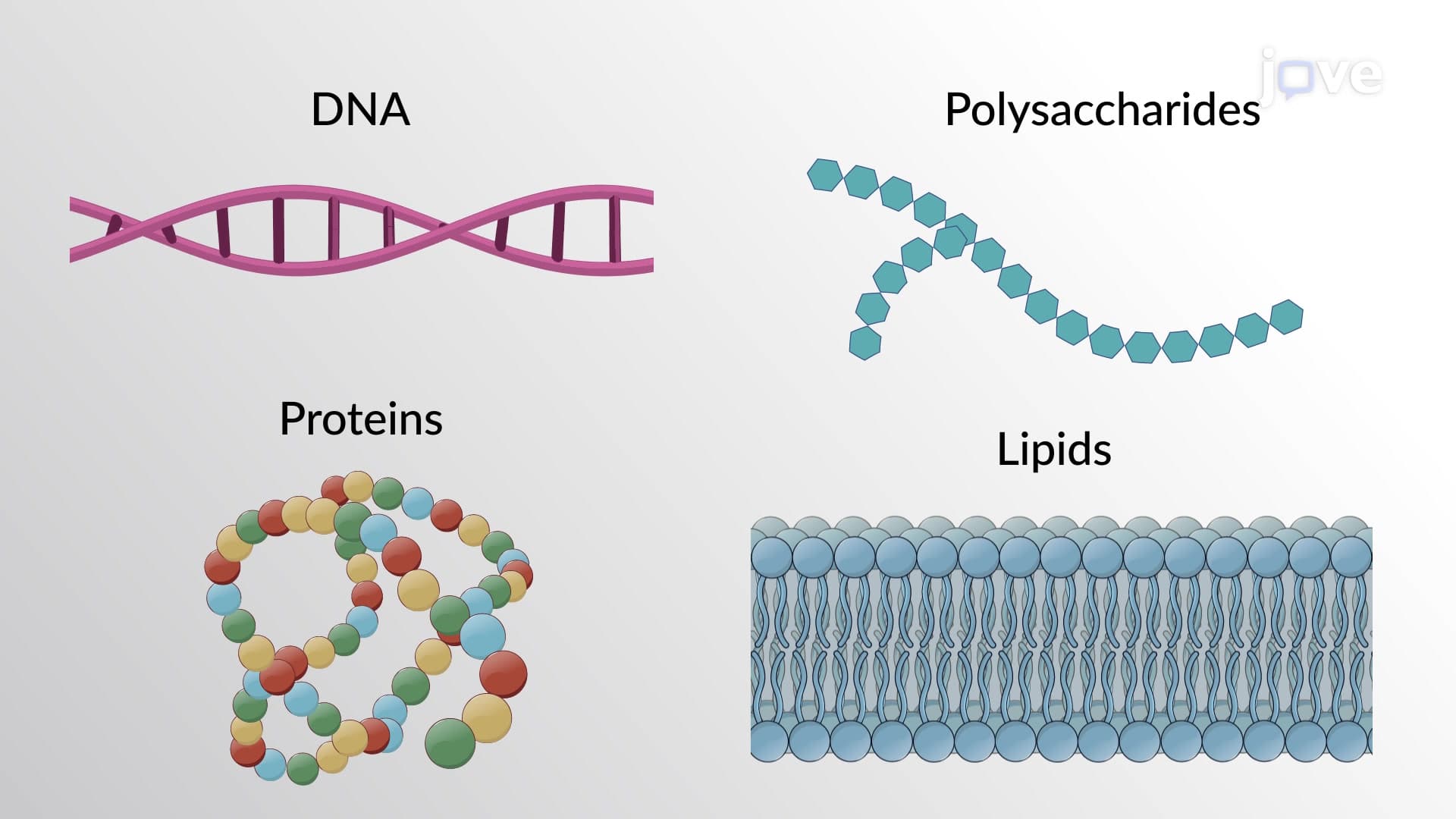
Lipids explained biology chemistry reveals a fascinating class of biomolecules unified by their hydrophobic nature rather than structural similarity. Unlike proteins or nucleic acids, lipids share the common characteristic of being largely water-insoluble while dissolving readily in nonpolar solvents like alcohol or chloroform. This fundamental property drives their diverse biological functions, from energy storage to cellular architecture.
The lipid classification types fall into four primary categories, each with distinct structures and functions. Triglyceride phospholipid lipid molecules represent the most abundant forms in human physiology. Triglycerides consist of three fatty acid chains attached to a glycerol backbone, creating efficient energy storage molecules that pack 9 calories per gram-more than double the energy density of carbohydrates or proteins. This explains why your body preferentially stores excess calories as fat tissue.
Phospholipids feature two fatty acid tails and a phosphate-containing head group, creating amphipathic molecules essential for membrane formation. The phosphatidylcholine in egg yolks demonstrates this principle-it acts as a natural emulsifier because one end dissolves in water while the other dissolves in oil.
Lipid function biology extends far beyond simple energy storage. Cholesterol, often vilified in popular media, serves critical roles in membrane fluidity regulation and steroid hormone synthesis. Without adequate cholesterol, your cell membranes would become too fluid at body temperature, compromising cellular integrity. Additionally, cholesterol serves as the precursor for testosterone, estrogen, and cortisol-hormones essential for reproduction and stress response.
Fat structure chemistry principles appear frequently on standardized exams like the MCAT and AP Biology. Students should understand how saturated fats (like those in butter) remain solid at room temperature due to straight-chain structures allowing tight molecular packing, while unsaturated fats (like olive oil) remain liquid due to kinks created by double bonds preventing efficient packing.
Understanding lipid biochemistry proves essential for pre-med students preparing for the USMLE, where lipid metabolism disorders frequently appear in clinical vignettes. Familial hypercholesterolemia, affecting 1 in 250 Americans, results from defective LDL receptors, leading to cardiovascular disease despite normal dietary habits. This condition illustrates how genetic defects in lipid processing can override lifestyle factors-a concept that challenges simplistic "diet and exercise" narratives in medical practice.
Related Micro-courses