Loading video…


 10 Concepts
 243K views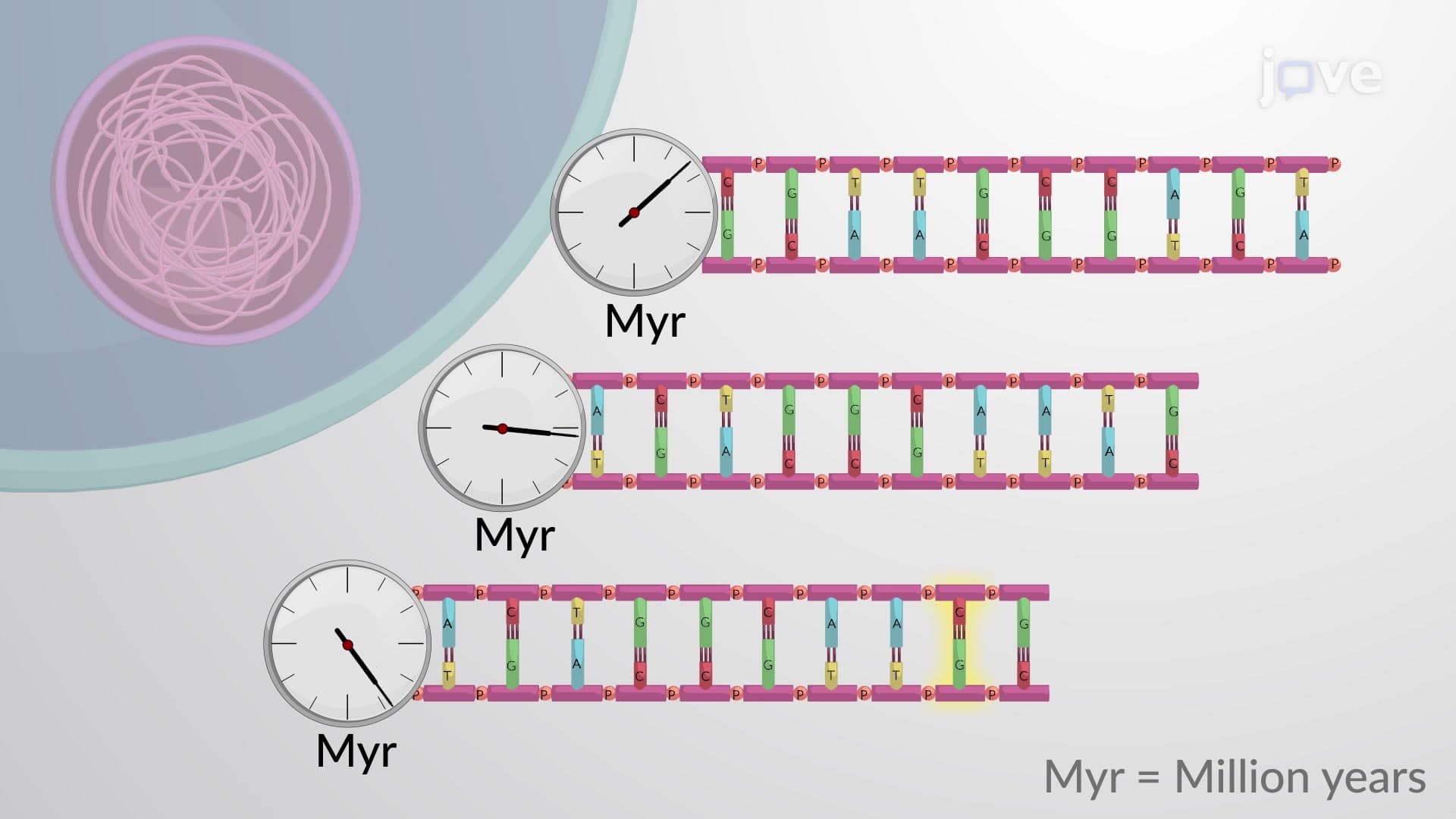

Video Summary: Gene Evolution Fast or Slow Explained
Why do some genes in E. coli bacteria remain nearly identical to those in humans, while others change rapidly between closely related species? Gene evolution fast slow patterns reveal a fascinating biological principle: different parts of our genome evolve at dramatically different rates depending on their functional importance. For instance, the ribosomal RNA genes essential for protein synthesis in Stanford University's research labs are virtually unchanged across all life forms, while non-coding DNA sequences can vary dramatically even between sibling species. Understanding gene evolution fast or slow mechanics explains how life maintains critical functions while still adapting to new environments. Watch the full video on JoVE Coach to master this concept with expert-led visuals and step-by-step explanations.
The concept of gene evolution fast slow represents one of biology's most elegant principles: natural selection acts as a quality control system that determines how quickly different parts of our genome can change over time. This phenomenon occurs because mutations don't affect all DNA regions equally-some changes are lethal, others are neutral, and a rare few are actually beneficial.
Consider the human genome project data from the National Institutes of Health, which revealed that while humans share about 99% of their DNA sequence, the remaining 1% varies dramatically in its evolutionary flexibility. Non-coding regions, often called "junk DNA," can accumulate mutations relatively freely because they don't directly encode proteins or regulate essential cellular functions. These sequences evolve rapidly, sometimes becoming unrecognizable between species that diverged only millions of years ago.
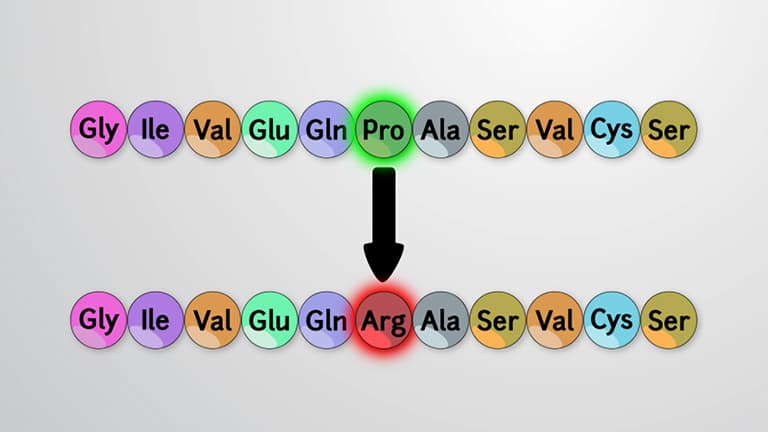
Gene evolution fast or slow patterns become most apparent when examining protein-coding sequences. The genetic code's redundancy means that some mutations are "silent"-they change the DNA sequence but not the resulting protein. These synonymous substitutions occur more frequently than non-synonymous changes that alter amino acids, especially in critical protein regions.
The 16S ribosomal RNA gene exemplifies extreme conservation. This gene encodes a structural component of bacterial ribosomes, the cellular machinery responsible for protein synthesis. Research at institutions like MIT and Harvard has shown that certain regions of this gene remain virtually identical across bacteria, archaea, and even eukaryotes-organisms that separated billions of years ago. These highly conserved sequences are so stable that microbiologists use them as molecular barcodes to identify bacterial species and construct evolutionary trees spanning all life on Earth.
Even within highly conserved genes, evolutionary rates vary dramatically. The 16S rRNA gene contains both hypervariable regions that change relatively quickly and conserved regions that remain stable across geological time scales. This pattern appears throughout biology-the histone proteins that package DNA in human cells show similar variation, with some domains completely unchanged since the common ancestor of plants and animals, while other regions adapt to species-specific requirements.
Understanding gene evolution fast slow principles has revolutionized fields from epidemiology to biotechnology. The Centers for Disease Control and Prevention uses rapidly evolving viral genes to track flu strain mutations and design annual vaccines, while relying on conserved sequences to develop broad-spectrum diagnostic tests. Similarly, pharmaceutical companies at research centers like those in Boston and San Francisco exploit conserved drug targets that work across multiple pathogen species, while monitoring rapidly evolving resistance genes.
For students preparing for advanced placement biology exams or college-level genetics courses, recognizing these evolutionary patterns helps explain why some genetic diseases persist across populations while others quickly disappear, and why certain antibiotics remain effective while others lose potency over time.
Related Micro-courses