Loading video…


 21 Concepts
 146.1K views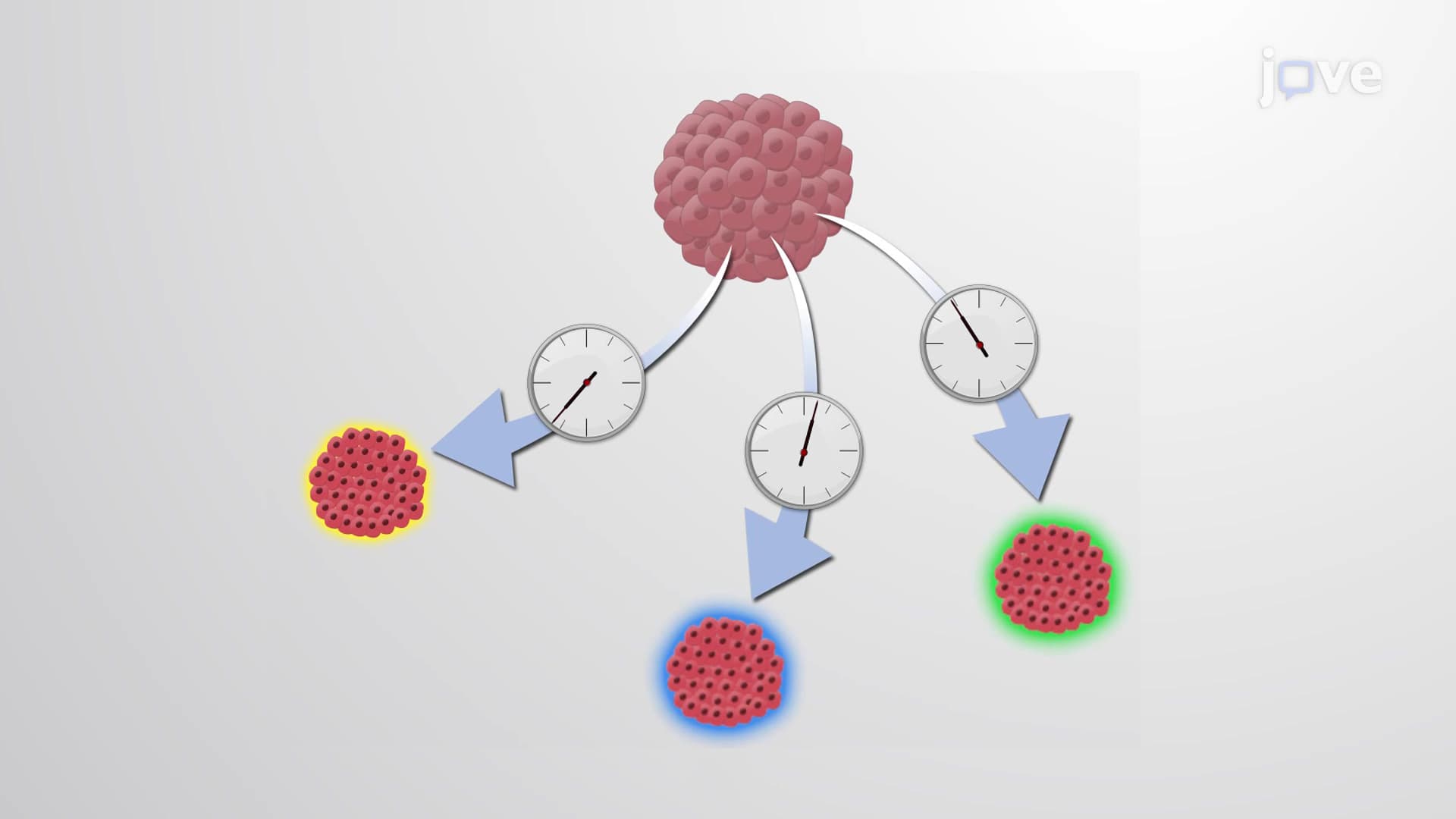

Video Summary: What Is Tumor Progression
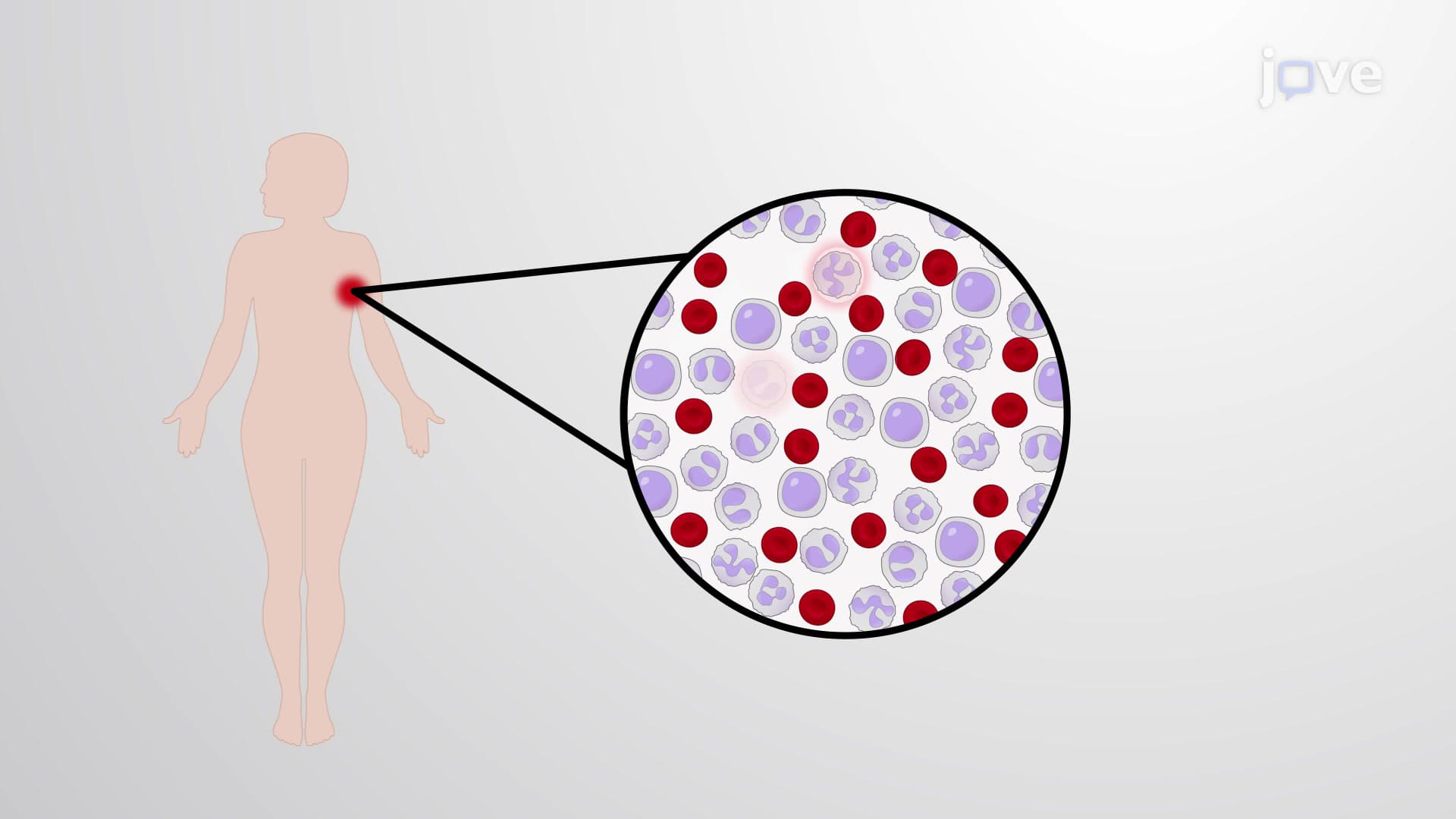
Did you know that breast cancer cells can begin spreading when tumors are smaller than a pencil eraser? Tumor progression describes how cancers transform from relatively harmless cell clusters into aggressive, life-threatening diseases through accumulated genetic mutations. The process explains why early-stage chronic myelogenous leukemia (CML) patients at MD Anderson Cancer Center may initially respond well to treatment, only to face drug resistance years later as their cancer cells acquire new mutations. Understanding what is tumor progression helps explain cancer's evolving nature and treatment challenges. Watch the full video on JoVE Coach to master this concept with expert-led visuals and step-by-step explanations.
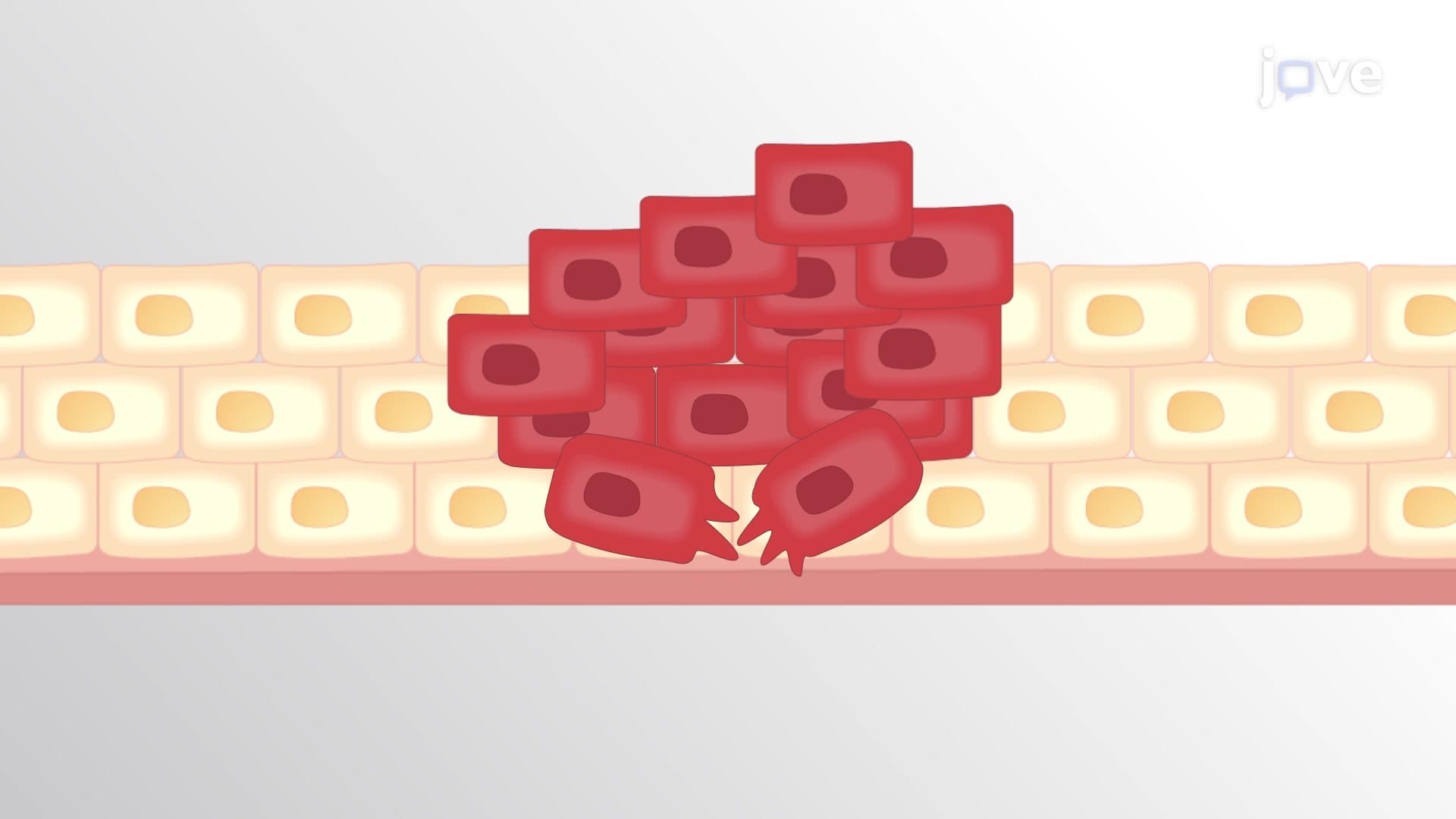
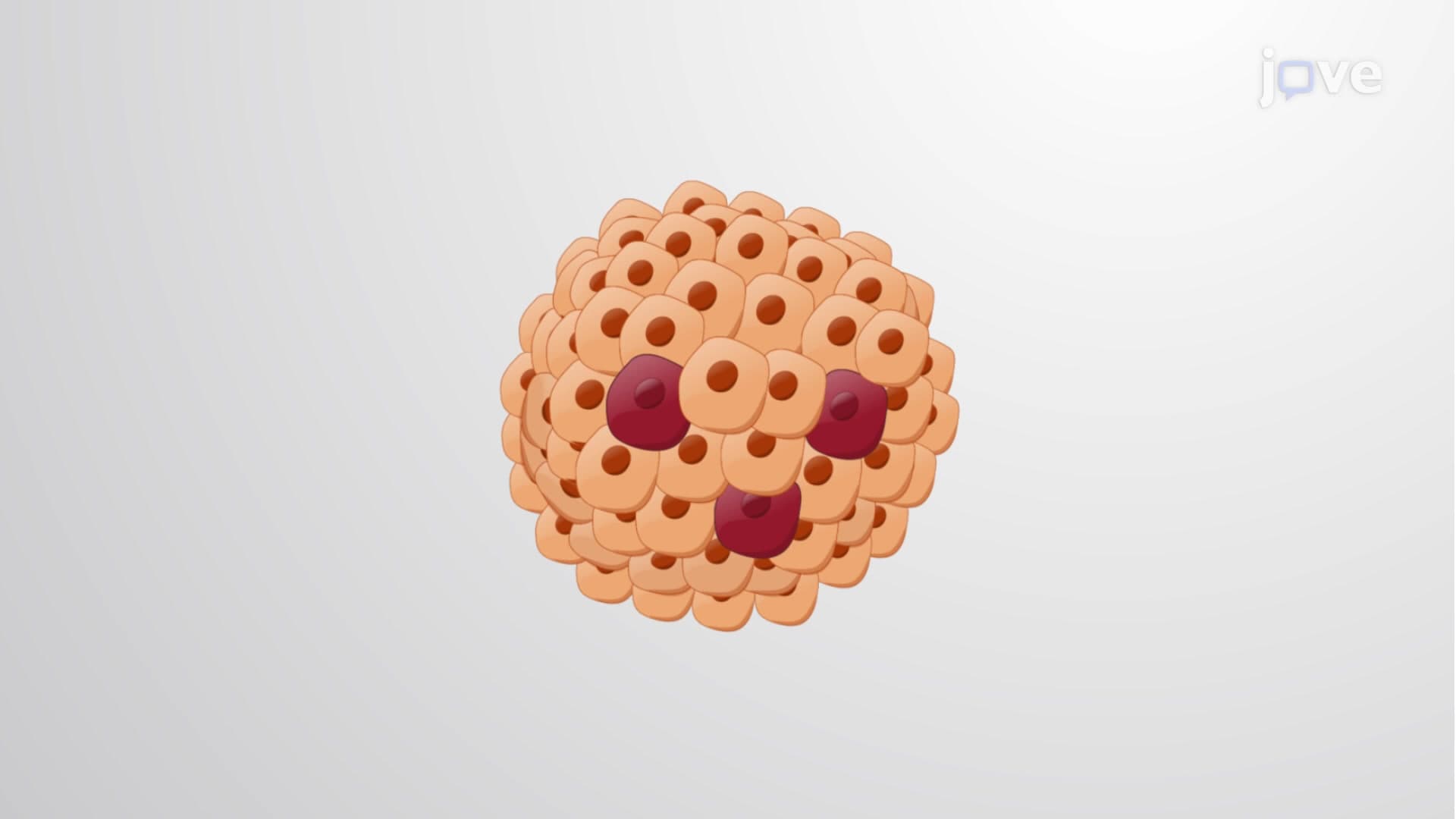
Tumor progression represents one of cancer biology's most critical concepts, describing the evolutionary journey of cancer cells from relatively stable abnormal growths to highly aggressive, treatment-resistant malignancies. Unlike the initial transformation of healthy cells into cancer cells, tumor progression focuses on how established tumors continue changing over months to years, becoming increasingly dangerous to patients.
This concept frequently appears on the MCAT Biology section and AP Biology exams, where students must distinguish between cancer initiation and progression. College-level oncology courses at institutions like Johns Hopkins and Harvard Medical School emphasize tumor progression as fundamental to understanding modern cancer treatment strategies.
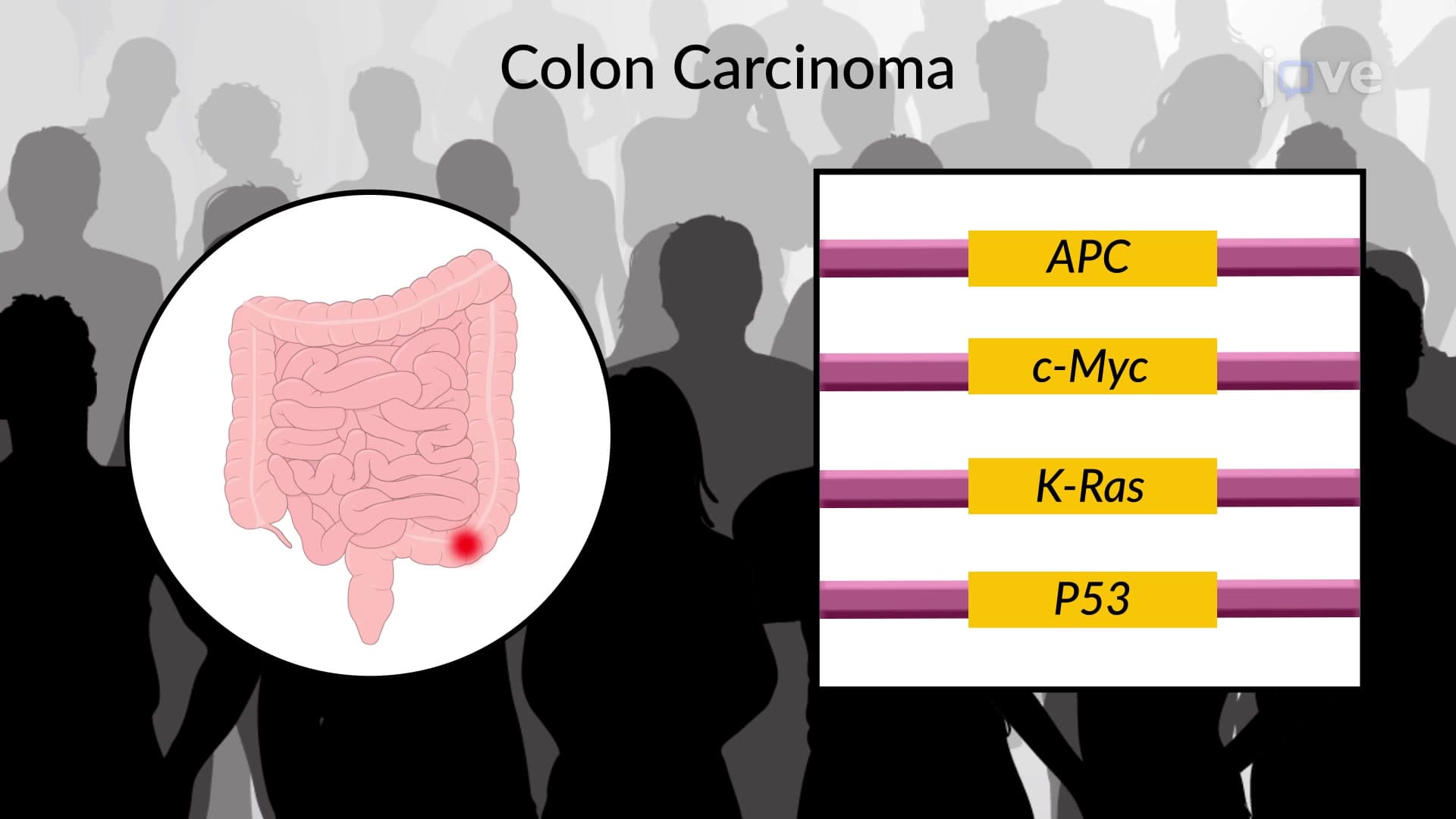
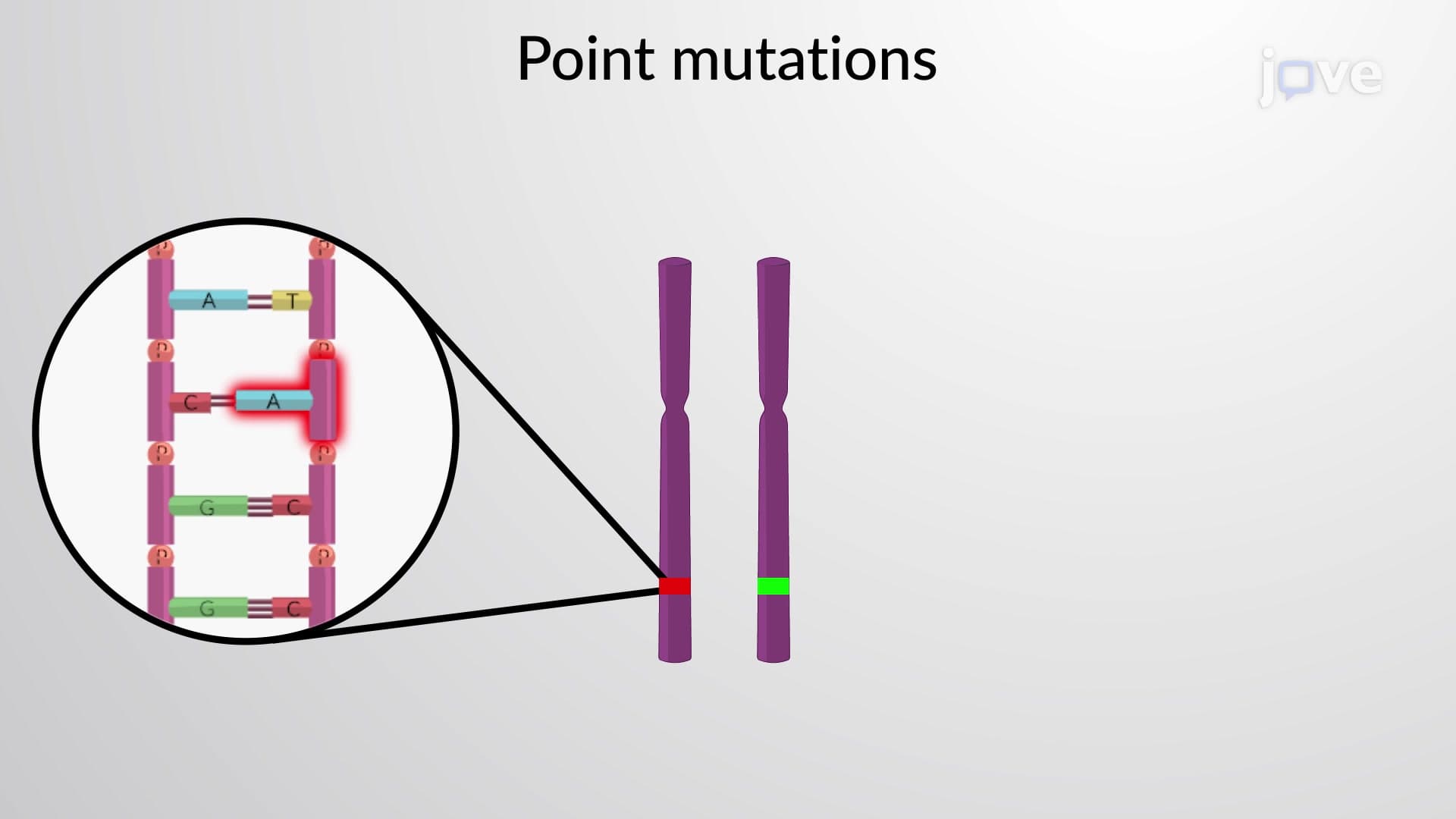
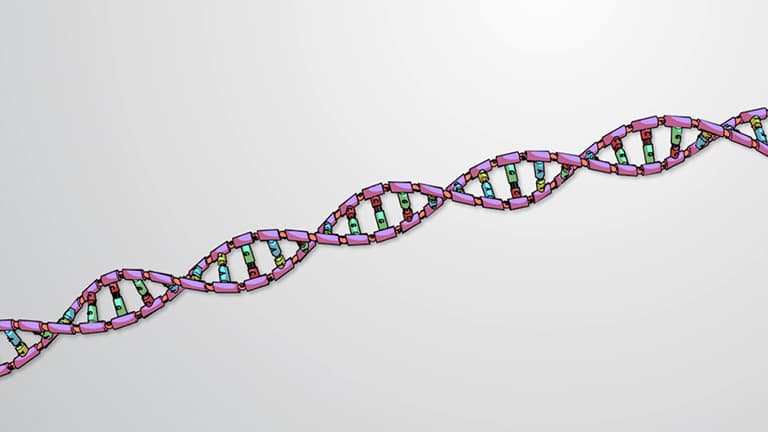
The tumor progression definition encompasses multiple molecular changes occurring simultaneously within cancer cells. Genomic instability serves as the engine driving this process-once cells acquire their first cancer-causing mutation, their DNA repair mechanisms often become compromised, leading to accelerated mutation accumulation.
The Philadelphia chromosome in chronic myelogenous leukemia exemplifies this process. Initially discovered at the University of Pennsylvania, this chromosomal abnormality results from chromosome 9 and 22 exchanging genetic material. The resulting BCR-ABL1 fusion protein gives cells growth advantages while maintaining some response to targeted therapies like imatinib (Gleevec). However, as tumor progression continues, additional mutations often develop, creating resistance to these initially effective treatments.
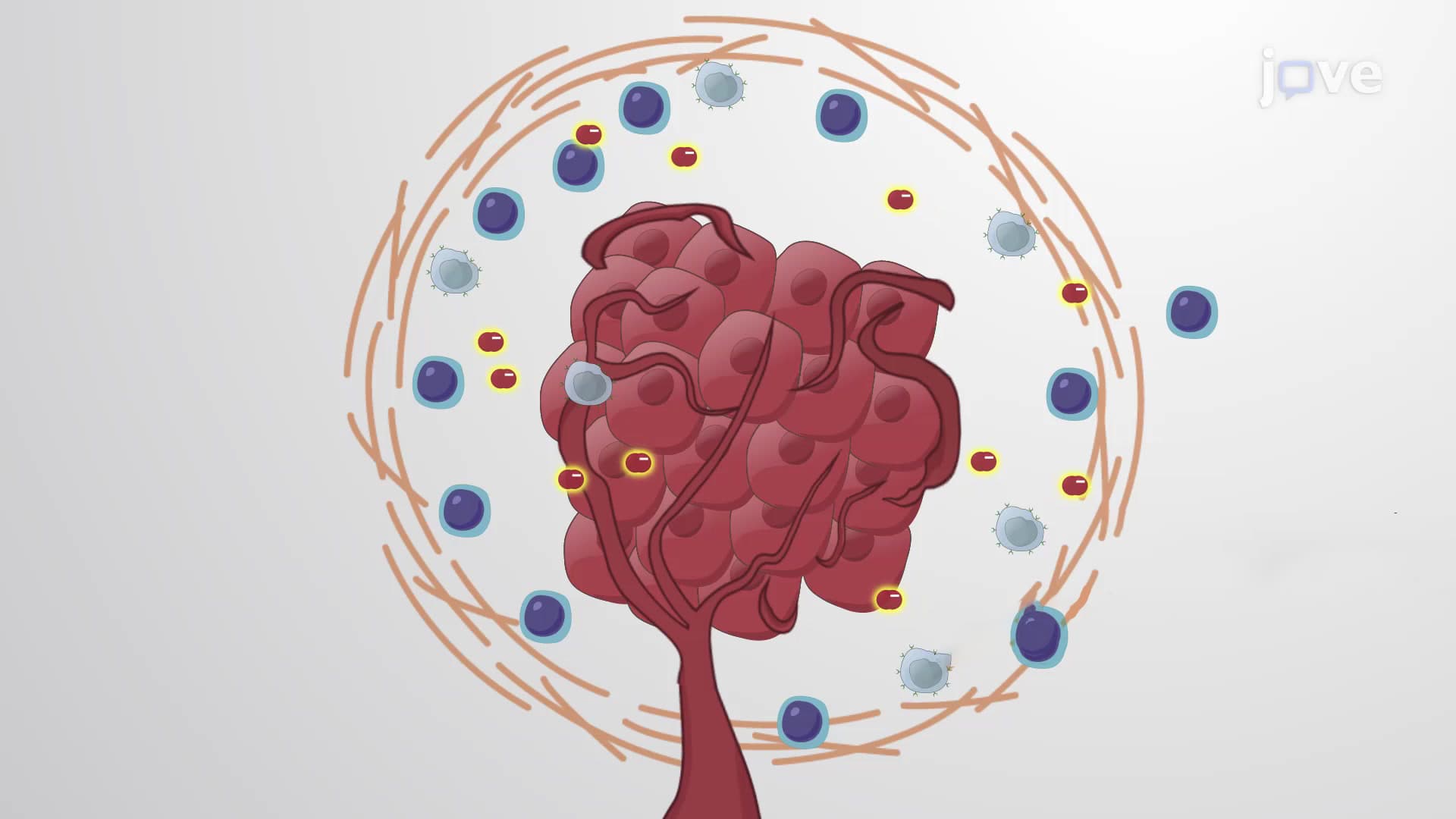
A crucial aspect of what is tumor progression in detail involves understanding angiogenesis-the formation of new blood vessels that support tumor growth. Dr. Judah Folkman's groundbreaking research at Boston Children's Hospital demonstrated how tumors cannot grow beyond 1-2mm without developing their own blood supply. During progression, cancer cells release signaling molecules that stimulate nearby blood vessels to sprout new branches, essentially creating their own supply network.
These newly formed blood vessels serve dual purposes: supplying nutrients for rapid tumor growth and providing highways for cancer cells to travel throughout the body. This explains why metastatic cancer-cancer that has spread to distant organs-represents such a formidable clinical challenge at major cancer centers like Memorial Sloan Kettering and Mayo Clinic.
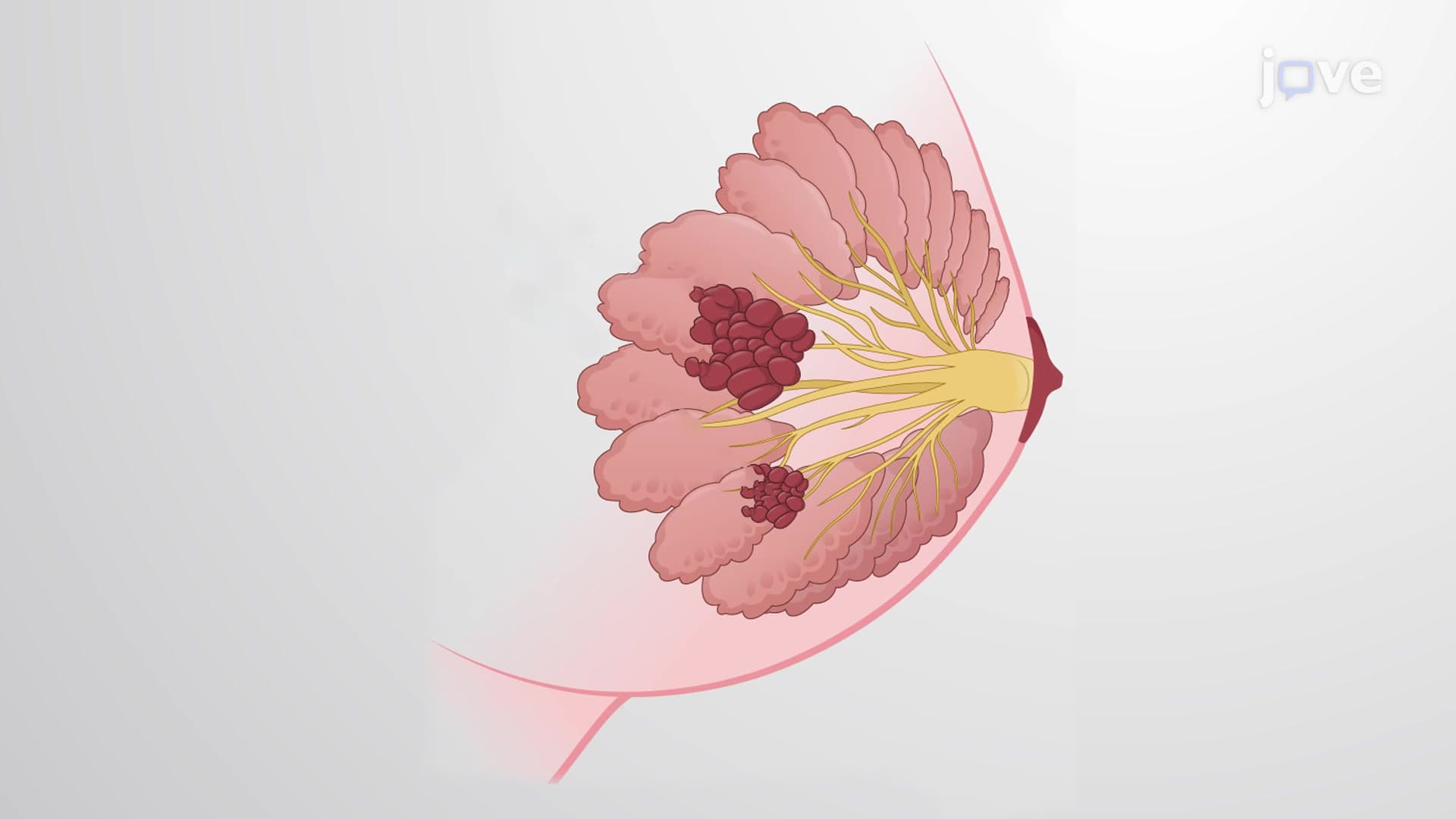
The parallel progression model revolutionized understanding of tumor progression basics by demonstrating that metastasis can begin much earlier than previously thought. Research from institutions like Dana-Farber Cancer Institute shows that breast cancer cells can disseminate when primary tumors measure just 1-4 millimeters-often before detection by mammography.
This model explains why some patients with seemingly early-stage cancers later develop distant metastases despite successful primary tumor removal. The "seeds" of future metastases may have already spread years before diagnosis, developing independently and acquiring unique mutations that make them increasingly difficult to treat.
Related Micro-courses