Loading video…


 11 Concepts
 72.6K views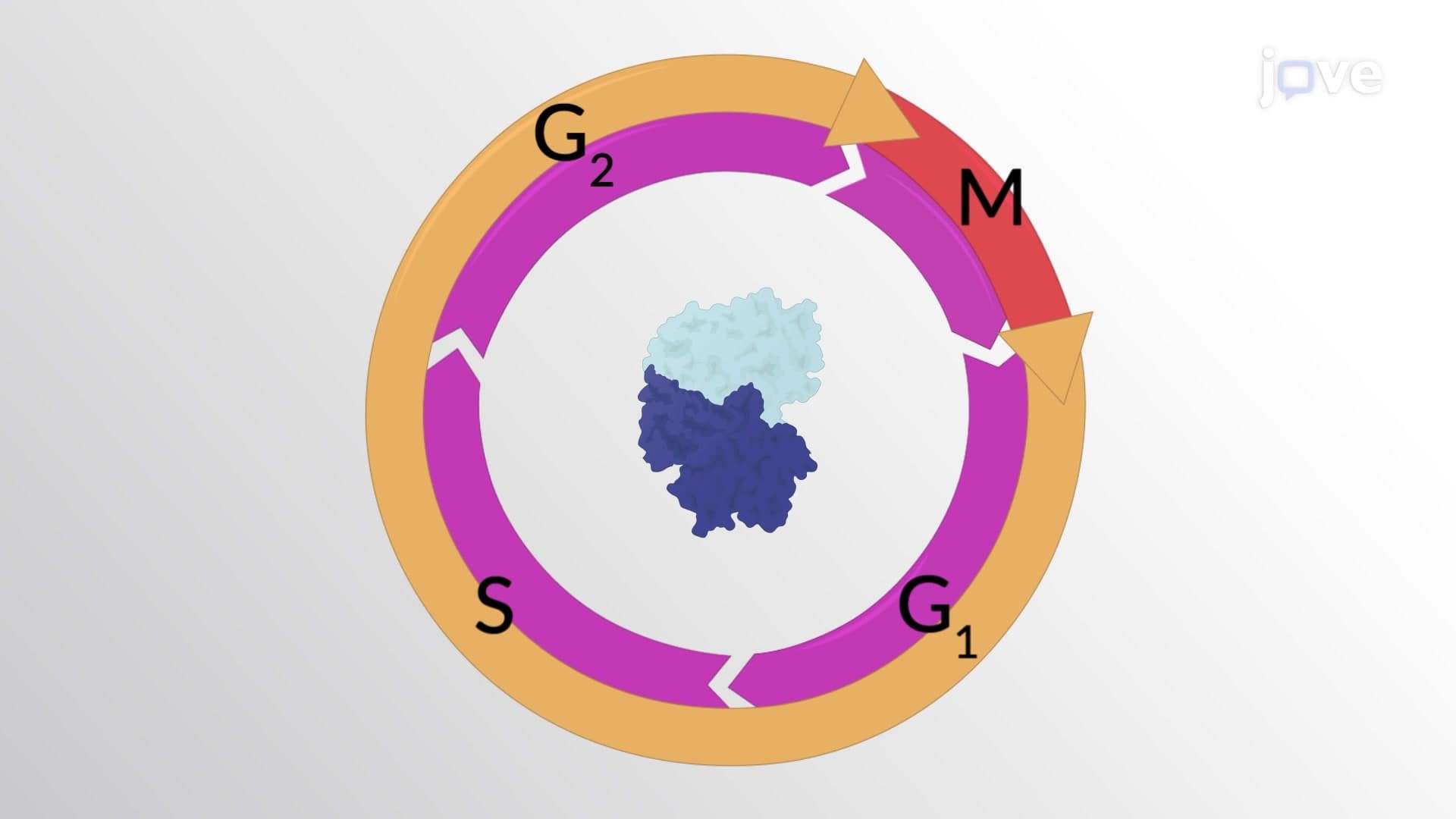

Video Summary: The Cell Cycle Control System Explained
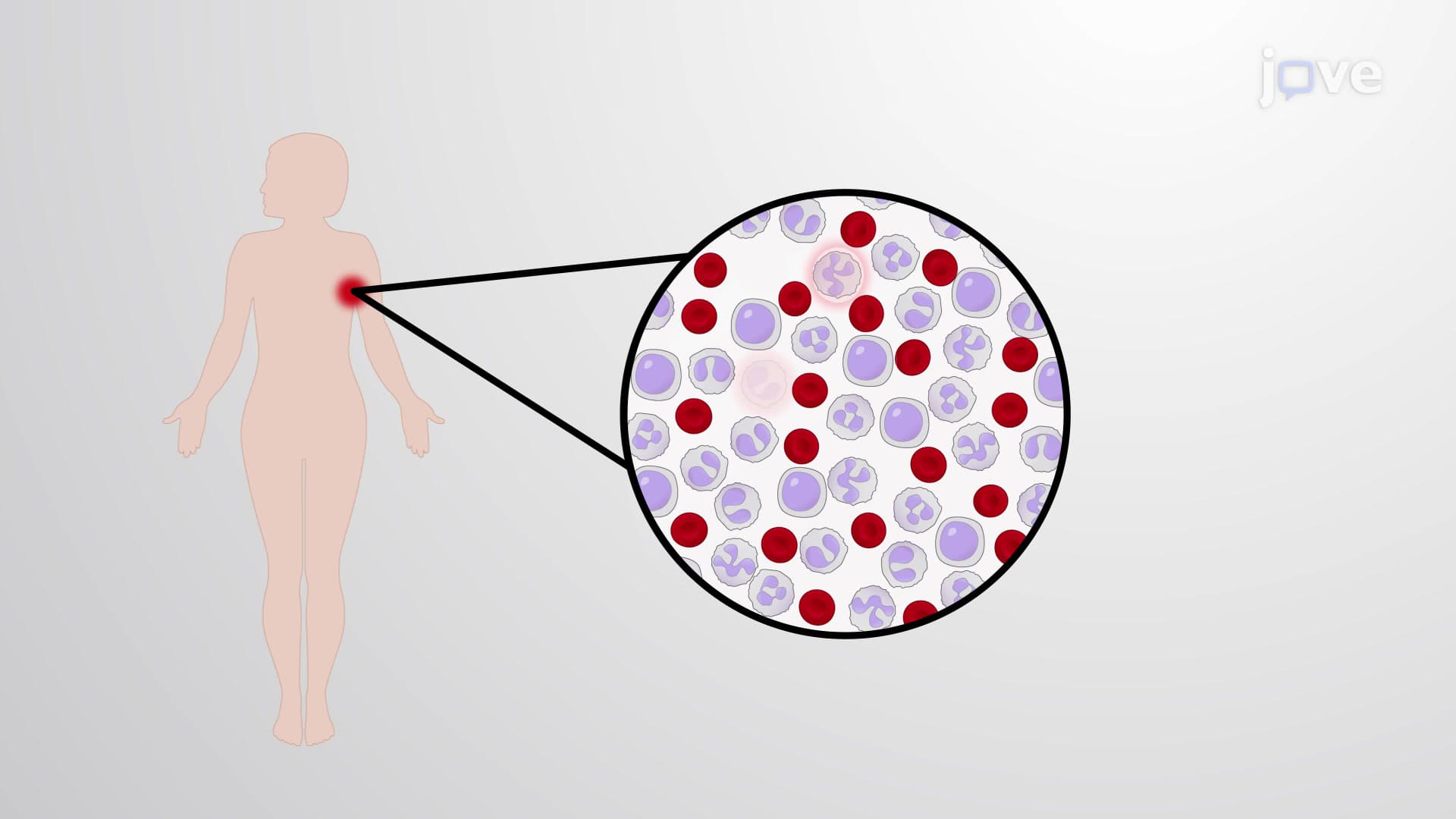
Every second, millions of cells in your body divide to replace damaged tissue, yet cancer affects 1 in 3 Americans-highlighting how critical the cell cycle control system is for preventing cellular chaos. This sophisticated regulatory network uses checkpoint proteins to ensure DNA replication occurs flawlessly before cell division proceeds. Understanding The Cell Cycle Control System Explained reveals how cells maintain genetic integrity through carefully orchestrated molecular safeguards. Watch the full video on JoVE Coach to master this concept with expert-led visuals and step-by-step explanations.
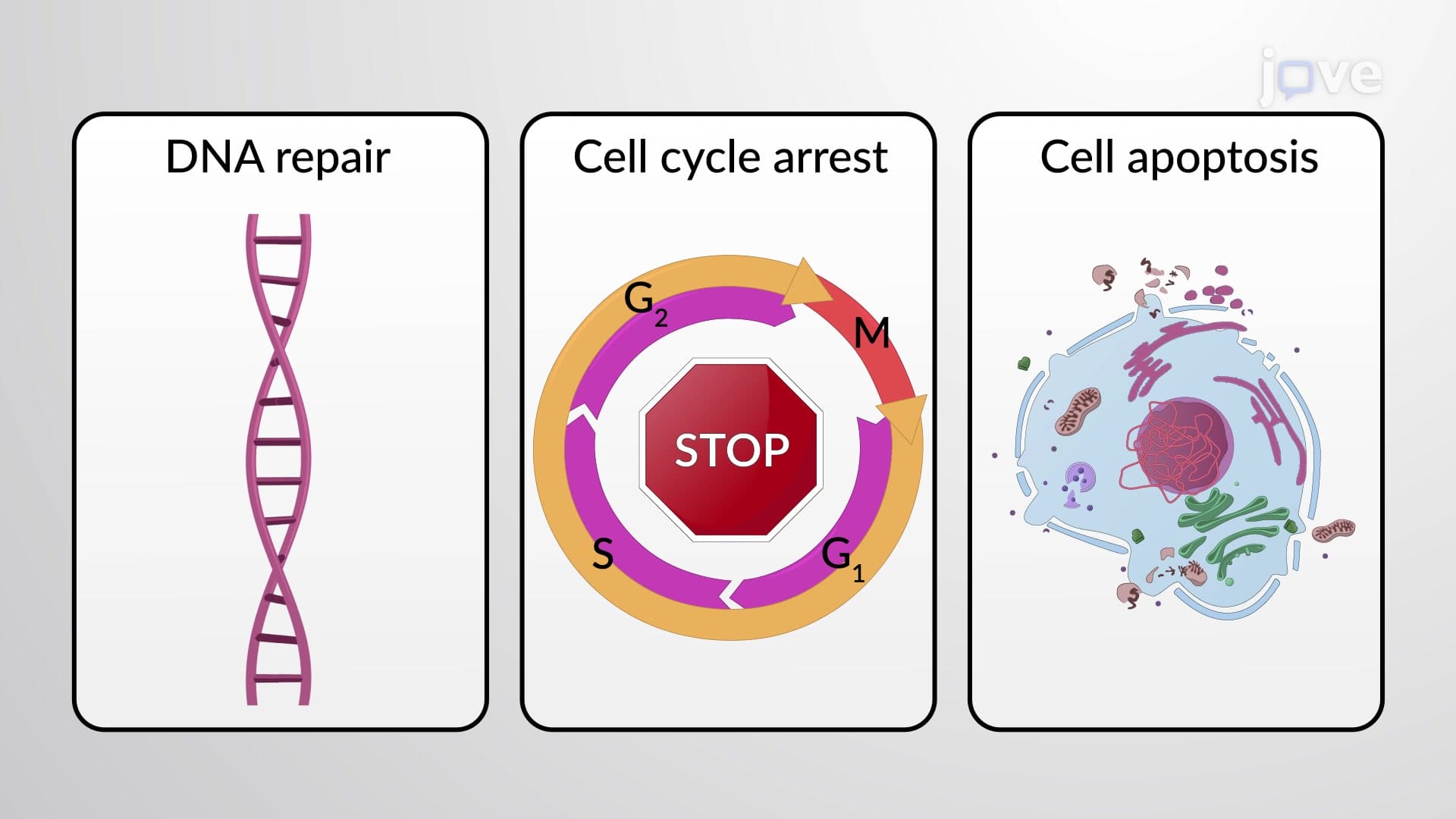
The cell cycle control system functions as a sophisticated quality assurance program, ensuring that each cell division produces two genetically identical daughter cells. This regulatory network consists of checkpoint proteins that act as molecular gatekeepers, halting cell cycle progression when problems are detected. Unlike a simple assembly line, this system can reverse decisions, triggering cell death when damage is irreparable.
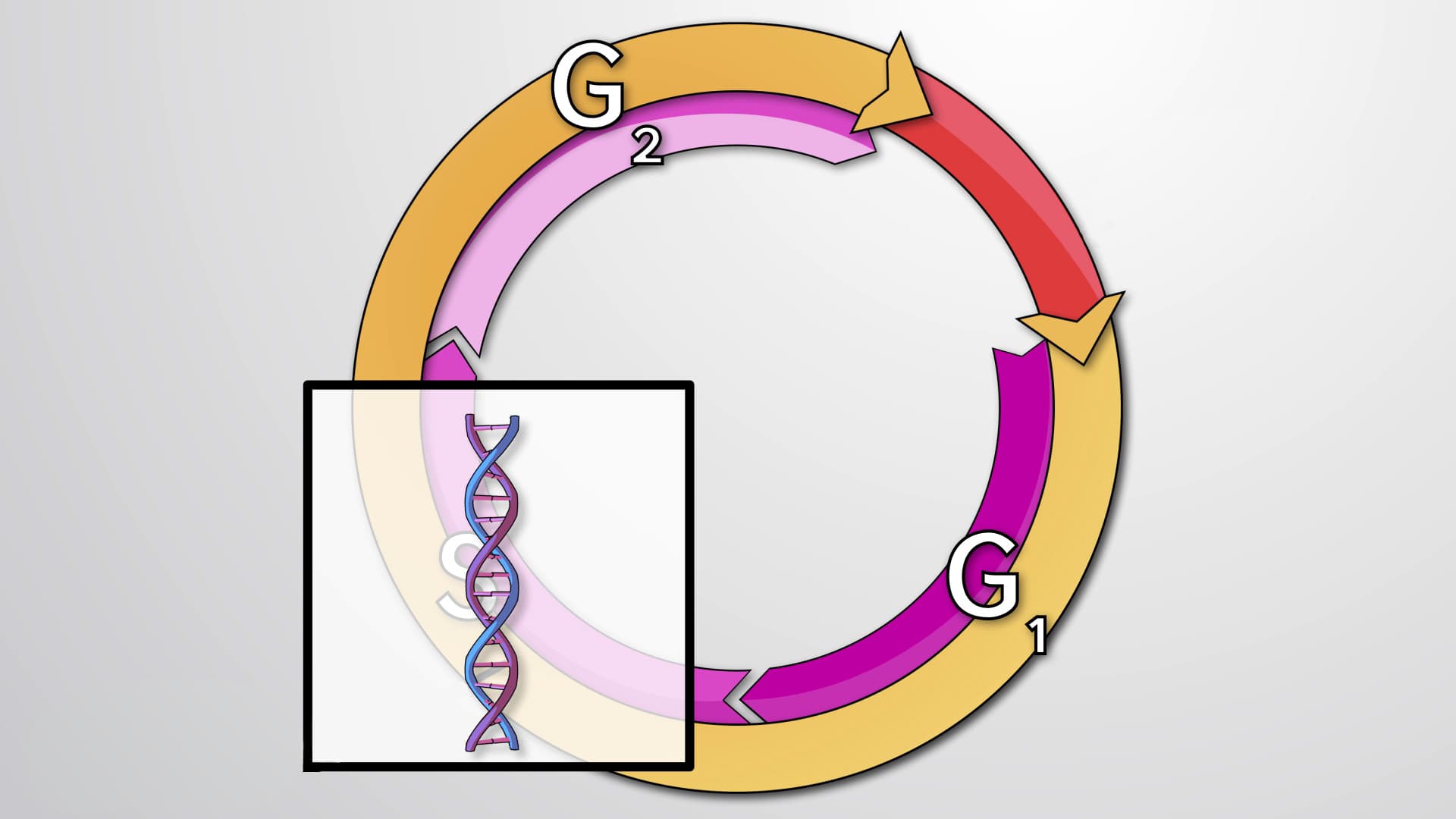
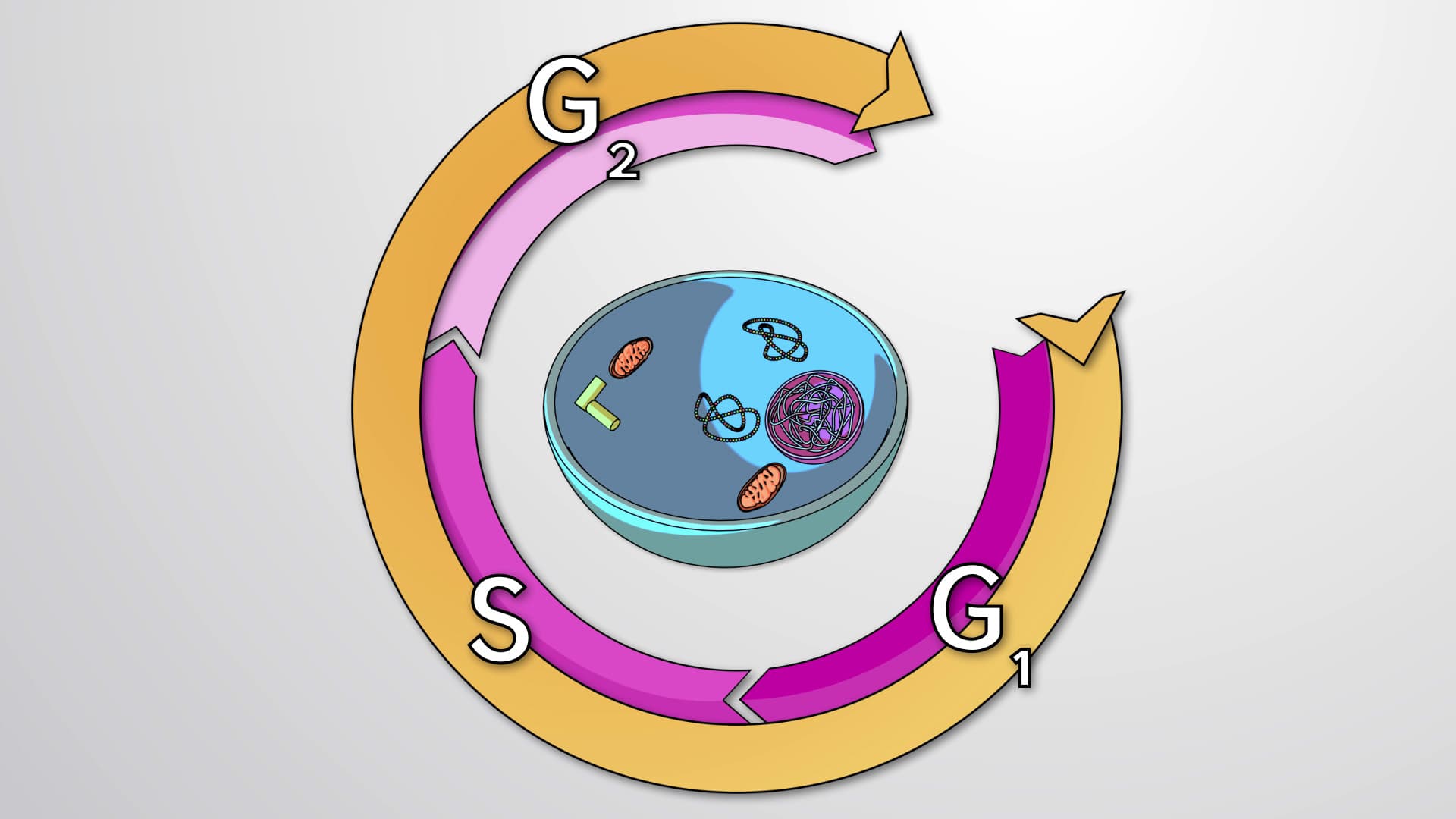
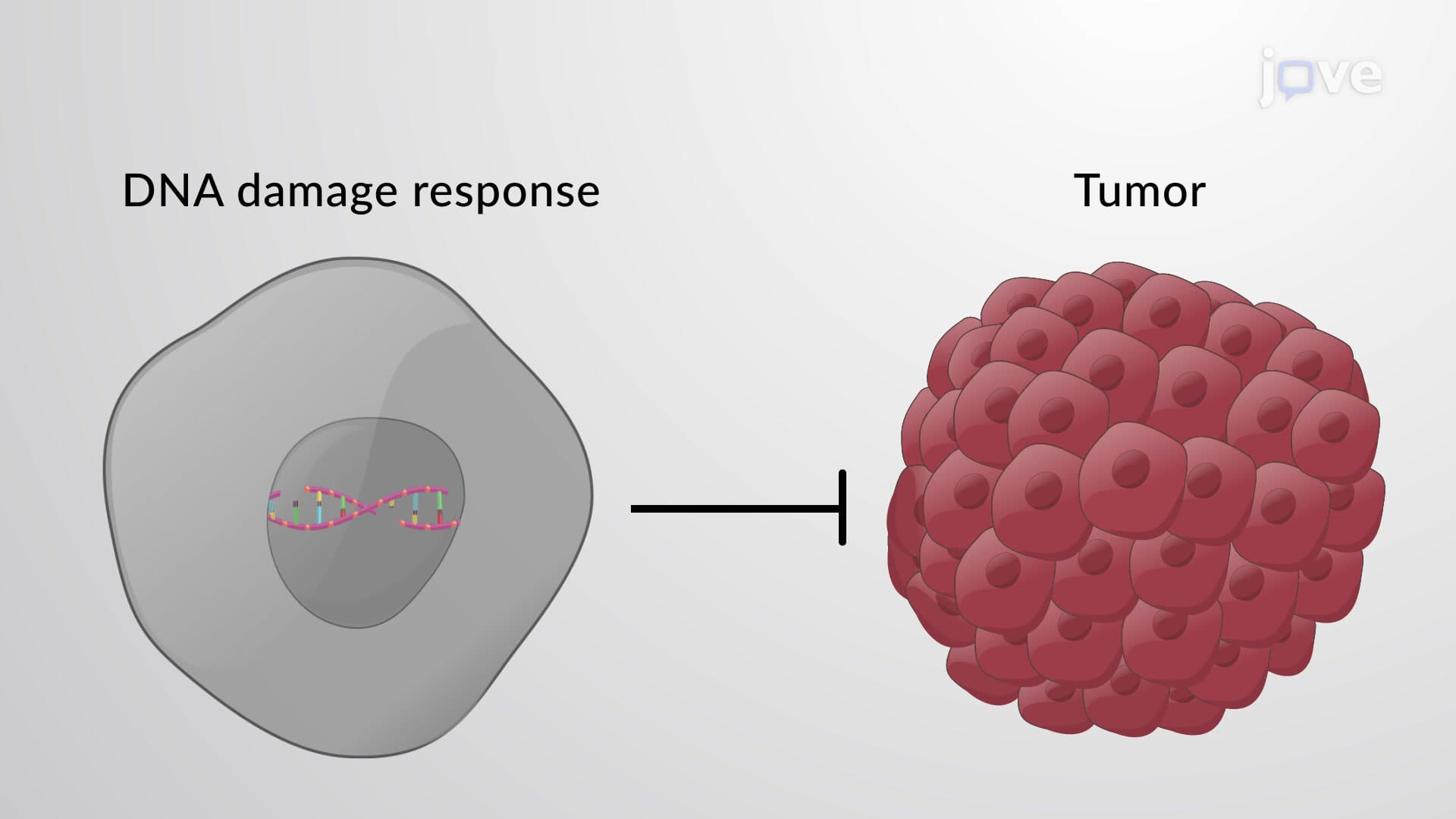
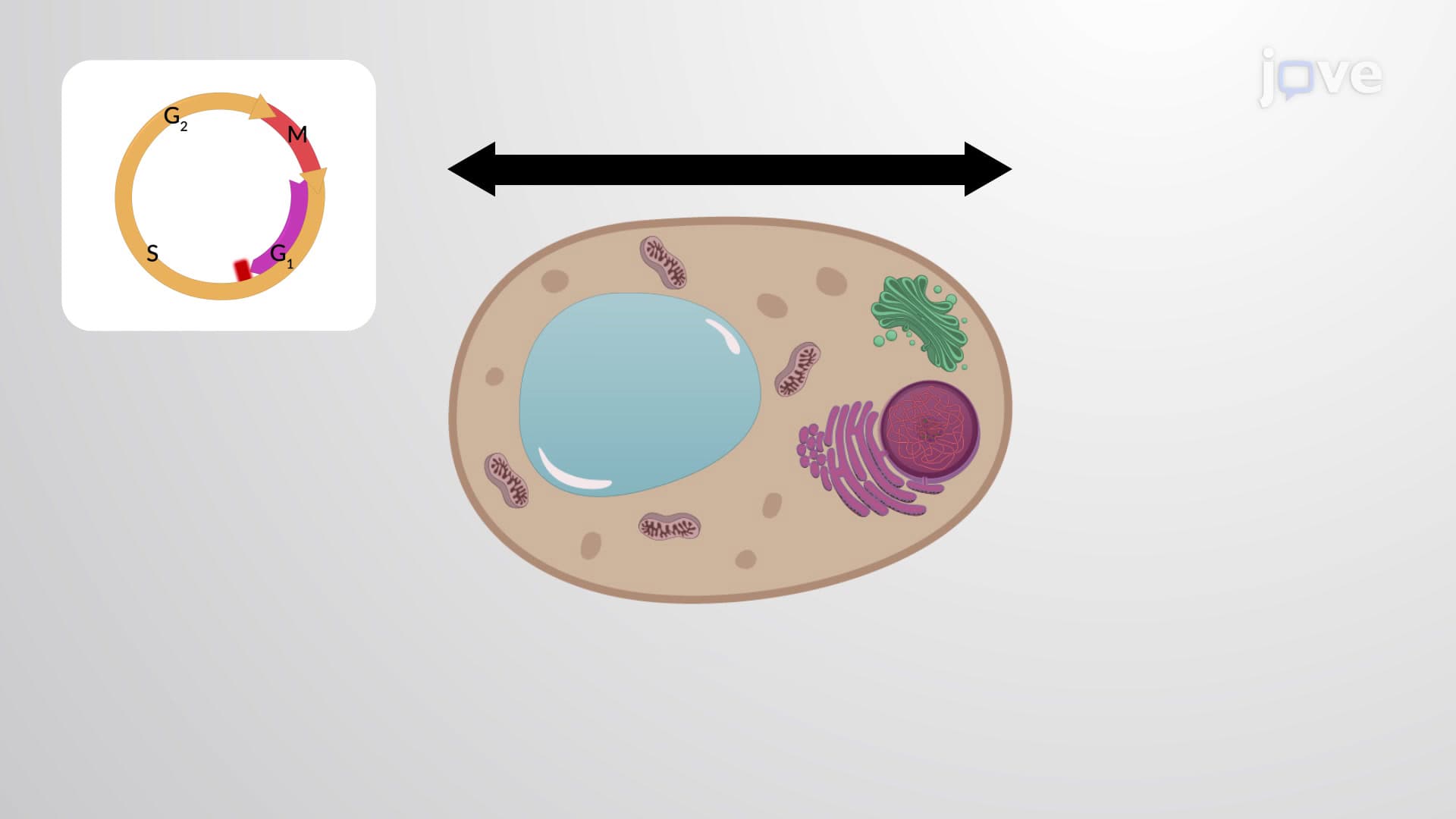
The G1/S checkpoint, often called the restriction point, represents the most critical decision in a cell's life. Here, the tumor suppressor protein p53-dubbed "guardian of the genome"-monitors DNA integrity while other proteins assess cell size, nutrient availability, and growth factor signals. Cells failing this checkpoint enter G0 phase, a quiescent state where they remain metabolically active but don't divide. This mechanism explains why liver cells can remain dormant for years but rapidly divide during regeneration after injury. For AP Biology students, understanding this checkpoint is crucial for explaining how cancer cells bypass normal growth controls.
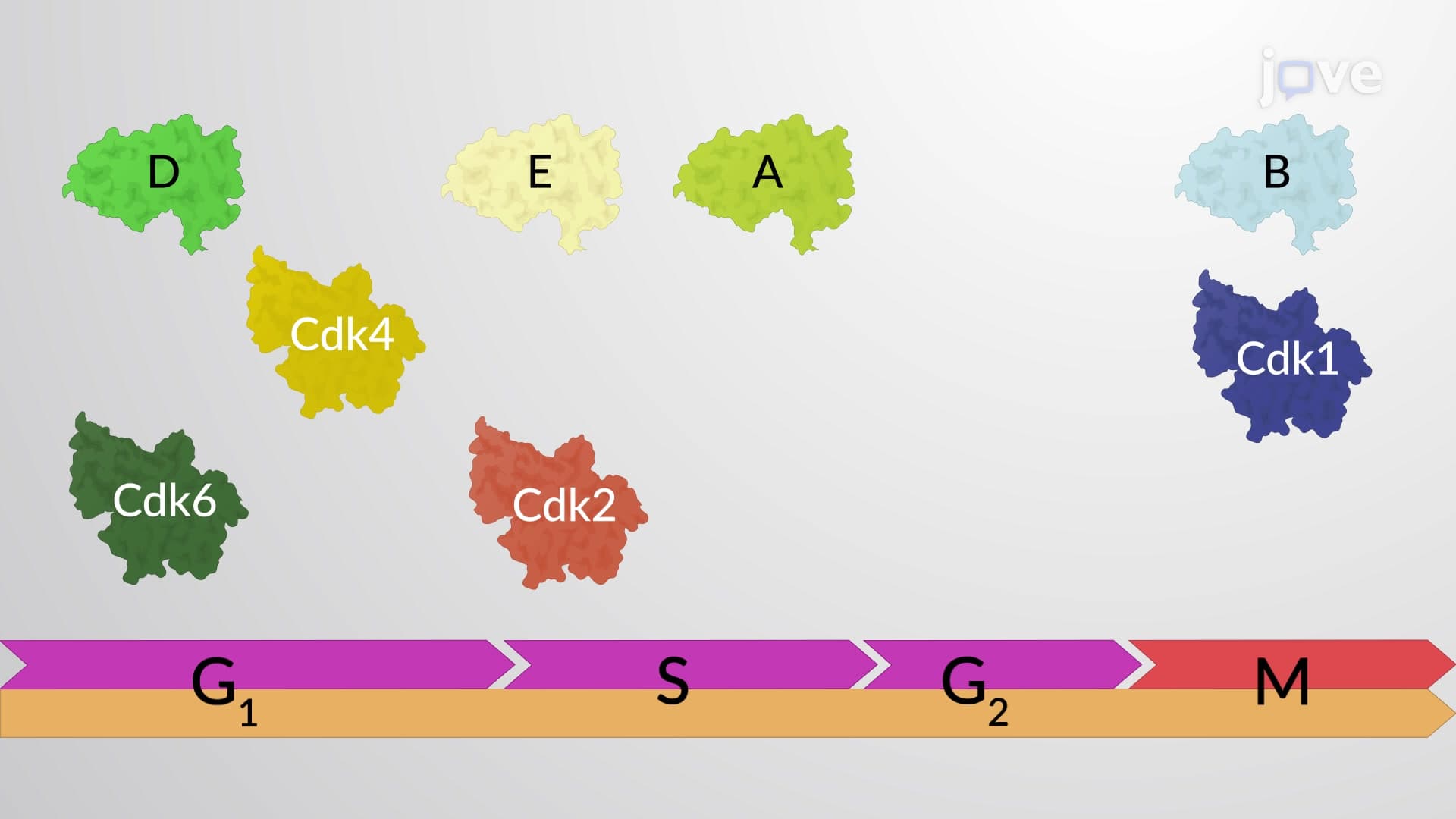
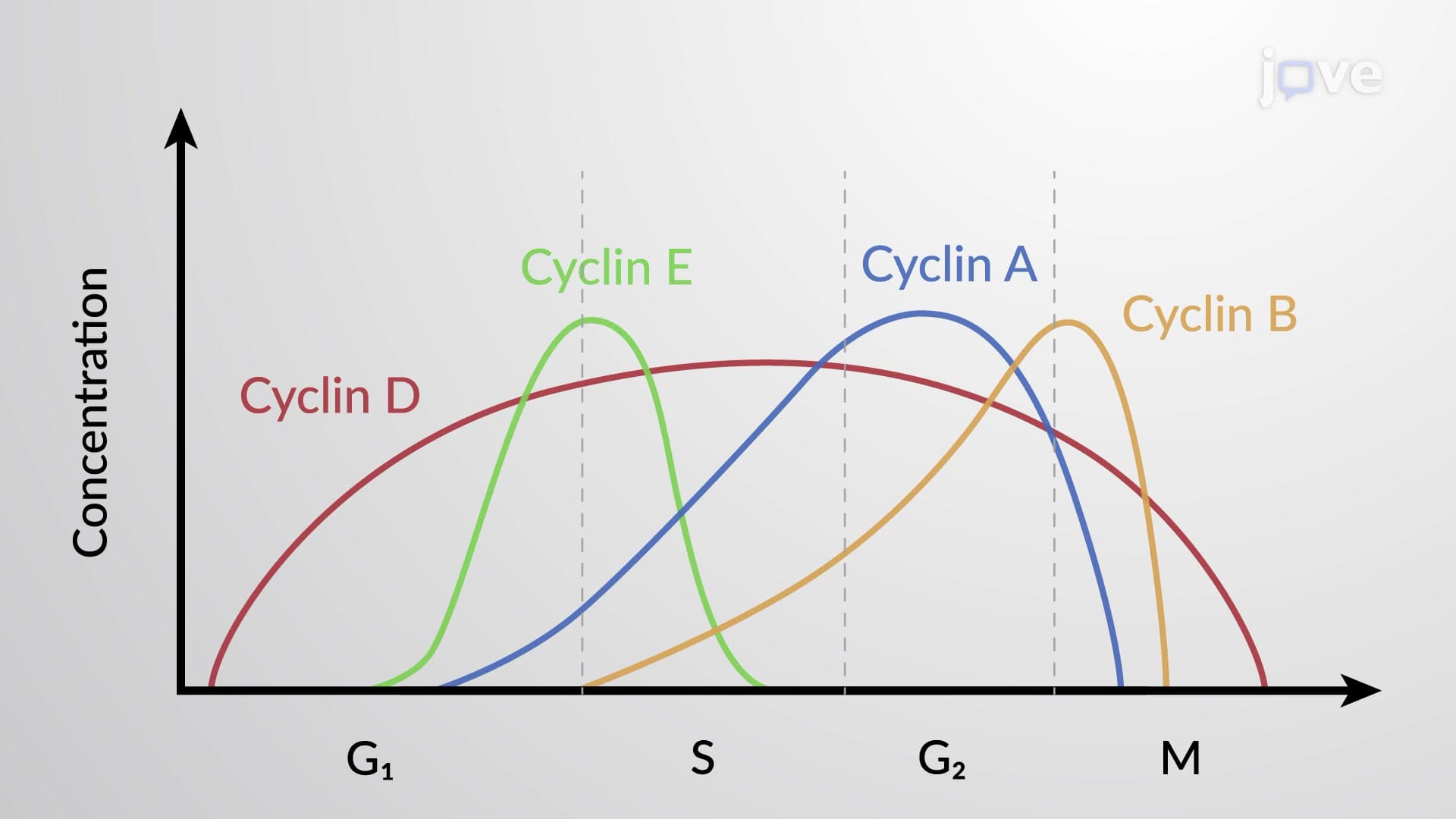
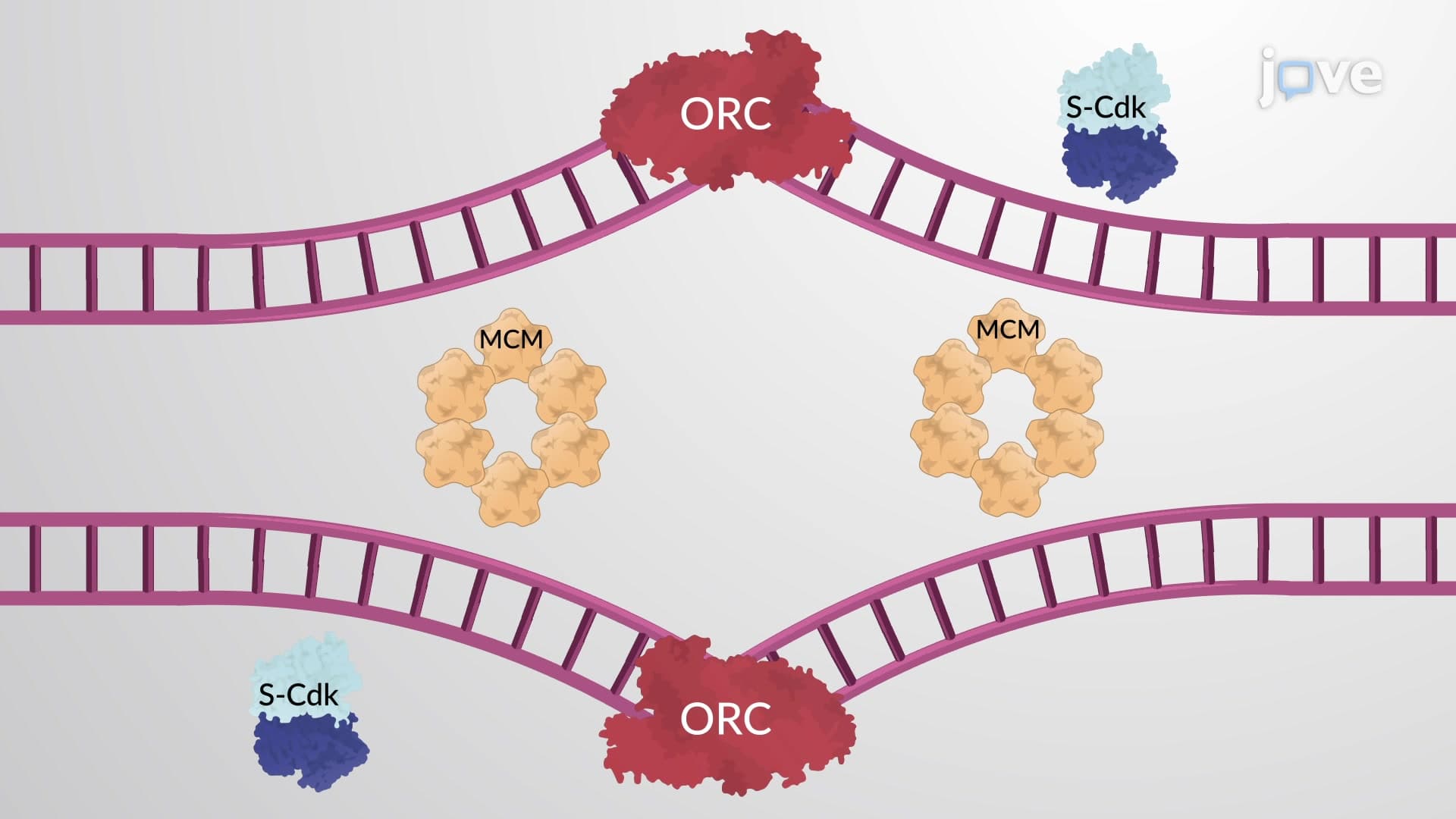
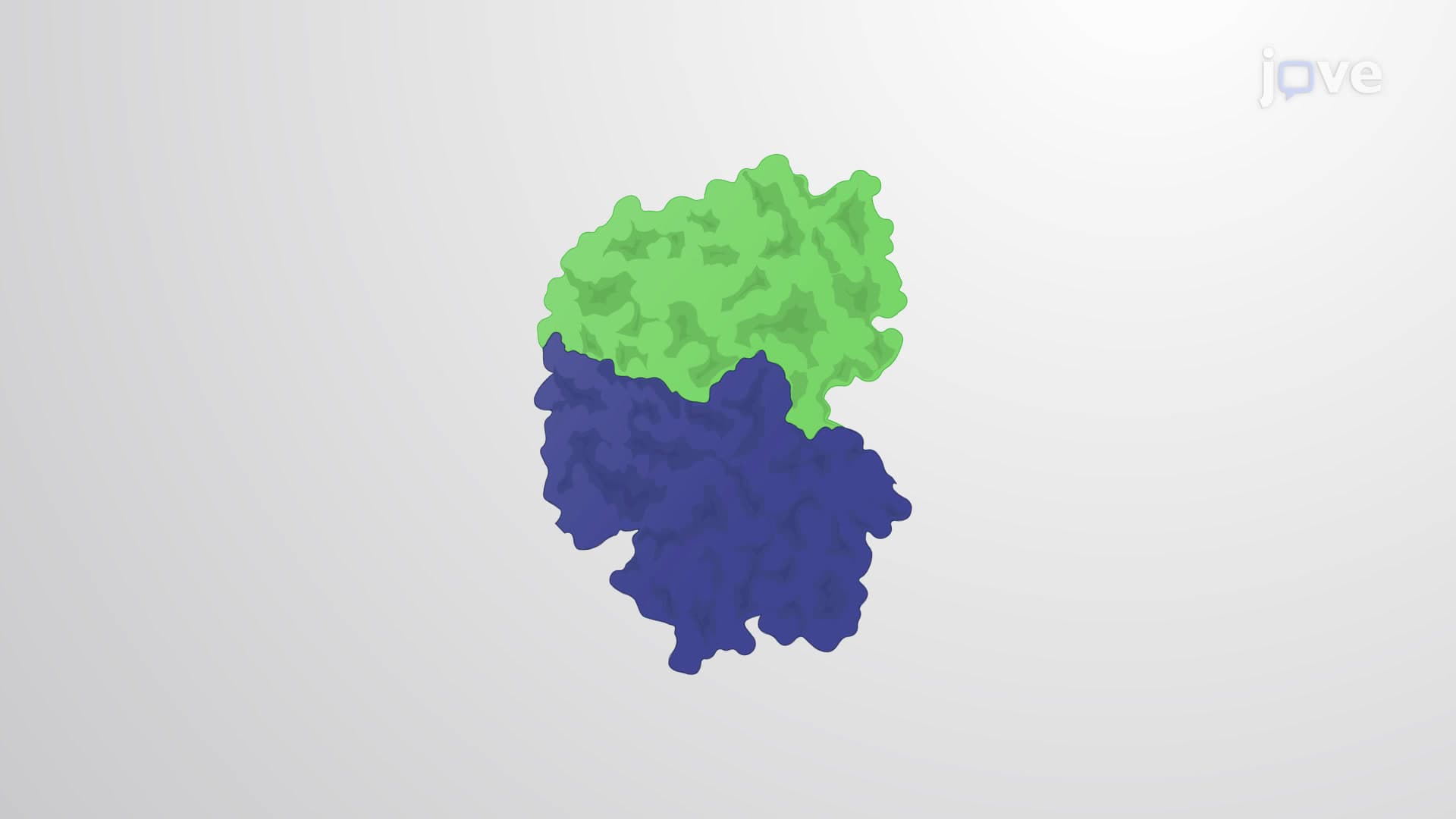
Cyclin-dependent kinases (CDKs) serve as the cell cycle's molecular engines, but they require cyclin proteins as activation keys. Different cyclin types accumulate and degrade in precise patterns-cyclin E peaks during G1/S transition, while cyclin B drives mitosis. This partnership creates a molecular timer that prevents premature progression. The complexity becomes evident in cancer research: overexpression of cyclin D1 occurs in breast cancer, while cyclin E amplification appears in ovarian cancers, making these proteins valuable therapeutic targets.
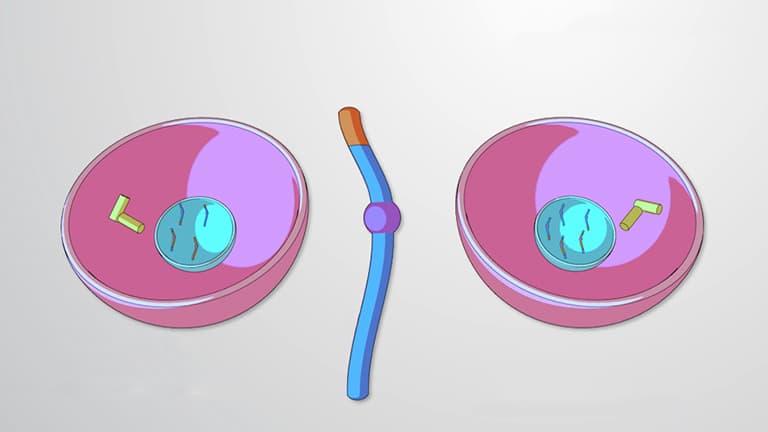
During mitosis, the spindle assembly checkpoint prevents chromosome segregation until every chromosome attaches correctly to spindle fibers. This mechanism prevents aneuploidy-abnormal chromosome numbers that cause developmental disorders like Down syndrome. The checkpoint protein Mad2 acts as a molecular brake, inhibiting the anaphase-promoting complex until all kinetochores signal proper attachment. MCAT students frequently encounter questions about this checkpoint because its failure directly links to genetic diseases and cancer progression.
Understanding cell cycle regulation proves essential for pre-med students studying oncology, developmental biology, and genetics. This knowledge foundation supports advanced topics including stem cell biology, aging mechanisms, and targeted cancer therapies currently revolutionizing American healthcare.
Related Micro-courses