Loading video…


 11 Concepts
 72.6K views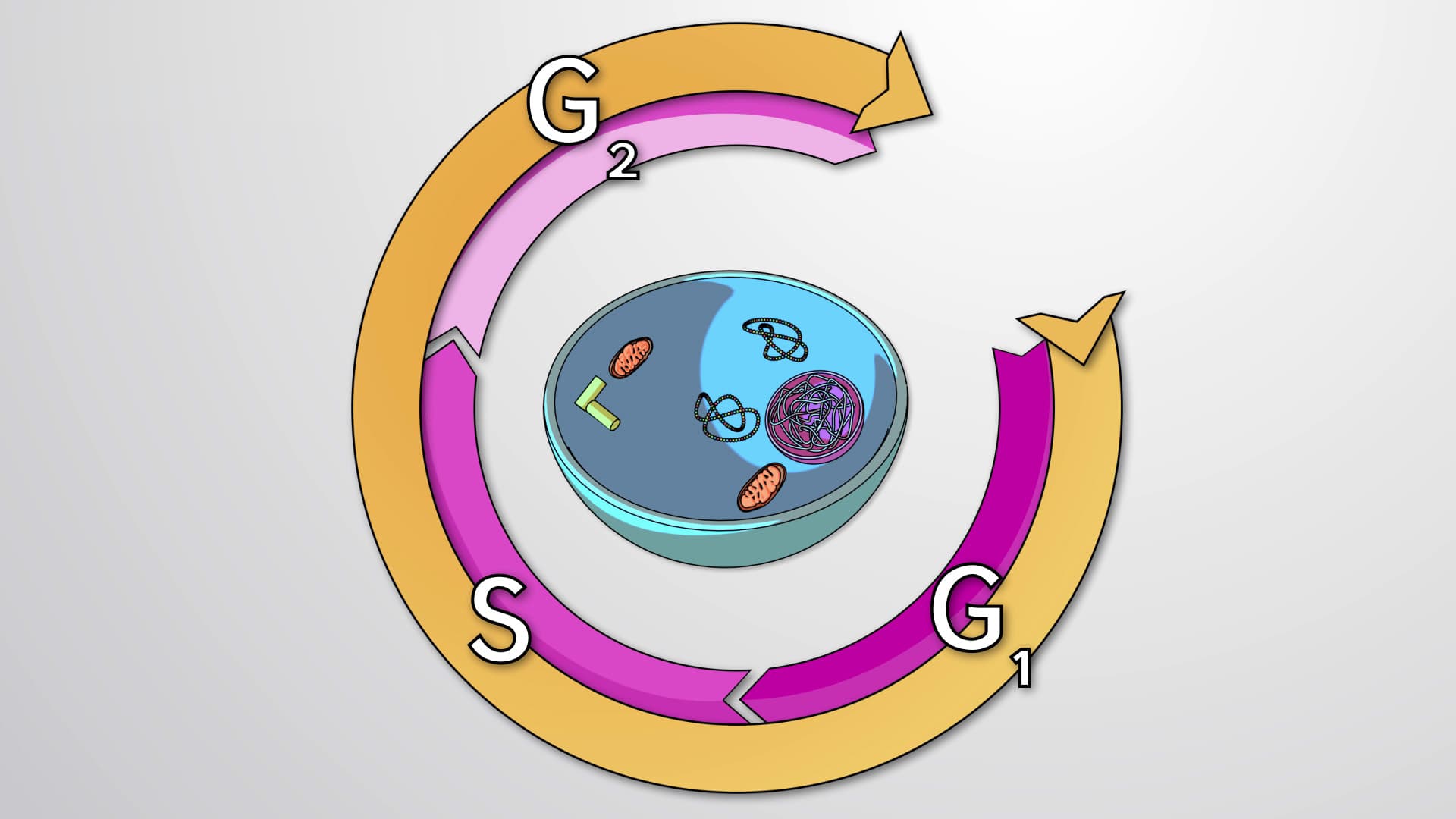

Video Summary: What Is Interphase
Did you know that cells spend approximately 90% of their lives in a single phase preparing for division? Interphase explained biology reveals how cells undergo this crucial preparatory stage before mitosis. During what is interphase, cells grow, replicate DNA, and synthesize proteins essential for successful division. Cancer researchers at Memorial Sloan Kettering Cancer Center study interphase disruptions to understand how tumors develop uncontrolled growth patterns. Watch the full video on JoVE Coach to master this concept with expert-led visuals and step-by-step explanations.
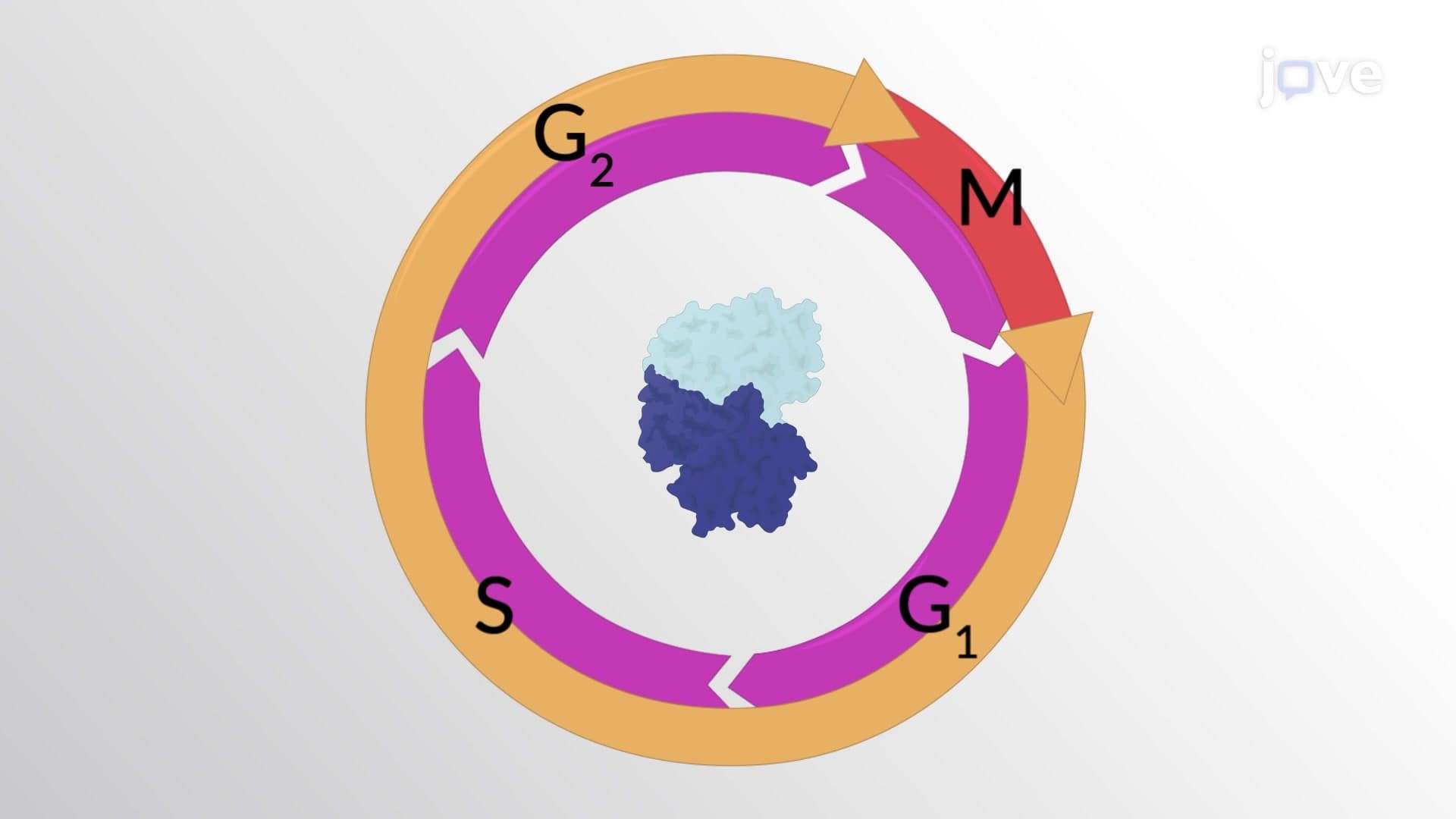
Interphase represents the longest and most metabolically active period of the cell cycle, accounting for roughly 90% of a cell's lifetime. Unlike the dramatic chromosome movements visible during mitosis, interphase involves critical molecular preparations that occur largely unseen but determine whether cell division succeeds or fails.
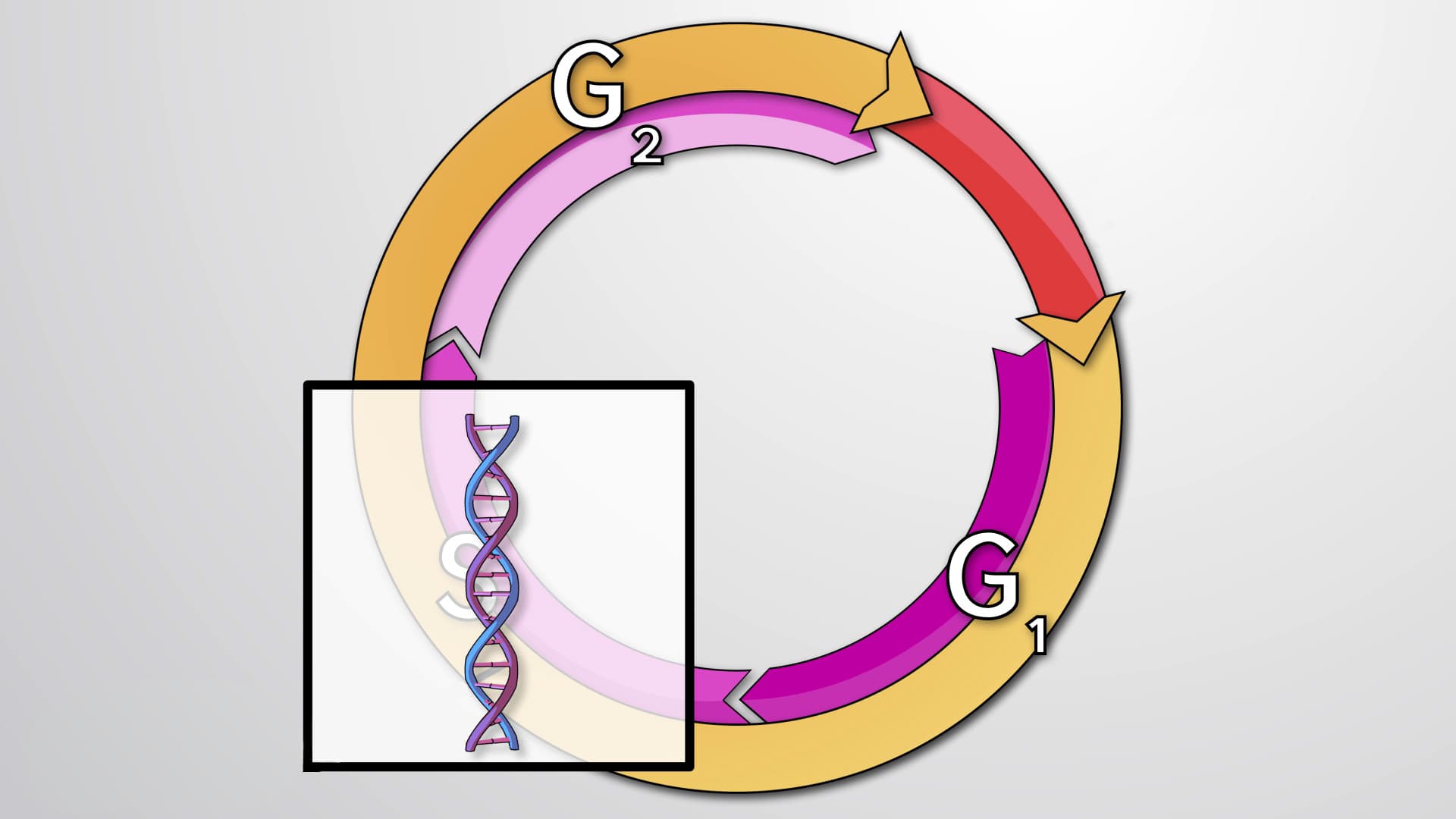
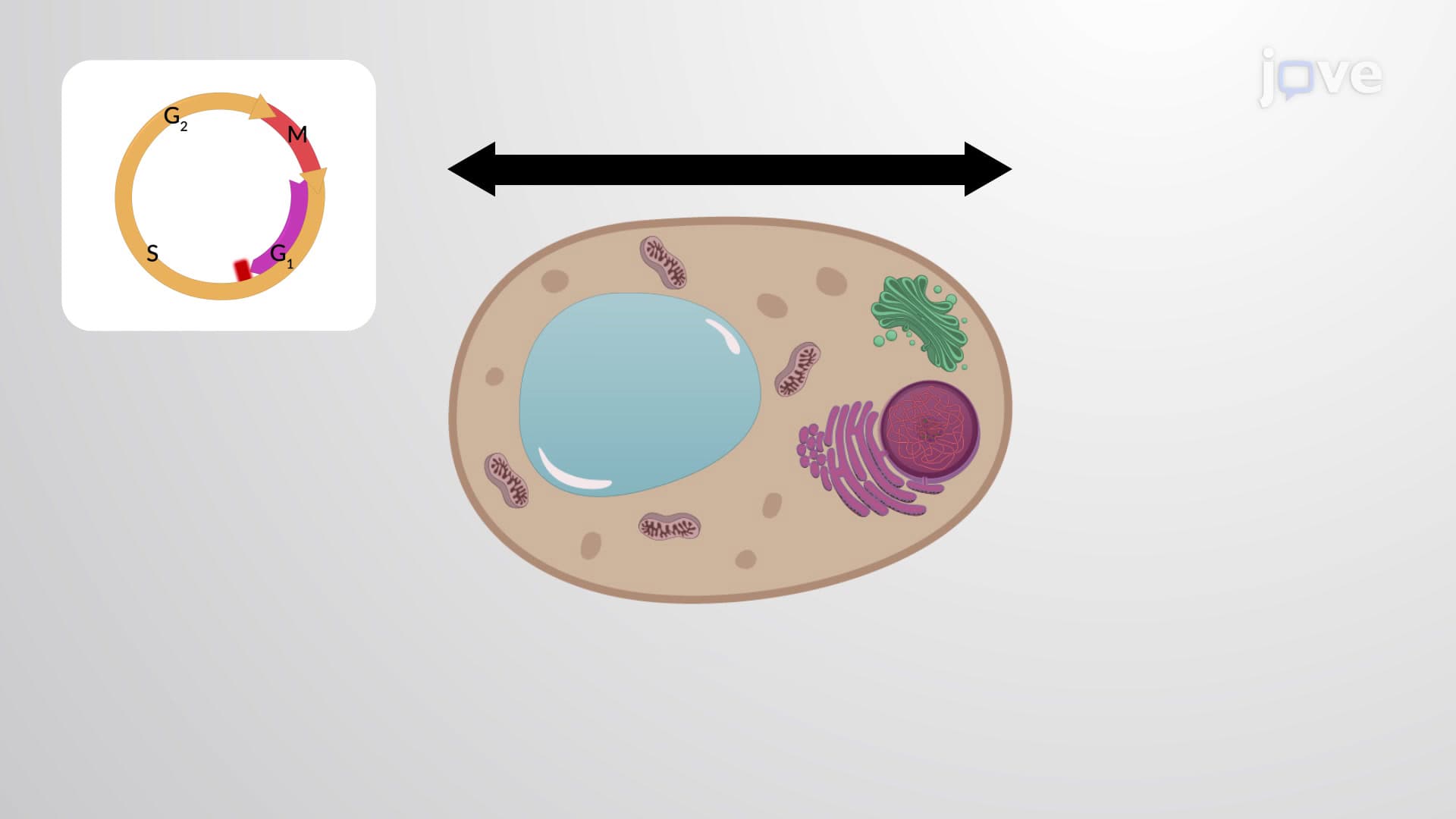
G1 Phase (Gap 1) serves as the cell's growth and preparation period. During this stage, cells increase their size, accumulate nutrients, and synthesize RNA and proteins necessary for DNA replication. The G1/S checkpoint, also called the restriction point, acts as a crucial decision point where cells assess their readiness for DNA synthesis. Factors like nutrient availability, growth signals, and DNA damage influence whether cells proceed to S phase or exit to G0 (quiescent state).
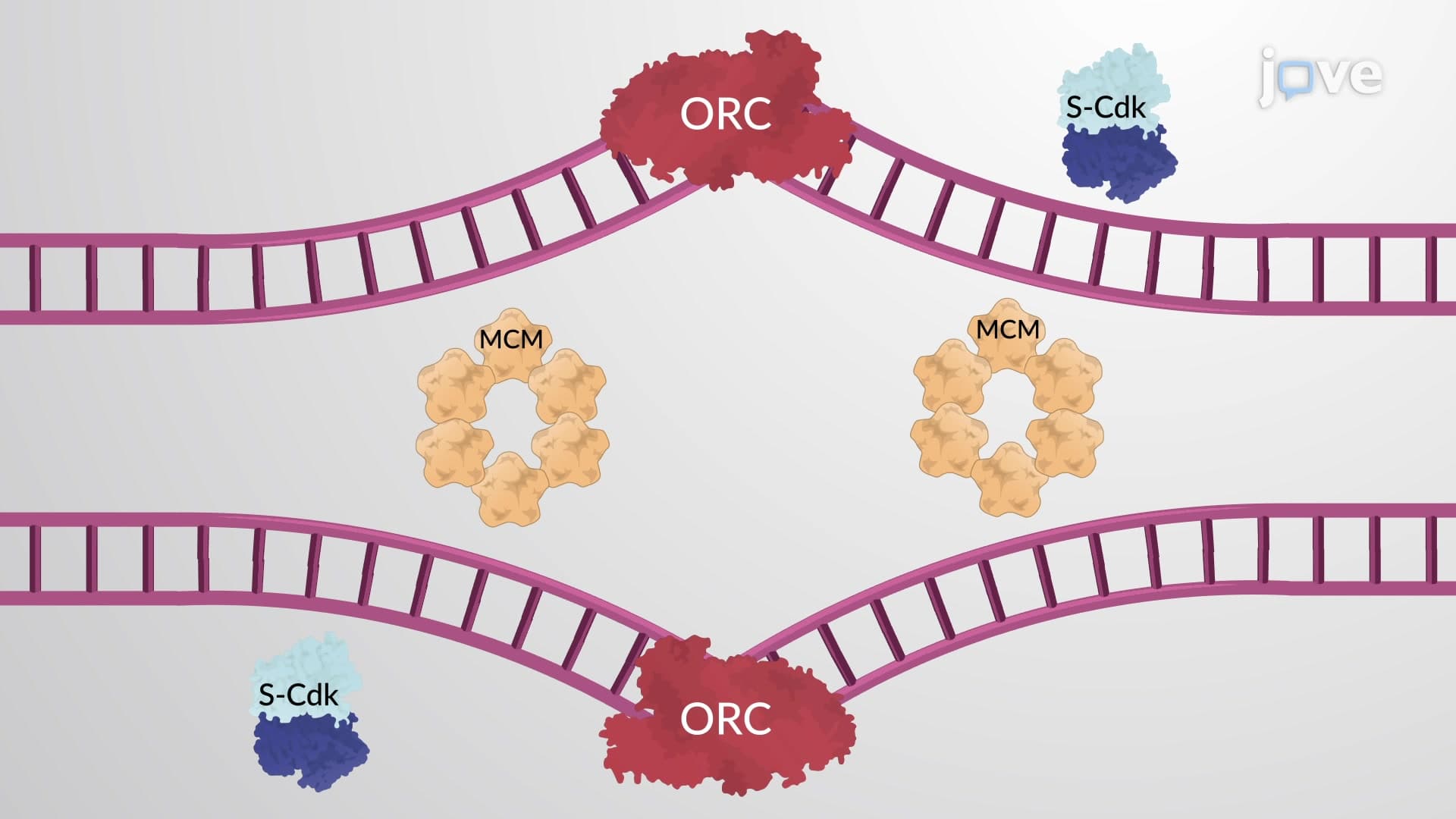
S Phase (Synthesis) represents the heart of DNA replication interphase activity. During approximately 6-8 hours in human cells, sophisticated enzymatic machinery duplicates the entire 3.2 billion base pair genome with remarkable precision. DNA polymerases, helicases, and ligases work coordinately to ensure each daughter cell receives identical genetic material. This process begins at multiple replication origins simultaneously to complete duplication efficiently.
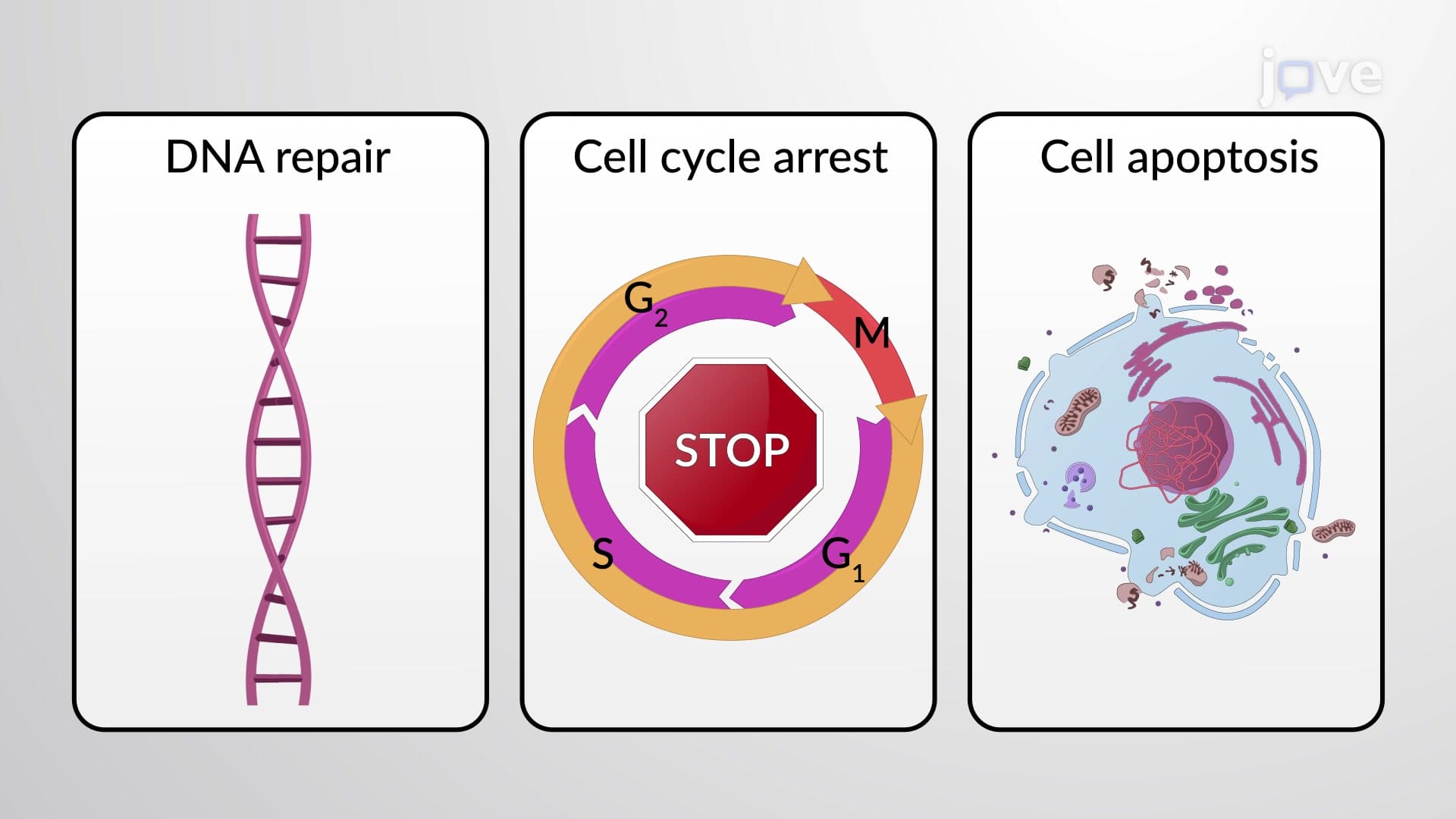
G2 Phase (Gap 2) functions as the final quality control checkpoint before mitosis. Cells verify DNA replication accuracy, repair any detected damage, and synthesize proteins required for chromosome condensation and mitotic spindle formation. The G2/M checkpoint prevents cells with damaged or incompletely replicated DNA from entering mitosis.
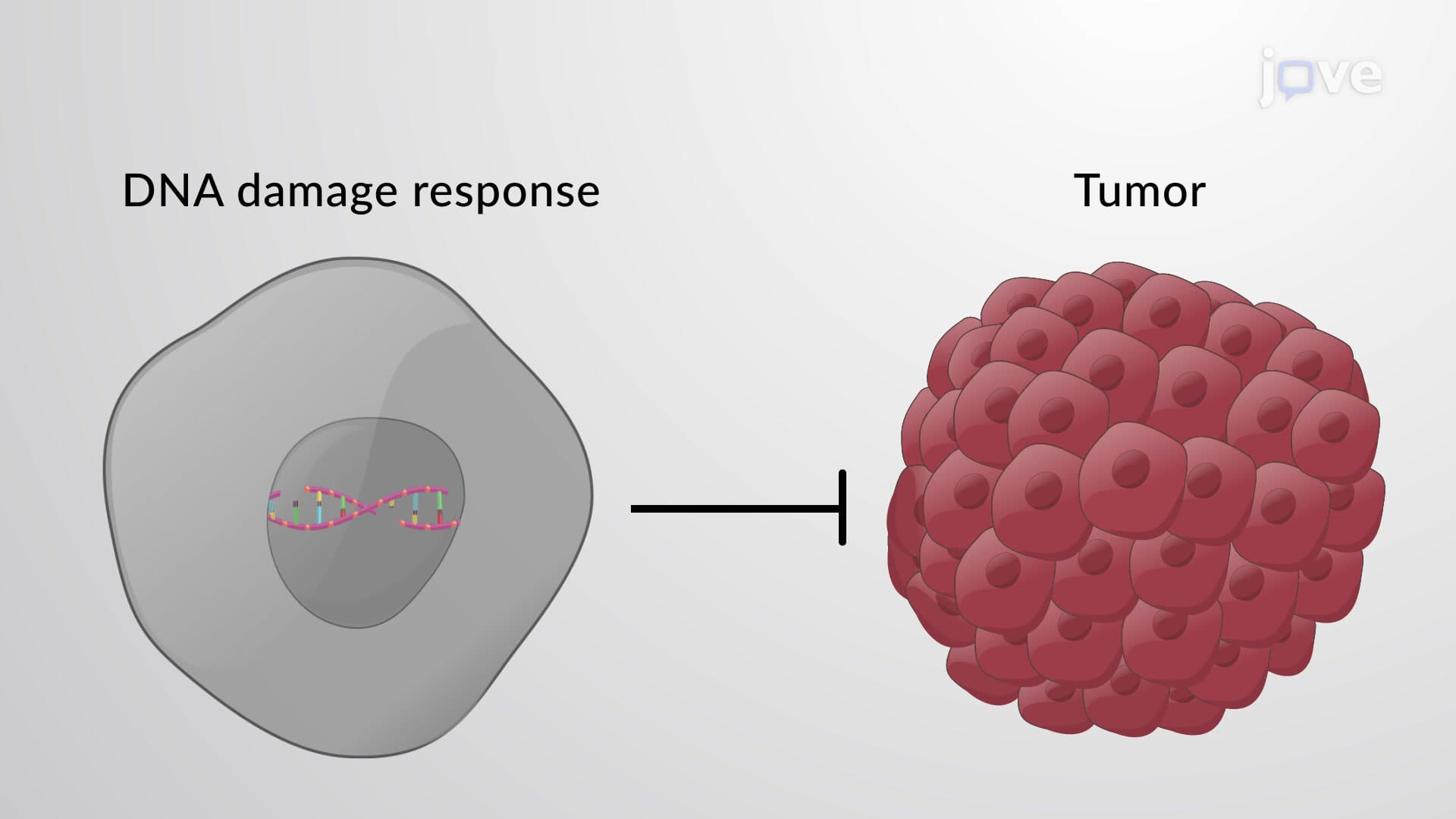
Understanding interphase preparation mitosis mechanisms proves essential for multiple fields. In cancer research, institutions like Johns Hopkins study how oncogenes and tumor suppressors disrupt normal interphase regulation. For AP Biology students, interphase concepts frequently appear in cell cycle questions, requiring knowledge of checkpoint controls and molecular regulators. Pre-med students encounter these principles on the MCAT, particularly in passages about cancer therapeutics targeting cell cycle machinery.
Related Micro-courses