Loading video…


 17 Concepts
 1.3M views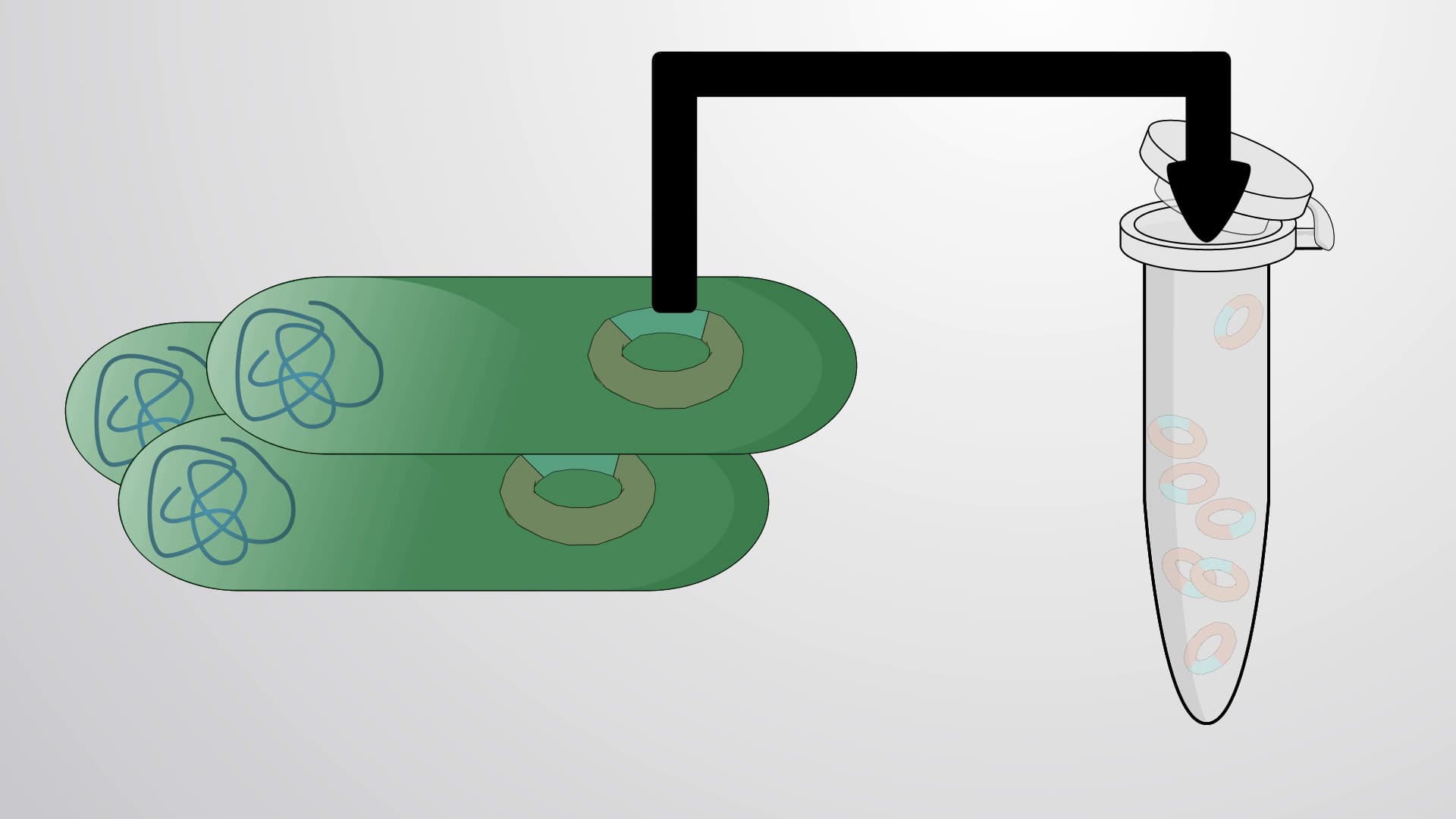

Video Summary: What Is Recombinant DNA
Did you know that the insulin used by millions of Americans with diabetes is produced by genetically modified bacteria? This life-saving breakthrough is made possible through recombinant DNA technology, which combines genetic material from different organisms to create beneficial new traits. From producing human insulin in bacterial factories to developing COVID-19 vaccines, what is recombinant DNA has become one of the most transformative concepts in modern biology. Watch the full video on JoVE Coach to master this concept with expert-led visuals and step-by-step explanations.
What is recombinant DNA represents one of the most revolutionary concepts in molecular biology. At its core, recombinant DNA technology involves artificially combining genetic material from two or more different sources to create novel genetic combinations that don't occur naturally. This process allows scientists to transfer specific genes between organisms, regardless of species barriers, opening unprecedented possibilities for medical treatments, agricultural improvements, and scientific research.
The technique emerged in the early 1970s when Stanford University scientists Herbert Boyer and Stanley Cohen, along with Paul Berg, developed methods to cut and splice DNA molecules with precision. Their work earned Berg the 1980 Nobel Prize in Chemistry and laid the foundation for the entire biotechnology industry, now worth hundreds of billions of dollars in the United States.
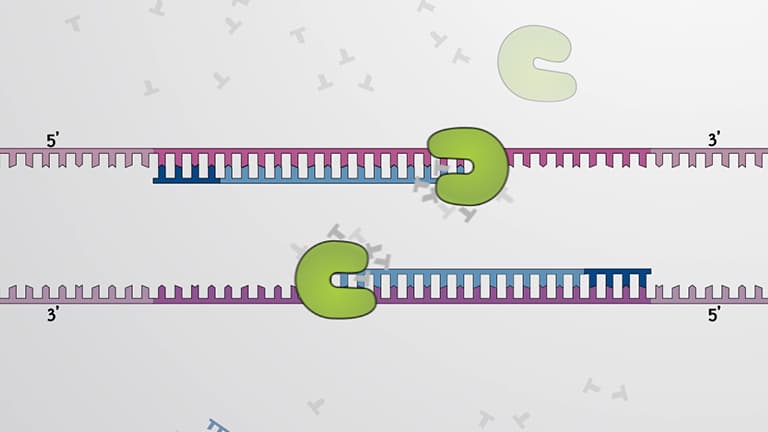
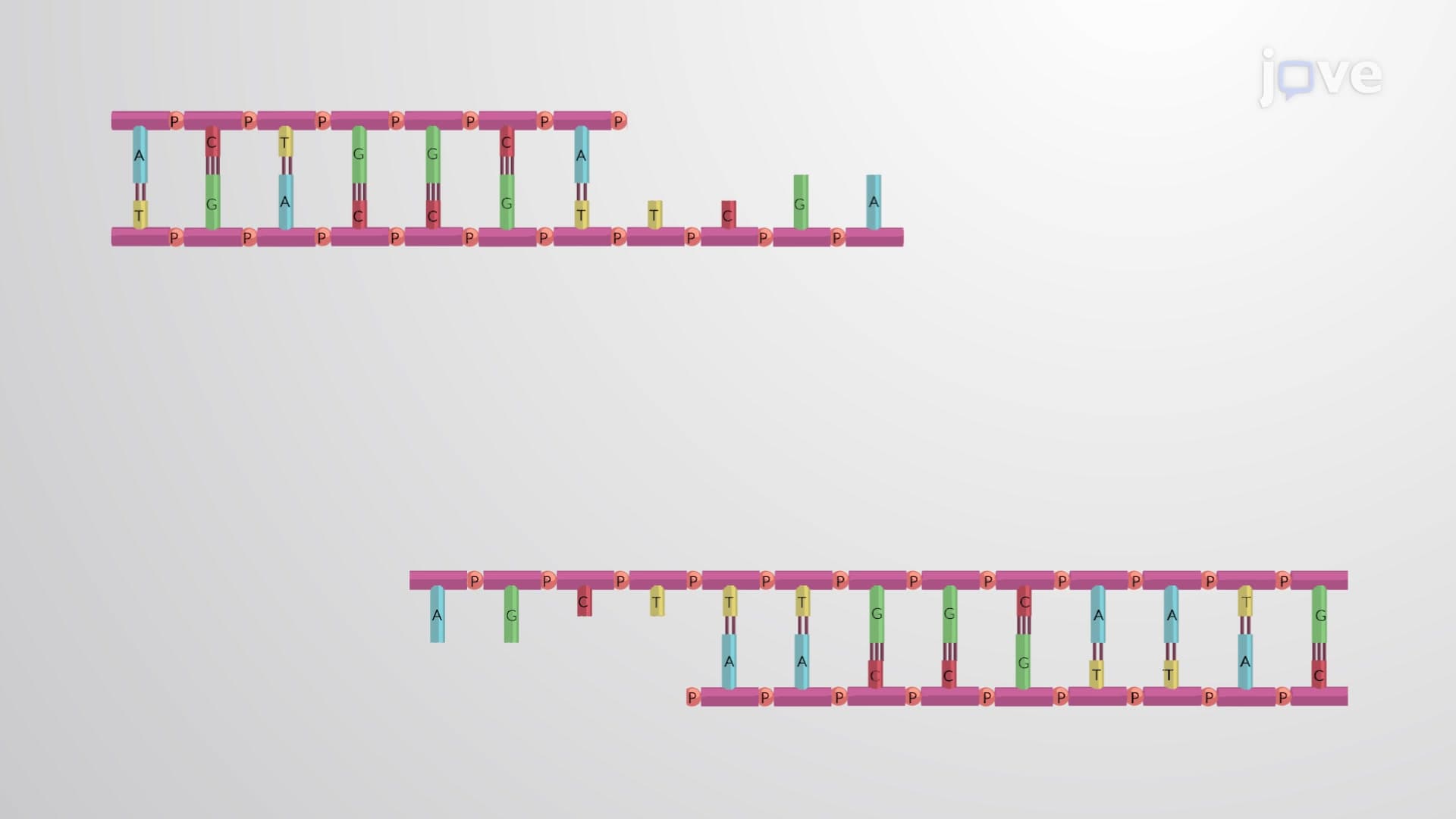
Creating recombinant DNA requires several key molecular tools working in concert. Restriction enzymes, often called "molecular scissors," cut DNA at specific recognition sequences, creating compatible ends for joining different DNA fragments. These enzymes, originally discovered in bacteria as defense mechanisms against viruses, have been extensively cataloged with over 3,000 different types now available for research.
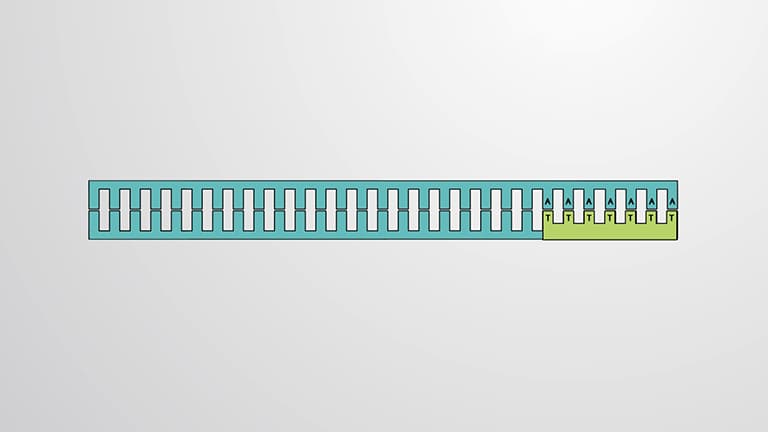
DNA ligase serves as the "molecular glue," sealing the gaps between joined DNA fragments to create stable recombinant molecules. Vectors, typically plasmids or viral DNA, act as vehicles to carry the foreign DNA into host cells. The most commonly used vector is the bacterial plasmid-a small, circular DNA molecule that replicates independently of the bacterial chromosome.
The recombinant DNA process follows a systematic approach that students encounter in AP Biology courses and college-level molecular biology classes. First, scientists isolate the gene of interest using restriction enzymes to cut it from its original DNA source. Simultaneously, they prepare a vector by cutting it with the same restriction enzyme, creating compatible sticky ends.
The gene and vector are then mixed with DNA ligase, which joins them to form a recombinant DNA molecule. This construct is introduced into host cells-typically E. coli bacteria-through a process called transformation. The transformed bacteria are grown in culture, where they replicate both themselves and the recombinant DNA, effectively cloning the desired gene.
Recombinant DNA technology has revolutionized numerous industries across the United States. In healthcare, companies like Genentech (now part of Roche) produce human insulin using genetically modified bacteria, providing a reliable supply for the 34 million Americans with diabetes. Similarly, human growth hormone, previously extracted from cadaver pituitary glands, is now safely produced through recombinant methods.
The agricultural sector has also been transformed, with genetically modified crops like Roundup Ready soybeans and Bt corn now comprising the majority of planted acres in the US. These crops, created using recombinant DNA techniques, offer improved pest resistance and herbicide tolerance, contributing to increased yields and reduced pesticide use.
Understanding these applications proves crucial for students preparing for standardized exams like the MCAT, where biotechnology applications frequently appear in biological sciences passages, or AP Biology exams that test genetic engineering concepts.
Related Micro-courses