Loading video…


 17 Concepts
 1.3M views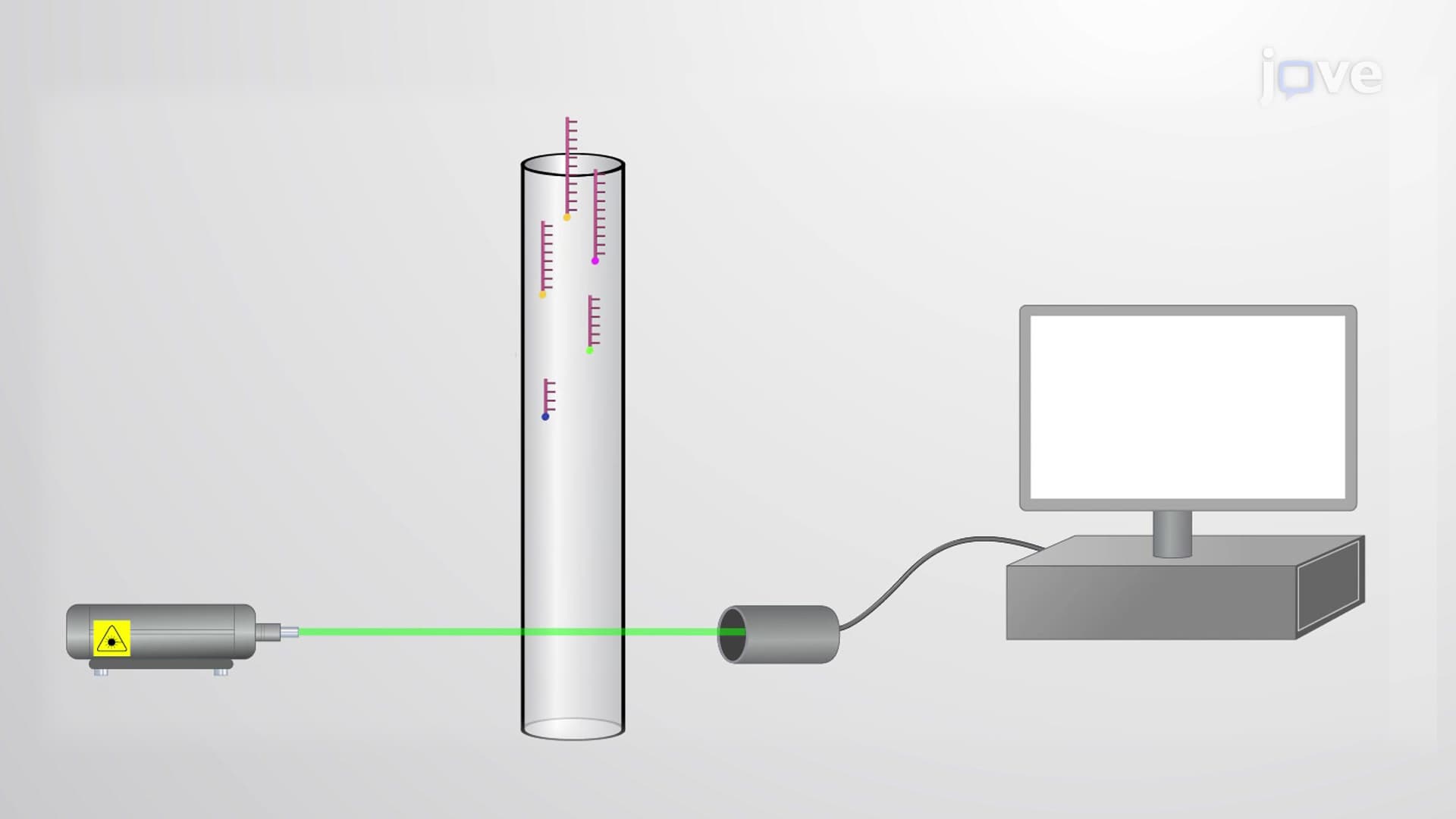

Video Summary: What Is Sanger Sequencing
Ever wonder how scientists identified the genetic mutations behind cystic fibrosis or Huntington's disease? Sanger sequencing, the revolutionary DNA sequencing method, made these medical breakthroughs possible by reading the exact order of nucleotides in DNA. This chain termination technique uses modified nucleotides called dideoxynucleotides to create DNA fragments of different lengths, which are then separated and analyzed to reveal genetic sequences. Watch the full video on JoVE Coach to master this concept with expert-led visuals and step-by-step explanations.
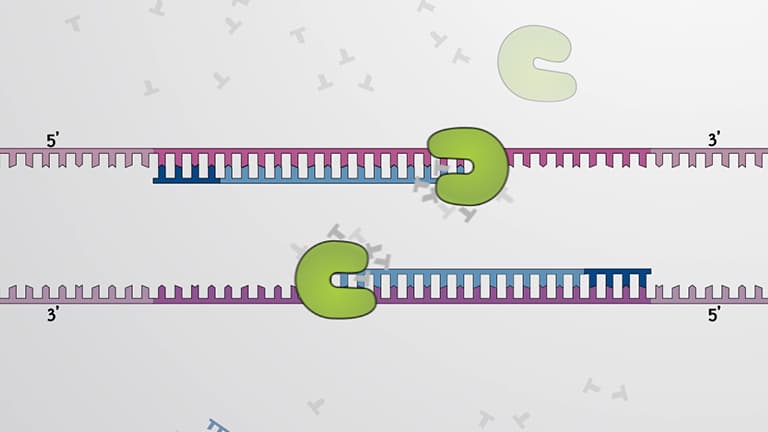
Sanger sequencing represents one of the most significant advances in molecular biology, earning Frederick Sanger the Nobel Prize in Chemistry in 1980. This method revolutionized our ability to read DNA sequences with unprecedented accuracy, making it the gold standard for DNA sequencing for over three decades. The technique works on the principle of controlled chain termination, where DNA synthesis is randomly stopped at each nucleotide position to create a population of fragments that collectively reveal the complete sequence.
The genius of Sanger sequencing lies in its use of dideoxynucleotides (ddNTPs), which are chemically modified versions of normal DNA building blocks. Unlike regular deoxynucleotides (dNTPs) that have both 2' and 3' carbon positions available for bonding, ddNTPs lack the 3' hydroxyl group. This seemingly small modification has profound consequences: when DNA polymerase incorporates a ddNTP into a growing DNA chain, no further nucleotides can be added because the essential 3' OH group needed for the next phosphodiester bond is missing.
Modern Sanger sequencing uses four different fluorescent dyes, each attached to a specific ddNTP (ddATP, ddGTP, ddCTP, or ddTTP). This innovation eliminated the need for radioactive labeling and multiple reaction tubes, making the process safer and more efficient. During the sequencing reaction, DNA polymerase randomly incorporates either a normal dNTP (allowing chain extension) or a fluorescently labeled ddNTP (causing termination).
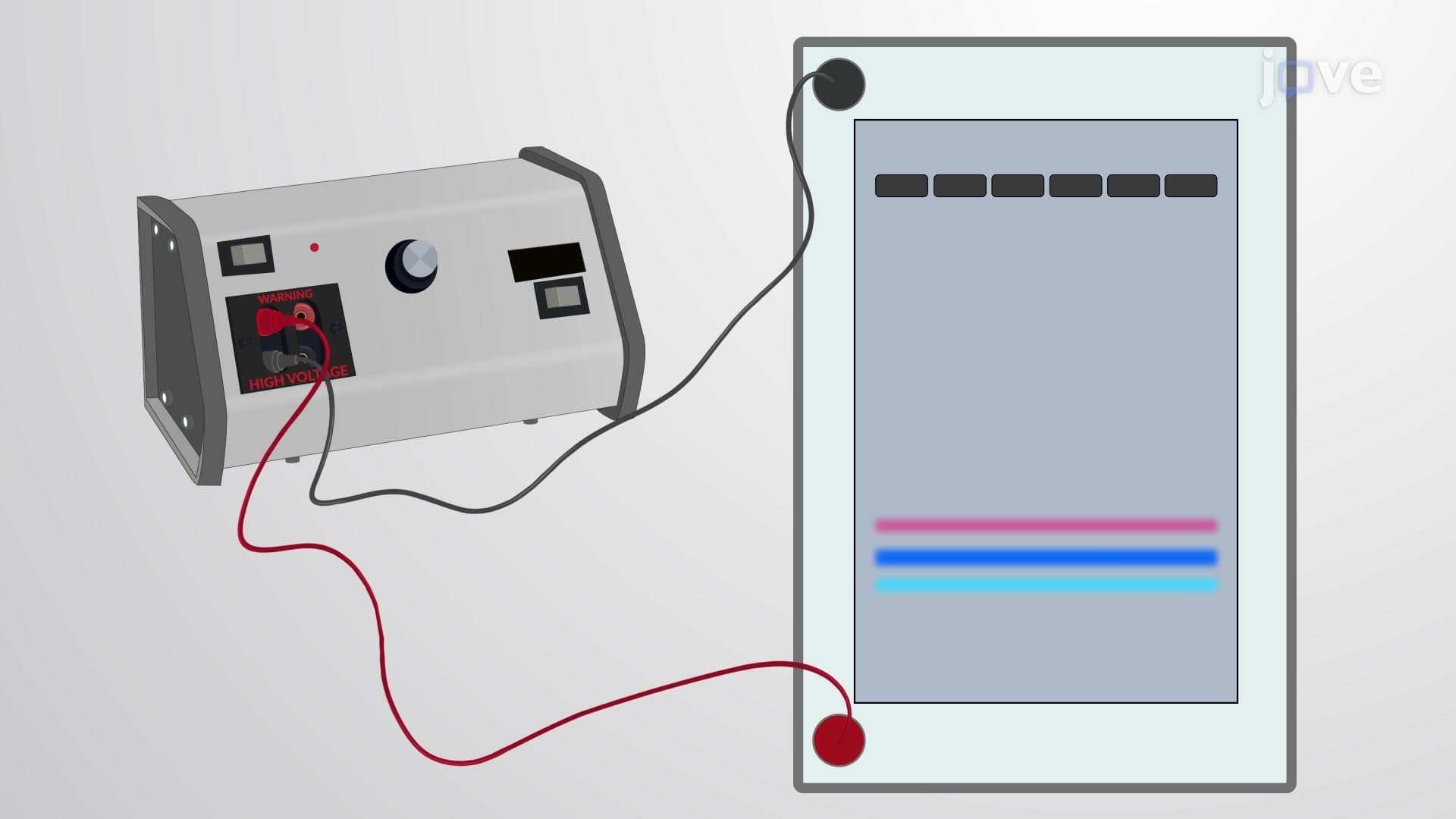
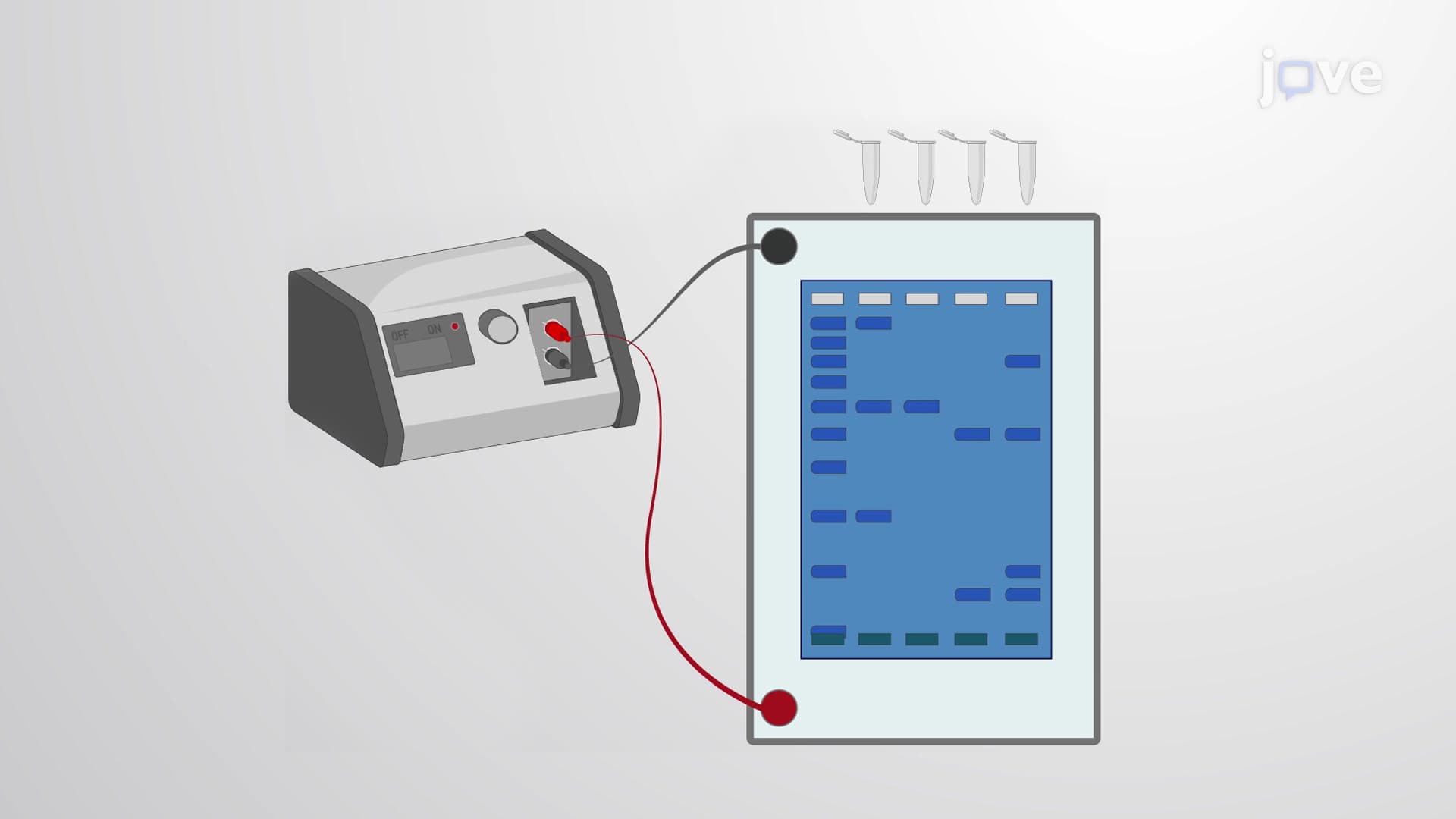
The power of Sanger sequencing becomes apparent during the separation and detection phase. The mixture of terminated DNA fragments is loaded onto a capillary gel electrophoresis system, where smaller fragments migrate faster than larger ones. As each fragment passes through a laser detection point, its fluorescent tag is excited and emits light at a characteristic wavelength. Automated software then converts these fluorescent signals into a chromatogram-a graphical representation showing peaks for each nucleotide position.
This technology has proven invaluable in medical genetics, where Sanger sequencing helps diagnose genetic disorders like sickle cell anemia, BRCA1/BRCA2 mutations linked to breast cancer, and Huntington's disease. The FBI's Combined DNA Index System (CODIS) also relies on Sanger sequencing principles for forensic identification. In academic settings, students encounter Sanger sequencing concepts in AP Biology courses, college genetics classes, and MCAT preparation, where understanding DNA structure and replication mechanisms is essential.
While next-generation sequencing technologies have largely replaced Sanger sequencing for large-scale genomic projects, Sanger sequencing remains the preferred method for targeted gene analysis, mutation screening, and sequence verification. Its high accuracy (>99.9%) and ability to read sequences up to 1,000 nucleotides make it ideal for applications requiring precise, high-quality sequence data. Clinical laboratories across the United States continue using Sanger sequencing for genetic testing, demonstrating its enduring relevance in modern molecular diagnostics.
Related Micro-courses