Loading video…


 21 Concepts
 304.9K views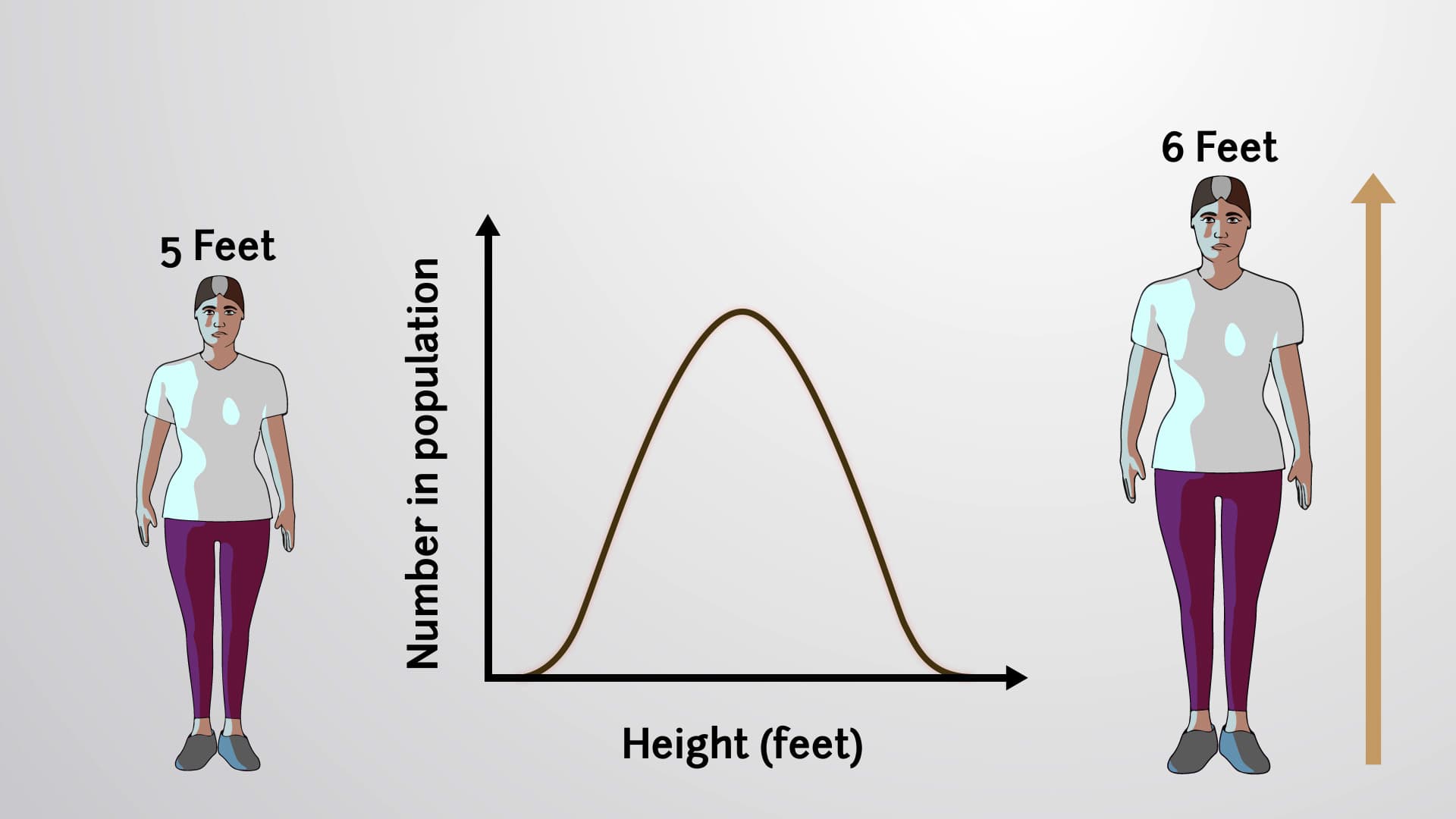

Video Summary: What are Polygenic Traits
Ever wondered why siblings can have completely different heights despite sharing the same parents? Polygenic traits result from multiple genes working together, unlike simple single-gene inheritance patterns. In the United States, human height varies continuously across populations because dozens of genes each contribute small effects to determine your final stature. Understanding what are polygenic traits reveals the complex genetic architecture behind many characteristics we observe daily. Watch the full video on JoVE Coach to master this concept with expert-led visuals and step-by-step explanations.
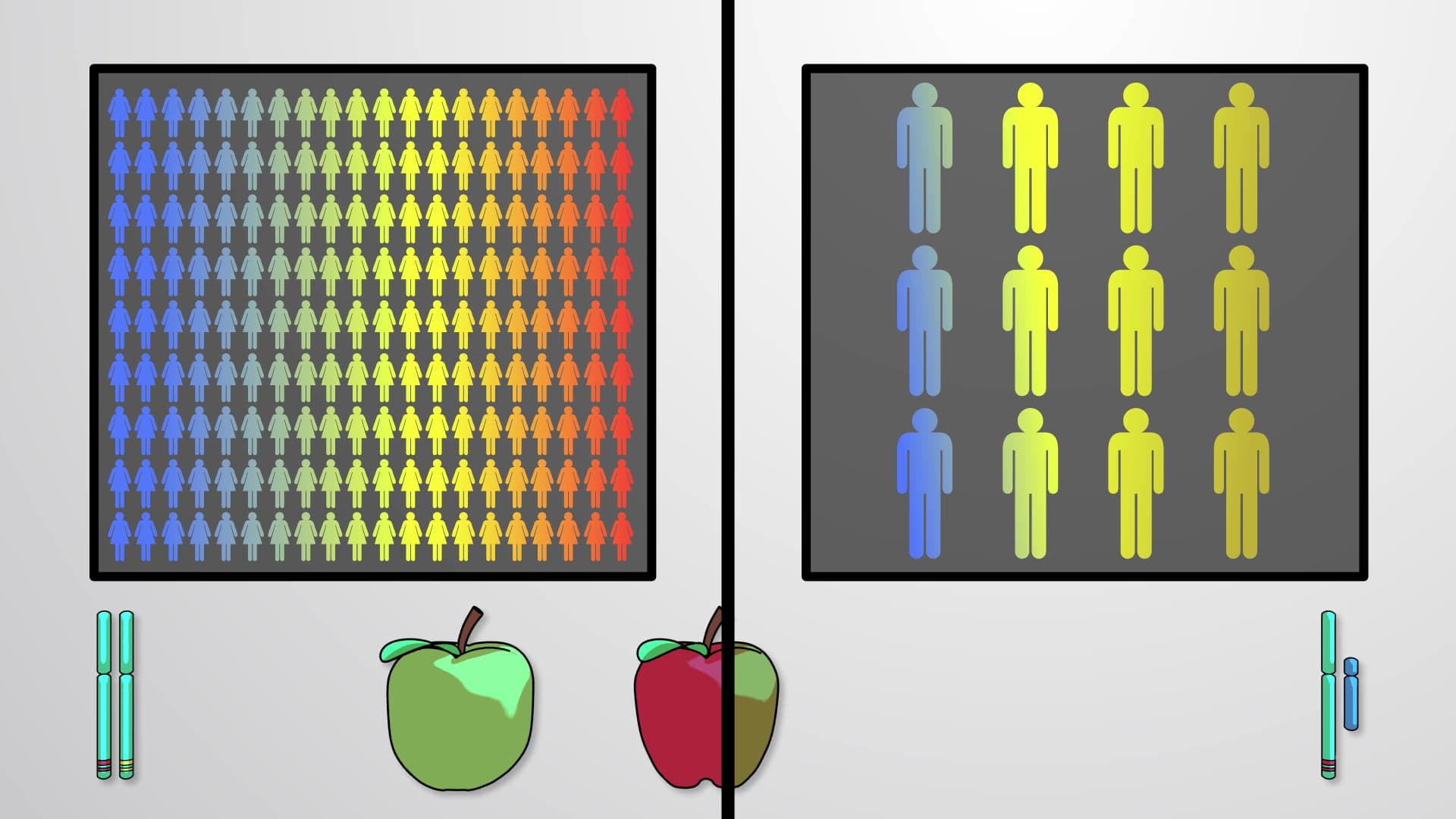
What are polygenic traits? These represent some of biology's most fascinating inheritance patterns, where multiple genes collaborate to produce a single characteristic. Unlike Mendel's pea plant experiments that revealed simple dominant-recessive relationships, polygenic traits emerge from the combined effects of numerous genes, each contributing small but meaningful influences to the final phenotype.
Polygenic traits exhibit several distinctive features that distinguish them from simple Mendelian patterns. Most notably, they show continuous variation rather than discrete categories. Human height exemplifies this perfectly-Americans range from approximately 4'8" to over 7 feet tall, with most clustering around average heights. This creates the characteristic bell-shaped distribution curve when plotted across populations.
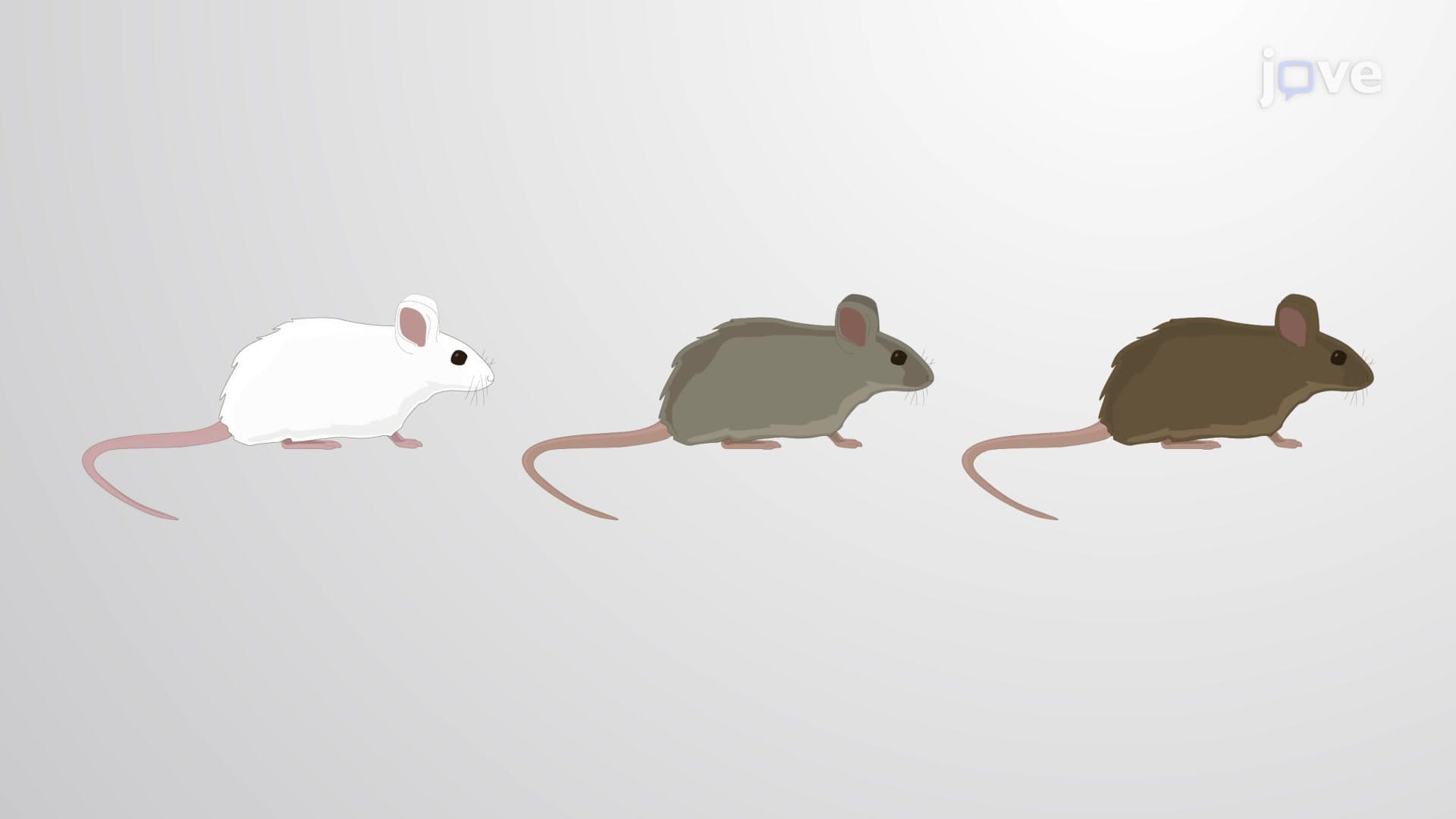
Common polygenic traits include skin pigmentation, where at least six major genes influence melanin production; eye color, involving multiple genes beyond the simplified brown-blue model; and intelligence, influenced by hundreds of genetic variants. Disease susceptibility also follows polygenic patterns-Type 2 diabetes, heart disease, and hypertension all result from complex gene-environment interactions affecting millions of Americans.
The additive model provides the foundation for understanding polygenic inheritance. Each contributing gene acts independently, with alleles adding incremental effects toward the final phenotype. For instance, if five genes influence height, and each "tall" allele adds one inch while each "short" allele adds nothing, an individual with six "tall" alleles and four "short" alleles would be six inches taller than the baseline.
This model explains why children's traits often fall between their parents' characteristics. Environmental factors further modify these genetic contributions-nutrition affects height, sun exposure influences skin color, and lifestyle choices impact disease risk.
Understanding polygenic inheritance proves crucial for modern medicine and agriculture. Physicians use polygenic risk scores to assess patients' predisposition to complex diseases, helping guide preventive care strategies. The Mayo Clinic and other leading US medical centers increasingly incorporate genetic testing for conditions like cardiovascular disease and cancer susceptibility.
Agricultural applications include crop breeding programs that select for yield, disease resistance, and nutritional content. US corn and soybean varieties demonstrate successful polygenic trait selection, with modern cultivars dramatically outperforming historical varieties through systematic breeding for multiple beneficial characteristics.
For students preparing for AP Biology, MCAT, or college genetics courses, mastering polygenic inheritance concepts proves essential for understanding population genetics, evolutionary biology, and medical genetics applications.
Related Micro-courses