Loading video…


 21 Concepts
 304.9K views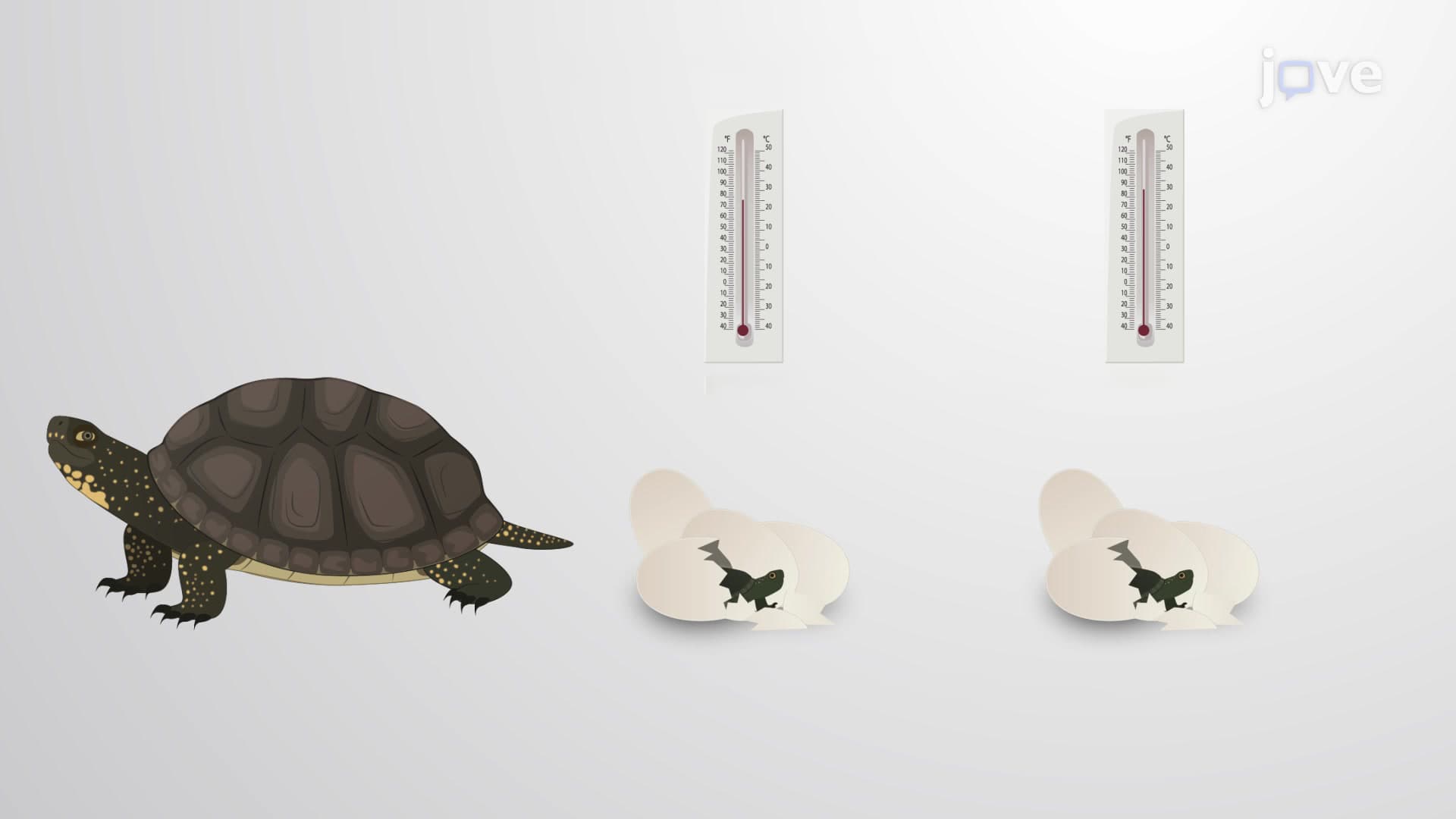

Video Summary: Background and Environment Affect Phenotype Explained
Ever wonder why identical twins can look different despite having the same DNA? Background and environment affect phenotype in ways that go far beyond simple genetics, creating observable differences even when organisms share identical genomes. Take European pond turtles in Florida aquariums-the same eggs produce all males at 77°F but all females at 86°F, demonstrating how environmental temperature overrides genetic programming. Watch the full video on JoVE Coach to master this concept with expert-led visuals and step-by-step explanations.
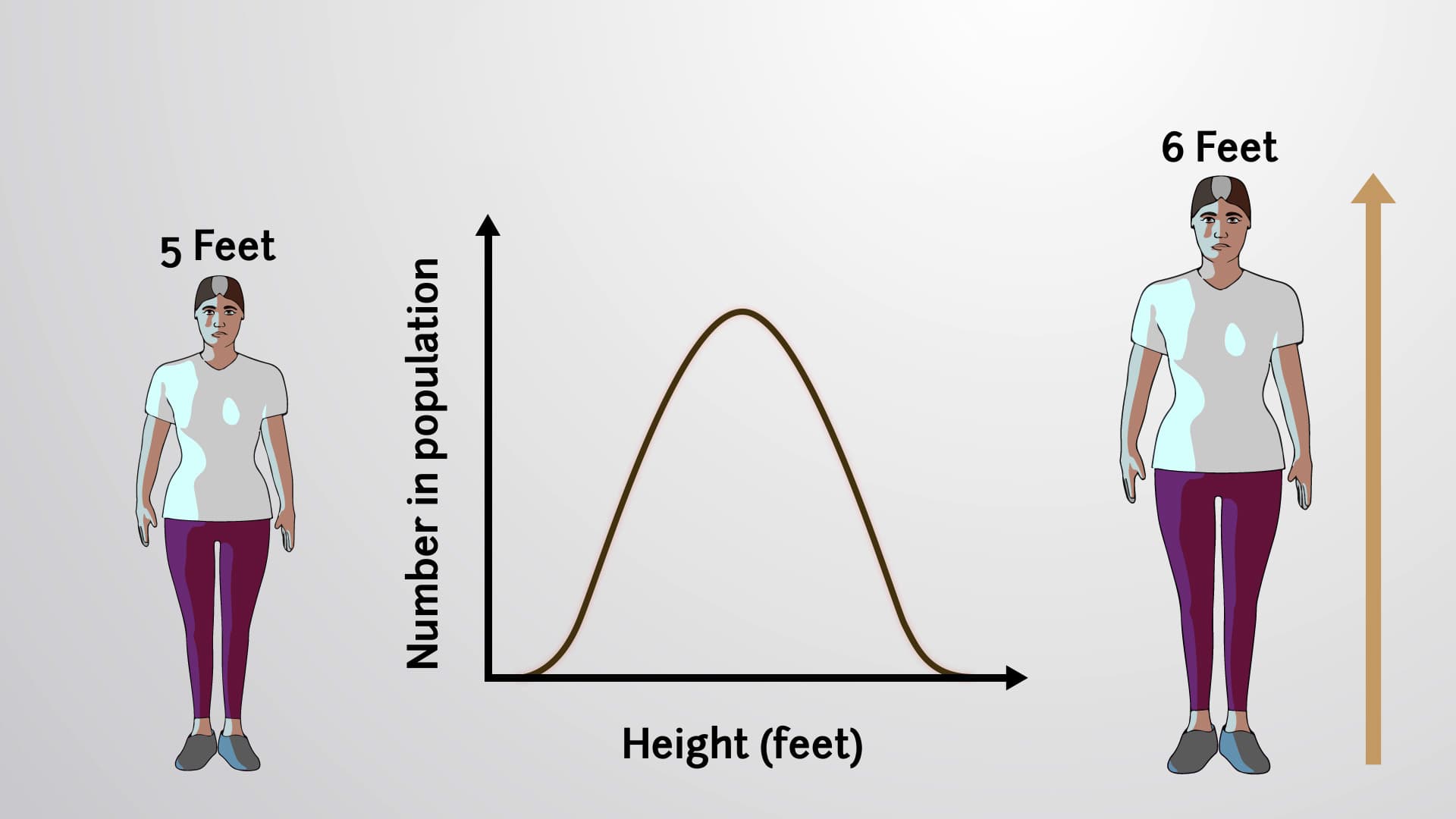
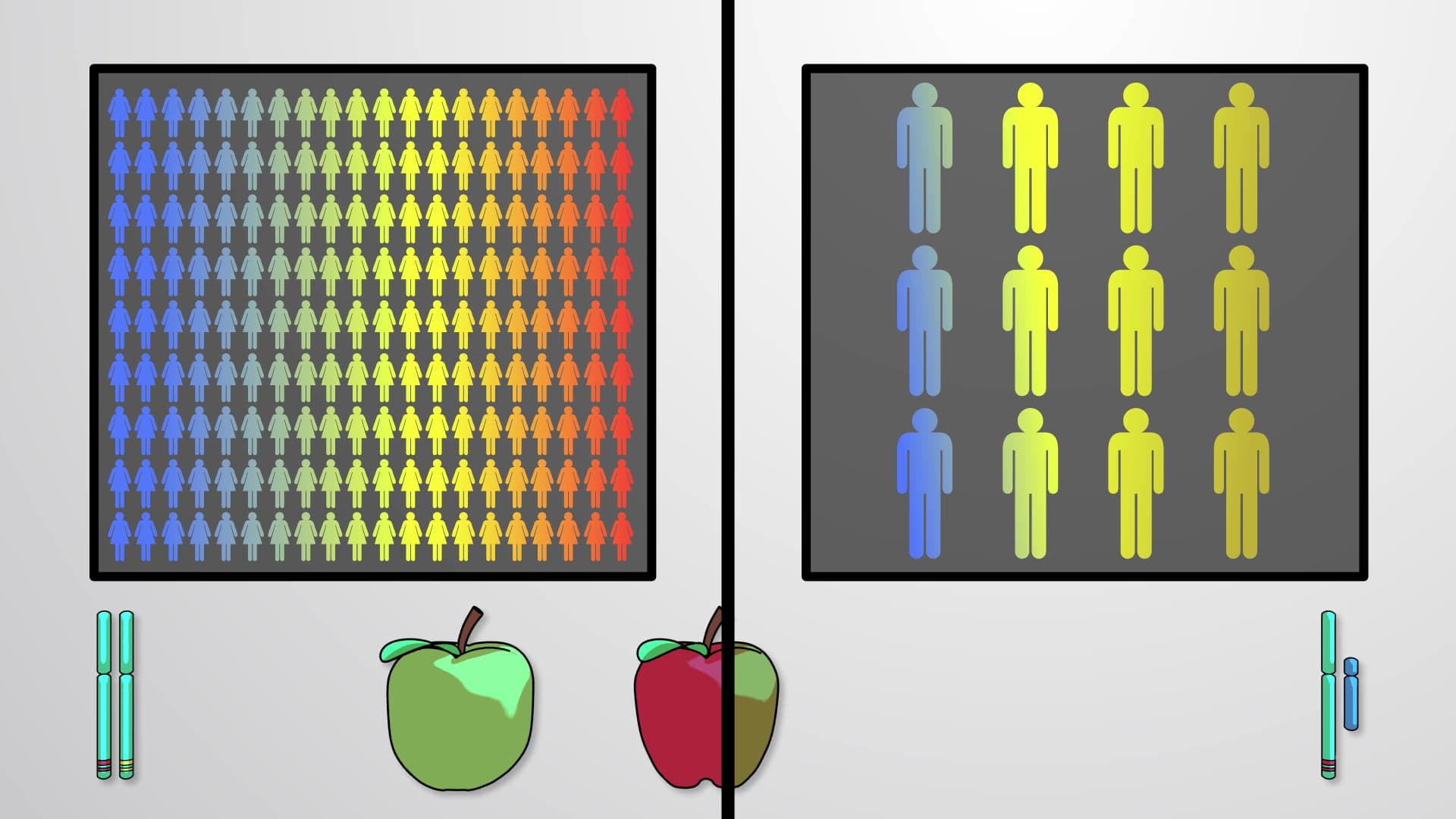
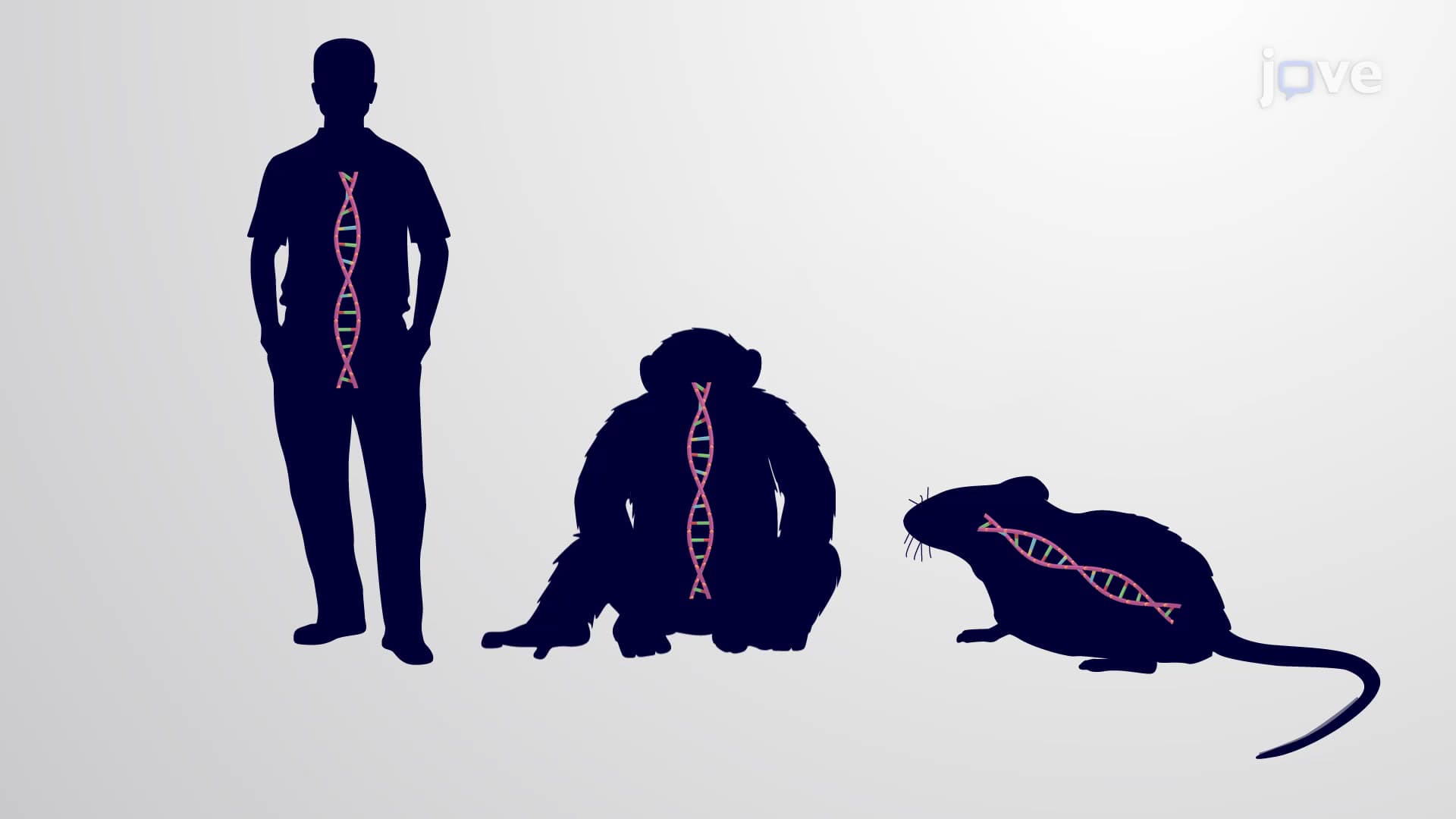
The relationship between genes and traits isn't as straightforward as introductory biology textbooks suggest. While genotype provides the blueprint, background and environment affect phenotype through complex interactions that can dramatically alter an organism's observable characteristics. This concept challenges the traditional "one gene, one trait" model by introducing two critical variables: genetic background (the full genomic context) and environmental conditions.
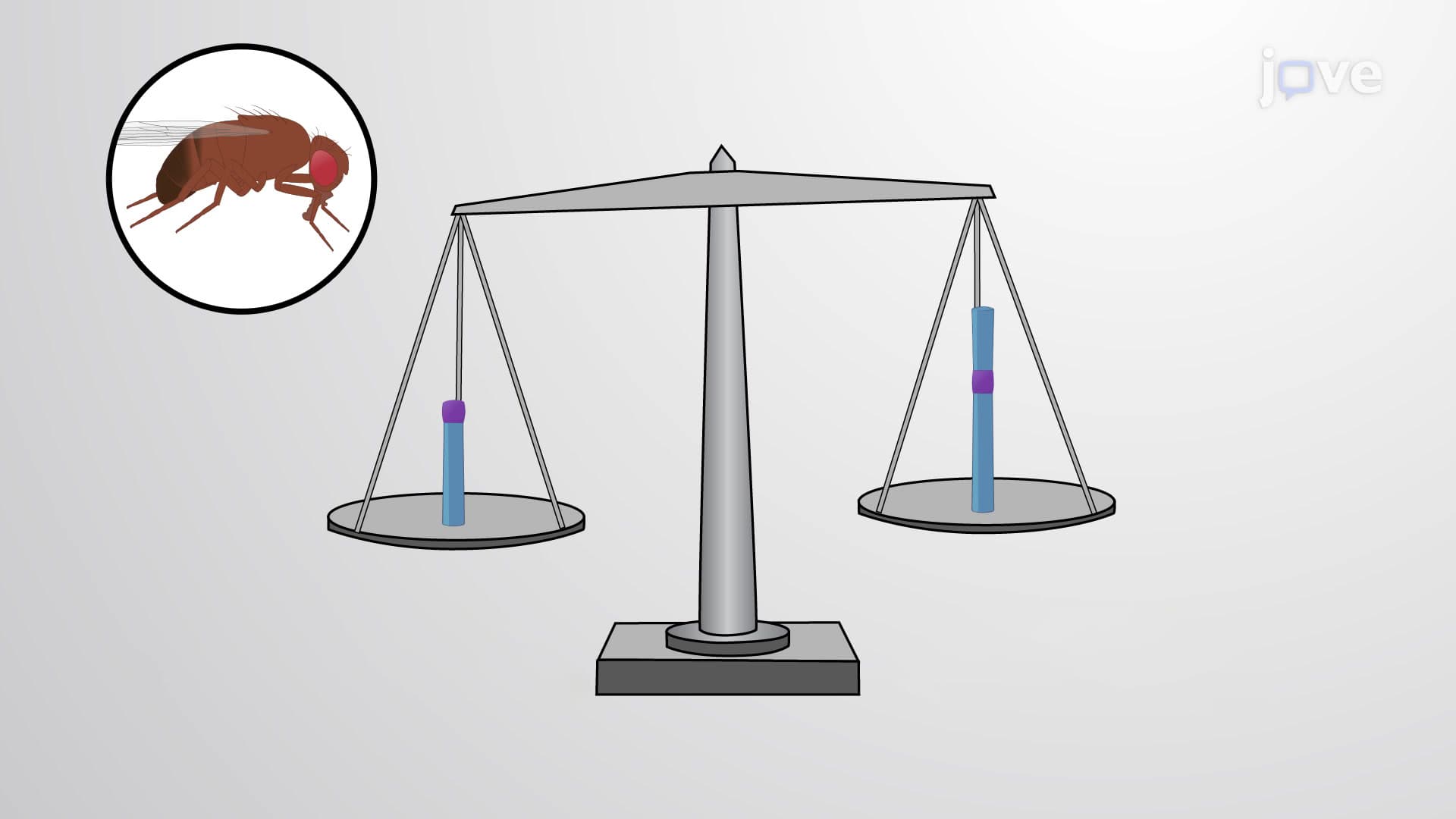
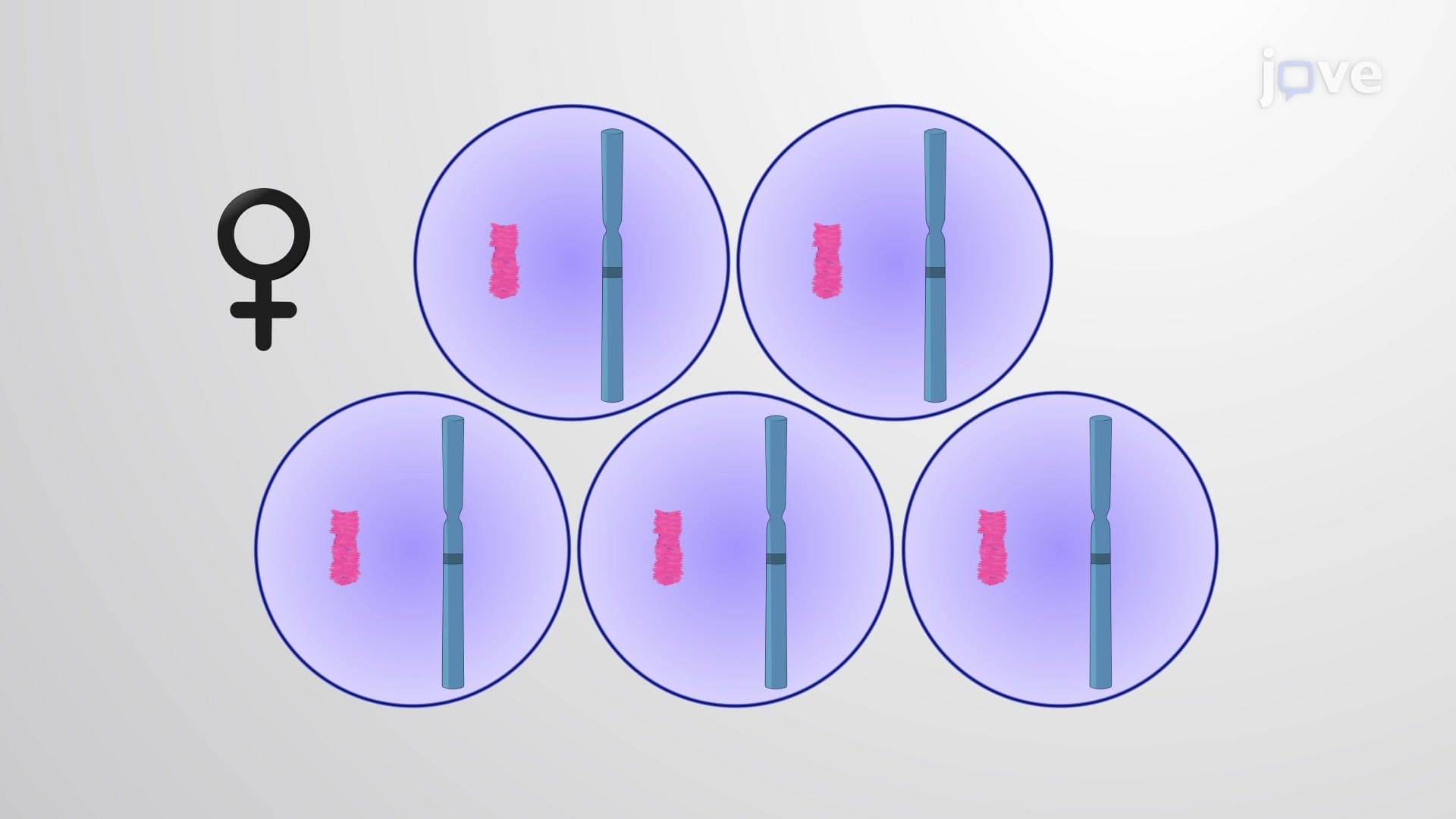
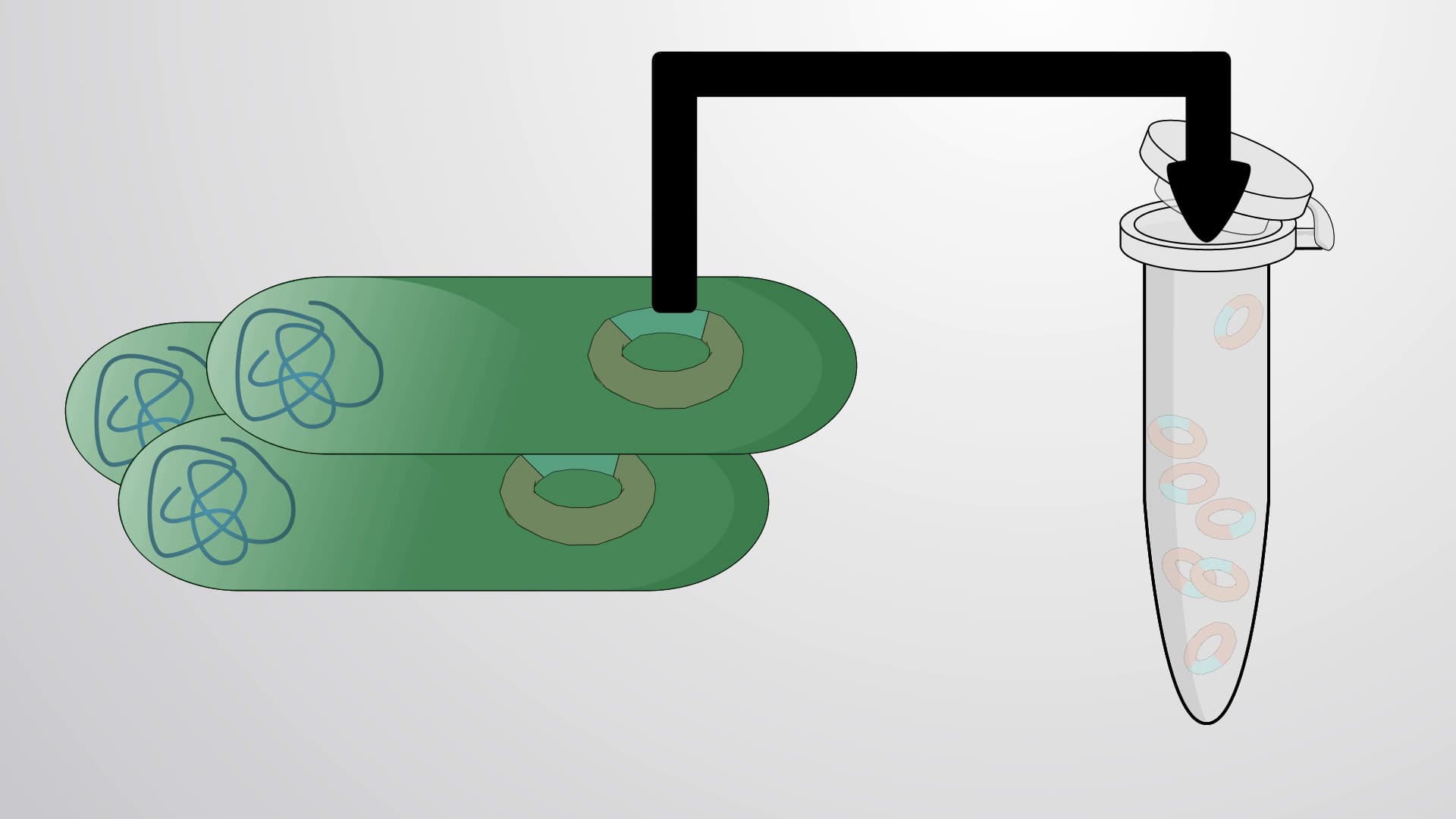
Genetic background encompasses all genes within an organism's genome that can influence the expression of a particular trait. These background genes act as modifiers, enhancing or suppressing the effects of primary genes. The fruit fly eye color system provides an excellent model for understanding these interactions. Wild-type Drosophila exhibit brick-red eyes through the coordinated action of three genes: vermillion (producing brown ommochrome pigment), brown (encoding transport proteins for red drosopterin pigment), and white (transporting pigments to the eye).
When studying for the AP Biology exam or college genetics courses, students often encounter epistasis problems involving these pathways. A mutation in the white gene produces white eyes regardless of the other genes' functionality-demonstrating how background genetic context determines the final phenotype. This concept frequently appears on MCAT passages testing genetic reasoning skills.
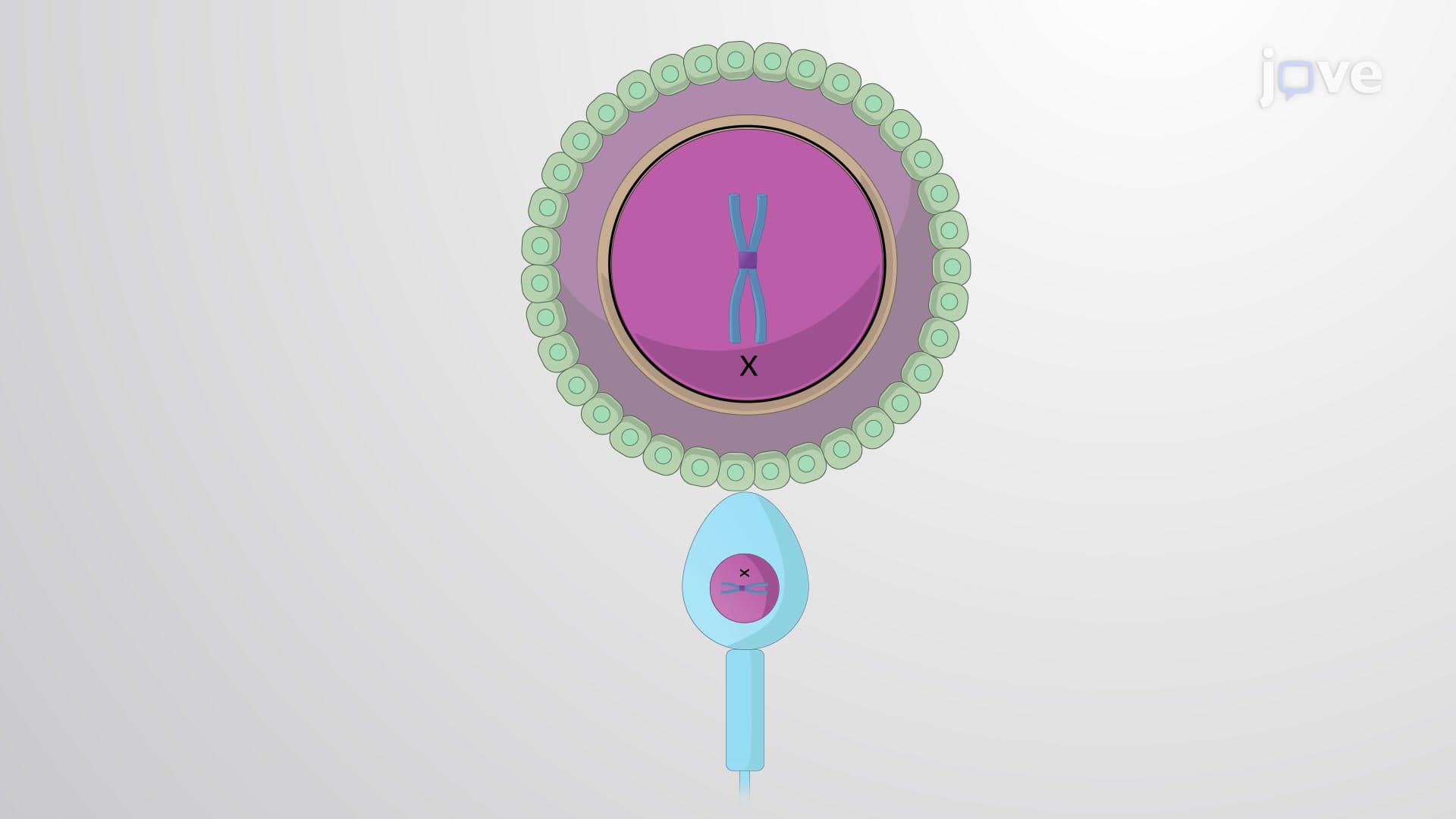
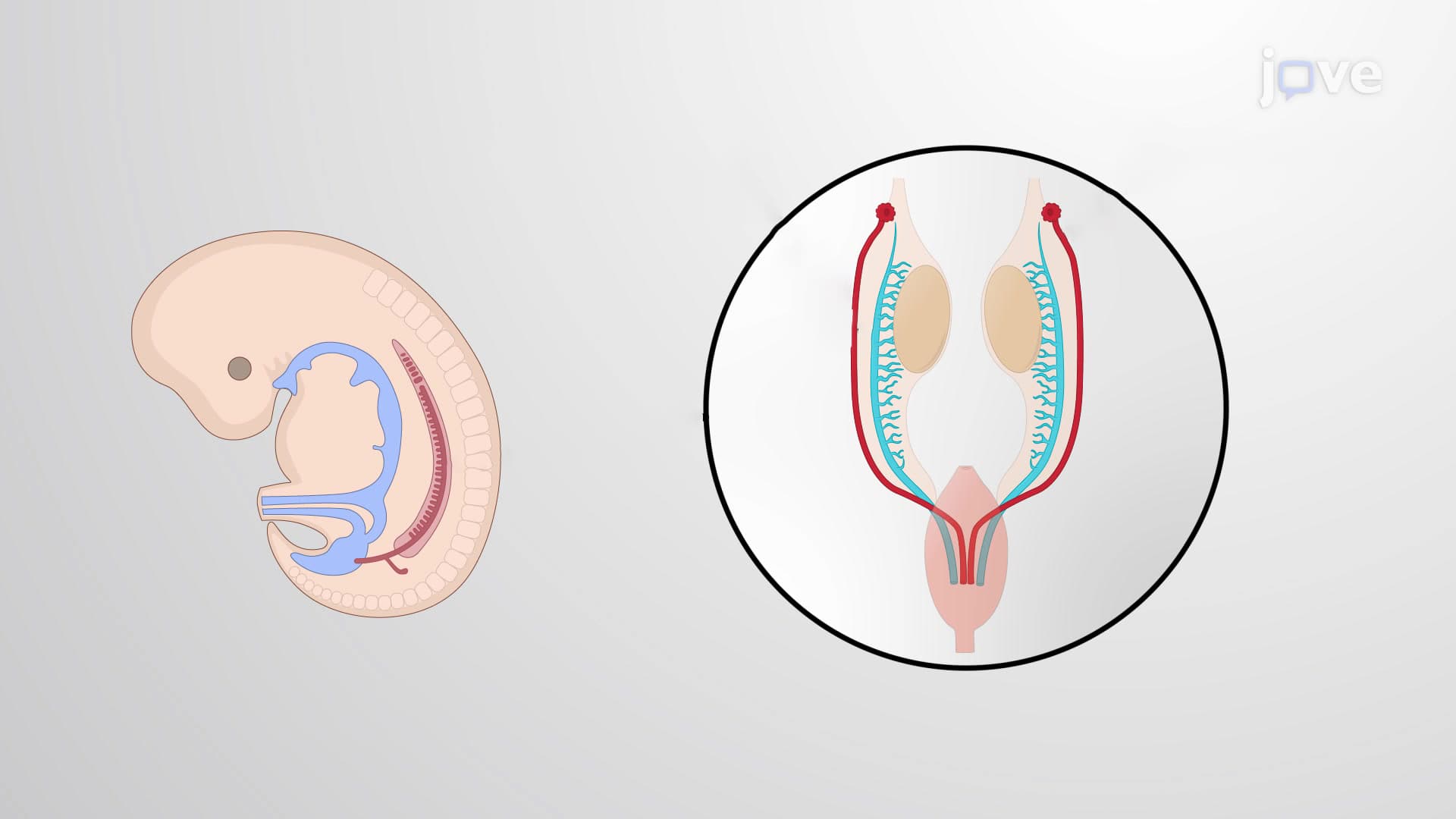
Environmental factors represent external conditions that organisms encounter throughout development and adult life. Temperature serves as one of the most dramatic examples of environmental phenotype modification. European pond turtle sex determination depends entirely on incubation temperature during the thermosensitive period. At 77°F (25°C), developing embryos become male through high Sox9 gene expression, while 86°F (30°C) temperatures suppress Sox9 expression, producing female offspring.
This temperature-dependent sex determination occurs in many reptile species across the United States, including painted turtles in Minnesota lakes and alligators in Florida Everglades. Conservation biologists studying climate change effects on these populations must consider how rising temperatures might skew sex ratios toward producing more females.
Understanding genotype-environment interactions proves crucial for medical genetics and agricultural breeding programs. Phenylketonuria (PKU) exemplifies how environmental modification (dietary phenylalanine restriction) prevents intellectual disability in individuals carrying defective enzyme genes. Similarly, corn varieties developed for different US growing regions must account for temperature, rainfall, and soil conditions that affect gene expression patterns influencing yield and disease resistance.
Related Micro-courses