Loading subject page…


138,509 views

Video Summary: Mrna Stability and Gene Expression Explained
Why do some proteins like insulin get produced continuously while stress hormones like cortisol spike and disappear rapidly? The answer lies in mRNA stability and gene expression - the cellular mechanism that determines how long messenger RNA molecules survive before degradation. For instance, insulin mRNA in pancreatic beta cells has a half-life of several hours, enabling steady protein production, while inflammatory response mRNAs degrade within minutes to prevent prolonged immune activation. Watch the full video on JoVE Coach to master this concept with expert-led visuals and step-by-step explanations.
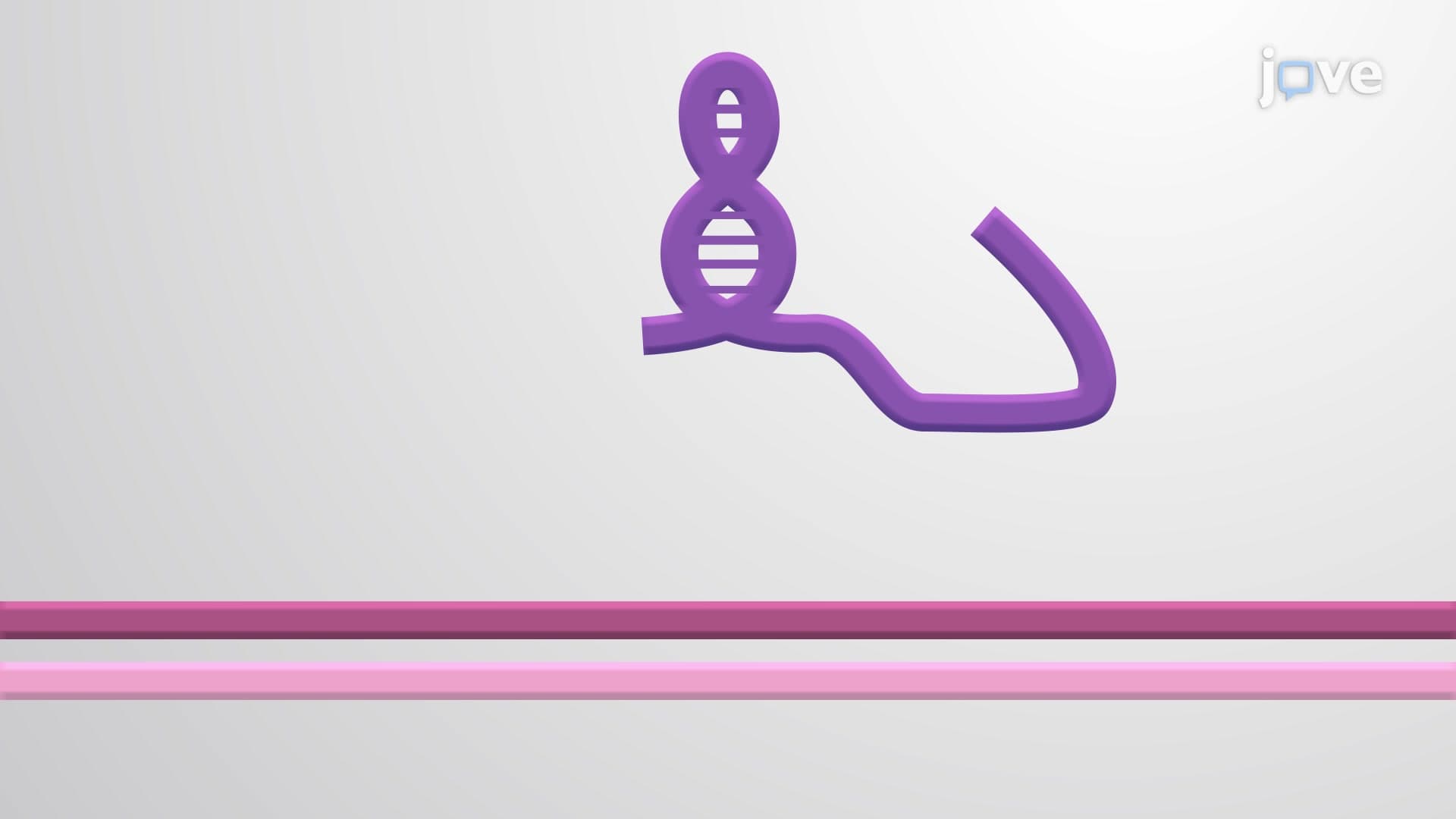
mRNA stability and gene expression represent one of biology's most elegant control systems, determining when, where, and how much protein gets made in our cells. Unlike the static nature of DNA, mRNA molecules have variable lifespans that directly impact protein production. This dynamic system allows cells to respond rapidly to changing conditions - from a muscle cell ramping up actin production during exercise to immune cells quickly shutting down inflammatory responses.
The concept becomes particularly important for students preparing for AP Biology or college-level molecular biology courses, where understanding gene regulation mechanisms is crucial for success.
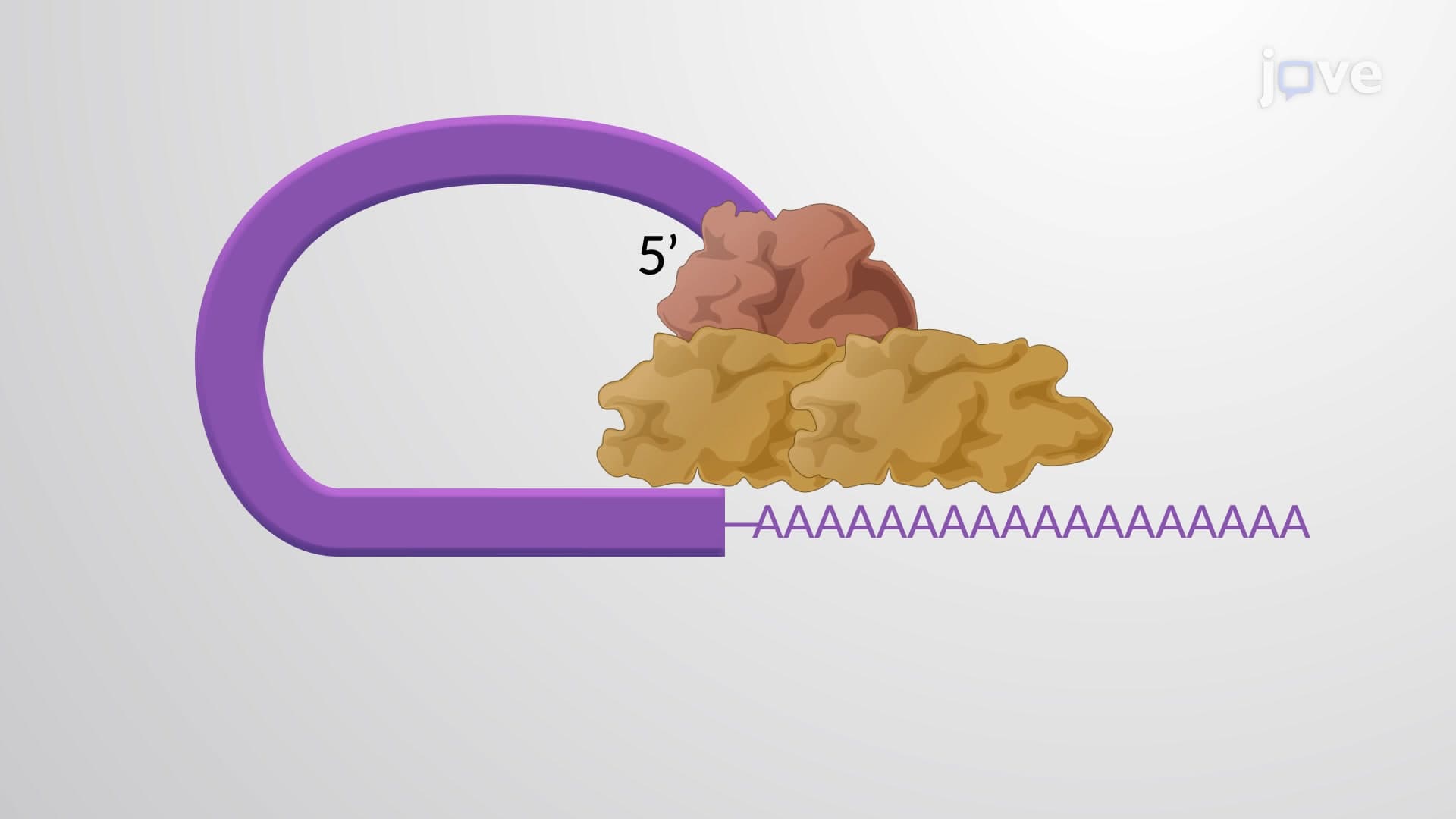
The deadenylation-dependent pathway handles approximately 90% of mRNA degradation in human cells. This process begins when deadenylating nucleases systematically remove adenine residues from the poly-A tail. Once this protective tail shortens to fewer than 15 nucleotides, the mRNA's secondary structure destabilizes. The 5' cap becomes exposed to decapping enzymes, creating vulnerability from both ends. Exonucleases then digest the mRNA bidirectionally - the cytoplasmic exosome complex works 3' to 5', while XRN1 exonuclease degrades 5' to 3'.
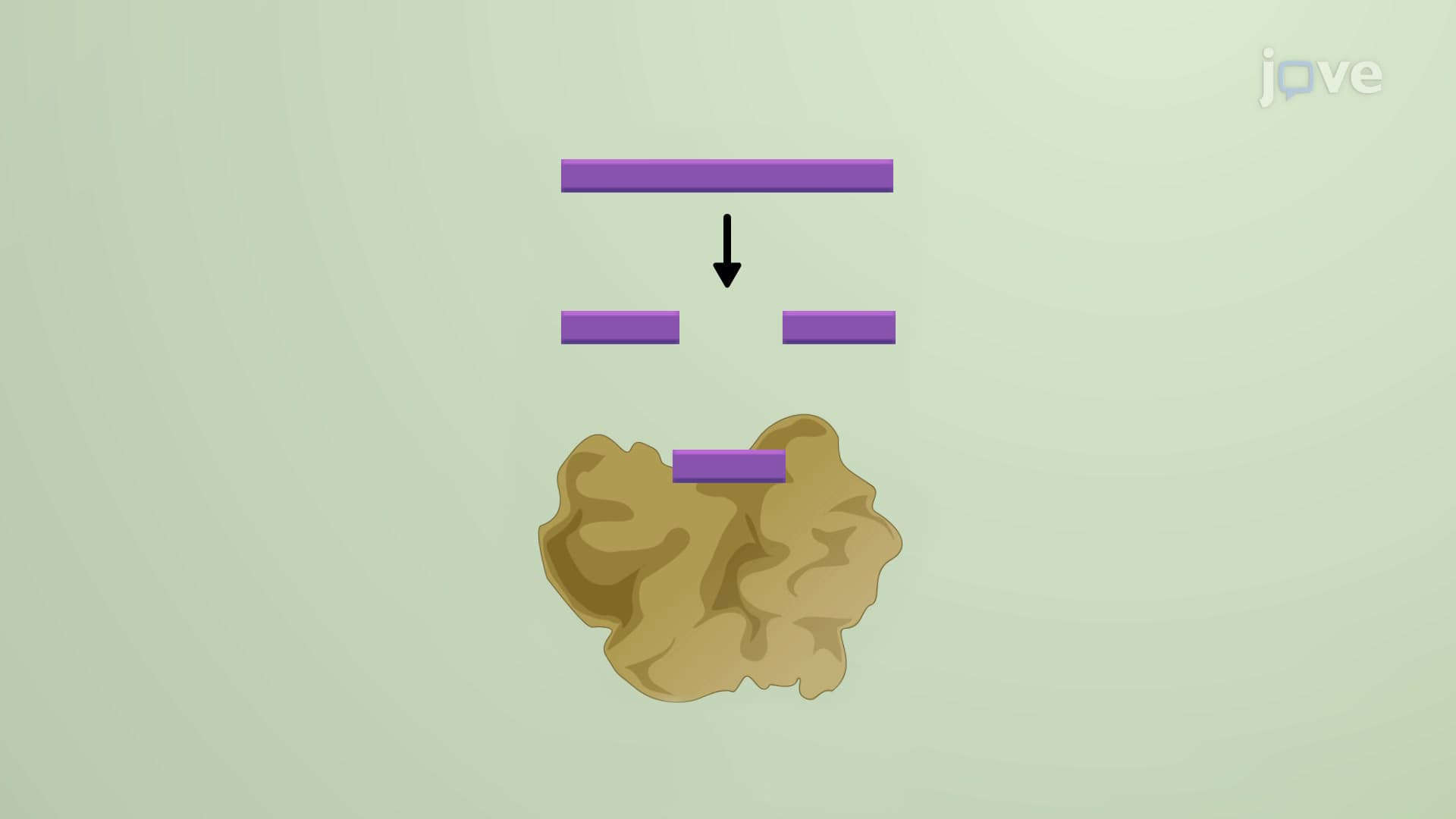
For medical students studying for the MCAT, this pathway exemplifies how molecular machinery coordinates multiple enzymatic steps. The deadenylation-independent pathway provides an alternative route where decapping occurs first, followed by 5' to 3' degradation. The least common endonuclease pathway creates internal breaks, generating fragments that exonucleases quickly eliminate.
mRNA stability mechanisms have profound medical implications. Cancer cells often exploit these pathways - oncogenes may have artificially stabilized mRNAs, while tumor suppressor gene transcripts become rapidly degraded. Pharmaceutical companies now develop antisense oligonucleotides and RNA interference therapies that target specific mRNA stability pathways.
Consider muscular dystrophy research at institutions like Johns Hopkins University, where scientists manipulate mRNA stability to restore dystrophin protein production. Similarly, Moderna and Pfizer's COVID-19 vaccines required modifying mRNA stability through pseudouridine incorporation, extending mRNA half-life for effective protein synthesis.
P-bodies represent specialized cellular compartments where mRNA fate gets decided. These dynamic structures contain concentrated degradation machinery, including decapping enzymes, exonucleases, and regulatory proteins. Under stress conditions, P-bodies can sequester mRNAs temporarily, allowing cells to rapidly resume protein synthesis when conditions improve. This mechanism proves essential during cellular responses to heat shock, oxidative stress, or nutrient deprivation - scenarios frequently tested in undergraduate biochemistry courses.
Related Micro-courses