Loading video…


 14 Concepts
 138.5K views

Video Summary: What are Ribozymes
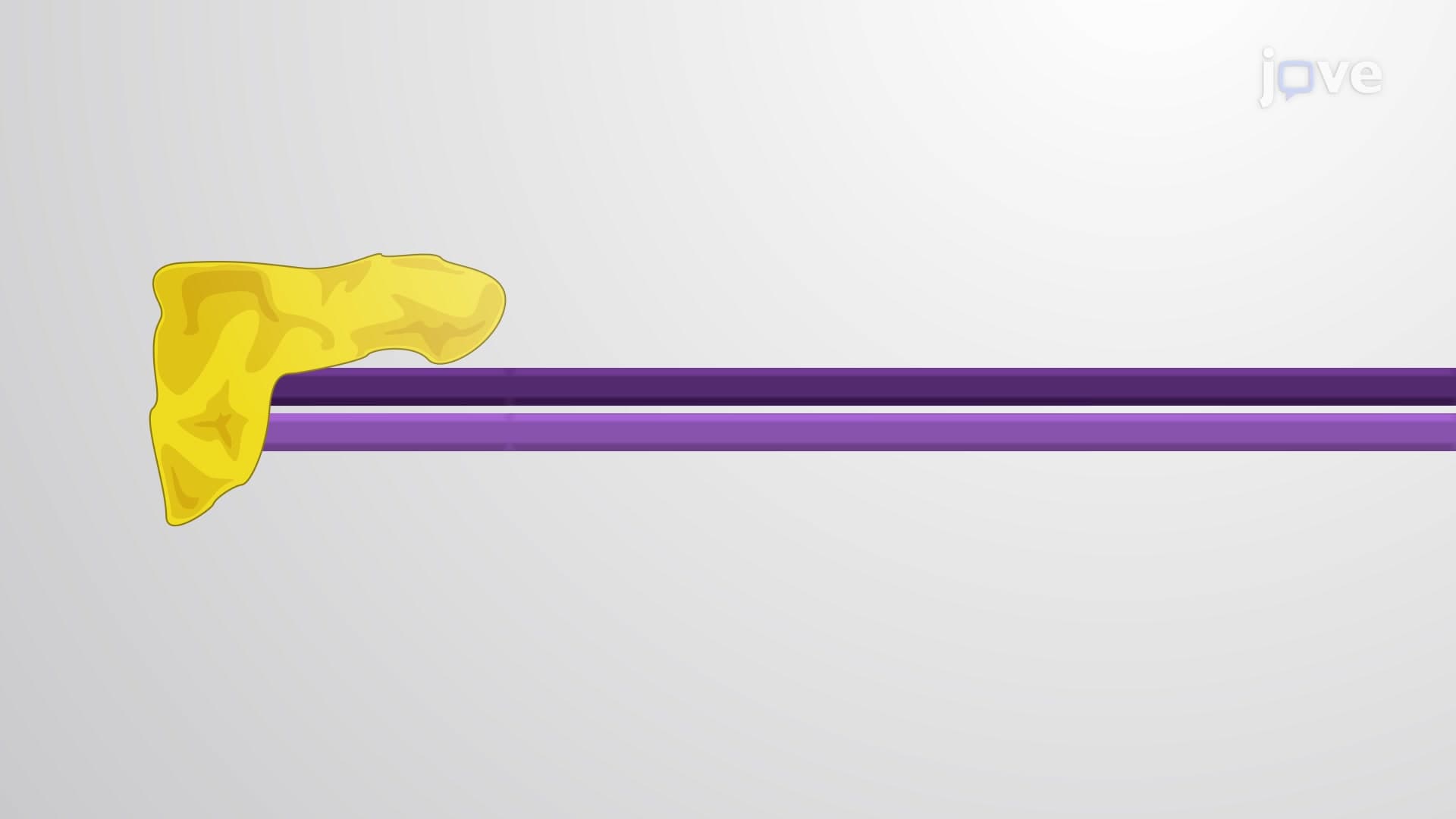
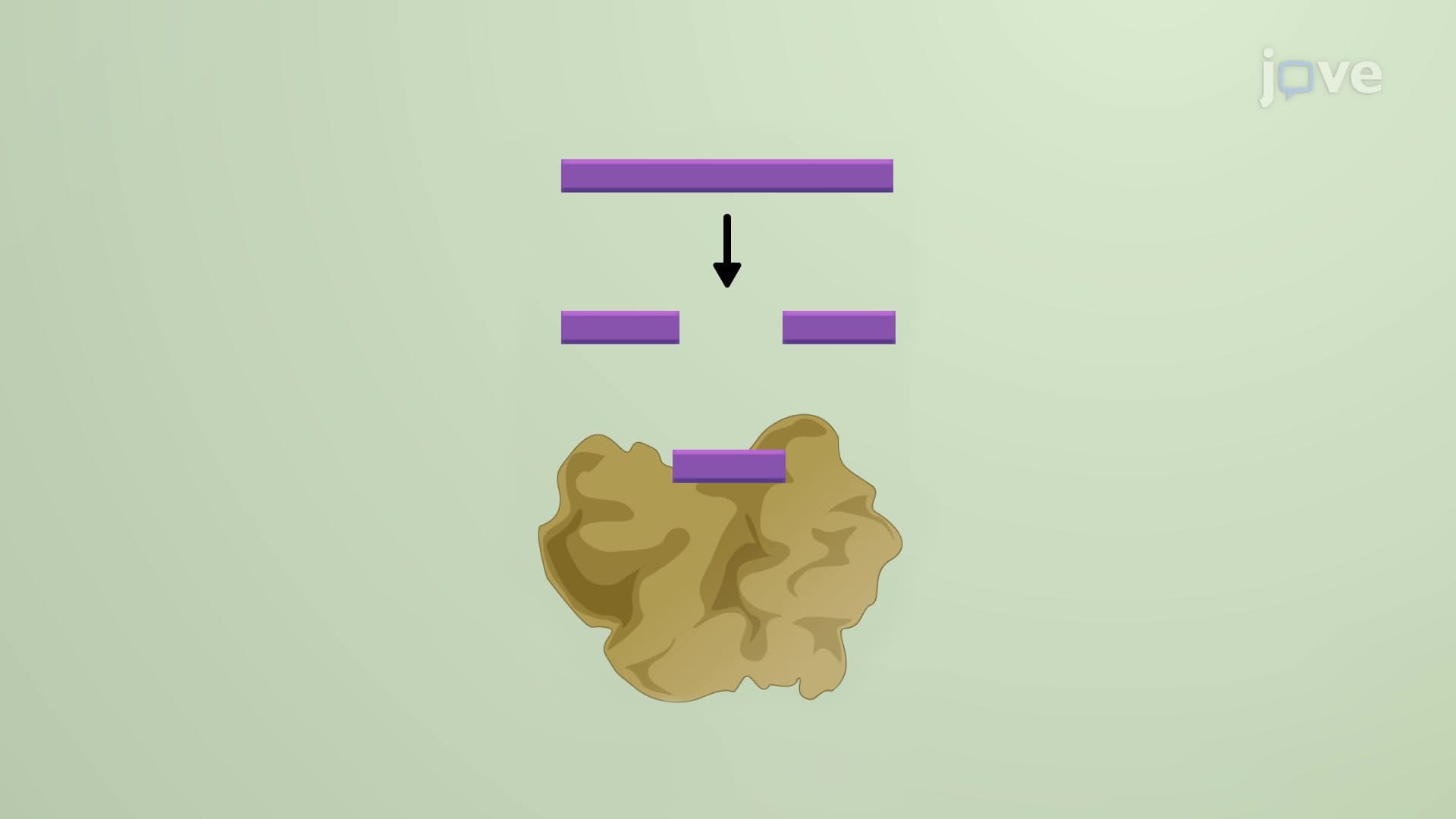
Did you know that RNA molecules can actually function as enzymes, challenging the traditional protein-enzyme dogma? Ribozymes are remarkable RNA molecules that catalyze biochemical reactions, from self-splicing in cellular processes to cleaving viral genomes in pathogens like hepatitis delta virus that affects thousands of Americans annually. These molecular scissors demonstrate how life's fundamental processes rely on RNA's dual role as both information carrier and biological catalyst. Watch the full video on JoVE Coach to master this concept with expert-led visuals and step-by-step explanations.
Ribozymes represent one of biology's most fascinating discoveries-RNA molecules that function as enzymes. Unlike the traditional view that only proteins could serve as biological catalysts, ribozymes demonstrate RNA's remarkable versatility. These catalytic RNA molecules challenge students preparing for the MCAT or AP Biology exams to reconsider fundamental assumptions about cellular biochemistry.
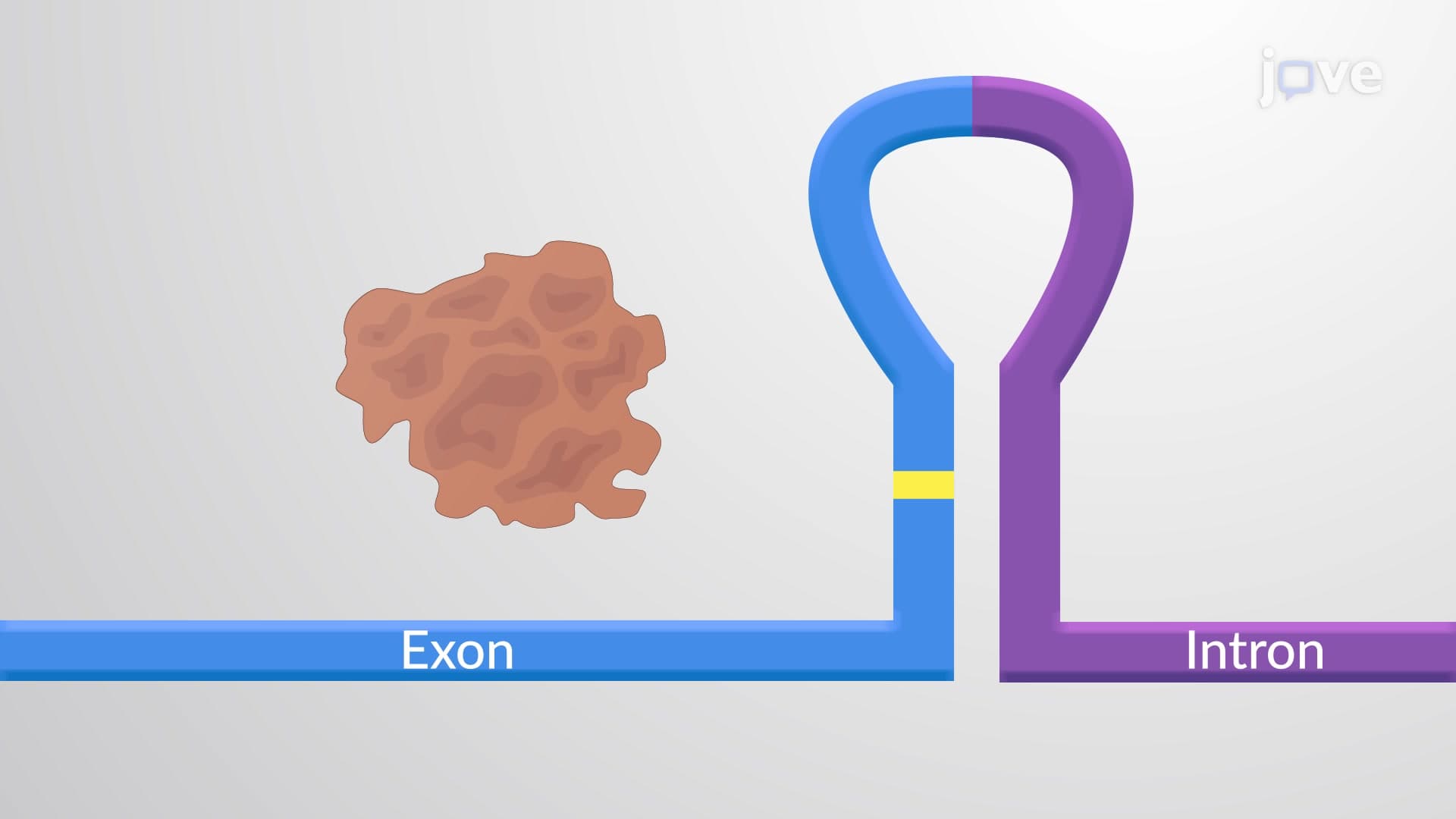
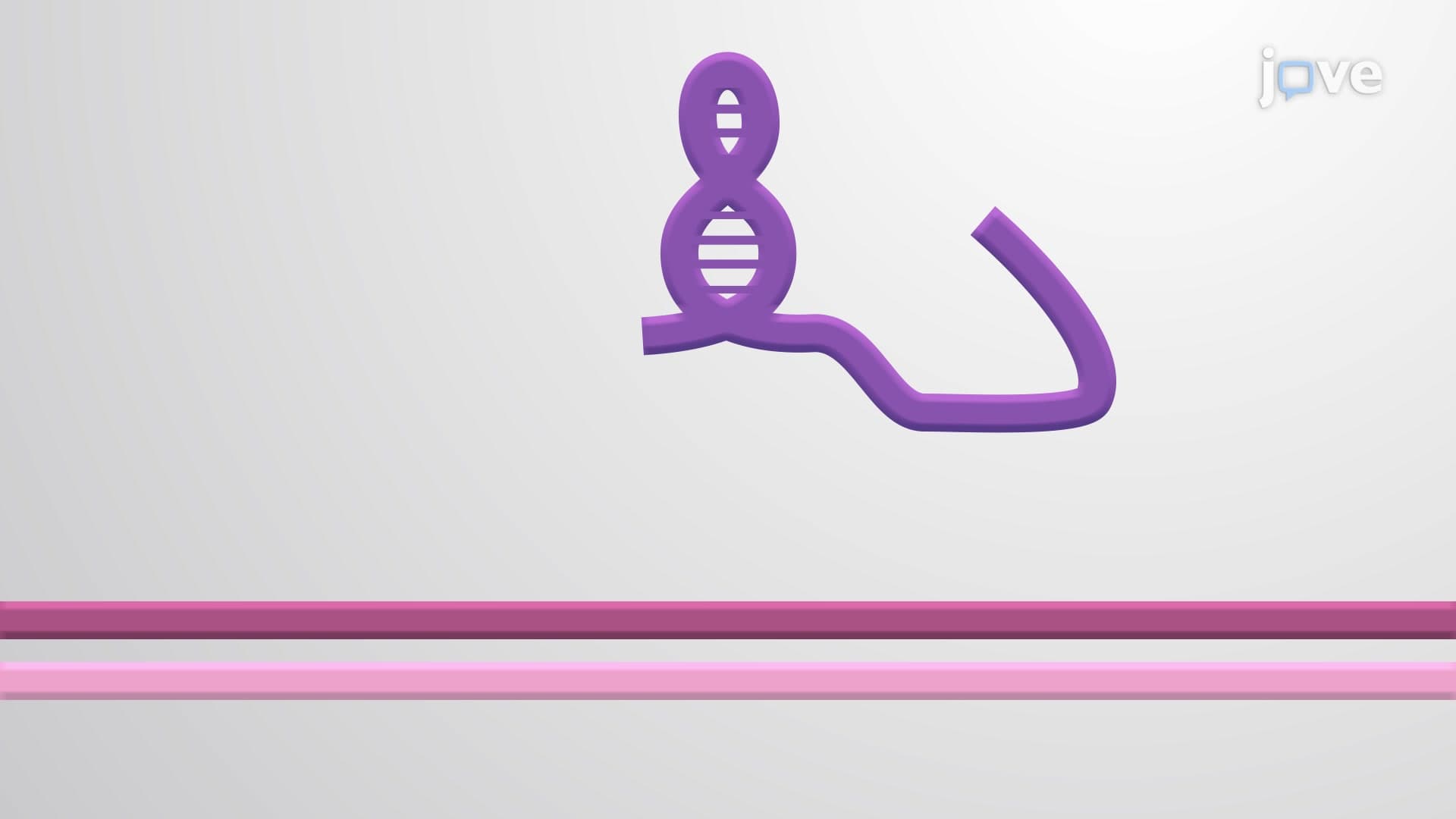
Ribozymes fall into two major categories based on size and complexity. Large ribozymes, including Group I and Group II introns, span several hundred nucleotides and exhibit sophisticated three-dimensional structures. These molecular machines are found in mitochondria and chloroplasts of fungi and plants, where they perform self-splicing reactions without requiring protein assistance-a process crucial for gene expression.
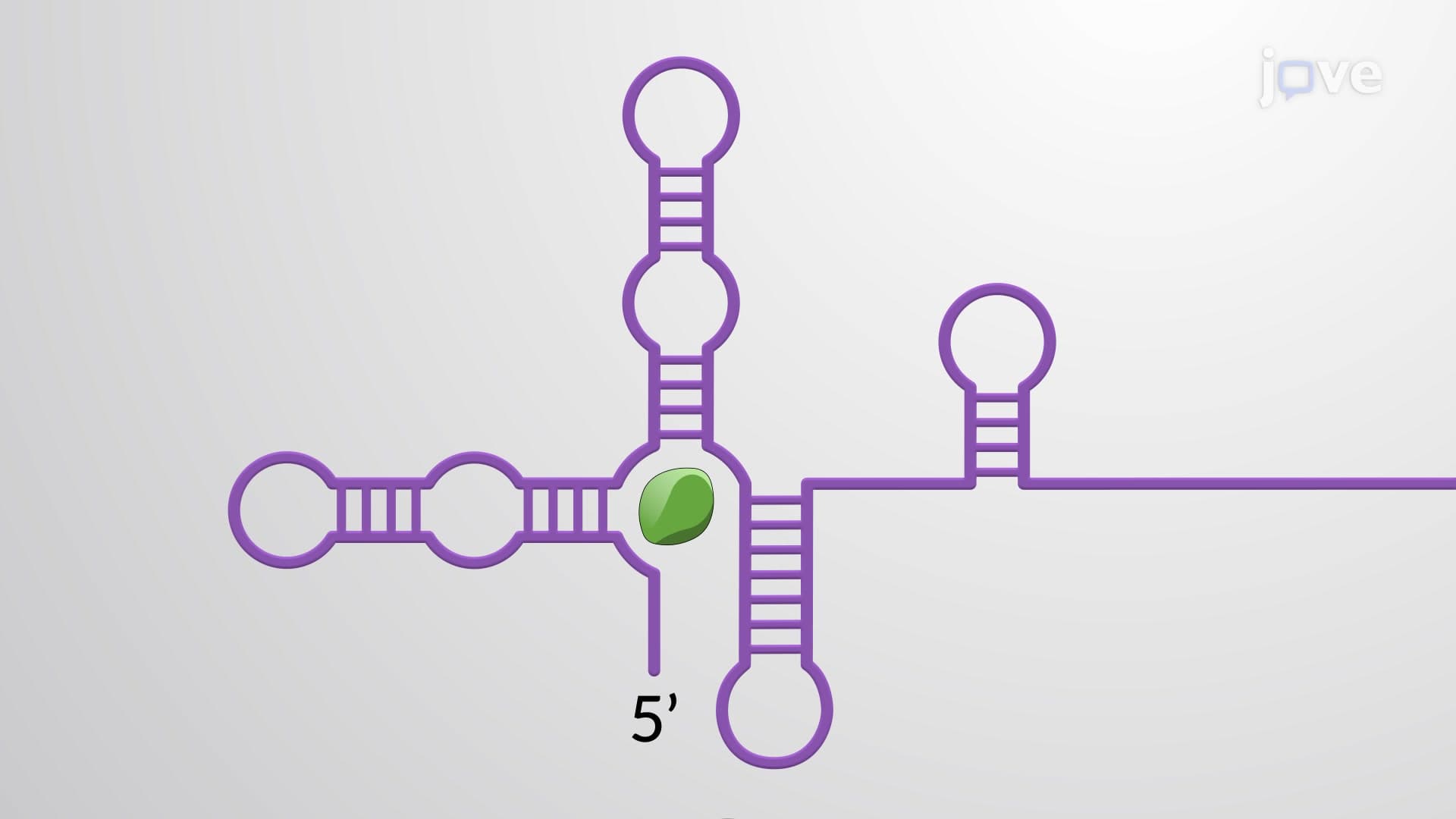
Small ribozymes, typically 50-150 nucleotides long, include hammerhead, hairpin, and hepatitis delta virus ribozymes. The hammerhead ribozyme, commonly studied in undergraduate biochemistry courses, serves as an excellent model for understanding catalytic RNA mechanisms. These compact catalysts demonstrate how RNA secondary structure creates active sites capable of precise substrate recognition and cleavage.
Most ribozymes require metal ions, particularly magnesium (Mg2+), as essential cofactors. These metal ions stabilize the ribozyme's tertiary structure and facilitate catalysis by positioning substrates and stabilizing negative charges during phosphodiester bond cleavage. This cofactor dependence appears frequently in college-level biochemistry courses and MCAT practice questions.
The ribosome's peptidyl transferase center represents perhaps the most significant ribozyme discovery. The 23S rRNA component catalyzes peptide bond formation during protein synthesis, making it essential for life itself. This finding revolutionized our understanding of the ribosome and frequently appears in advanced placement biology curricula.
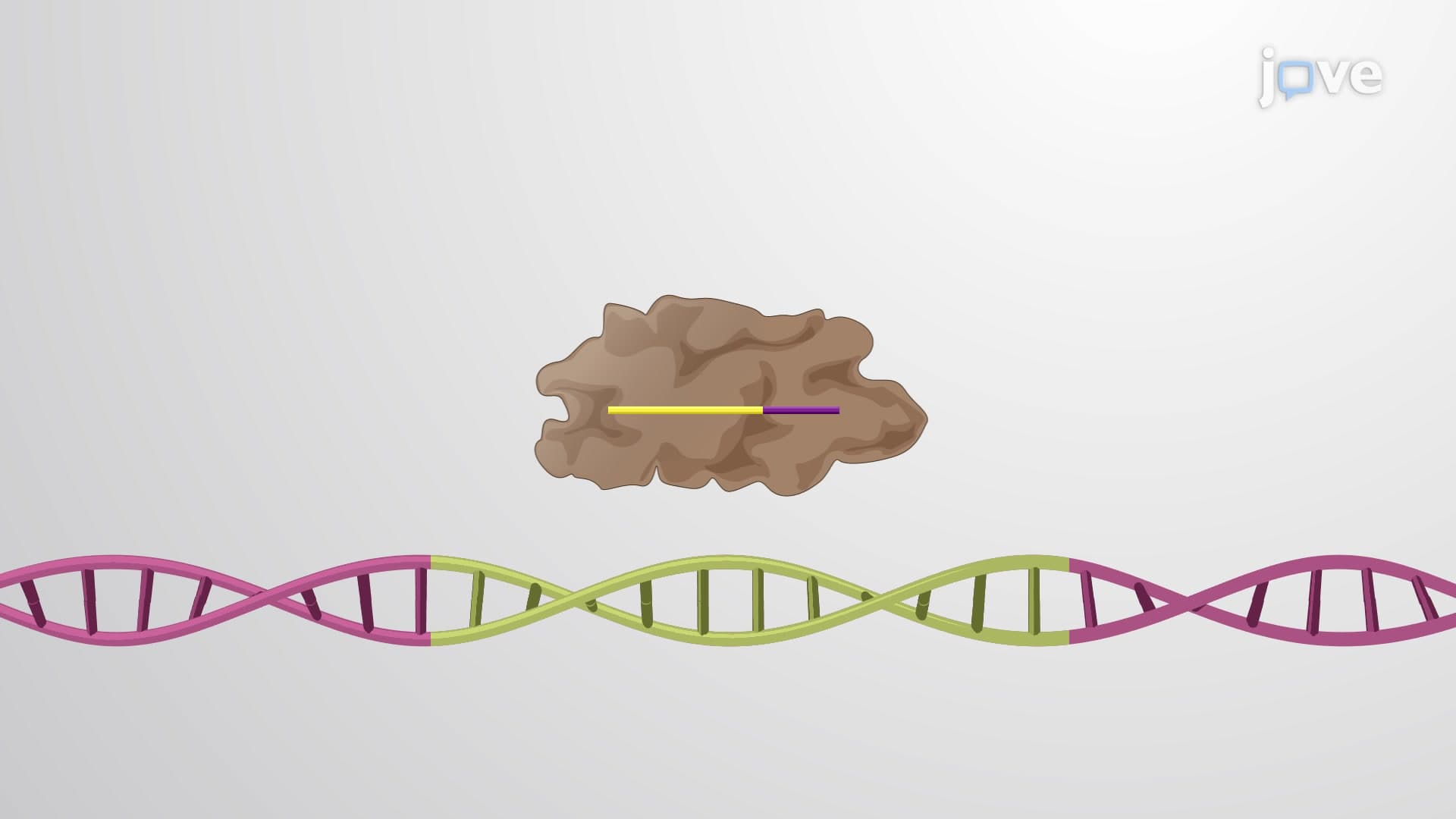
Ribozymes have tremendous therapeutic potential in treating diseases affecting Americans, from cancer to viral infections. Researchers at institutions like MIT and Stanford University develop artificial ribozymes capable of performing reactions beyond natural ribozymes' scope, including carbon-carbon bond formation and oxidation-reduction reactions. These engineered catalysts may eventually treat genetic disorders by cleaving specific disease-causing RNA sequences.
Understanding ribozymes also provides insight into evolutionary biology and the RNA World hypothesis, suggesting that RNA-based life preceded DNA-protein systems. This concept frequently appears in college-level molecular biology courses and provides context for understanding life's origins and complexity.
Related Micro-courses