Loading video…


 14 Concepts
 138.5K views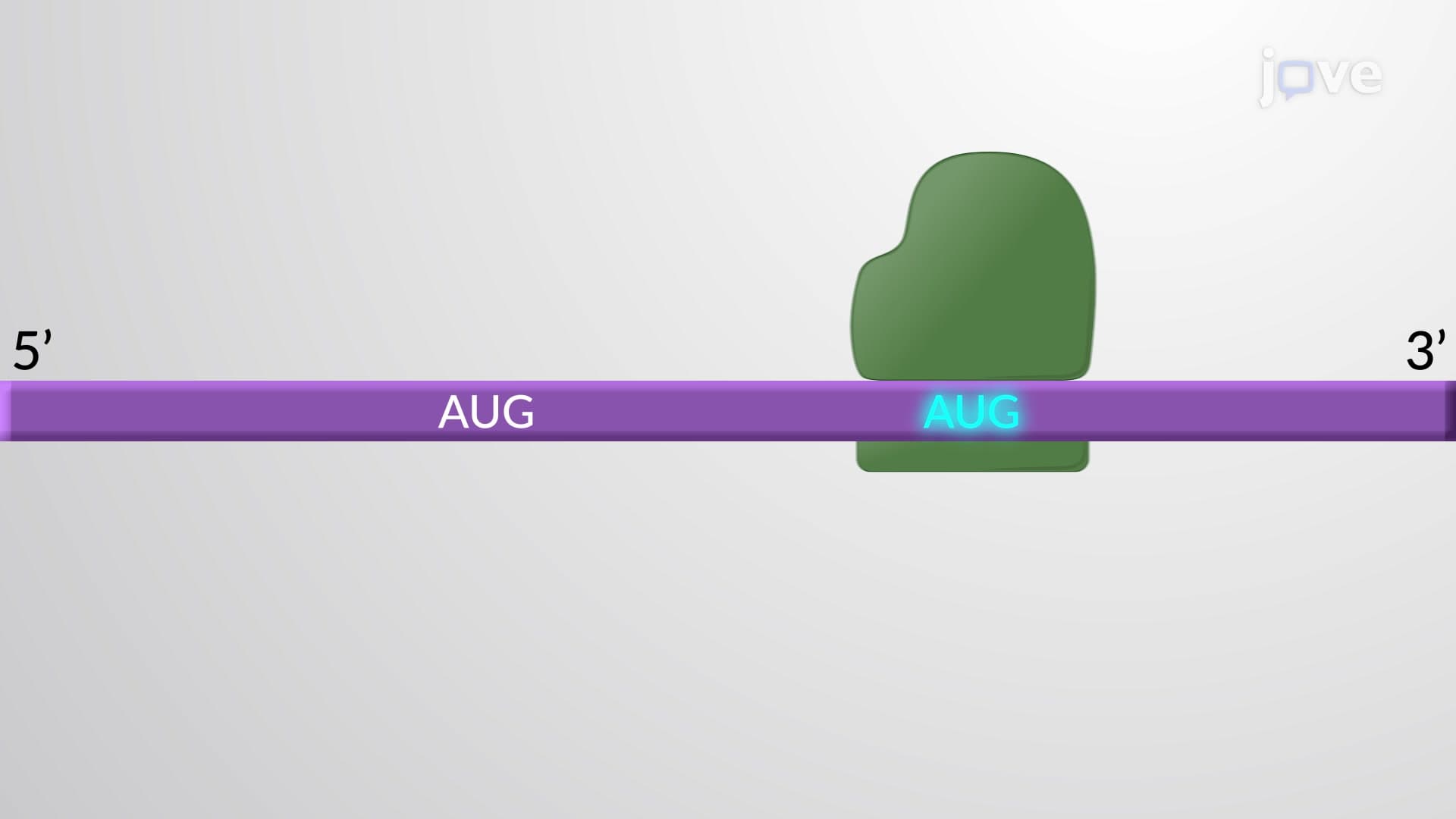

Video Summary: What Is Leaky Scanning
Ever wondered how a single gene can produce multiple proteins with different functions? Leaky scanning is a fascinating molecular mechanism where ribosomes sometimes skip the first start codon on mRNA and begin protein synthesis at a downstream location instead. This process is crucial in human cells-for instance, the tumor suppressor protein p53 uses leaky scanning to produce different protein variants that help fight cancer. Understanding what is leaky scanning reveals how cells maximize their genetic efficiency by creating protein diversity from a single mRNA template. Watch the full video on JoVE Coach to master this concept with expert-led visuals and step-by-step explanations.
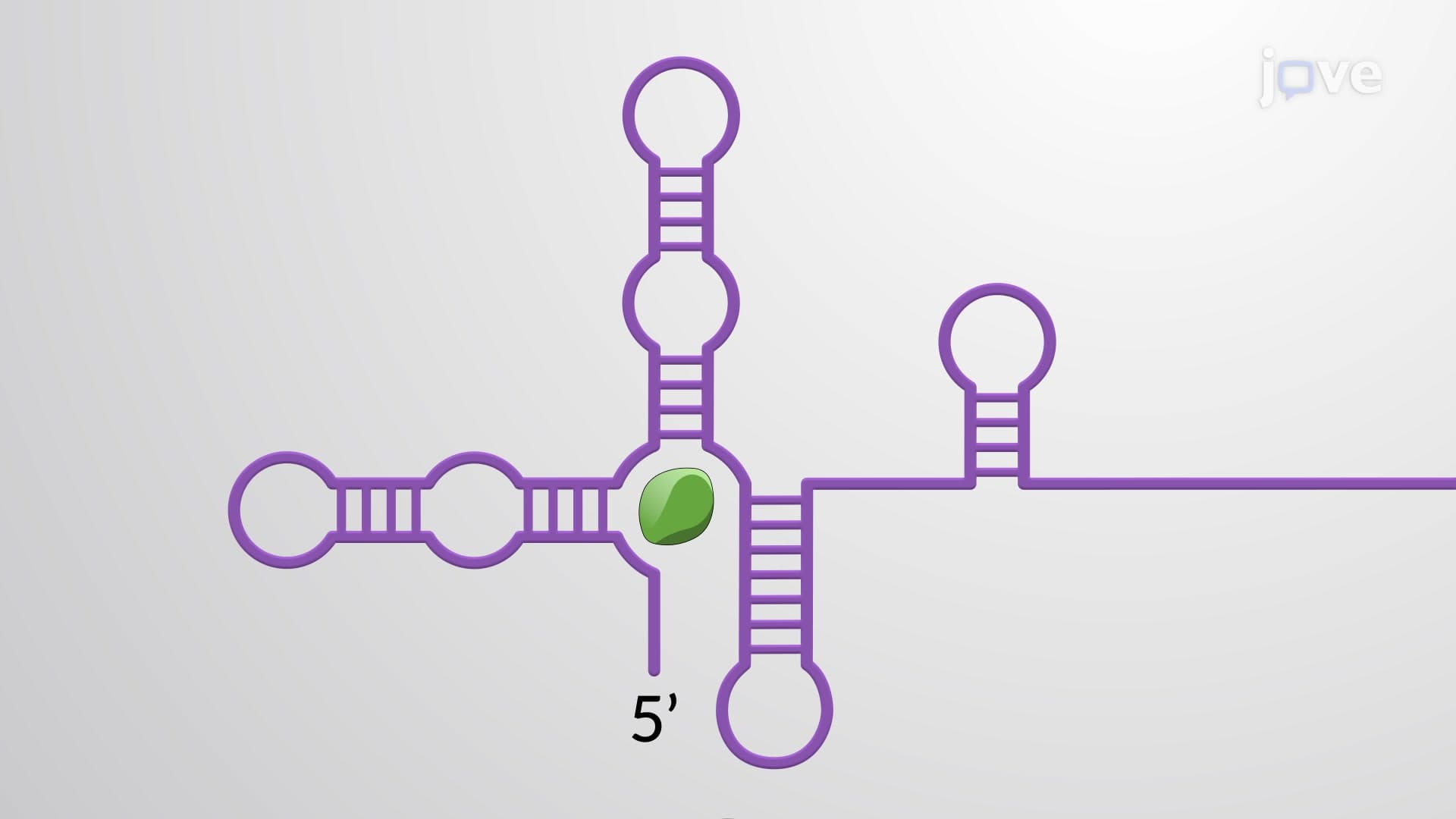
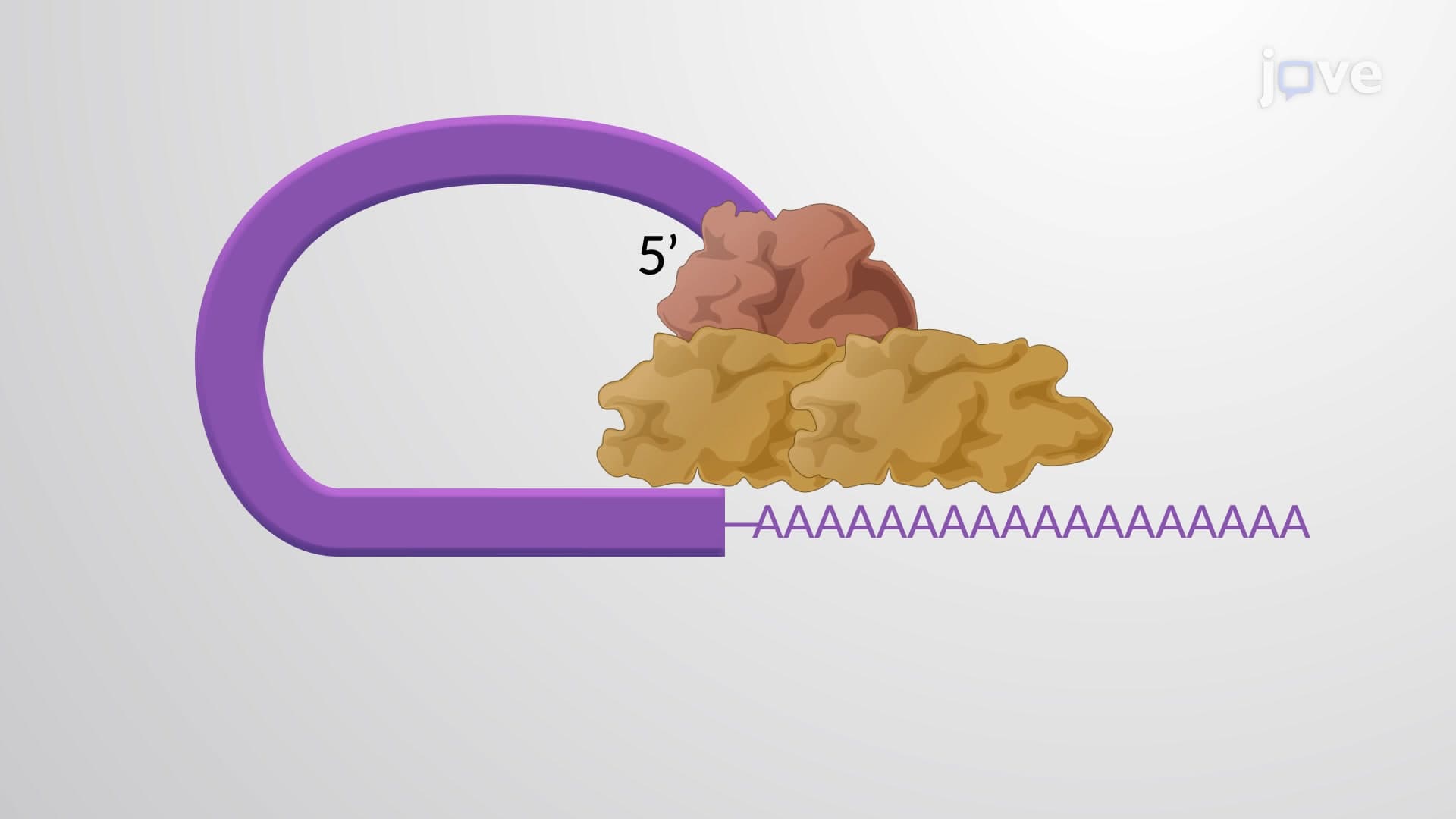
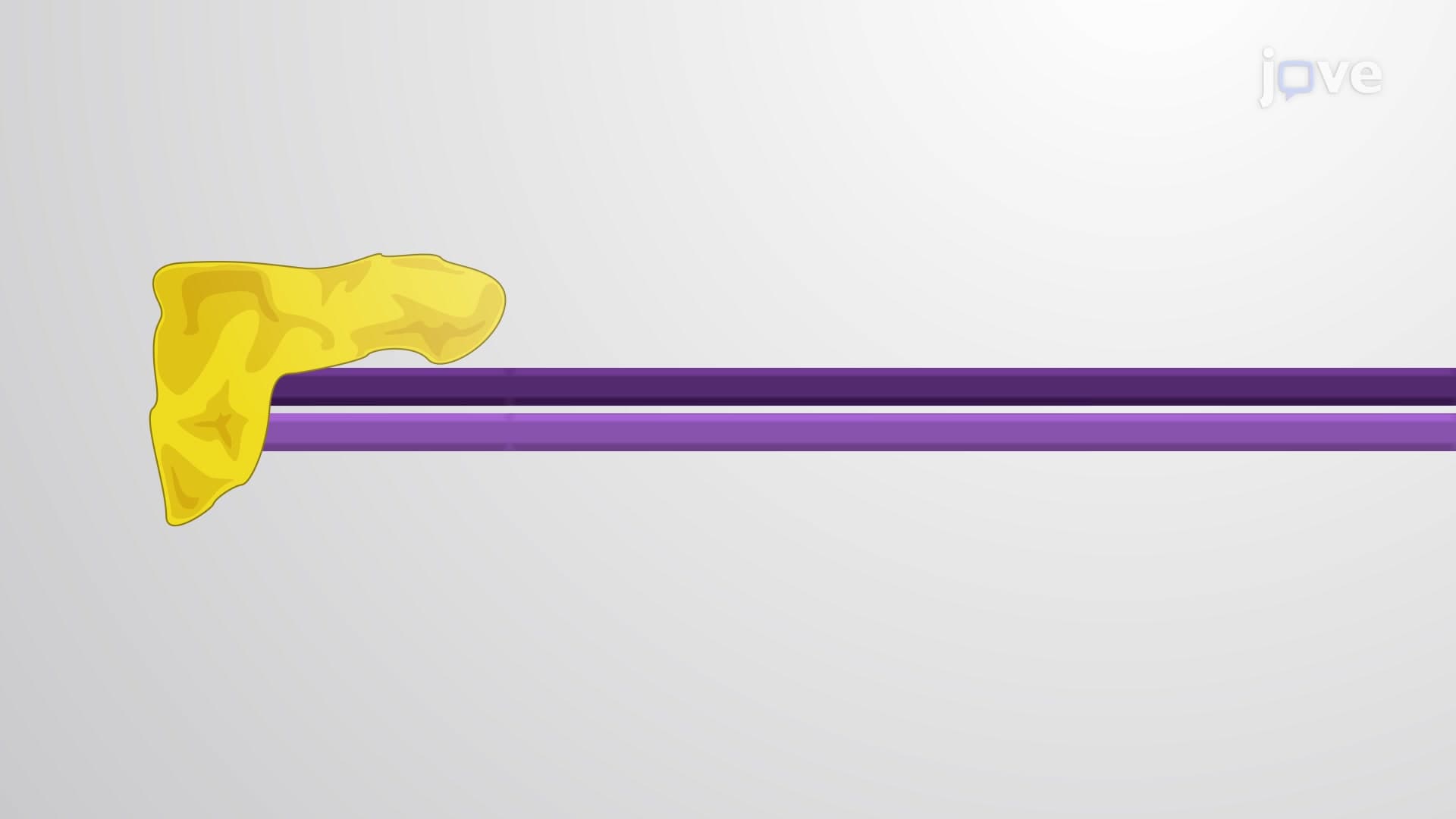
Leaky scanning represents a sophisticated cellular mechanism that challenges the traditional "one gene, one protein" concept. During normal eukaryotic translation, ribosomes bind to the 5' cap structure of mRNA and scan downstream until encountering the first AUG start codon. However, this process isn't always foolproof-ribosomes can "leak through" suboptimal start sites and initiate translation at downstream AUG codons instead.
This phenomenon occurs in approximately 10-50% of human mRNAs, making it a significant contributor to proteomic diversity. For students preparing for the AP Biology exam or college-level molecular biology courses, understanding leaky scanning is essential for grasping how cells regulate protein expression and create functional diversity without expanding genome size.
The efficiency of ribosome binding depends heavily on the Kozak consensus sequence, discovered by molecular biologist Marilyn Kozak at the University of Pittsburgh. This sequence acts like a molecular traffic signal, with the optimal pattern being (gcc)gccRccAUGG, where R represents a purine (adenine or guanine).
The critical positions are -3 (preferably adenine) and +4 (preferably guanine) relative to the AUG start codon. When these optimal nucleotides are present, nearly 90-95% of ribosomes initiate translation at that site. However, when the Kozak sequence is suboptimal-missing the purine at -3 or guanine at +4-only 5-40% of ribosomes start translation there, allowing the majority to continue scanning downstream.
Leaky scanning produces two distinct outcomes depending on the reading frame relationship between start codons. When both AUG codons share the same reading frame, the resulting proteins differ only in their N-terminal regions. This mechanism is particularly important for creating proteins with and without signal peptides-cellular "zip codes" that direct proteins to specific organelles.
For example, some mitochondrial proteins are produced via leaky scanning, where translation from the first AUG creates a protein with a mitochondrial targeting sequence, while translation from the downstream AUG produces a cytoplasmic version lacking this signal. This elegant system allows cells to distribute the same functional protein to different cellular compartments.
When start codons exist in different reading frames, leaky scanning can produce completely distinct proteins with unrelated functions. The human FGF2 (fibroblast growth factor 2) gene exemplifies this complexity, generating multiple protein isoforms through alternative translation initiation sites, each with different cellular localizations and functions.
Understanding leaky scanning has profound implications for medical research and biotechnology. Many disease-associated mutations affect Kozak sequences, altering the ratio of protein isoforms and contributing to pathological conditions. Cancer researchers at institutions like MD Anderson Cancer Center and Johns Hopkins study how oncogenes exploit leaky scanning to produce both normal and aberrant protein forms.
For MCAT preparation, students should recognize that leaky scanning questions often appear in passages about gene regulation, protein diversity, or cellular targeting mechanisms. The concept frequently connects to topics like alternative splicing, post-translational modifications, and evolutionary biology.
Related Micro-courses