Loading video…


 14 Concepts
 138.5K views


Video Summary: What Is Micrornas
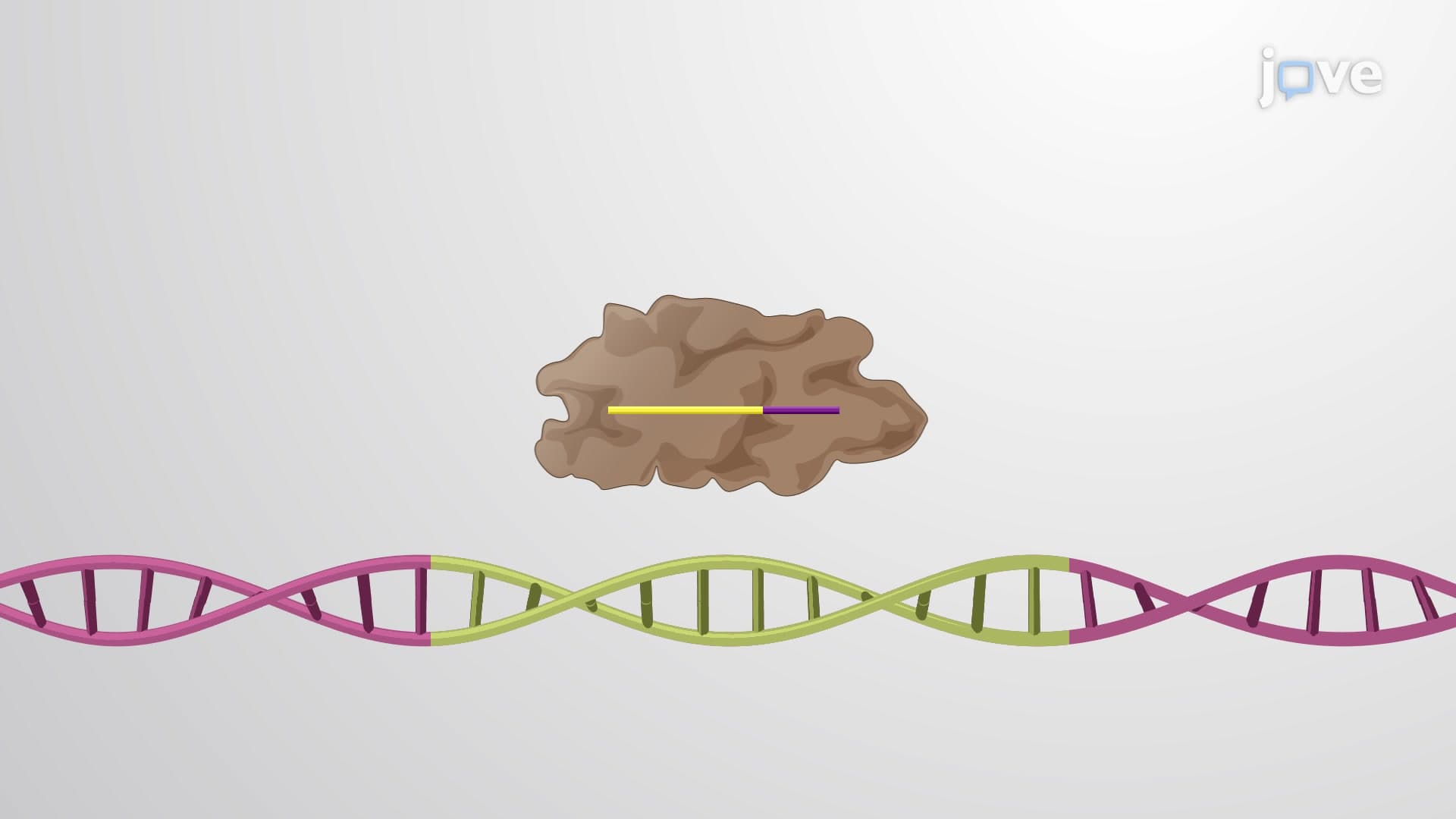
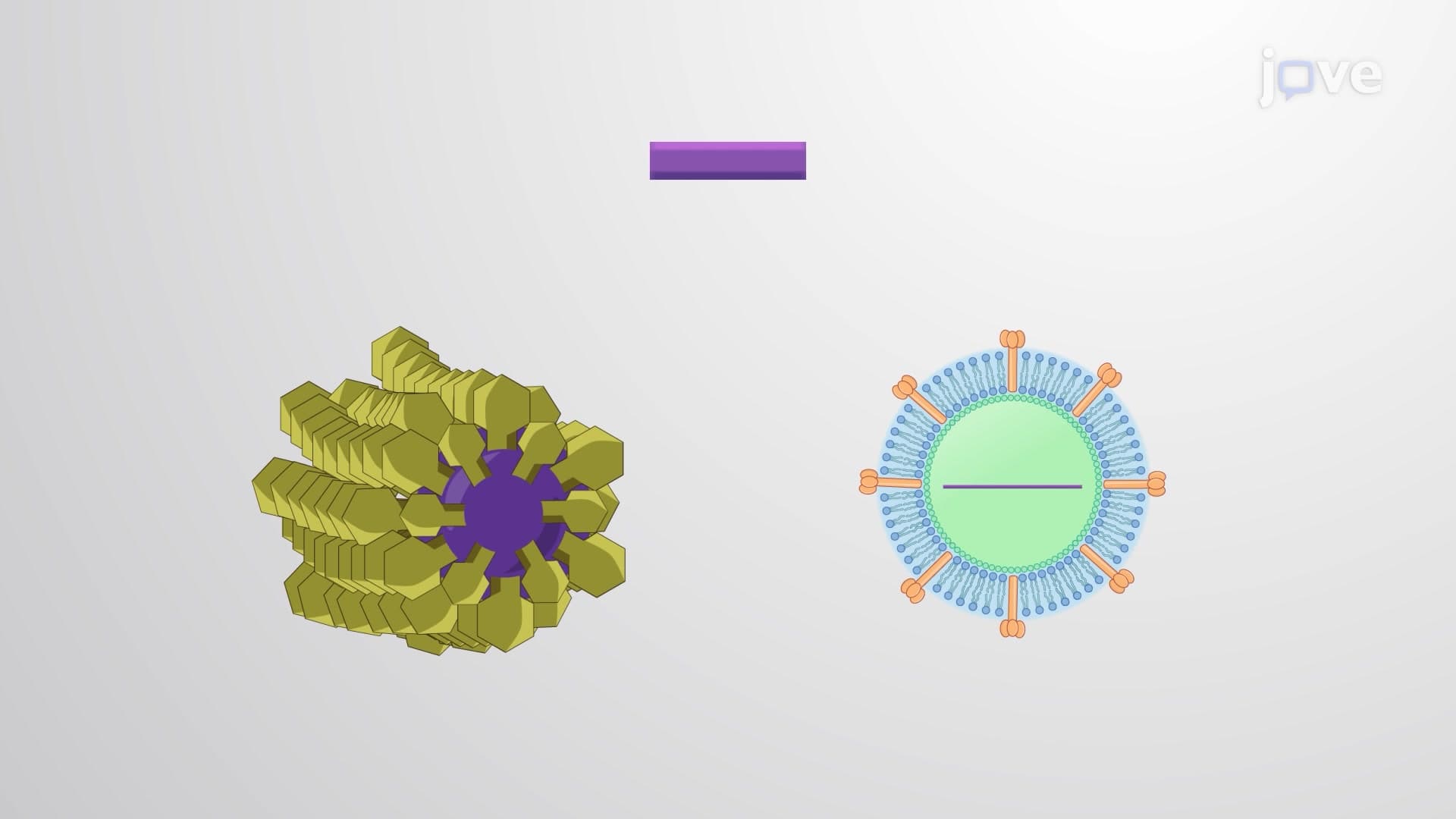
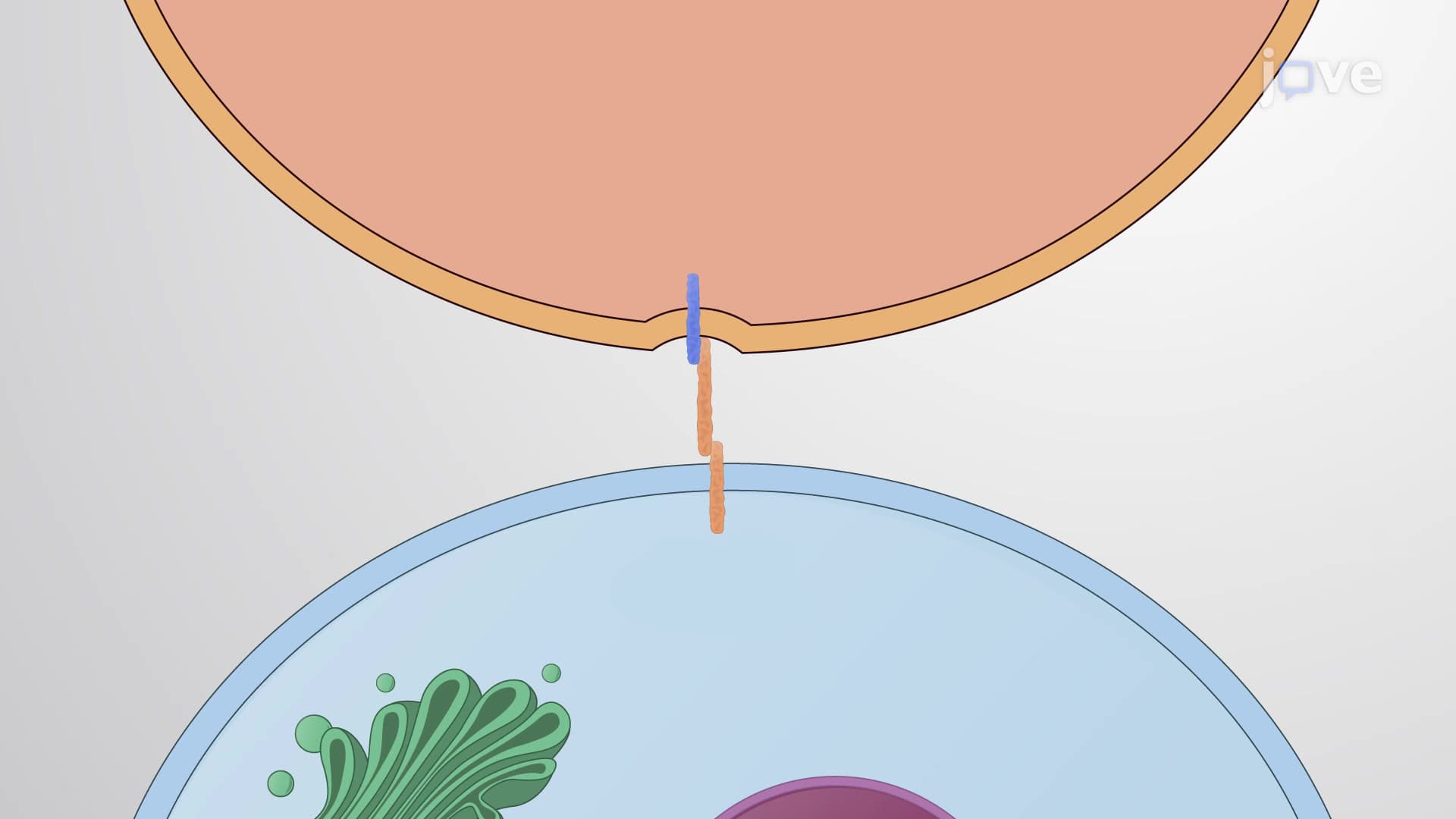
Did you know that tiny RNA molecules just 22 nucleotides long can silence entire genes and contribute to diseases like cancer? MicroRNAs are these molecular switches that fine-tune gene expression after transcription, acting like cellular volume controls that turn protein production up or down. At Johns Hopkins University, researchers discovered that specific microRNAs can predict breast cancer outcomes better than traditional markers. Understanding what is microRNAs reveals how cells maintain precise control over which proteins get made and when. Watch the full video on JoVE Coach to master this concept with expert-led visuals and step-by-step explanations.
MicroRNAs represent one of biology's most elegant regulatory systems-tiny RNA molecules that wield enormous influence over gene expression. These 22-nucleotide powerhouses don't code for proteins themselves but instead act as molecular rheostats, precisely adjusting protein production levels throughout the cell. Unlike the binary on/off switches of transcriptional control, microRNAs provide graduated, nuanced regulation that allows cells to respond dynamically to changing conditions.
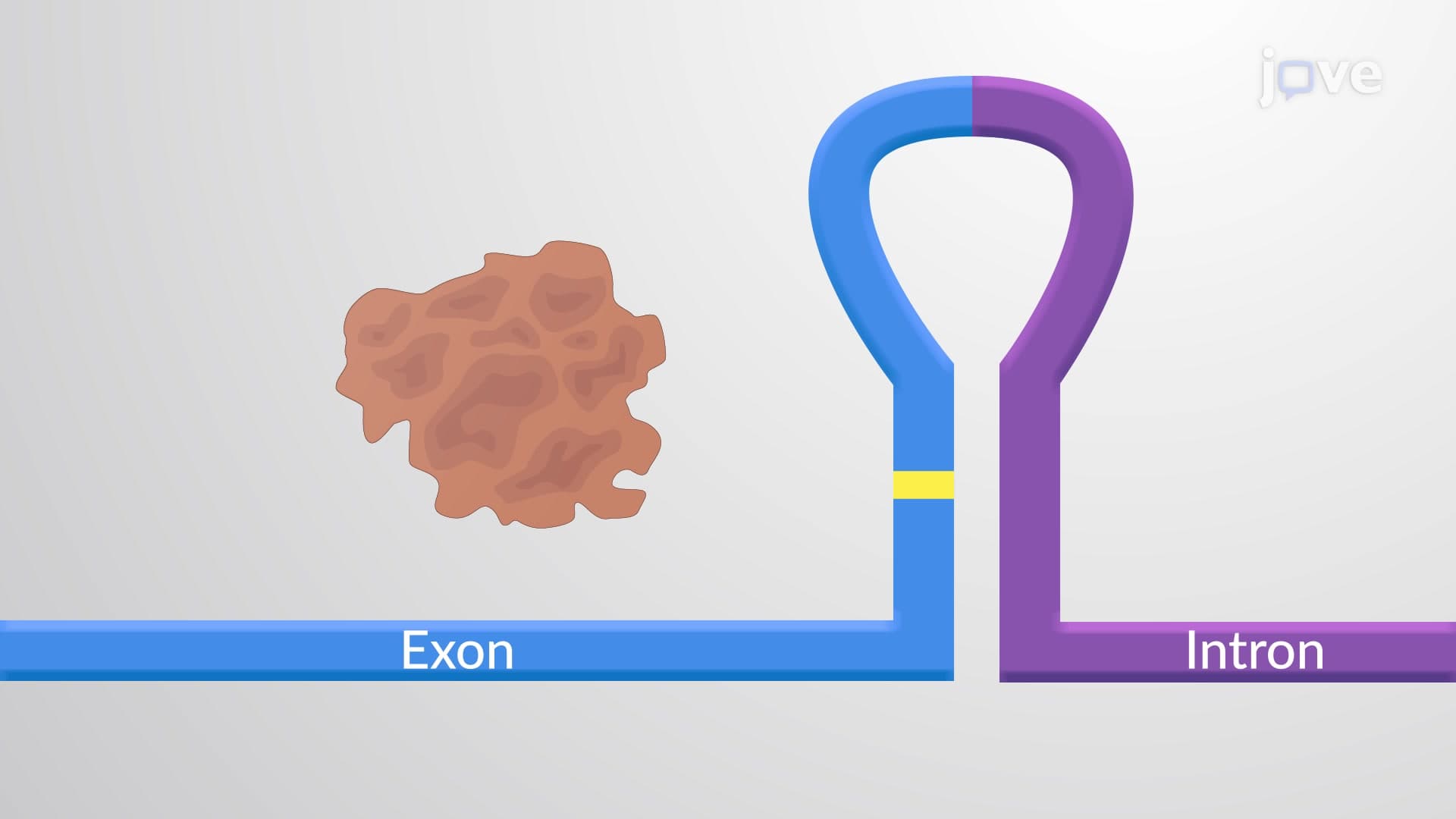
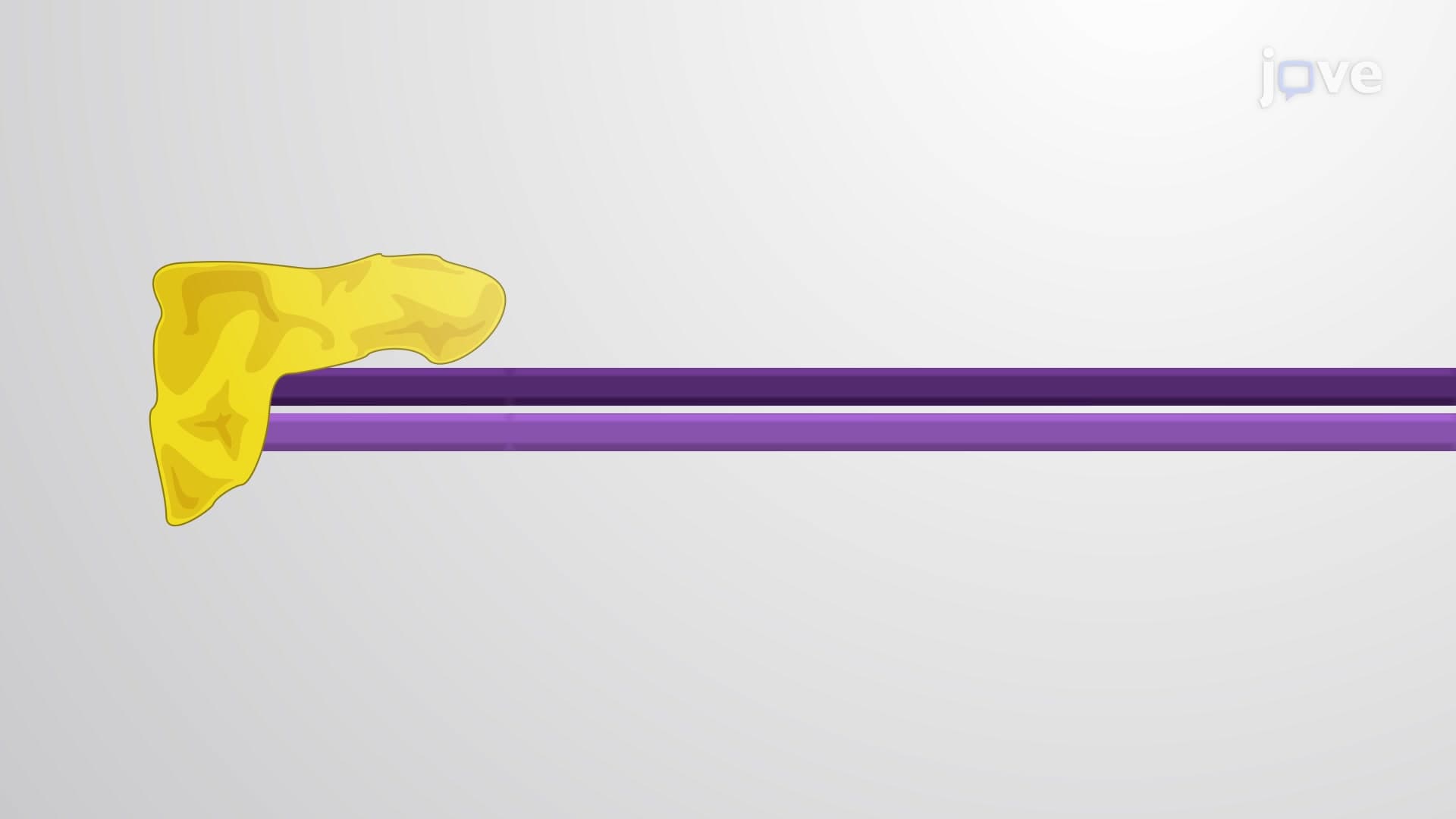
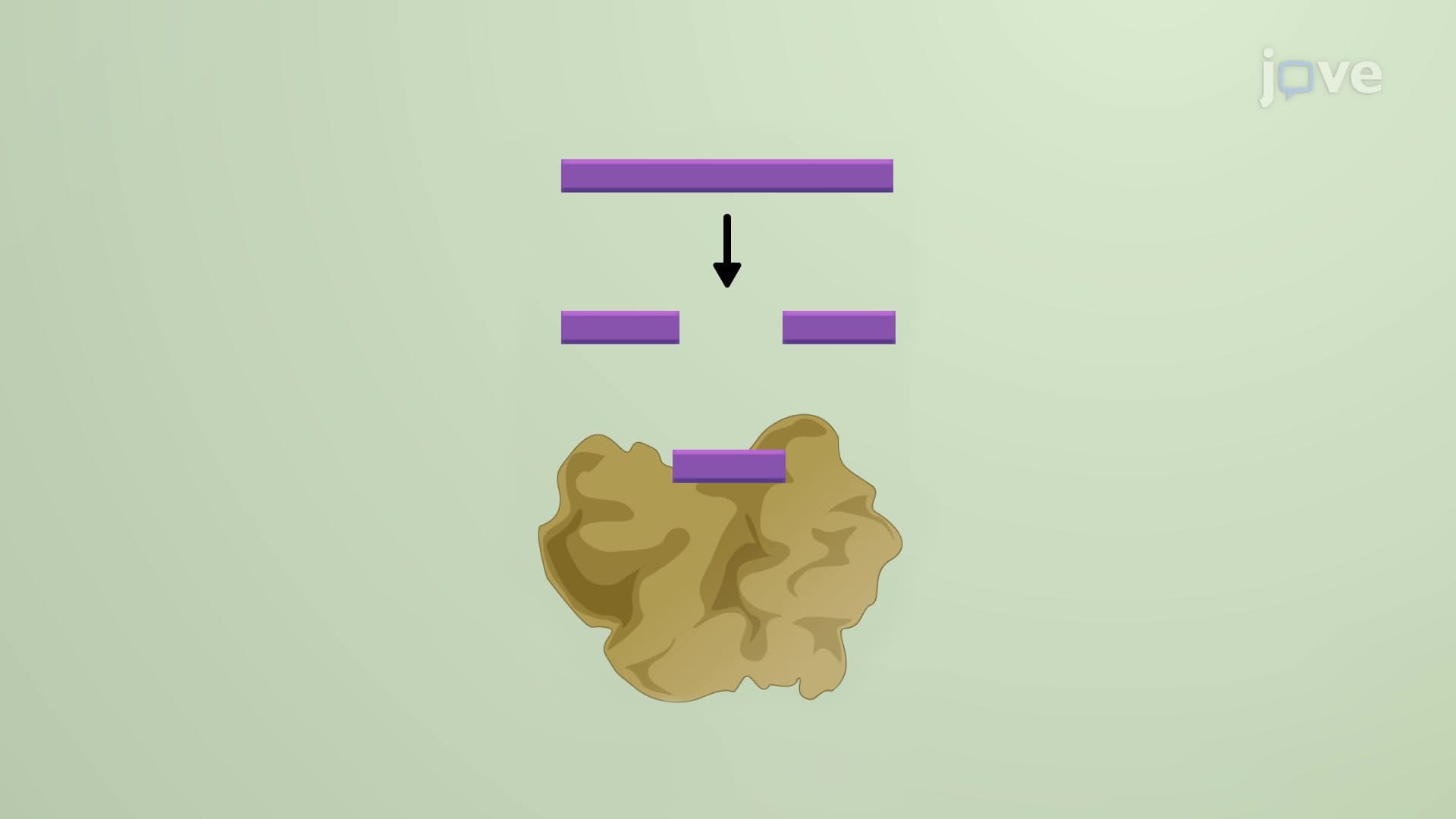
The journey from microRNA gene to functional regulator involves a sophisticated processing cascade. It begins with transcription of large primary transcripts (pri-miRNAs) containing hairpin structures. The nuclear enzyme Drosha, working with its cofactor DGCR8, clips these hairpins to produce ~70-nucleotide precursors (pre-miRNAs). After nuclear export, the cytoplasmic enzyme Dicer performs the final cut, generating the mature 22-nucleotide miRNA duplex. One strand becomes the guide RNA loaded into the RNA-induced silencing complex (RISC), while the passenger strand degrades.
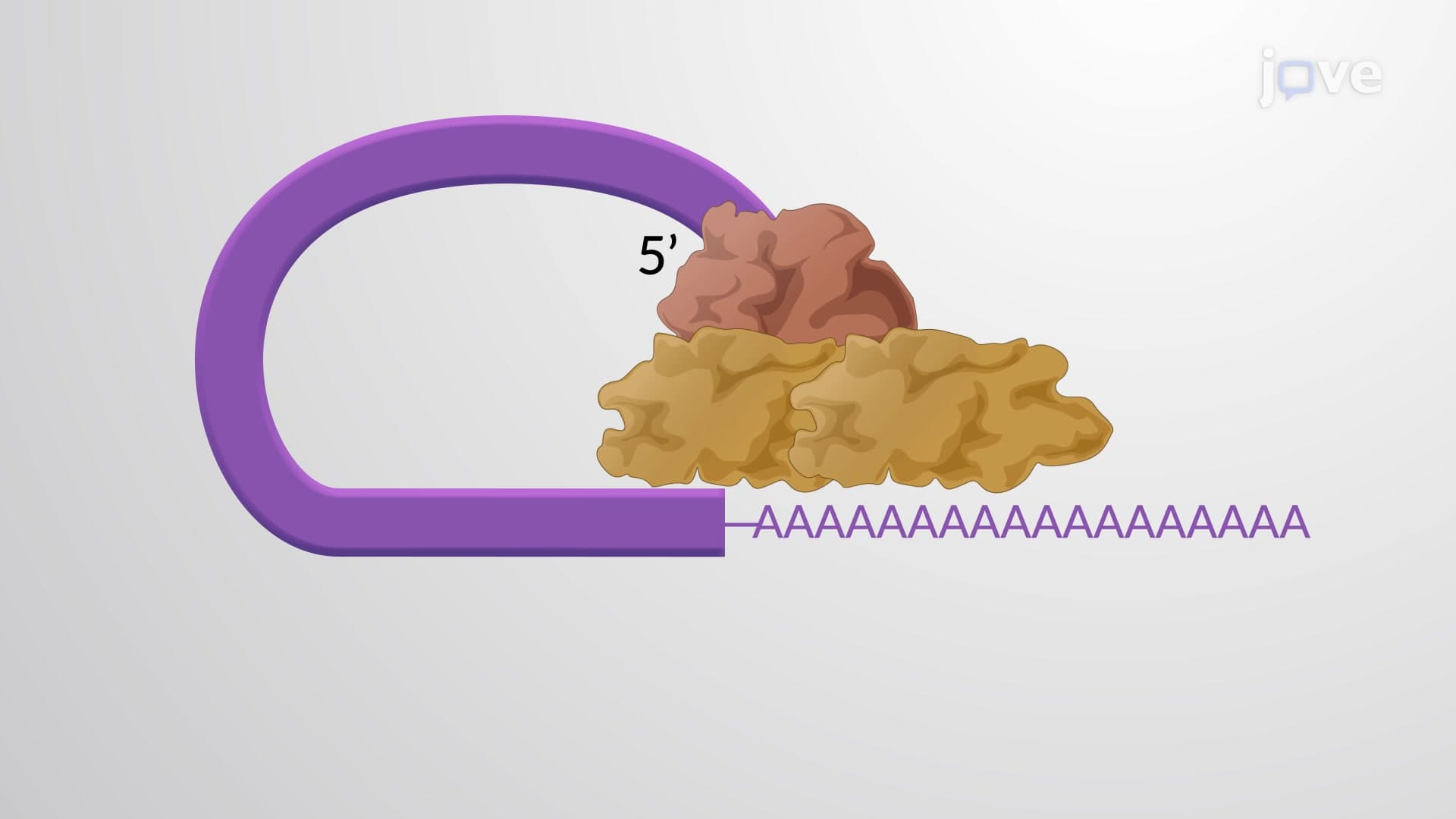
Once incorporated into RISC, microRNAs scan the cellular environment for target mRNAs containing complementary sequences, typically in the 3' untranslated region. Perfect or near-perfect complementarity triggers mRNA cleavage and degradation, while partial matches-more common in mammals-lead to translational repression. This mechanism allows a single microRNA to regulate hundreds of target genes, creating regulatory networks of staggering complexity. The let-7 family, for example, targets multiple oncogenes and tumor suppressors simultaneously.
In clinical medicine, microRNAs have emerged as powerful diagnostic and therapeutic tools. At Memorial Sloan Kettering Cancer Center, oncologists use microRNA profiles to classify brain tumors more accurately than traditional histology. The microRNA miR-21 serves as a biomarker for glioblastoma progression, while miR-155 helps predict treatment response in lymphomas. For students preparing for the MCAT or AP Biology exams, understanding microRNA dysregulation in cancer exemplifies how molecular mechanisms directly translate to human disease-a connection frequently tested in clinical vignettes.
Related Micro-courses