Loading video…


 14 Concepts
 138.5K views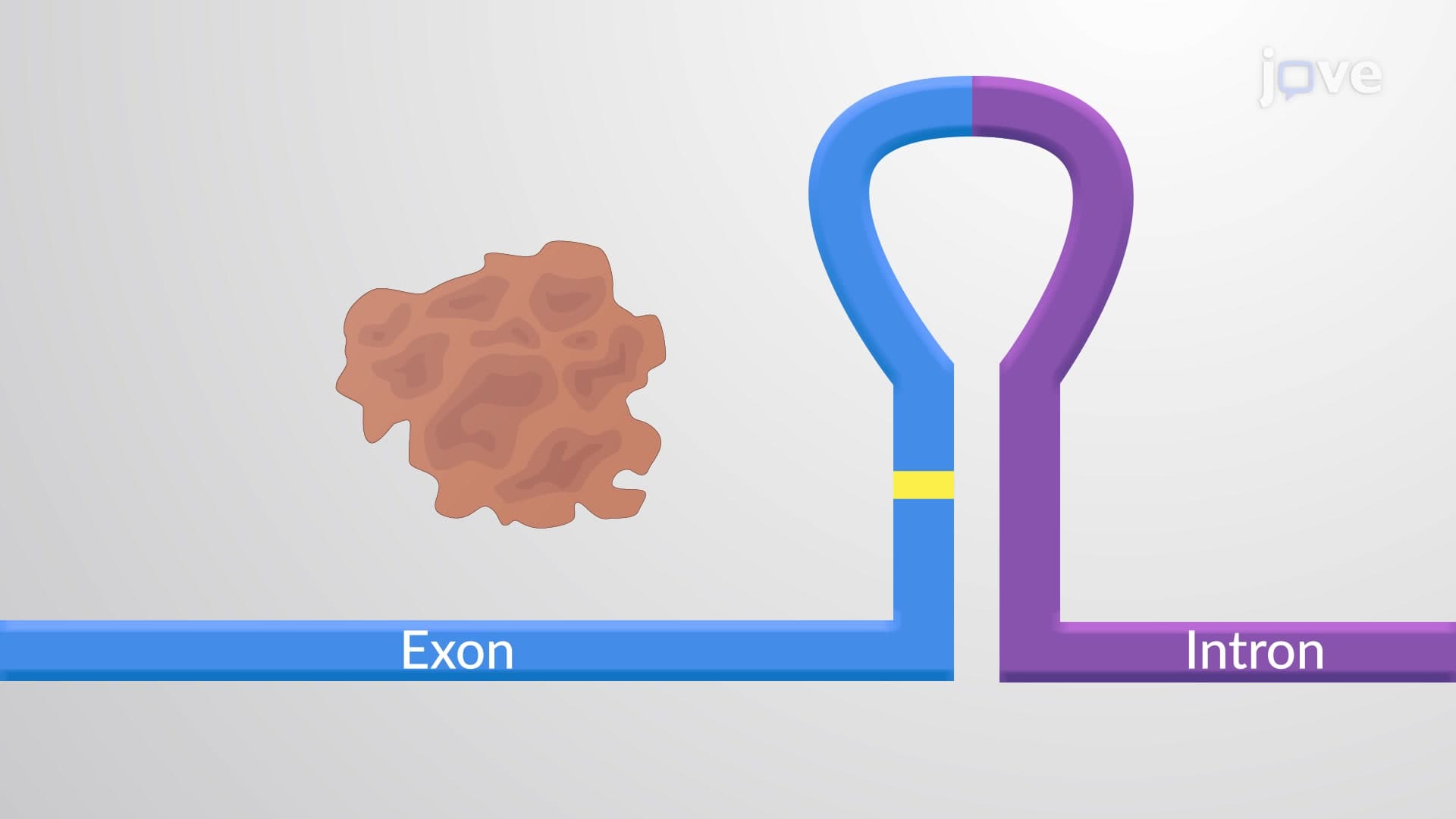

Video Summary: What Is RNA Editing
Did you know that your cells can actually rewrite their genetic messages after copying them from DNA? RNA editing allows organisms to create protein variants without changing the original DNA blueprint-like having multiple recipes from the same ingredient list. For example, in the human intestine versus liver, the same genetic code produces two completely different forms of apolipoprotein B protein through targeted editing. This molecular process demonstrates how cells fine-tune protein production for specific tissues and functions. Watch the full video on JoVE Coach to master this concept with expert-led visuals and step-by-step explanations.
What is RNA editing represents one of molecular biology's most fascinating post-transcriptional modifications. Unlike mutations that permanently alter DNA, RNA editing provides cells with a reversible mechanism to diversify their protein repertoire. This process occurs after transcription but before translation, allowing the same gene to produce multiple protein variants depending on cellular context and tissue-specific needs.
The discovery of RNA editing revolutionized our understanding of the central dogma, demonstrating that the path from DNA to protein involves more complexity than initially recognized. Students preparing for AP Biology or college-level molecular biology courses should understand that RNA editing challenges the one-gene-one-protein concept, introducing dynamic regulation at the RNA level.
The most prevalent form of RNA editing in mammals involves ADAR (Adenosine Deaminase Acting on RNA) enzymes converting adenosine to inosine. Since inosine pairs with cytosine during translation, the ribosome interprets inosine as guanosine, effectively creating an A-to-G substitution. This seemingly simple chemical modification can dramatically alter protein function.
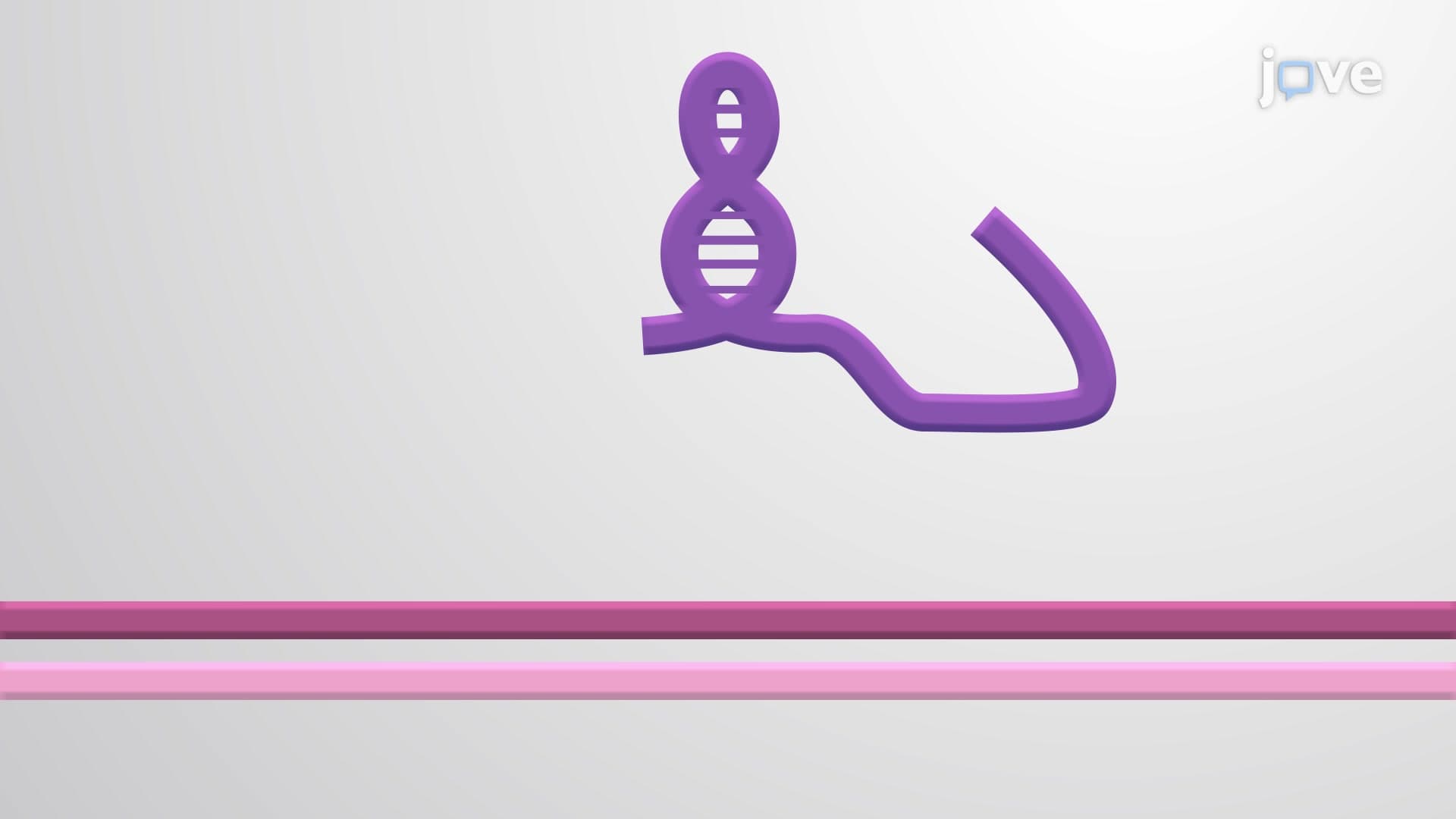
ADAR enzymes recognize double-stranded RNA structures, typically formed when exonic sequences base-pair with complementary intronic regions. The glutamate receptor editing site exemplifies this mechanism-ADAR2 converts a glutamine codon (CAG) to an arginine codon (CIG→CGG), fundamentally changing the receptor's calcium permeability. This edit occurs in virtually all adult mammalian brain tissue, highlighting its physiological importance.
For MCAT preparation, students should recognize that ADAR editing requires specific secondary structures and occurs co-transcriptionally, meaning editing happens while transcription is still proceeding.
The apolipoprotein B (ApoB) system provides the classic example of C-to-U editing in mammals. This editing event occurs exclusively in the small intestine, where the APOBEC1 enzyme complex converts a cytidine to uridine, changing a glutamine codon (CAA) into a premature stop codon (UAA). The result is two functionally distinct proteins from a single gene: full-length ApoB-100 (produced in the liver) and truncated ApoB-48 (produced in the intestine).
This tissue-specific editing has profound physiological consequences. ApoB-100 can bind LDL receptors and plays a central role in cholesterol metabolism, while ApoB-48 cannot bind these receptors and functions primarily in dietary lipid transport. Medical students studying for the USMLE will encounter this example in cardiovascular and gastrointestinal pathophysiology contexts.
RNA editing dysregulation contributes to various human diseases, making this topic increasingly relevant for pre-med students. Altered ADAR activity associates with neurological disorders, autoimmune diseases, and cancer progression. Understanding RNA editing mechanisms helps explain how identical genetic sequences can produce pathogenic versus protective protein variants, a concept crucial for personalized medicine approaches.
Related Micro-courses