Loading video…


 14 Concepts
 138.5K views

Video Summary: What Is RNA Interference
Did you know that your cells have a built-in system to silence specific genes, similar to how noise-canceling headphones block unwanted sounds? RNA interference is a natural cellular process where small RNA molecules act like molecular scissors, cutting up targeted messenger RNA to control gene expression. This discovery earned scientists Andrew Fire and Craig Mello the Nobel Prize and revolutionized biotechnology, leading to breakthrough treatments at companies like Alnylam Pharmaceuticals in Massachusetts. Watch the full video on JoVE Coach to master this concept with expert-led visuals and step-by-step explanations.
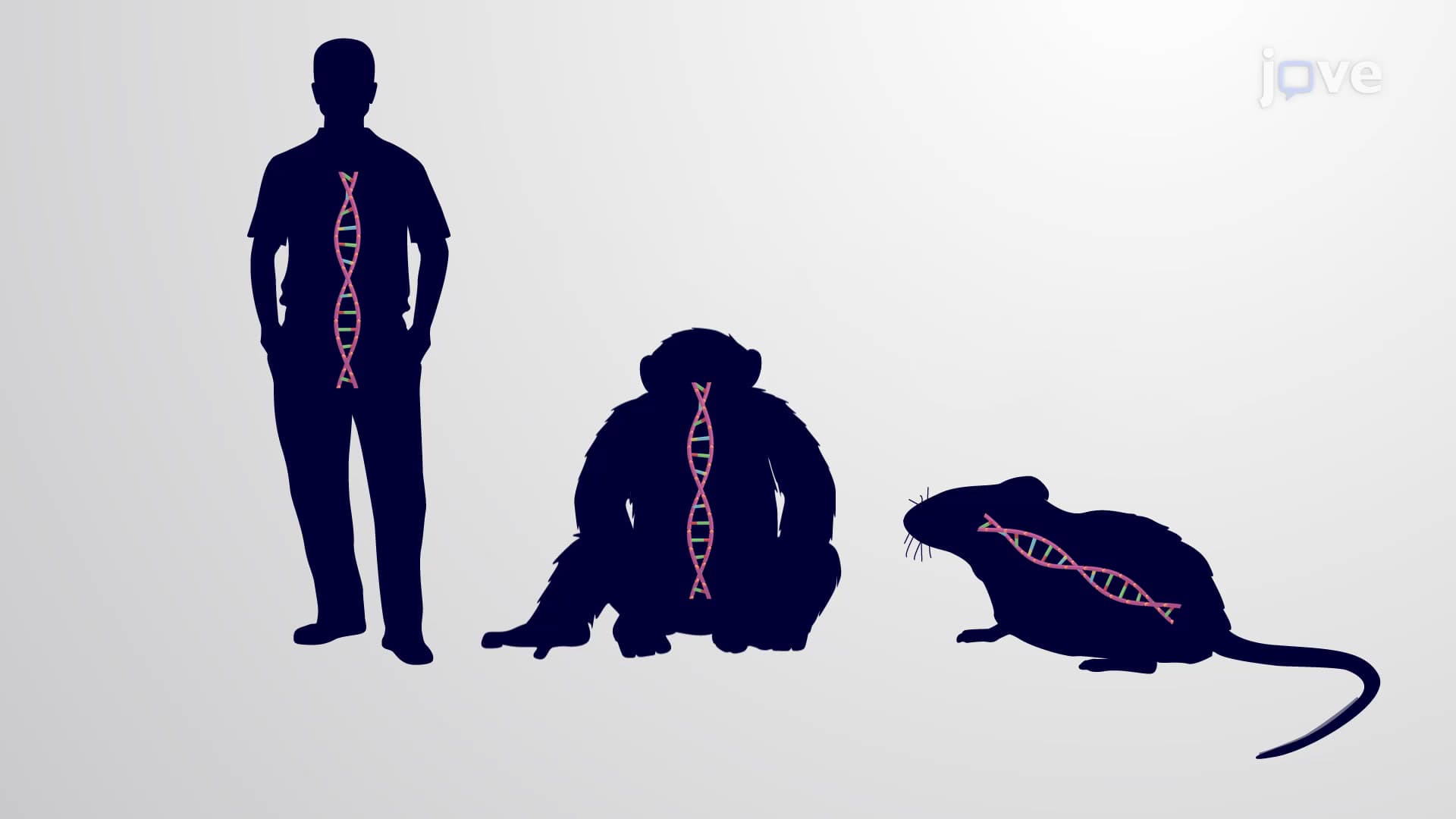
RNA interference represents one of biology's most elegant regulatory mechanisms, functioning like a cellular quality control system that can selectively "turn down the volume" on specific genes. This process occurs naturally in virtually all eukaryotic organisms, from plants to humans, serving as both a defense mechanism against foreign genetic material and a fine-tuning system for normal gene expression.
The discovery of RNAi emerged from unexpected observations in the 1990s when researchers studying gene function in the nematode C. elegans noticed that injecting double-stranded RNA could silence genes more effectively than single-stranded RNA. This phenomenon, initially termed "gene silencing," revealed a sophisticated cellular pathway that has since transformed our understanding of gene regulation.
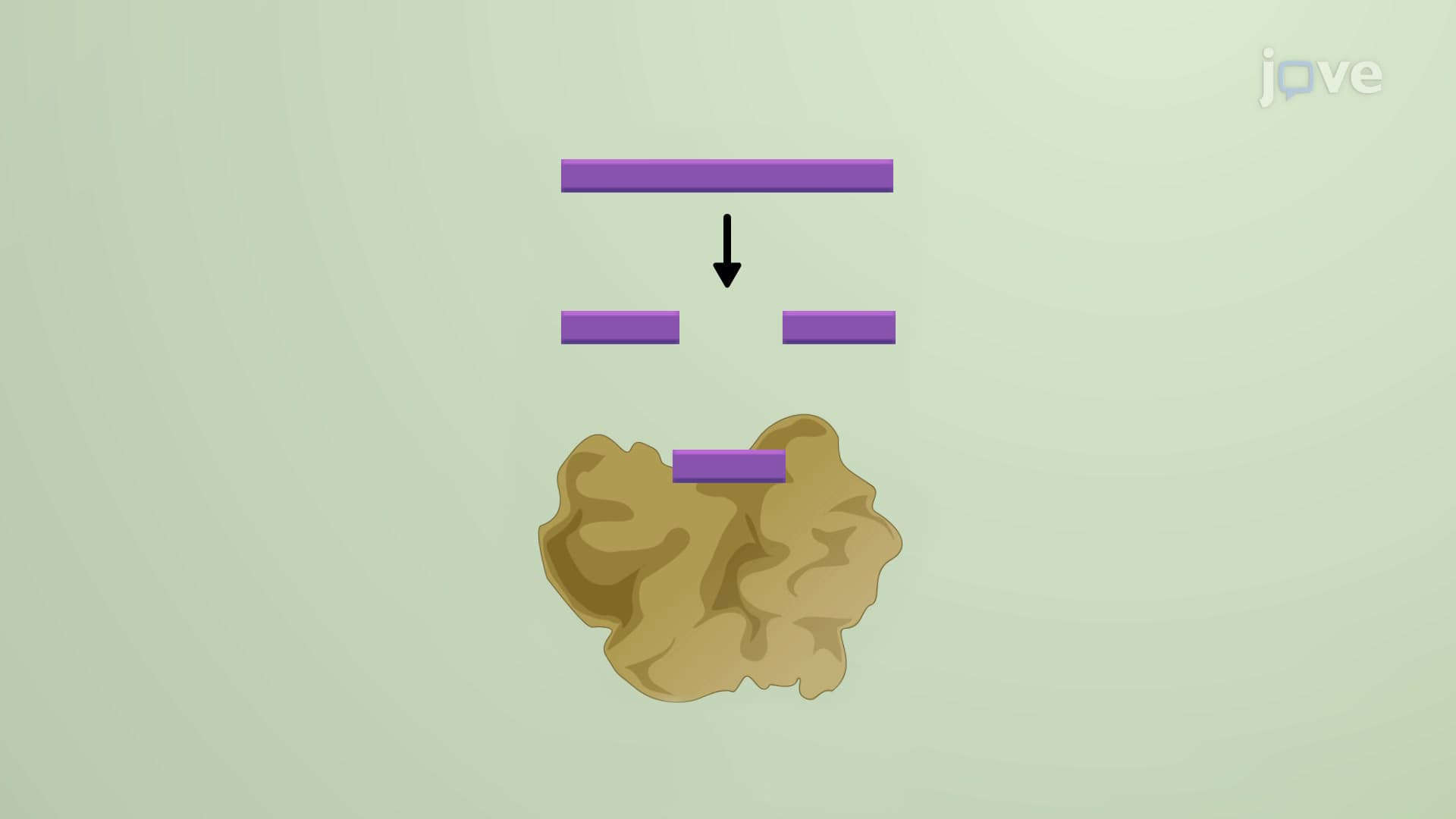
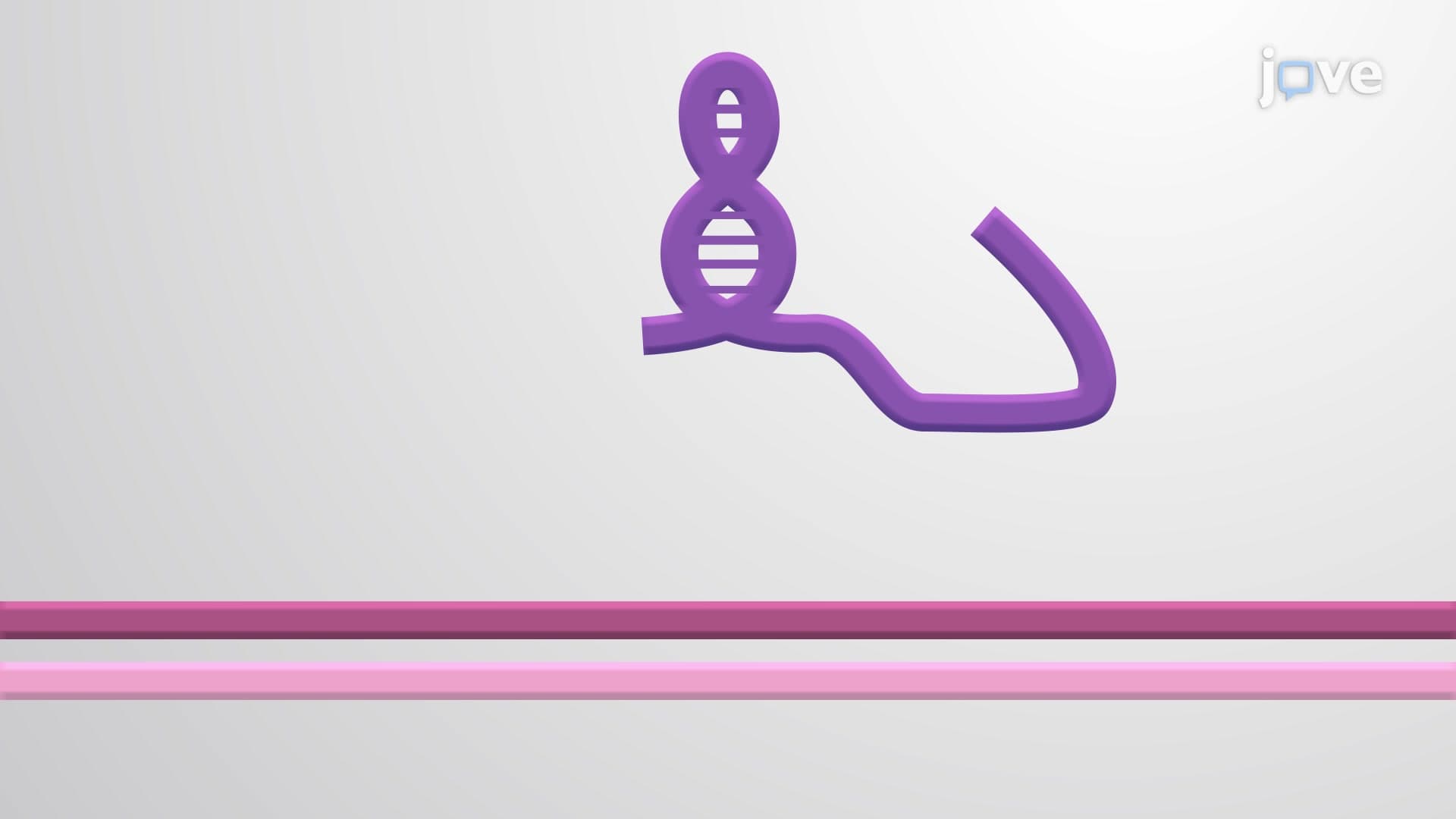
The RNAi pathway involves several critical molecular components working in concert. The process begins with long double-stranded RNA molecules that are processed by an enzyme called Dicer, which acts like molecular scissors to cut these precursors into smaller fragments of 20-25 nucleotides called small interfering RNAs (siRNAs) or microRNAs (miRNAs).
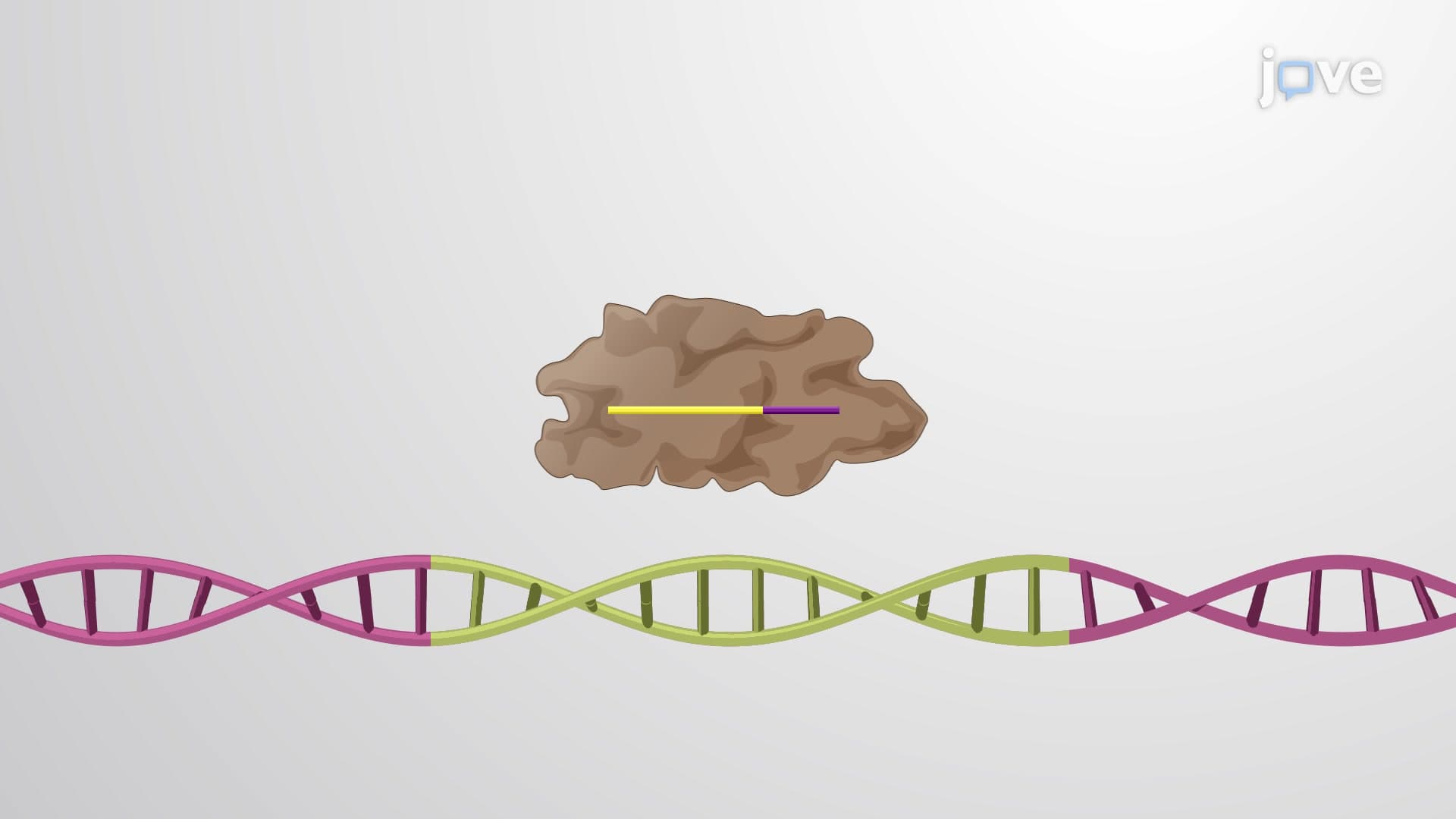
These small RNA molecules then associate with a protein complex called RISC (RNA-induced silencing complex), which contains Argonaute proteins as its catalytic core. The RISC complex uses one strand of the small RNA as a guide to find complementary messenger RNA (mRNA) sequences in the cell. When a match is found, RISC either cleaves the target mRNA or blocks its translation into protein, effectively silencing the gene.
RNA interference has profound implications for medicine and research in the US healthcare system. The FDA has approved several RNAi-based therapeutics, including patisiran (Onpattro) for treating hereditary transthyretin amyloidosis, demonstrating the clinical potential of this technology. Major pharmaceutical companies like Alnylam Pharmaceuticals in Cambridge, Massachusetts, have invested billions in developing RNAi therapeutics for conditions ranging from rare genetic diseases to cardiovascular disorders.
In academic research, RNAi has become an indispensable tool for functional genomics studies. Universities across the United States, from Stanford to Harvard, use RNAi technology to investigate gene function by creating "knockdown" models where specific genes are silenced. This approach helps researchers understand the roles of individual genes in development, disease, and cellular processes.
For students preparing for standardized exams, RNA interference frequently appears on the MCAT biology section, particularly in passages dealing with gene regulation and molecular biology. AP Biology students encounter RNAi in the context of gene expression control and biotechnology applications. College-level molecular biology and genetics courses often include detailed coverage of RNAi mechanisms, making this concept essential for pre-med and biology majors.
Understanding RNAi also provides insight into broader biological principles such as post-transcriptional regulation, cellular defense mechanisms, and the evolution of gene control systems. This knowledge forms a foundation for advanced topics in cell biology, immunology, and biotechnology that students will encounter in upper-level coursework.
Related Micro-courses