Loading subject page…


236,915 views

Video Summary: Proteins From Genes to Degradation Explained
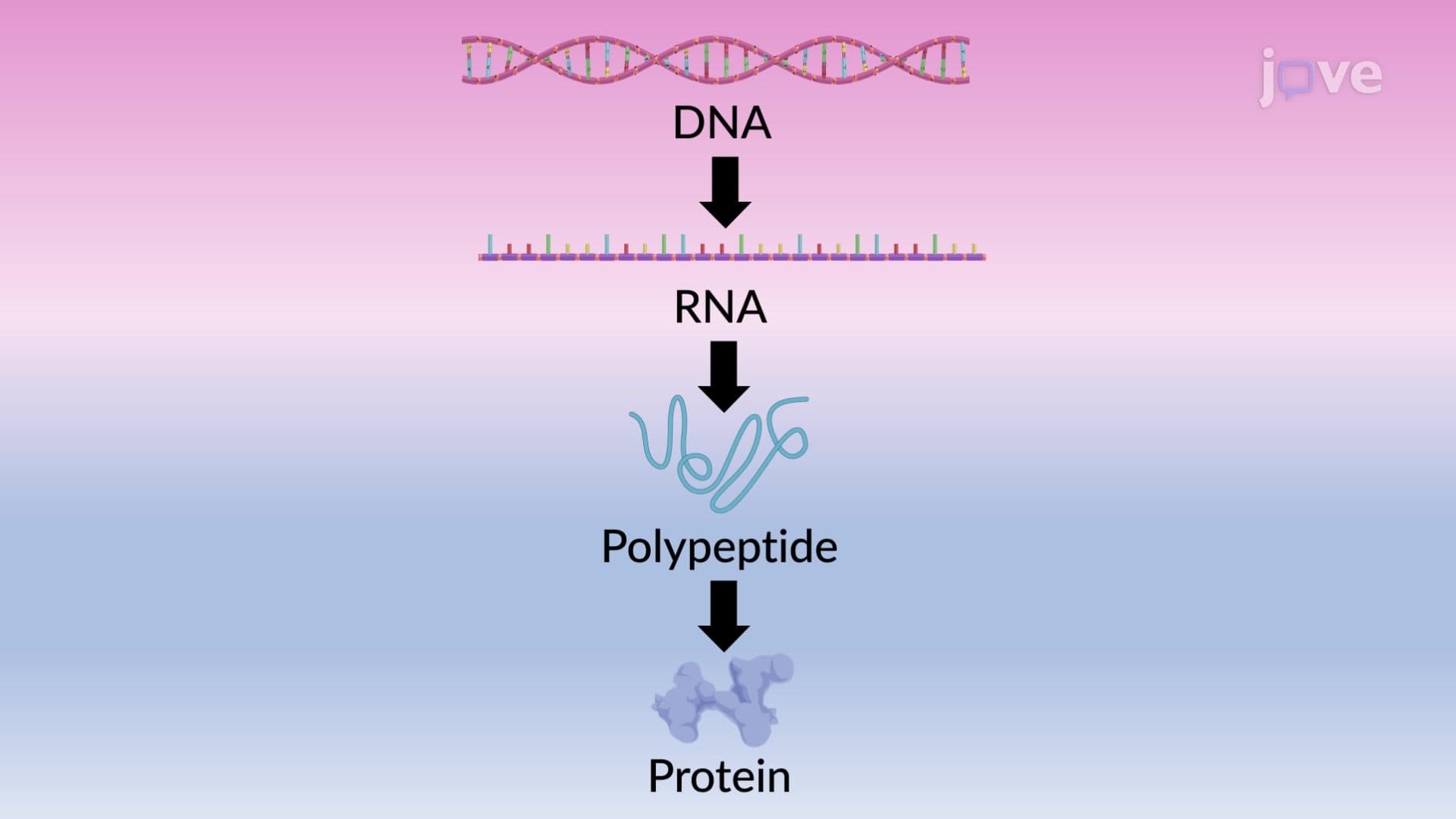
Did you know that human cells produce over 100,000 different proteins, yet our DNA contains only about 20,000 genes? The proteins from genes degradation process explains this remarkable feat through a sophisticated cellular assembly line. From transcription in the nucleus to translation at ribosomes, and finally to protein degradation via proteasomes, this system ensures cellular quality control-just like how pharmaceutical companies like Pfizer must maintain strict manufacturing standards for biologics. Watch the full video on JoVE Coach to master this concept with expert-led visuals and step-by-step explanations.
The journey from genetic information to functional proteins represents one of biology's most sophisticated quality-controlled processes. This proteins from genes degradation pathway ensures that cells produce the exact proteins they need while eliminating potentially harmful misfolded variants-a concept heavily tested on AP Biology exams and MCAT biochemistry sections.
The process begins in the nucleus, where RNA polymerase II acts like a molecular photocopier, transcribing specific gene sequences into pre-mRNA molecules. This initial transcript undergoes extensive processing-5' capping protects against degradation, 3' polyadenylation enhances stability, and splicing removes non-coding introns. Students preparing for college biochemistry courses should understand that alternative splicing allows one gene to produce multiple protein variants, explaining how human complexity emerges from a relatively small genome.
Quality control begins immediately: improperly processed pre-mRNAs are retained in the nucleus and degraded, preventing translation of defective transcripts. This nuclear surveillance mechanism prevents the wasteful production of abnormal proteins-a concept frequently appearing on USMLE Step 1 examinations.
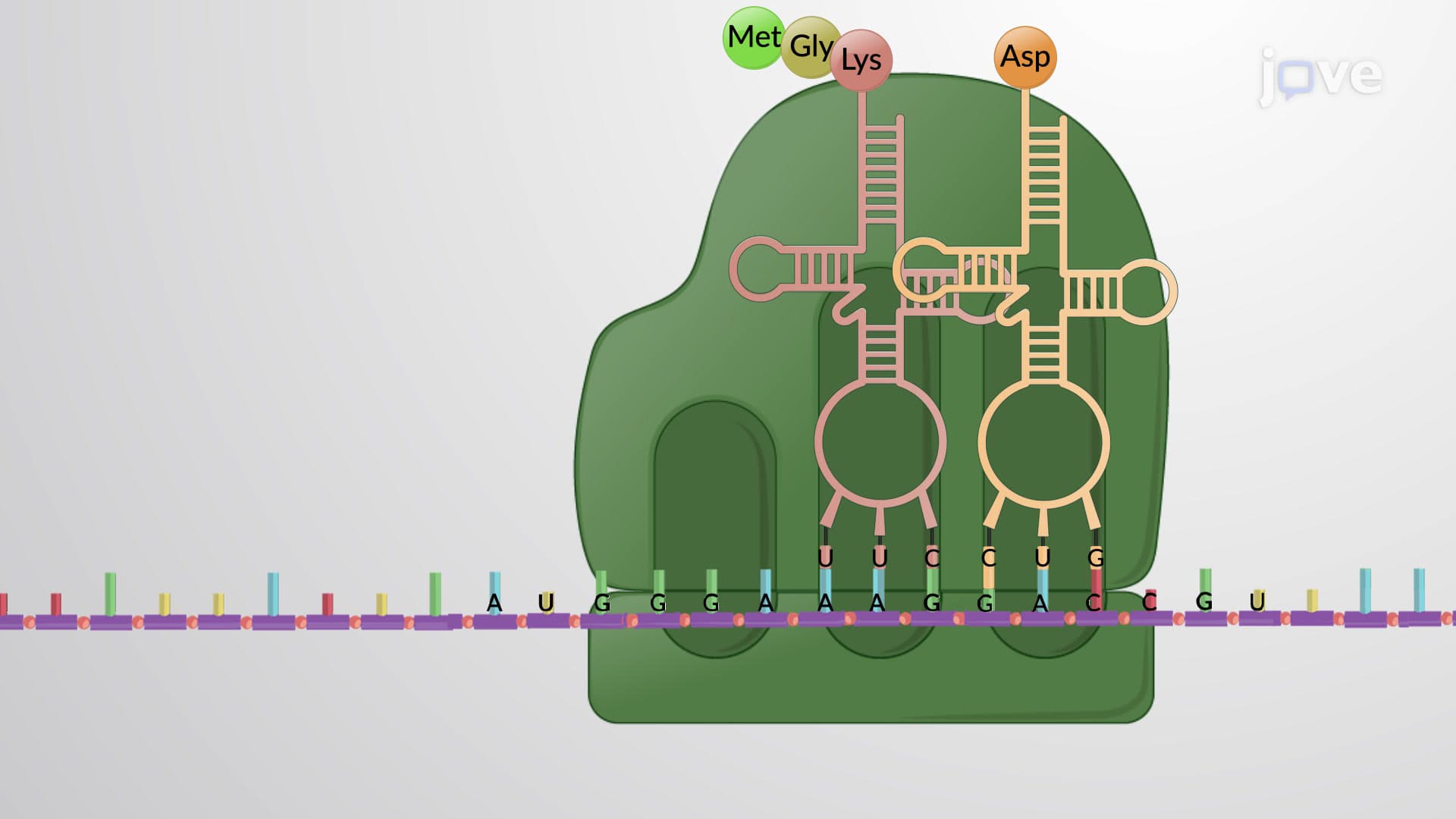
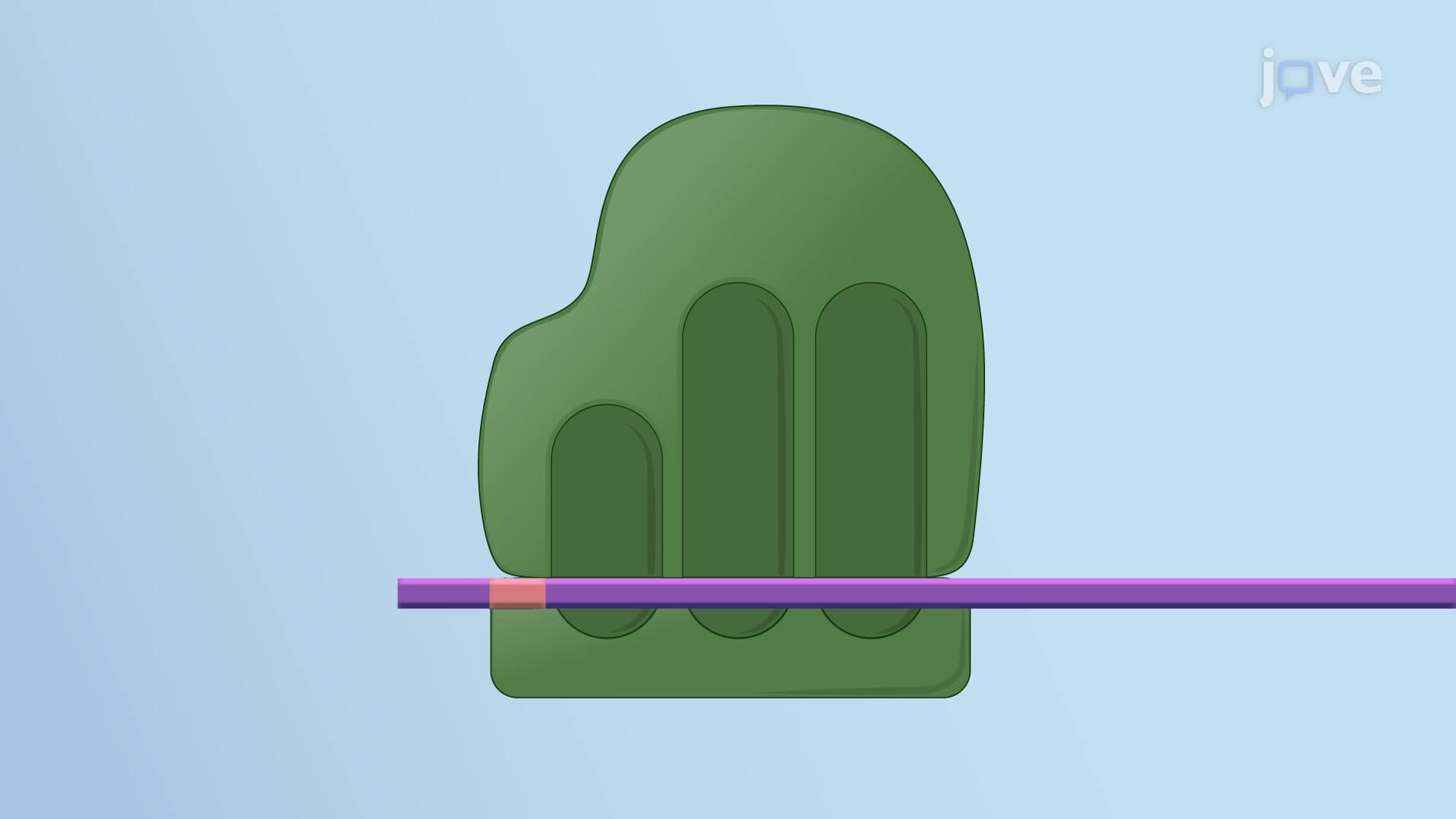
In the cytoplasm, ribosomes serve as protein factories, reading mRNA codons and recruiting appropriate tRNA molecules carrying specific amino acids. The genetic code's triplet nature means that 64 possible codons specify only 20 amino acids, providing built-in redundancy against point mutations. Students tackling SAT Subject Test Biology should memorize that the genetic code is universal-the same codons specify identical amino acids from bacteria to humans.
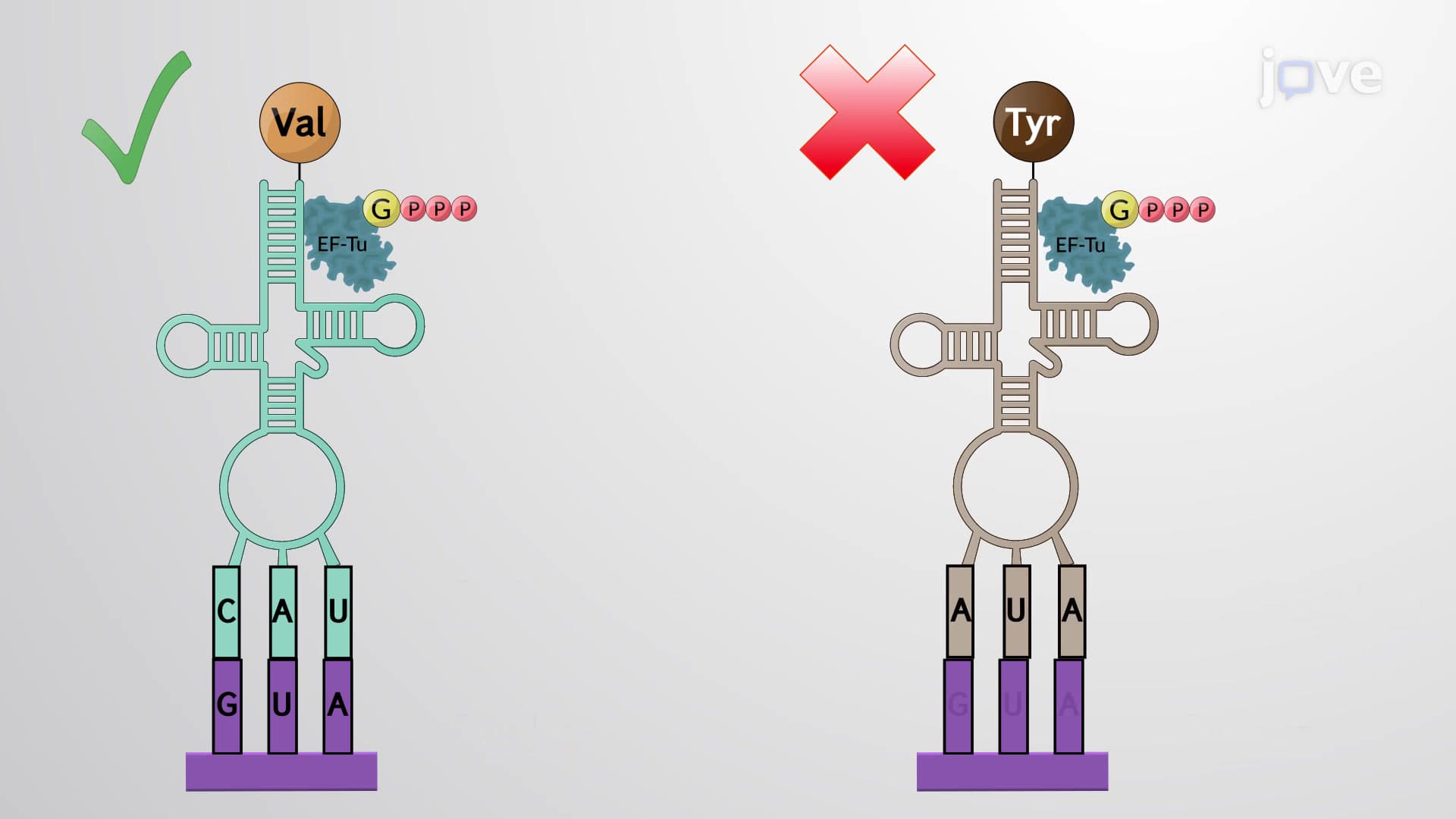
Transfer RNAs act as molecular adaptors, each carrying a specific amino acid and bearing an anticodon complementary to mRNA sequences. Ribosomal quality control mechanisms proofread each amino acid addition, reducing translation errors to approximately 1 in 10,000 additions.
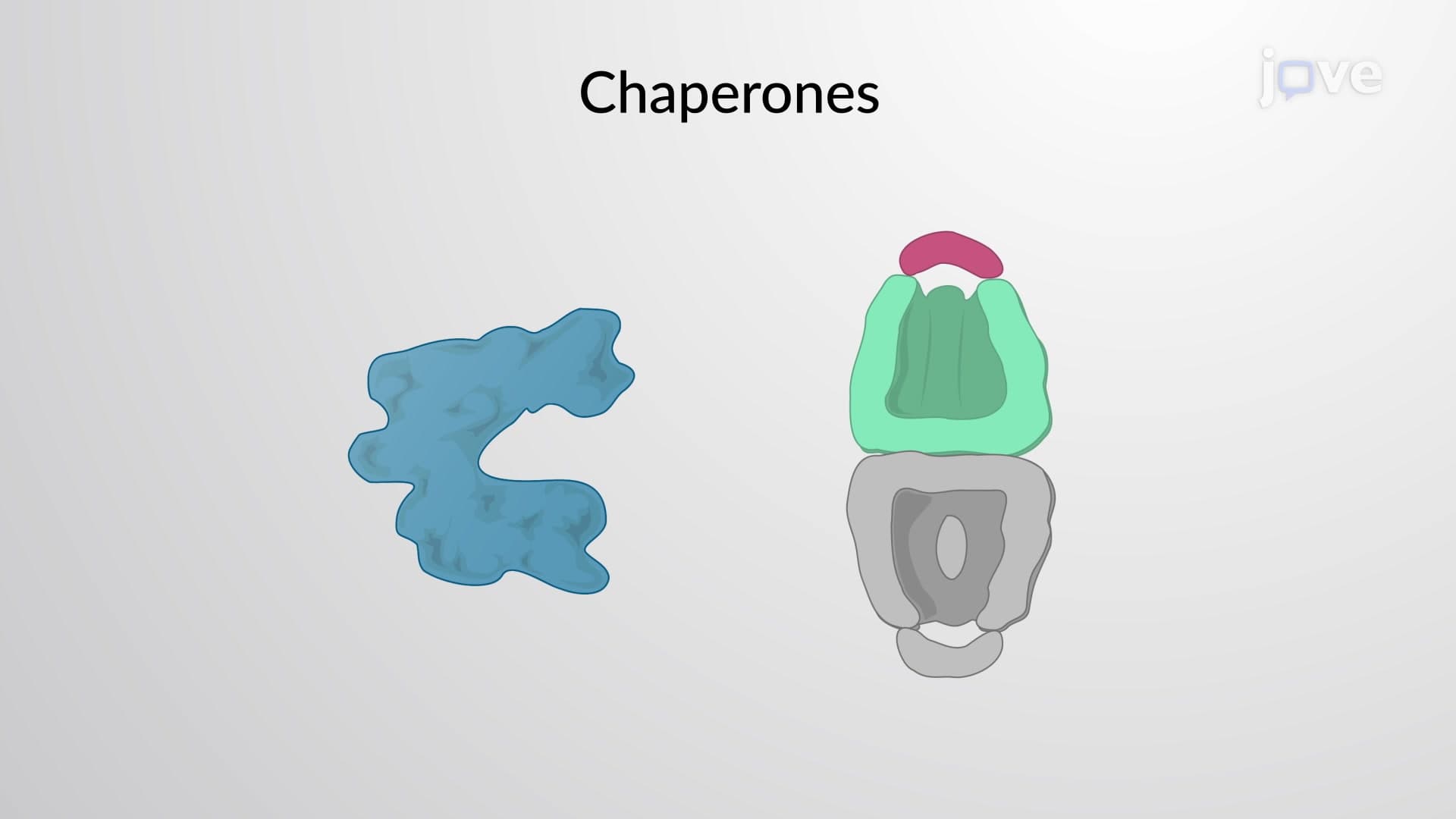
Newly synthesized polypeptide chains must fold into specific three-dimensional structures to become functional proteins. Molecular chaperones, including heat shock proteins, assist this process by providing protected folding environments and preventing aggregation. However, when proteins misfold-due to genetic mutations, cellular stress, or aging-they become tagged with ubiquitin molecules for destruction in proteasomes.
This ubiquitin-proteasome system functions like cellular recycling, breaking down damaged proteins into amino acids for reuse. Understanding this pathway is crucial for students pursuing pre-med tracks, as protein misfolding underlies numerous diseases including cystic fibrosis, sickle cell anemia, and neurodegenerative disorders.
Related Micro-courses