Loading subject page…


236,915 views

Video Summary: What Is Translation
Did you know that every protein in your body-from the insulin regulating your blood sugar to the collagen in your skin-is made through translation explained biology? This fundamental molecular process converts genetic instructions from messenger RNA into functional proteins through a precise three-stage mechanism. Consider how the FDA-approved COVID-19 mRNA vaccines rely on cellular translation machinery to produce spike proteins that train your immune system. What is translation involves ribosomes reading mRNA sequences and assembling amino acids into polypeptide chains through initiation, elongation, and termination phases. Watch the full video on JoVE Coach to master this concept with expert-led visuals and step-by-step explanations.
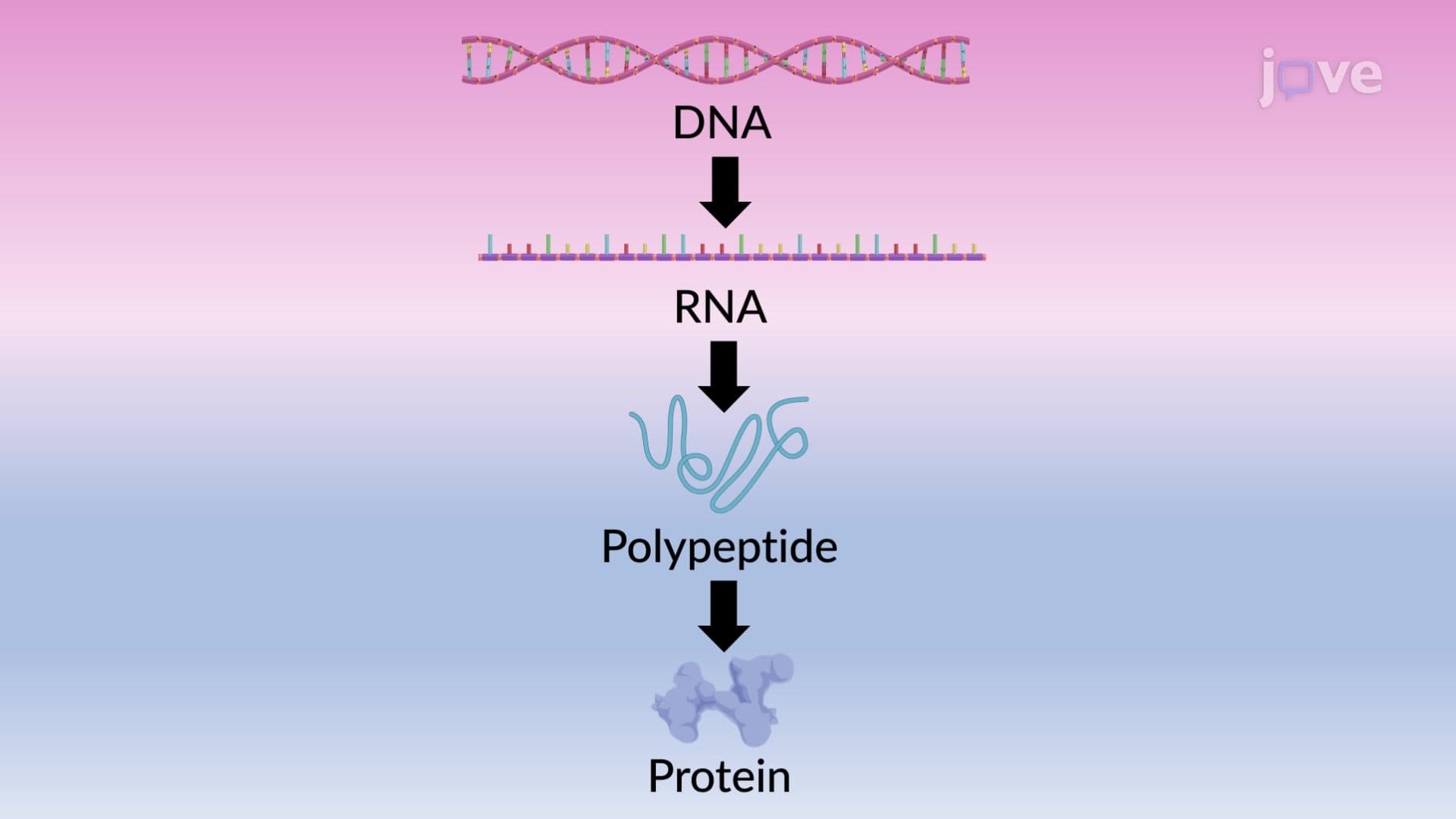
What is translation represents one of biology's most elegant molecular processes, where cells convert the four-letter nucleotide code of mRNA into the twenty-amino-acid language of proteins. This ribosome translation protein process occurs in all living cells, from the bacteria in your gut microbiome to the neurons processing this information in your brain. Unlike transcription, which copies DNA to RNA, translation bridges the gap between genetic information storage and functional protein production.
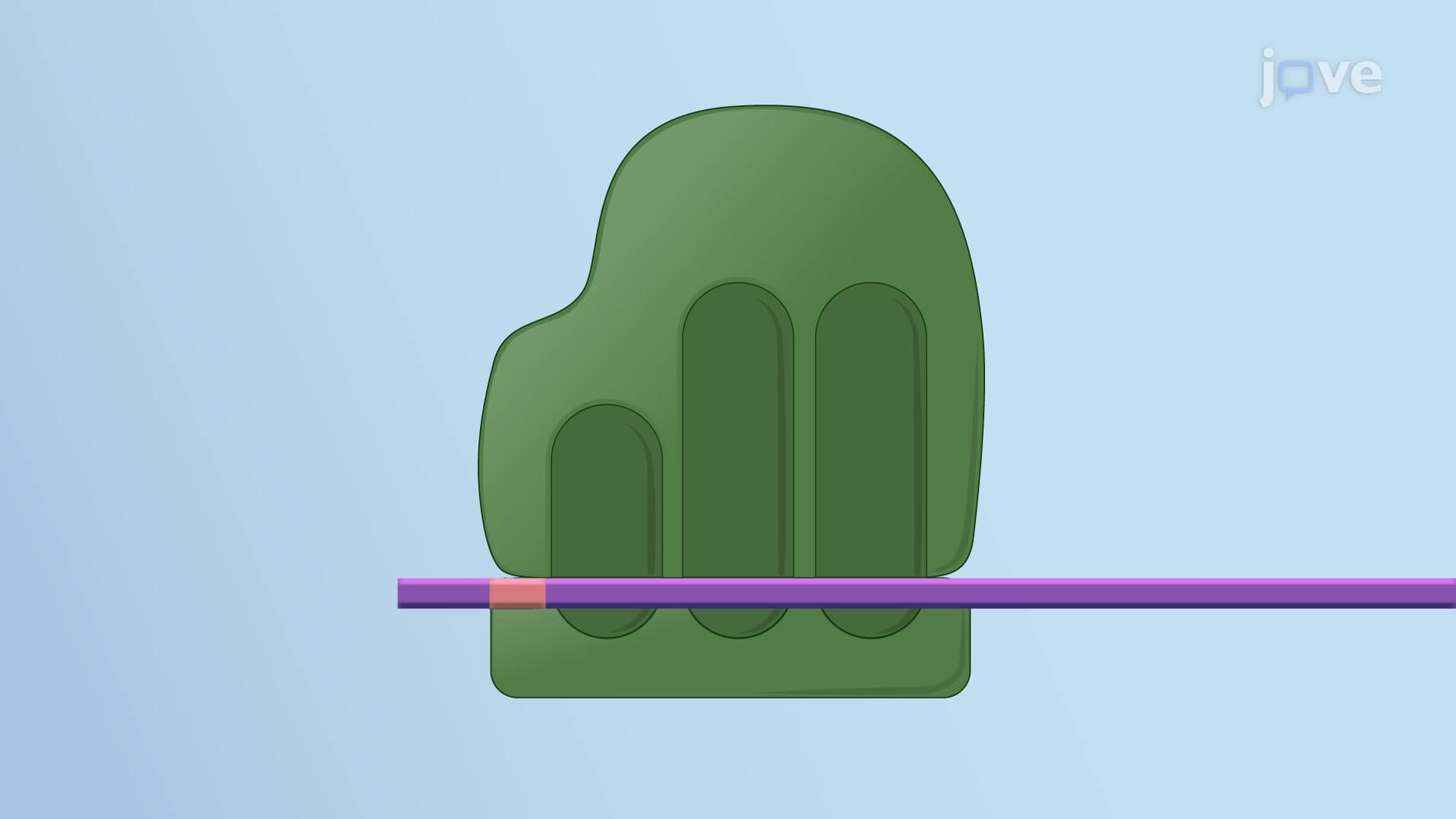
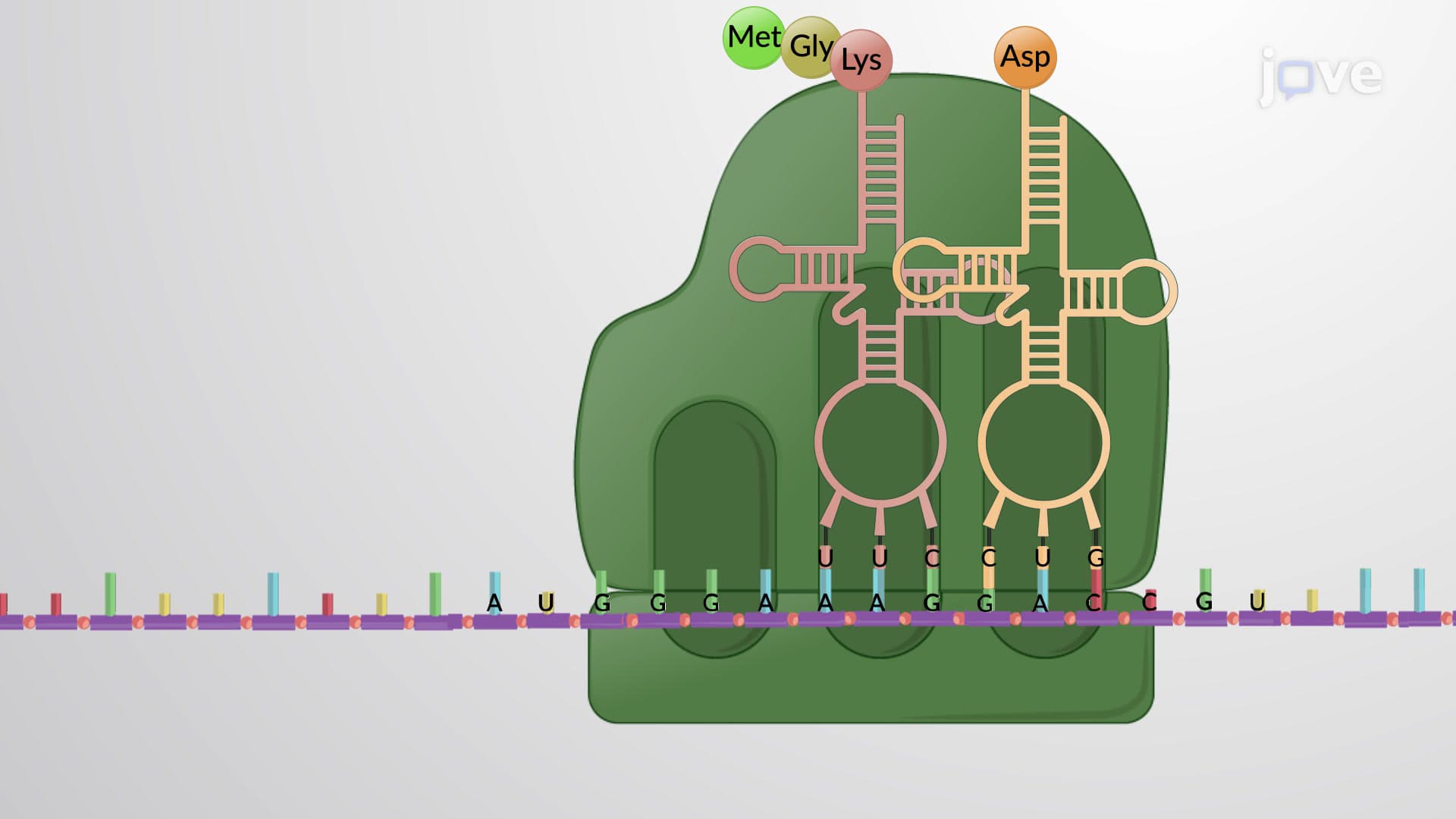
Protein synthesis translation biology unfolds through three carefully orchestrated phases. During initiation, ribosomal subunits assemble around the start codon (AUG) on mRNA, positioning the first tRNA carrying methionine. The elongation phase involves repetitive cycles where aminoacyl-tRNAs enter the ribosome, form peptide bonds, and translocate to extend the growing protein chain. Translation initiation elongation requires multiple protein factors and GTP hydrolysis to ensure fidelity. Termination occurs when ribosomes encounter stop codons (UAA, UAG, UGA), releasing the completed polypeptide through release factors.
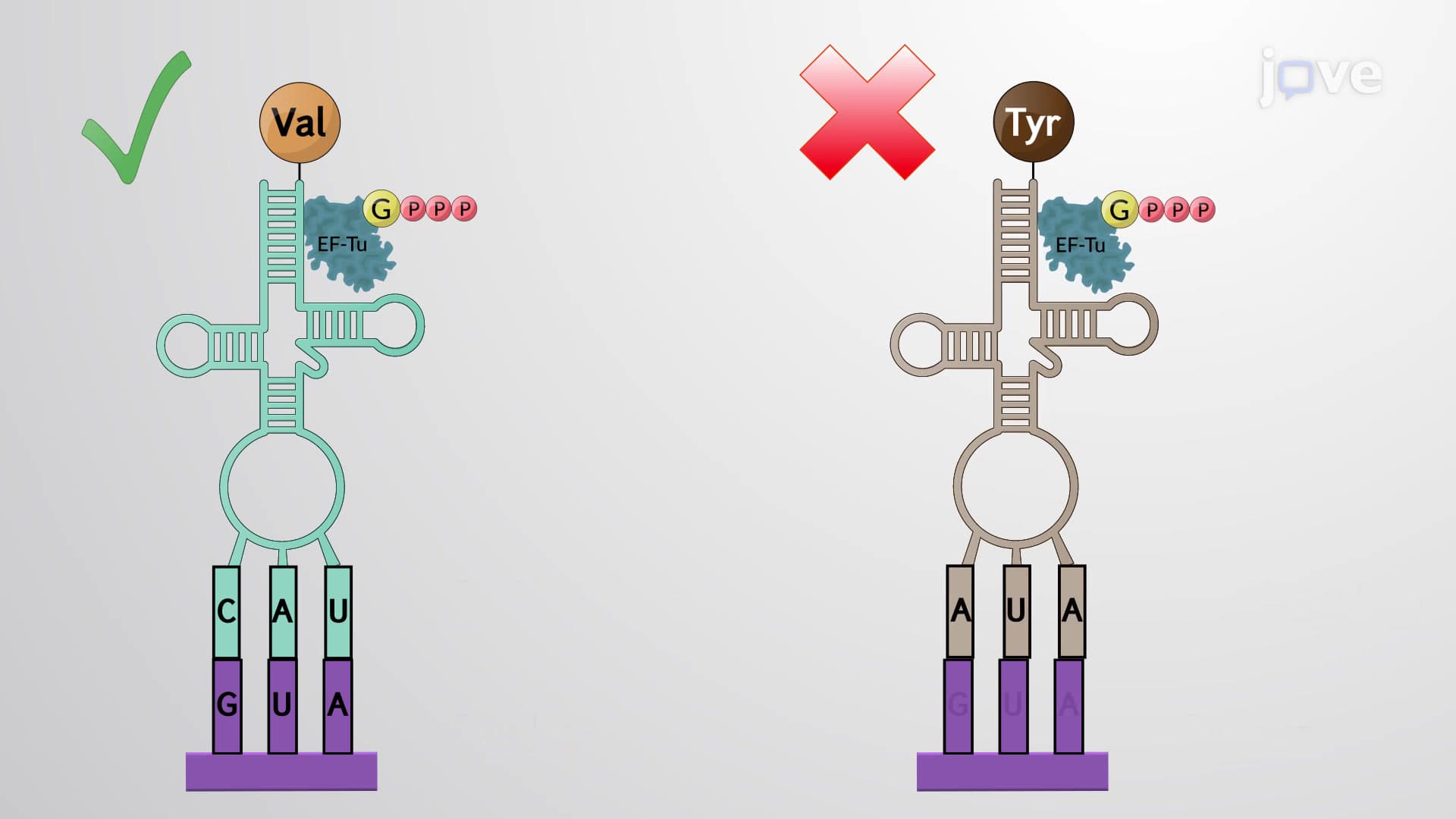
The precision of codon anticodon translation depends on Watson-Crick base pairing between mRNA codons and tRNA anticodons. This recognition system allows cells to maintain translation accuracy rates exceeding 99.9%. Aminoacyl-tRNA synthetases, often called the "second genetic code," ensure correct amino acid attachment to their corresponding tRNAs. Proofreading mechanisms at multiple steps prevent incorporation of incorrect amino acids, which could produce nonfunctional or harmful proteins.
Understanding amino acid incorporation translation proves essential for advanced coursework and standardized exams. AP Biology students encounter translation in Unit 6 (Gene Expression), while pre-med students face detailed questions on the MCAT Biological Sciences section. The mRNA translation process also explains how genetic mutations cause diseases-nonsense mutations creating premature stop codons lead to truncated proteins in conditions like Duchenne muscular dystrophy, while pharmaceutical companies exploit translation machinery to develop protein-based therapeutics through engineered expression systems.
Related Micro-courses