Loading subject page…


236,915 views

Video Summary: What are Ribosomes
Ever wonder how your body produces the 20,000+ different proteins needed to keep you alive? Ribosomes explained biology reveals these cellular factories as the master translators converting genetic instructions into functional proteins. From insulin production in pancreatic cells to muscle protein synthesis after exercise, ribosomes drive every protein-making process in your body. Understanding what are ribosomes unlocks the fundamental mechanism behind life itself. Watch the full video on JoVE Coach to master this concept with expert-led visuals and step-by-step explanations.
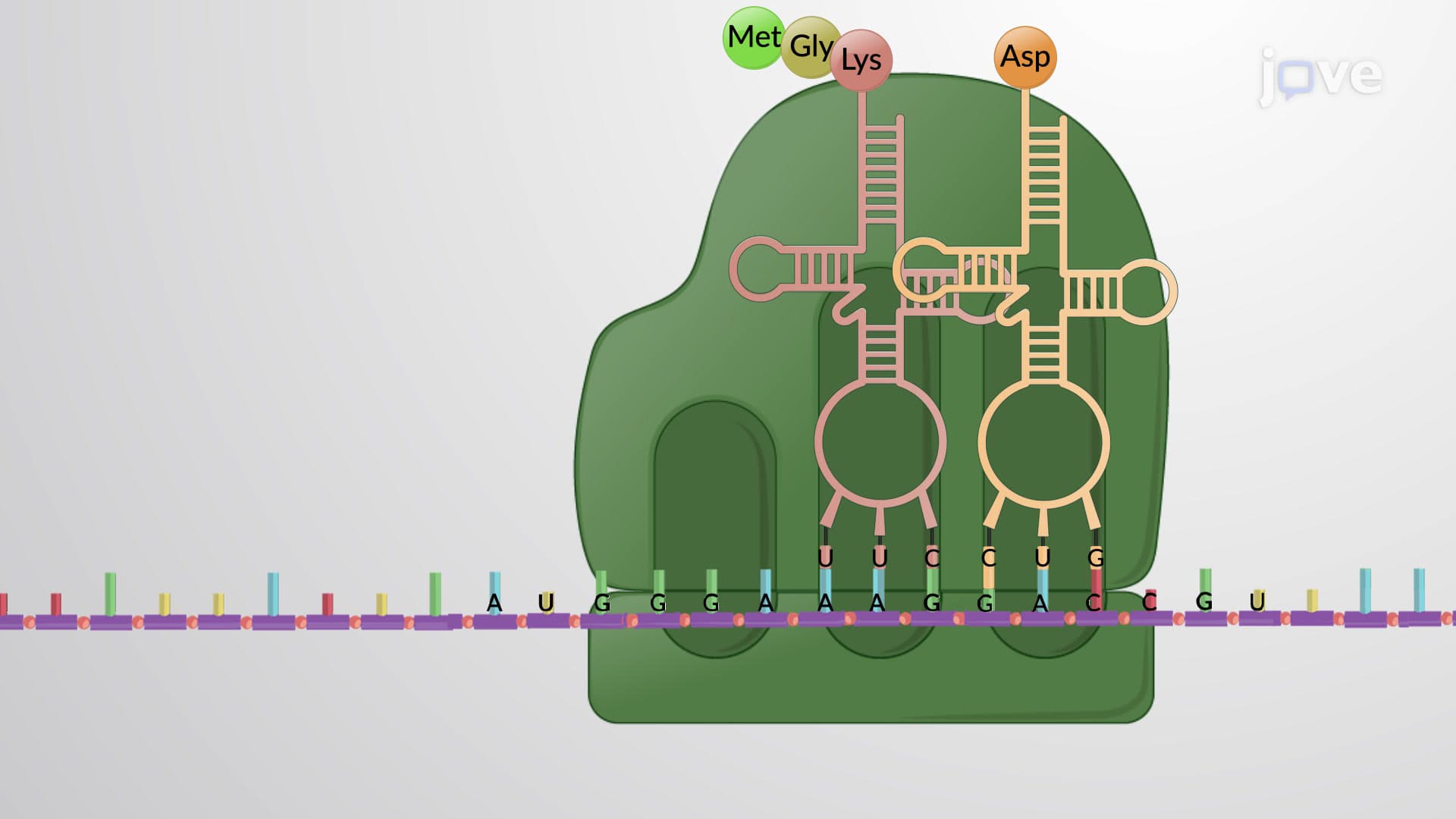
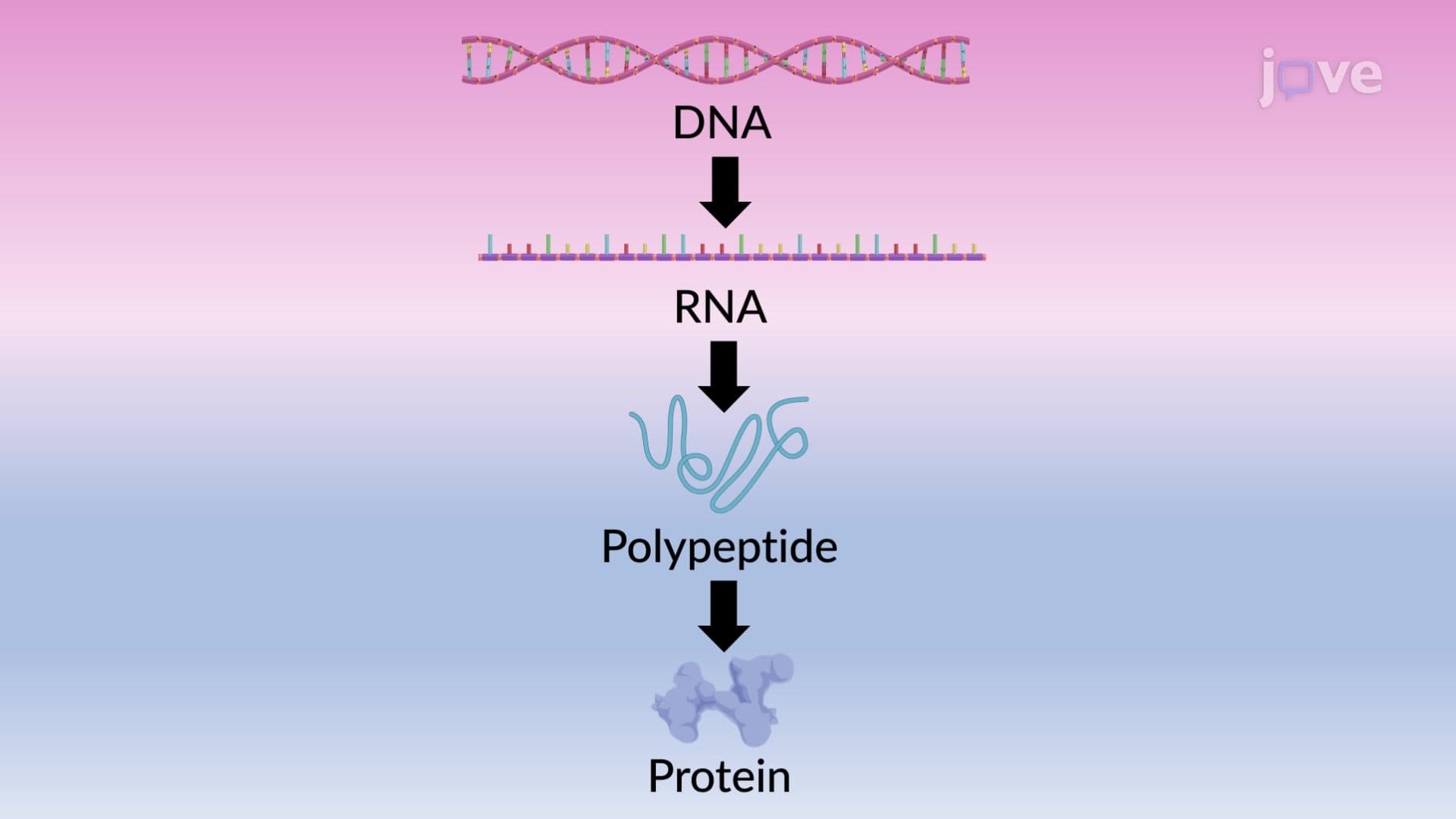
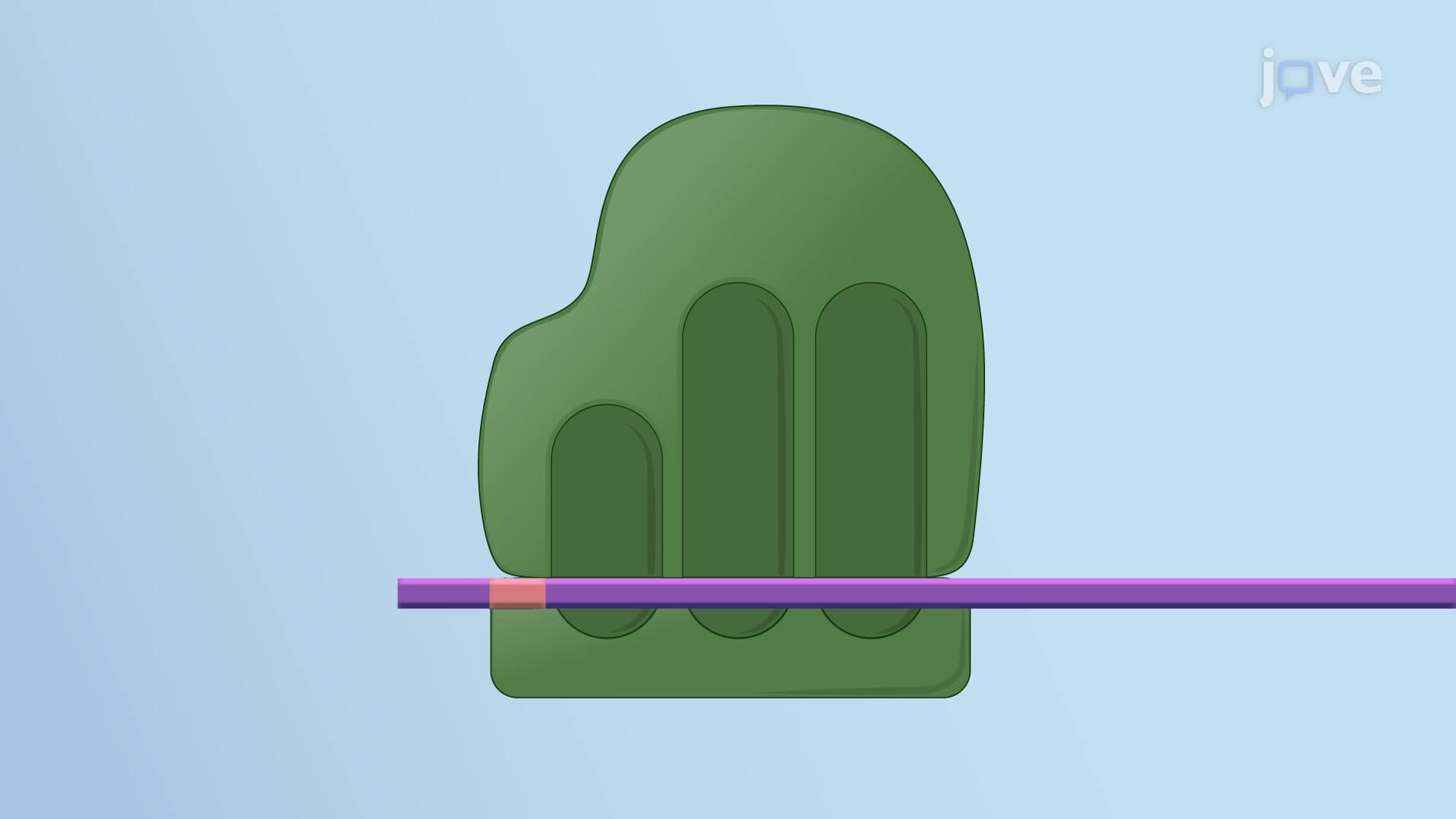
Ribosomes explained biology begins with understanding these remarkable molecular machines as the universal protein synthesizers found in every living cell. Composed of ribosomal RNA (rRNA) and proteins, ribosomes translate the genetic code stored in messenger RNA (mRNA) into functional proteins through a process called translation. This ribosome protein synthesis mechanism represents one of biology's most conserved and essential processes.
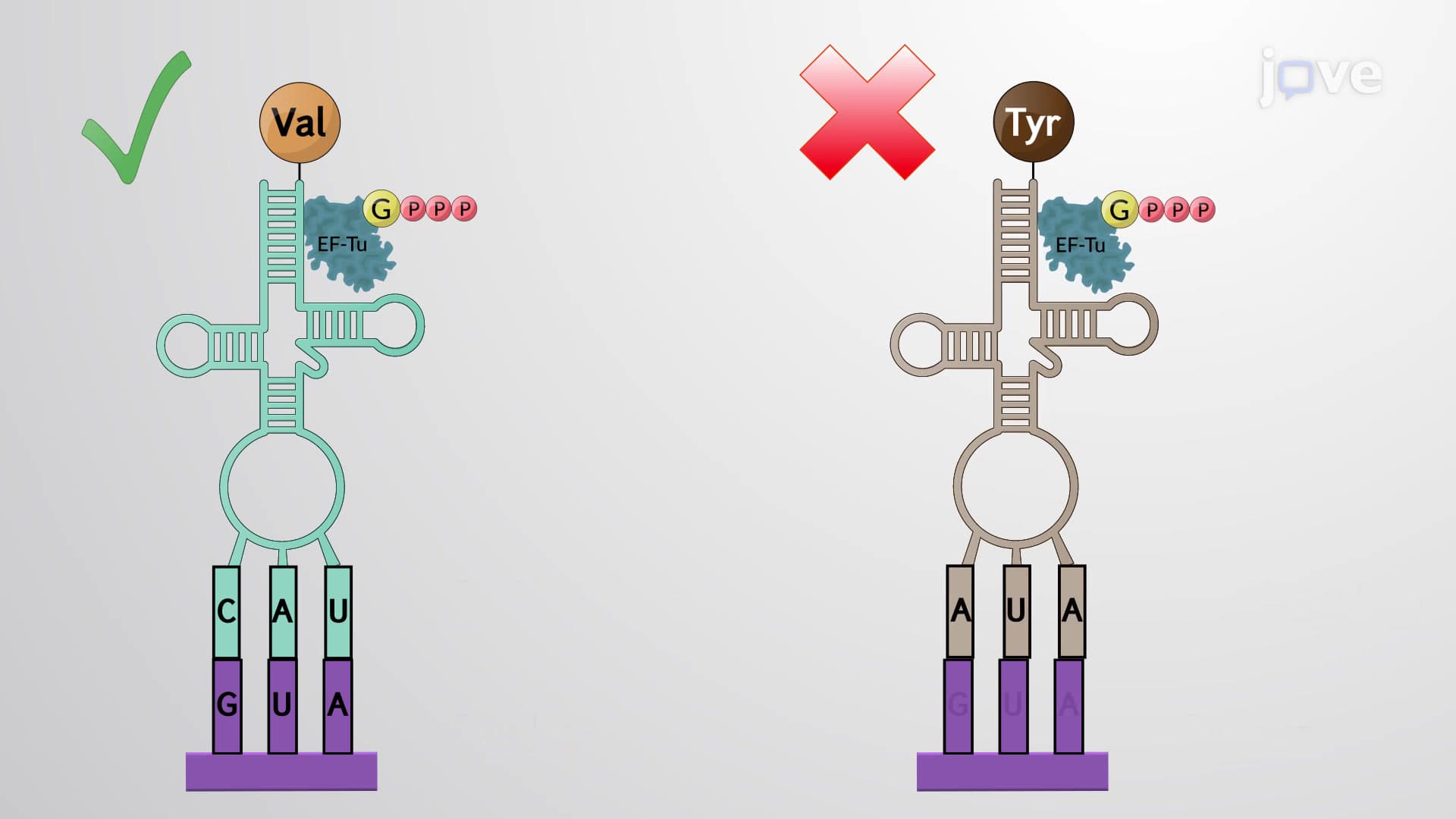
The ribosome function protein synthesis depends on its two-subunit architecture. In eukaryotes, the 80S ribosome consists of a large 60S subunit and small 40S subunit, while prokaryotes contain 70S ribosomes with 50S and 30S subunits. The small subunit reads mRNA codons and ensures accurate amino acid selection, while the large subunit catalyzes peptide bond formation. Students preparing for the MCAT or AP Biology exam should remember that the "S" designation refers to Svedberg units, measuring sedimentation rate during centrifugation.
What are ribosomes and their function in cells extends beyond simple protein synthesis to include strategic cellular positioning. Free ribosomes floating in cytoplasm synthesize proteins for intracellular use, such as enzymes and structural proteins. Conversely, rough ER ribosomes attached to endoplasmic reticulum membranes produce proteins destined for secretion, membrane insertion, or organelle targeting. This distinction proves crucial for understanding diseases like cystic fibrosis, where CFTR protein misfolding occurs at ER-bound ribosomes.
Understanding ribosomal RNA rRNA structure enables antibiotic development targeting bacterial ribosomes while sparing human cells. Streptomycin and chloramphenicol exemplify antibiotics exploiting differences between prokaryotic and eukaryotic ribosomes. At institutions like Johns Hopkins and MIT, researchers study ribosome biogenesis to develop cancer treatments, since rapidly dividing tumor cells require increased protein synthesis. The translation ribosome function also plays roles in genetic diseases, where mutations affect ribosomal proteins or assembly factors, leading to ribosomopathies affecting growth and development.
Related Micro-courses