Loading subject page…


236,914 views

Video Summary: What Is Improving Translational Accuracy
Every minute, your cells produce thousands of proteins with remarkable precision-but what prevents catastrophic errors during this lightning-fast process? Improving translational accuracy involves sophisticated cellular mechanisms that ensure proteins are built correctly during translation. Consider how pharmaceutical companies like Pfizer rely on understanding these quality control systems when developing protein-based medications that must maintain perfect structural integrity. This process combines multiple checkpoints, specialized elongation factors, and proofreading mechanisms to maintain fidelity during protein synthesis. Watch the full video on JoVE Coach to master this concept with expert-led visuals and step-by-step explanations.
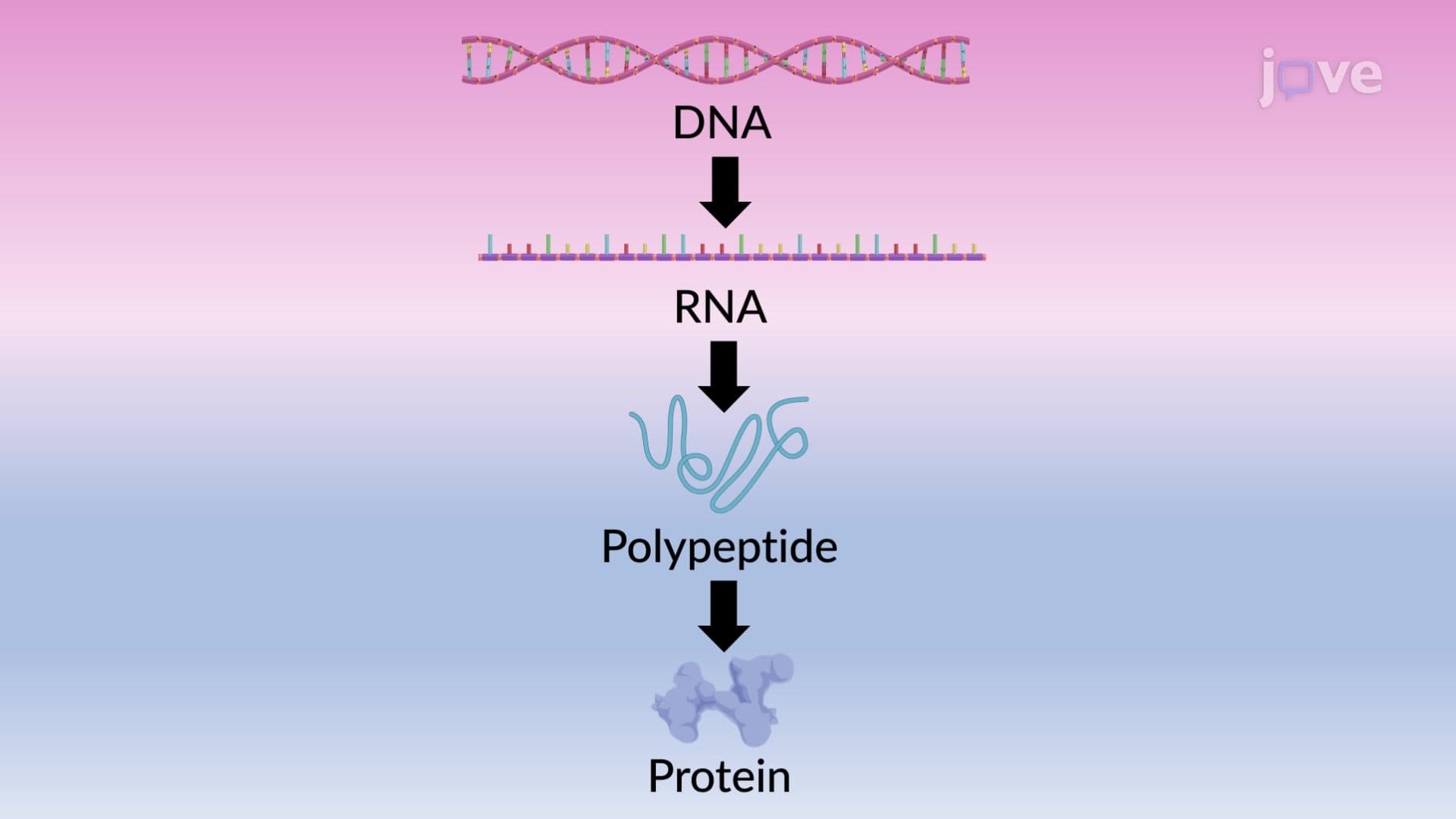
Improving translational accuracy represents one of biology's most sophisticated quality control systems, ensuring that genetic information flows correctly from mRNA to functional proteins. This process is critical because even small errors in protein synthesis can have devastating consequences-imagine if insulin produced by pharmaceutical companies contained even one wrong amino acid, potentially rendering life-saving medication ineffective or harmful.
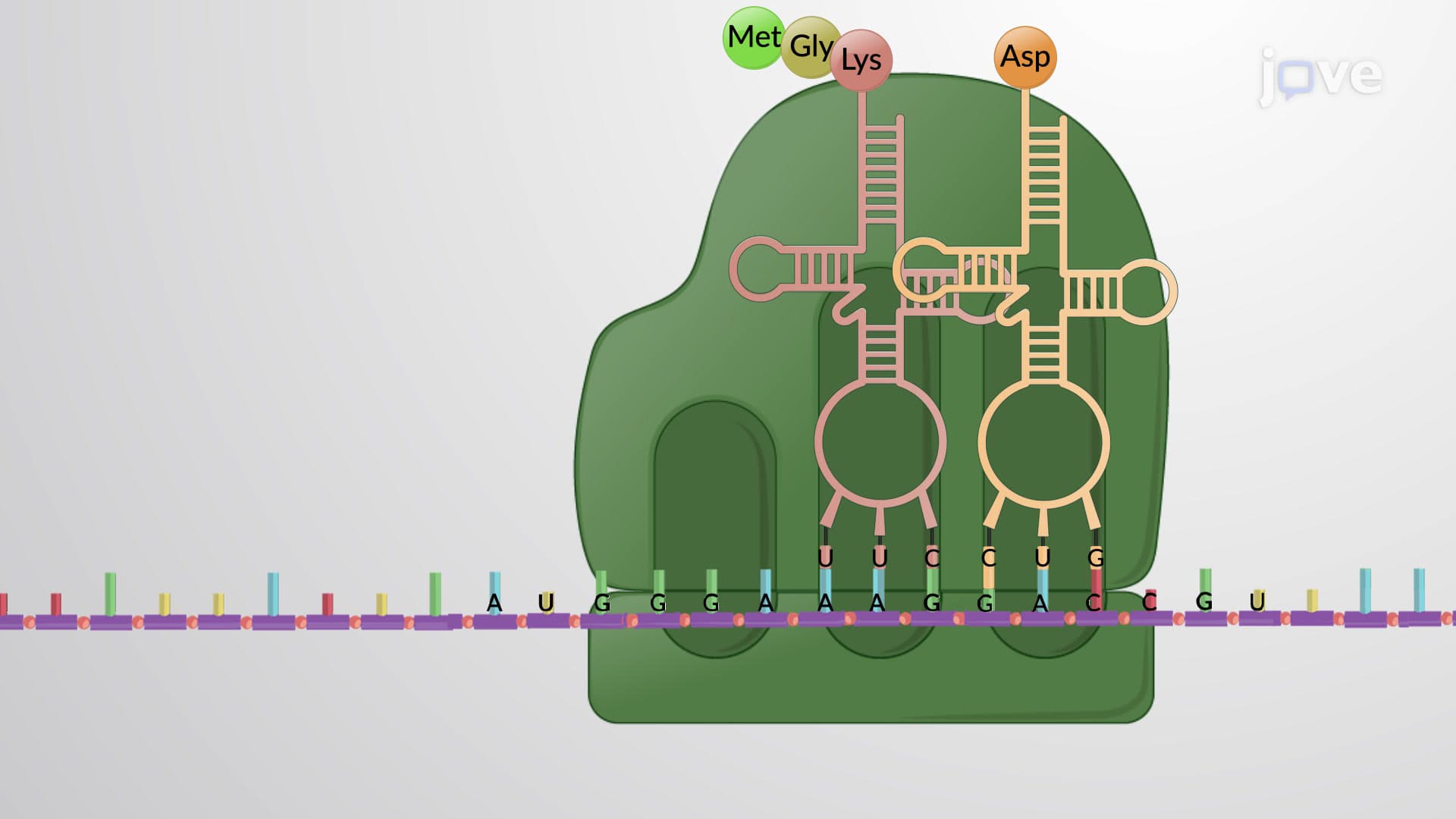
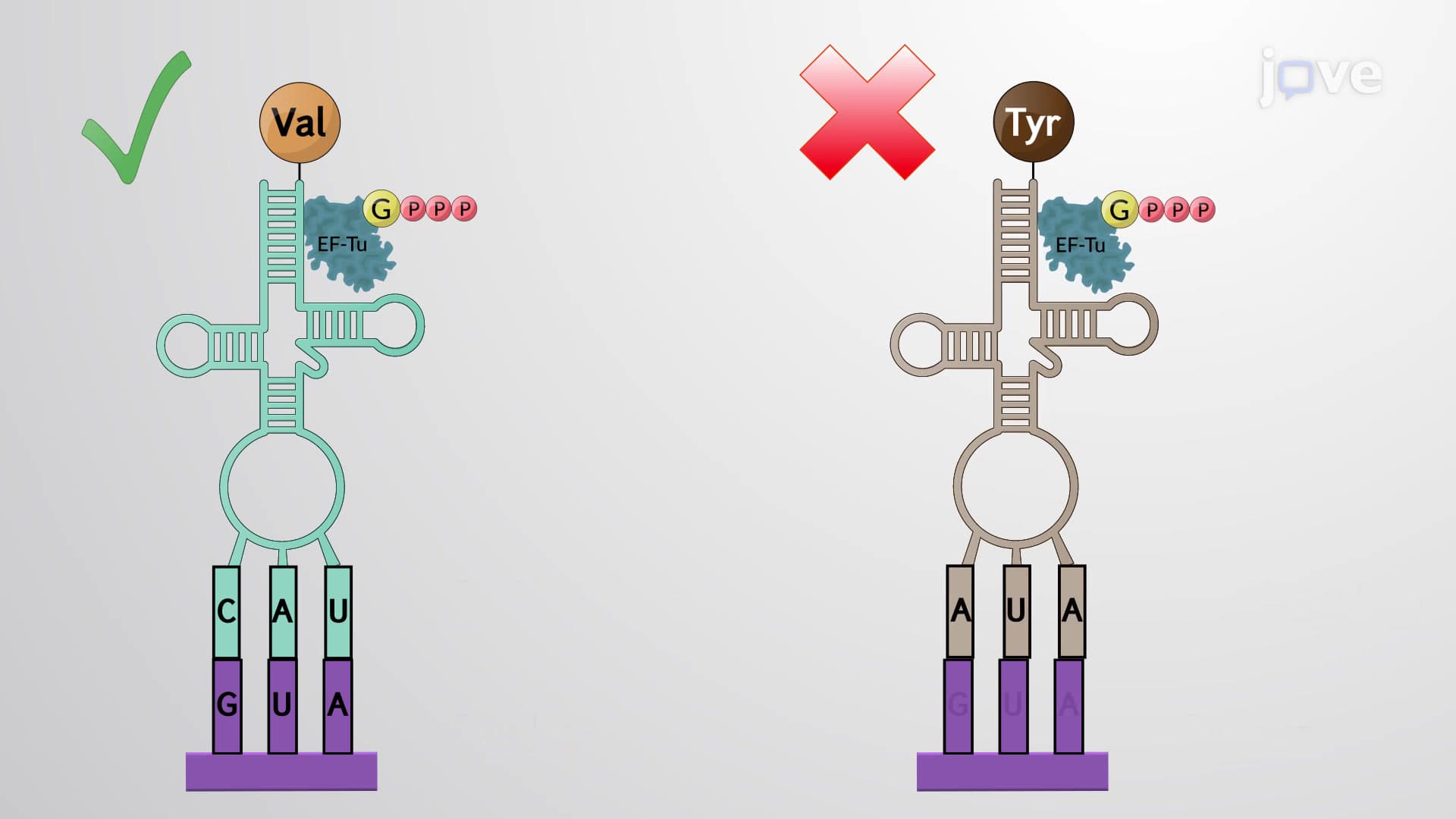
The cellular machinery employs a remarkable two-stage verification process that rivals the most advanced manufacturing quality control systems. During the first checkpoint, incoming aminoacyl-tRNA molecules must demonstrate perfect complementary base pairing with the mRNA codon at the ribosomal A site. This initial screening eliminates most incorrect tRNAs through weak binding affinity-incorrect matches simply cannot maintain stable association with the ribosome.
The second checkpoint involves an intricate molecular inspection where the 16S ribosomal RNA forms a precise network of contacts around the codon-anticodon duplex. This process resembles a molecular lock-and-key mechanism, where only perfectly matched pairs trigger the conformational changes necessary for translation to proceed. Students preparing for the MCAT or AP Biology exams should understand that this induced fit mechanism is similar to enzyme-substrate interactions but operates with even higher specificity requirements.
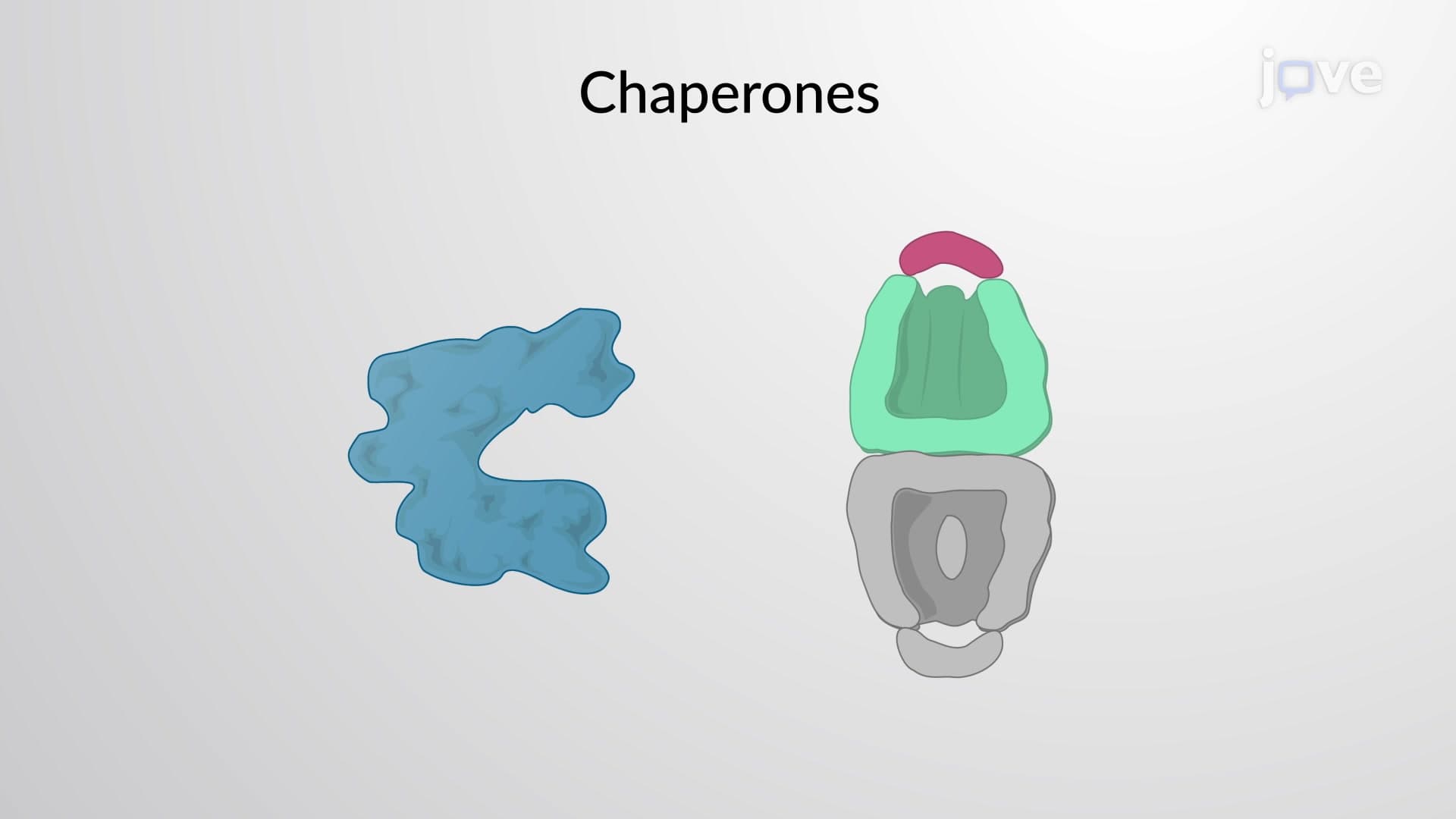
Elongation factors serve as molecular chaperones that escort aminoacyl-tRNAs through the translation process. In bacteria, EF-Tu associates with GTP and aminoacyl-tRNA to form a delivery complex, while eukaryotes use EF1 for similar functions. These factors don't simply transport tRNAs-they actively participate in quality control by requiring successful proofreading before releasing their cargo.
When the correct tRNA passes both checkpoints, the resulting conformational change triggers GTP hydrolysis by EF-Tu, releasing the aminoacyl-tRNA for peptide bond formation. This energy-dependent process ensures that only verified tRNAs contribute to protein synthesis, making translation accuracy a metabolically expensive but essential cellular investment.
Despite these sophisticated mechanisms, occasional errors still occur, creating a cascade effect that the cell must address. When a mismatched tRNA escapes proofreading and incorporates an incorrect amino acid, it increases error rates in subsequent translation cycles-similar to how one manufacturing defect can compromise an entire assembly line. The cell responds by prematurely terminating these flawed proteins through release factors, followed by rapid degradation of the defective products.
This error management system explains why cells invest so heavily in translation accuracy mechanisms, as the cost of prevention far outweighs the metabolic burden of producing and destroying faulty proteins.
Related Micro-courses