Loading video…


 11 Concepts
 236.9K views

Video Summary: What Is Nonsense Mediated Mrna Decay
Did you know that your cells have a built-in quality control system that destroys faulty genetic instructions before they can cause harm? Nonsense mediated mRNA decay acts like a molecular proofreader, scanning newly made mRNA molecules for errors that could lead to defective proteins. This cellular surveillance mechanism is particularly crucial in preventing genetic disorders like Duchenne muscular dystrophy, where faulty mRNA could produce harmful truncated proteins. Watch the full video on JoVE Coach to master this concept with expert-led visuals and step-by-step explanations.
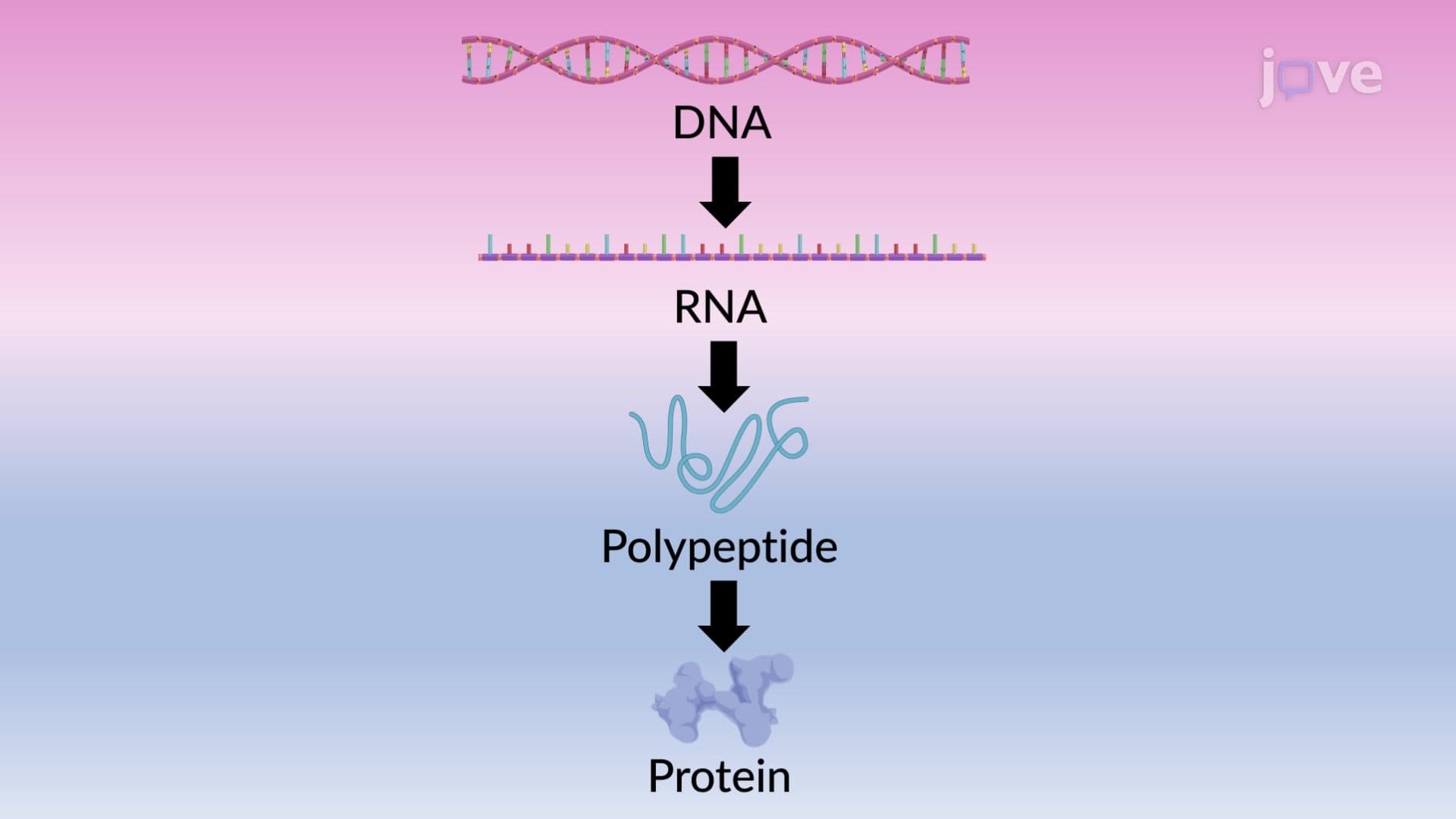
Nonsense mediated mRNA decay represents one of the most sophisticated quality control mechanisms in molecular biology. This pathway ensures that cells don't waste energy producing defective proteins that could potentially harm cellular function. The system operates during the critical transition phase when mRNA molecules move from the nucleus to the cytoplasm, where protein synthesis occurs.
The NMD pathway relies on several key molecular players working in concert. Exon junction complexes (EJCs) serve as molecular bookmarks, deposited approximately 20-24 nucleotides upstream of each exon-exon junction during pre-mRNA splicing. These protein complexes remain bound to the mRNA as it exits the nucleus, creating a roadmap that ribosomes use during the pioneer round of translation.
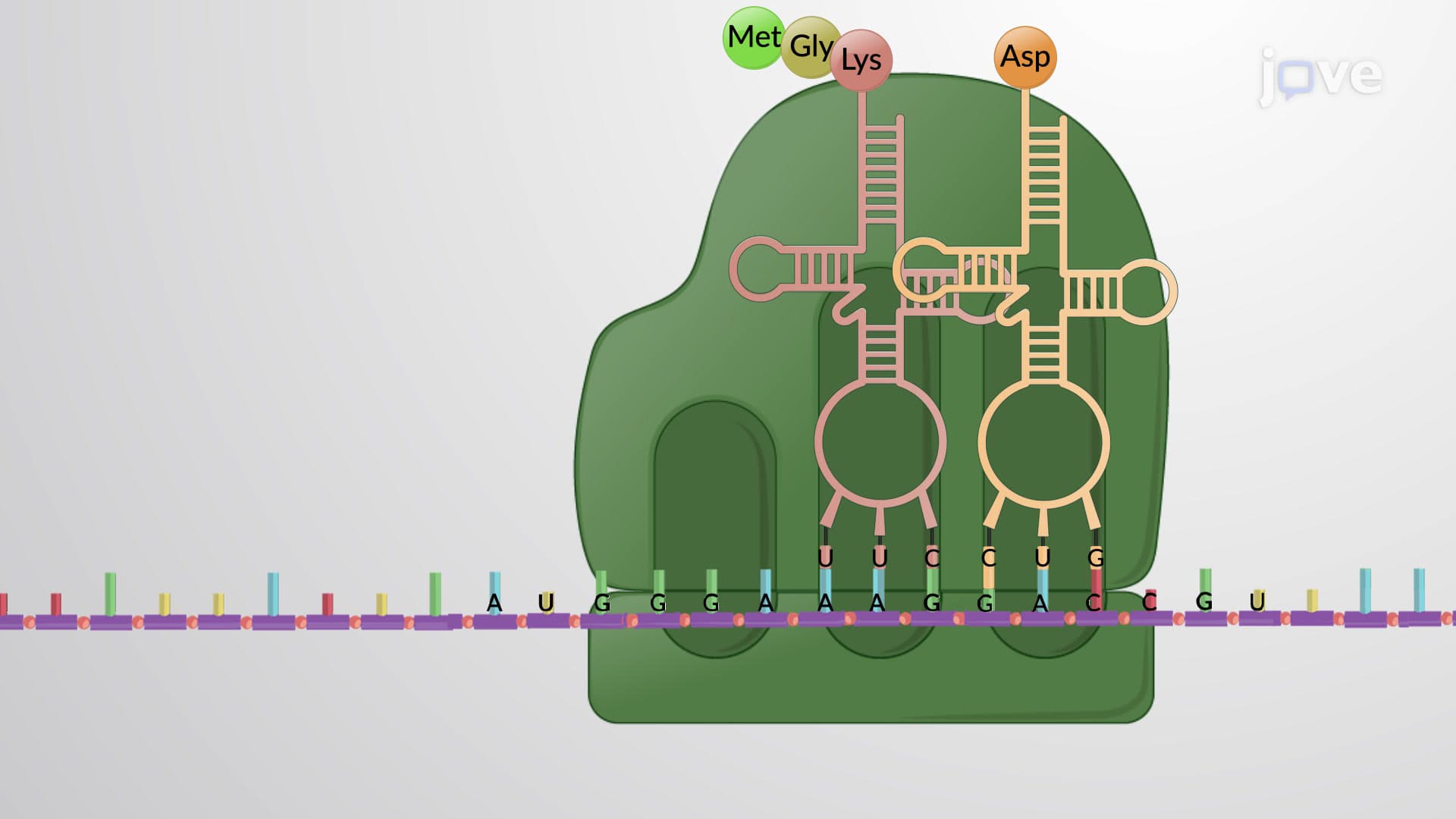
When ribosomes encounter these EJCs during normal translation, they displace them in sequence. In properly processed mRNA, the natural stop codon (UAA, UAG, or UGA) appears in the final exon, meaning all EJCs are removed before translation termination. However, when premature stop codons exist-often due to incomplete splicing or nonsense mutations-ribosomes terminate translation while EJCs remain downstream.
Understanding NMD proves essential for students pursuing healthcare careers, as this pathway significantly impacts human genetic diseases. Approximately 30% of inherited disorders result from nonsense mutations that introduce premature stop codons. In conditions like cystic fibrosis, certain mutations create truncated CFTR proteins that would be non-functional. NMD actually provides a protective mechanism by eliminating these faulty mRNAs before they produce harmful protein fragments.
This concept frequently appears on the MCAT, particularly in passages combining molecular biology with clinical scenarios. AP Biology students encounter NMD when studying gene regulation and cellular quality control mechanisms. College genetics courses often use NMD as an example of post-transcriptional regulation, demonstrating how cells maintain protein quality beyond just transcriptional control.
Recent research has revealed that NMD can be both beneficial and detrimental depending on the context. While it protects cells from harmful truncated proteins, it also prevents production of potentially functional shortened proteins in some genetic diseases. Pharmaceutical companies are developing NMD inhibitors as potential treatments for conditions like Duchenne muscular dystrophy, where allowing some truncated dystrophin protein production might provide therapeutic benefit.
Related Micro-courses