Loading…
Loading video…
2,548 views
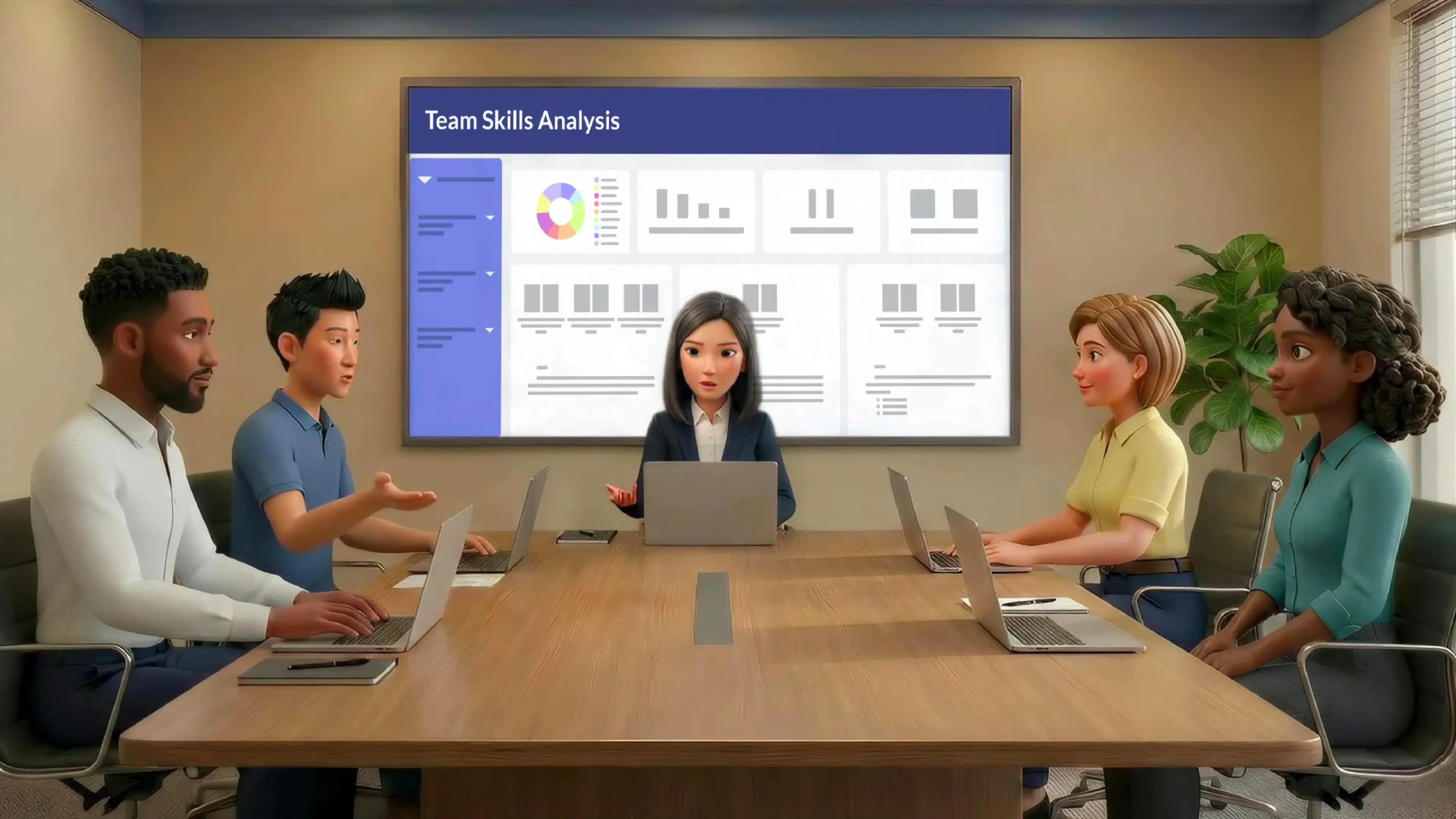
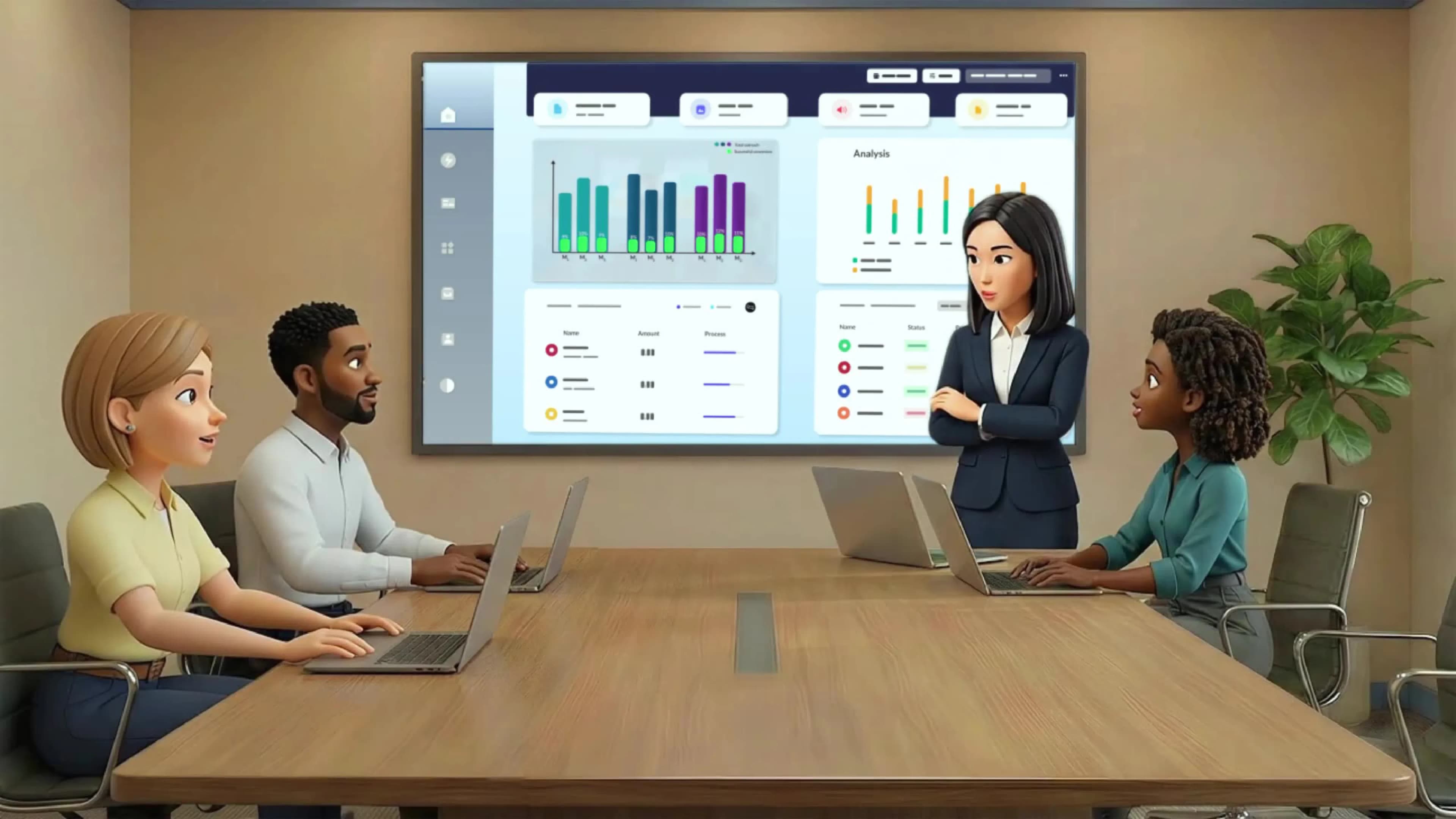
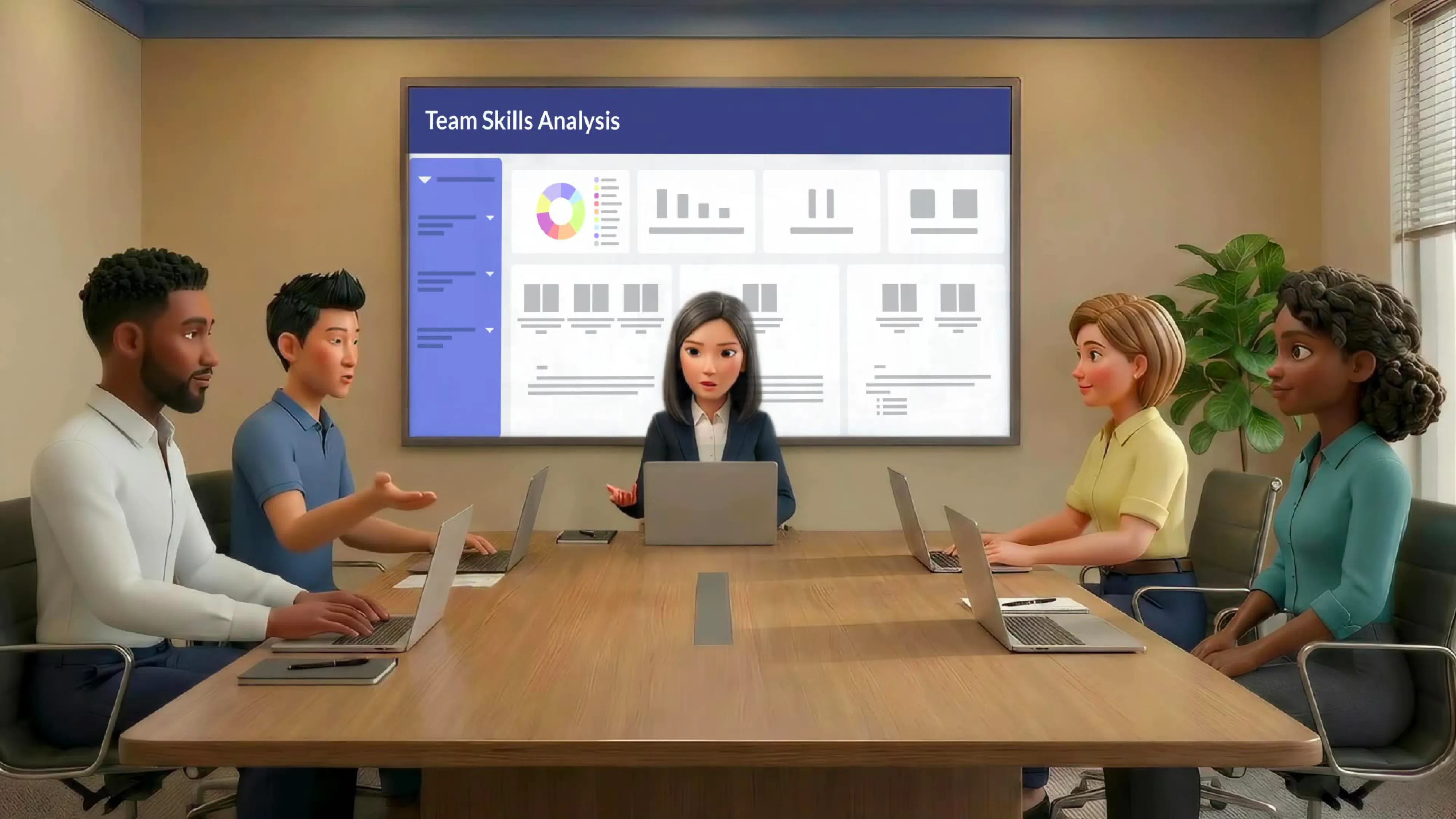
When teams operate in knowledge silos, critical expertise remains trapped with individuals, slowing down problem resolution and limiting collective growth. Building effective peer learning and collaboration requires managers to strategically create structured opportunities for knowledge transfer and skill development within their teams. This approach transforms isolated work patterns into collaborative learning systems where team members actively coach each other, share best practices, and collectively solve complex challenges. Watch the full video on JoVE Coach to master this concept with expert-led visuals and step-by-step explanations.
Most managers recognize the symptoms of knowledge hoarding: critical processes break down when key people are absent, newer team members struggle longer than necessary with routine tasks, and innovation stagnates because insights never cross departmental lines. The challenge isn't identifying the problem—it's creating sustainable systems that naturally promote knowledge sharing and collaborative learning.
The typical manager's response—sending people to training courses or creating document repositories—misses the fundamental truth about how adults learn at work. Research from the 70-20-10 learning model shows that 70% of meaningful learning happens through challenging experiences, 20% through interactions with others, and only 10% through formal instruction. Yet most organizations invest disproportionately in that final 10%, creating compliance-driven knowledge sharing that teams ignore in practice.
Effective peer learning happens when managers deliberately structure opportunities for the 90% of learning that occurs through experience and social interaction. This requires moving beyond information transfer to skill application, where team members work together on real challenges while learning from each other's approaches.
Start with challenge mapping—identify recurring problems your team faces where multiple perspectives would accelerate solutions. These might include handling difficult client situations, troubleshooting technical issues, or navigating cross-functional dependencies. Focus on challenges where your strongest performers have developed effective approaches that could benefit the entire team.
Next, create peer learning structures using the "teach-practice-apply" cycle. Form small groups of 3-4 people and assign specific topics aligned with your challenge map. Have experienced team members demonstrate their approach, but structure practice time where everyone works through scenarios together. The key is moving beyond presentations to guided application where participants practice the skill with peer feedback.
The most successful managers embed peer learning directly into work processes rather than adding it as extra activities. Use paired assignments where complementary skills naturally create teaching moments—pair your strongest analyst with someone developing quantitative skills on the same project. Implement peer review processes where team members examine each other's work and discuss different approaches before final submission.
Create regular peer coaching exchanges where team members spend 30 minutes monthly helping each other work through current challenges. This isn't formal mentoring—it's structured problem-solving that leverages collective intelligence while building relationships across the team.
Frequently Asked Questions
It means systematically creating opportunities for your team members to learn from each other's expertise while working on real projects. You structure assignments, meetings, and processes so knowledge naturally flows between people rather than staying isolated with individuals. This builds collective capability and reduces dependency on single experts.
Replace status updates with peer problem-solving segments. When someone shares a challenge, ask "Who's dealt with something similar?" and facilitate a 5-minute knowledge exchange. Use rotating presentation slots where different team members share successful approaches to common issues. Transform meetings from information broadcasts into collaborative learning forums.
Address this as a performance expectation, not a request. Frame knowledge sharing as leadership development and career advancement—demonstrating expertise to colleagues builds their internal reputation and influence. Create recognition systems that celebrate teaching moments and collaborative wins, not just individual achievements.
Use the apprenticeship model where more experienced team members guide newer ones through real work, rather than abstract training. Create mixed-skill project teams where learning happens through collaboration on actual deliverables. Focus on complementary strengths—even junior team members often bring fresh perspectives or technical skills that benefit senior colleagues.
Treat this like any performance issue with clear expectations and accountability measures. Require documented action plans from peer learning sessions and check progress in regular 1:1s. Make follow-through on collaborative commitments part of performance evaluations, and consider whether this person needs additional support to engage effectively with peer learning structures.
No—peer learning actually works better when managers act as facilitators rather than subject matter experts. Your role is creating structure, maintaining psychological safety, and ensuring follow-through. New managers often succeed because they focus on enabling others' expertise rather than trying to be the primary knowledge source themselves.
It multiplies your leadership impact by developing multiple knowledge sources within your team, reducing bottlenecks and improving problem-solving speed. Teams with strong peer learning cultures demonstrate higher engagement, faster skill development, and better retention. You'll spend less time firefighting and more time on strategic leadership activities.
Focus on scaling collaboration across teams and departments through cross-functional peer learning initiatives. Develop skills in facilitating organizational knowledge sharing, building communities of practice, and creating systems that capture and transfer learning insights. This positions you for broader leadership roles requiring enterprise-wide collaboration.
Related Micro-courses