Loading subject page…

- New Manager Essentials
- Coaching and Developing Teams
- Building a Knowledge-Sharing Culture
Micro-course: Coaching and Developing Teams
2,548 views
Learn key concepts and earn your certificate.
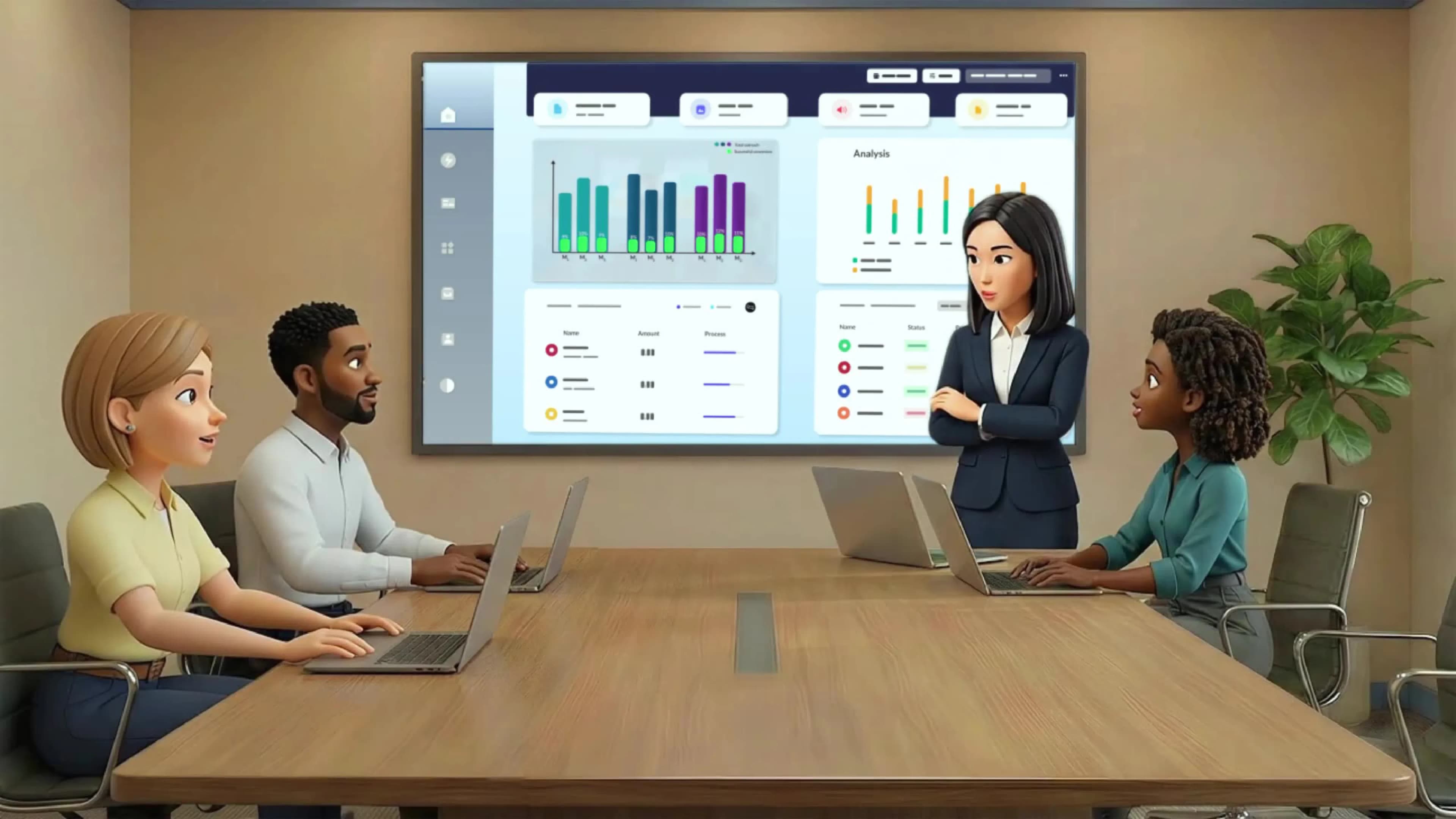






Building a Knowledge-Sharing Culture


00:00
01:30
Video Summary: Building a Knowledge Sharing Culture
High-performing individual contributors often struggle to share insights, leaving teams stuck repeating the same mistakes and missing improvement opportunities. Building a knowledge sharing culture in teams requires a structured approach that transforms individual expertise into collective organizational knowledge. The SECI model provides a proven four-stage framework—Socialization, Externalization, Combination, and Internalization—that systematically captures, organizes, and applies team insights. Watch the full video on JoVE Coach to master this concept with expert-led visuals and step-by-step explanations.
- Structure regular knowledge-sharing sessions that encourage team members to openly discuss challenges, solutions, and lessons learned from recent projects
- Facilitate the documentation process by helping your team capture tacit knowledge in accessible formats like checklists, templates, and process notes
- Build centralized knowledge repositories that make team insights easily searchable and reusable across different projects and team members
- Coach team members on applying shared knowledge in their daily work while providing real-time feedback on implementation gaps
- Lead the cultural shift from individual expertise hoarding to collaborative team knowledge sharing that drives collective performance improvement
- Manage the complete SECI cycle to ensure knowledge flows seamlessly from personal insights to team-wide organizational learning
- Navigate resistance to knowledge sharing by demonstrating clear value through reduced errors, faster problem-solving, and improved team outcomes
Building a Team Knowledge-Sharing Culture: The SECI Model
You've likely encountered teams where star performers solve complex problems brilliantly but never share their methods, leaving others to struggle with similar challenges weeks later. This knowledge silos phenomenon costs organizations millions in duplicated effort, repeated mistakes, and missed innovation opportunities. The SECI model knowledge management framework offers a systematic solution that transforms individual expertise into sustainable team knowledge sharing.
Why Knowledge Sharing Initiatives Often Fail
Most managers approach team knowledge sharing with good intentions but poor execution. They create shared drives that become digital graveyards, schedule "lessons learned" meetings that feel like mandatory reporting sessions, or simply hope that high performers will naturally mentor others. These approaches fail because they ignore how knowledge actually transfers between people. The SECI framework addresses this by recognizing that organizational knowledge exists in different forms and requires specific processes to move from individual minds to team capability.
The Four Stages of Effective Knowledge Management
Socialization creates psychological safety for knowledge exchange through structured conversations. Unlike casual chat, effective socialization requires intentional formats: post-project retrospectives using the Start-Stop-Continue framework, weekly huddles with rotating problem-solving spotlights, or peer advisory sessions where team members present challenges and collectively brainstorm solutions. The key is consistency and structure—making knowledge sharing a predictable team rhythm rather than an ad-hoc request.
Externalization transforms tacit knowledge into explicit, shareable formats. Guide your team to document insights using simple templates: decision trees for complex processes, troubleshooting checklists for common problems, or one-page summaries of key client relationship lessons. The 5W1H framework (Who, What, When, Where, Why, How) helps ensure captured knowledge contains practical context others can apply.
Combination organizes documented knowledge into searchable, interconnected systems. Create logical folder structures, use consistent naming conventions, and establish templates that link related insights. Consider implementing a simple tagging system so team members can quickly locate relevant knowledge for their specific situations.
Internalization ensures shared knowledge becomes embedded in daily work practices. Schedule regular one-on-ones to review how team members apply documented knowledge, identify implementation gaps, and provide coaching on knowledge application. Use the 70-20-10 learning model: 70% hands-on practice with shared knowledge, 20% peer learning and feedback, 10% formal review and refinement.
Implementing SECI in Your Management Practice
Start small with one recurring team challenge. Apply the full SECI cycle over 30 days: week one for socialization discussions, week two for documentation, week three for organization and combination, and week four for internalization and feedback. Track measurable outcomes like reduced problem-resolution time, decreased escalations, or improved project consistency to demonstrate value and build momentum for broader application.
Frequently Asked Questions
It means systematically capturing the problem-solving methods, client insights, and process improvements your team members develop individually, then making this knowledge accessible and usable by everyone. Instead of having knowledge trapped in individual heads, you create systems where team expertise becomes a shared resource that improves collective performance and reduces repeated mistakes.
Integrate SECI model knowledge management into existing meetings rather than creating additional time commitments. Use the last 10 minutes of project reviews for socialization, build documentation into project close-out procedures, and position knowledge sharing as a time-saving tool rather than extra work. Show immediate value by demonstrating how shared knowledge prevents others from repeating time-consuming mistakes.
Address this directly by reframing expertise sharing as leadership development and career advancement. Explain that managers promote people who elevate team performance, not those who hoard knowledge. Create recognition systems that celebrate knowledge contributors and demonstrate how sharing expertise positions individuals as subject matter experts and mentors rather than diminishing their value.
Use digital tools to replicate SECI model socialization through virtual coffee chats, online retrospectives, and collaborative documentation platforms. Create shared digital workspaces for knowledge combination and use video recordings to capture complex explanations. Schedule regular virtual one-on-ones to ensure knowledge internalization happens despite physical distance. The framework remains the same; only the delivery methods change.
No prior expertise in organizational knowledge management is required. The SECI framework provides clear steps that any manager can follow. Start with simple approaches like structured team discussions and basic documentation templates. Your role is facilitating the process and maintaining consistency, not being the technical expert on every piece of knowledge being shared.
It reduces your time spent answering repeated questions, decreases team dependency on your personal knowledge, and accelerates new team member onboarding. You'll spend less time firefighting recurring problems and more time on strategic leadership activities. Additionally, demonstrating systematic knowledge management capabilities positions you for senior leadership roles that require building organizational capabilities.
Develop skills in change management and organizational learning systems. Understanding how to scale knowledge sharing across departments, implement cross-functional collaboration processes, and measure knowledge management ROI will prepare you for senior leadership roles where you'll need to build learning organizations rather than just managing individual teams.
Related Micro-courses

13 Concepts


5 Concepts