Loading video…


 7 Concepts
 2.6K views

Video Summary: How to Give Real Time Feedback That Works
Real-time feedback is the practice of addressing a performance issue promptly after you observe it, while the behavior and its context are still specific and fresh. Giving feedback the same day it happens lets you connect the observed action to a concrete outcome, explain what needs to change, and then follow up to recognize improvement. Done consistently, this approach stops small errors from becoming fixed habits and builds a team culture of continuous improvement. Learn more about coaching team members for better performance.
Feedback works best when it happens close to the moment you observe the issue. Waiting days or weeks lets the behavior repeat and makes the conversation feel disconnected from anything specific. Scheduling a one-on-one the same day you notice a problem keeps the discussion grounded and actionable.
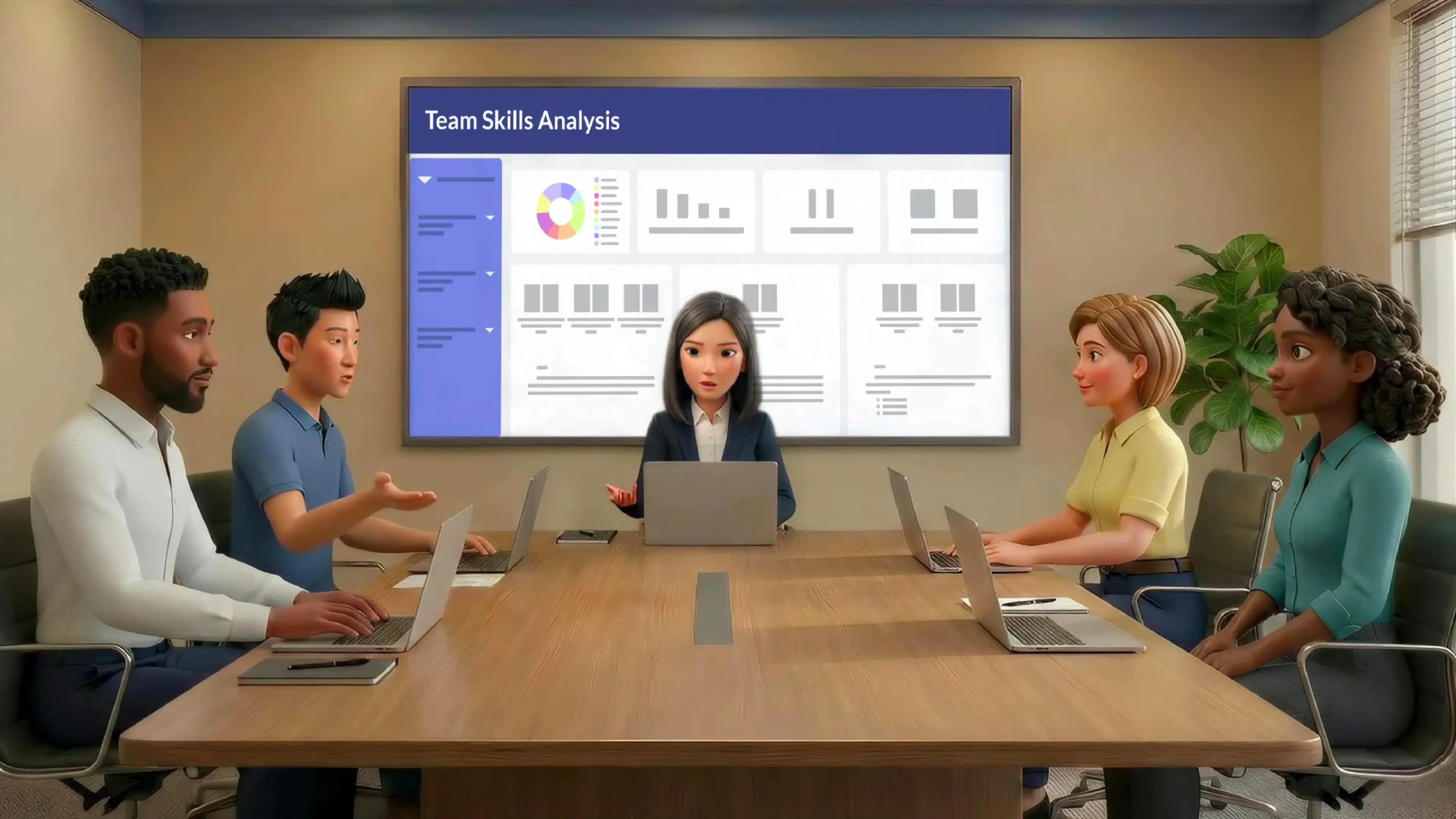
Grounding feedback in what you directly observed, rather than general impressions, makes it easier for the other person to hear and act on. Describing the specific behavior you saw, rather than making a judgment about the person, reduces defensiveness. This approach starts with identifying team strengths and gaps so you know what you are actually looking for.
Feedback becomes meaningful when you show how a specific action caused a real, traceable problem. Explaining that skipped details led to incomplete tickets, which then caused repeat calls and wasted time, gives the team member a concrete reason to change. That connection between behavior and outcome is what makes the feedback stick.
After describing what went wrong, tell the team member exactly what to do differently. A direct instruction, such as documenting the full details of each customer issue before closing a call, gives them a clear action to take. Vague feedback leaves people unsure of what success looks like. This ties directly into managing team performance and feedback as an ongoing practice.
Following up over the next few weeks to review work and acknowledge progress is as important as the initial correction. When you show a team member how their change produced a positive, measurable result, you reinforce the new behavior. This kind of recognition, paired with data, makes improvement sustainable. It also supports the broader goal of encouraging continuous skill growth across the team.
Related Micro-courses