Loading video…

 7 Concepts
 2.6K views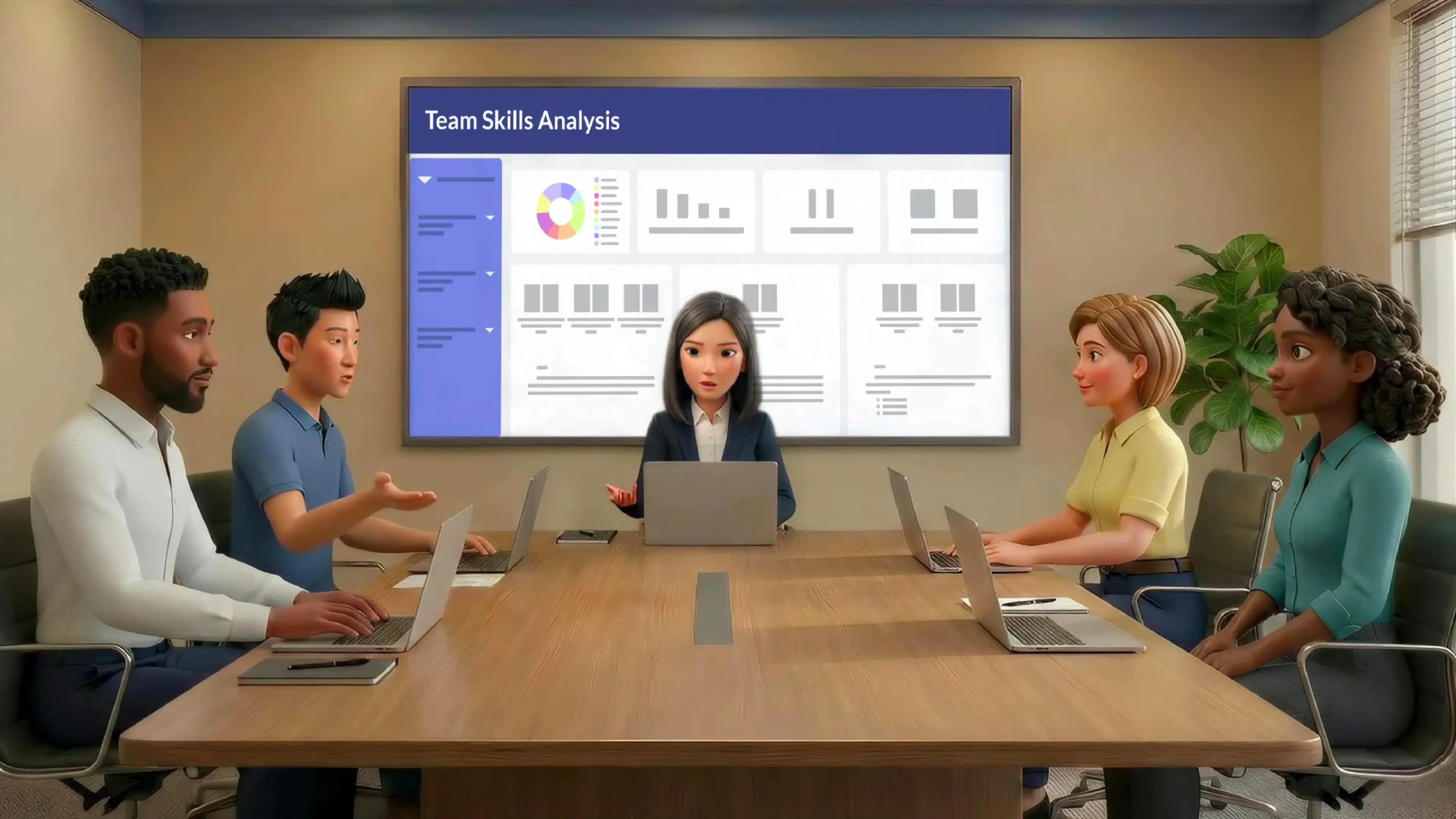

Video Summary: Promoting Peer Learning and Collaboration
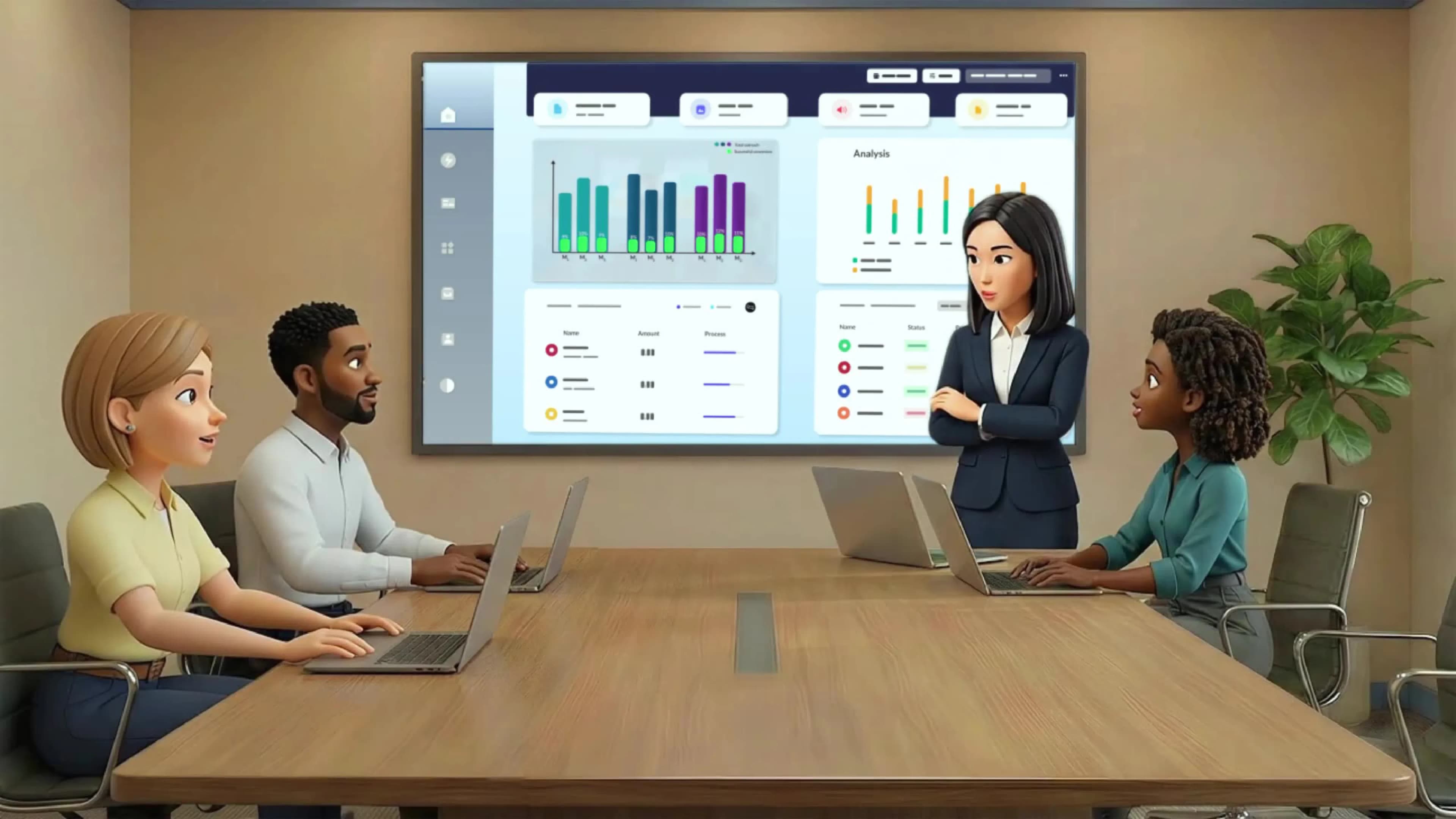
Peer learning is a structured approach where team members actively share knowledge, practice skills together, and support each other's problem-solving during everyday work. Rather than keeping learning in formal sessions, you weave it into how the team operates, which reduces knowledge silos, shortens task completion time, and builds trust. This approach to building a knowledge-sharing culture treats collaboration as a daily habit rather than a one-off event.
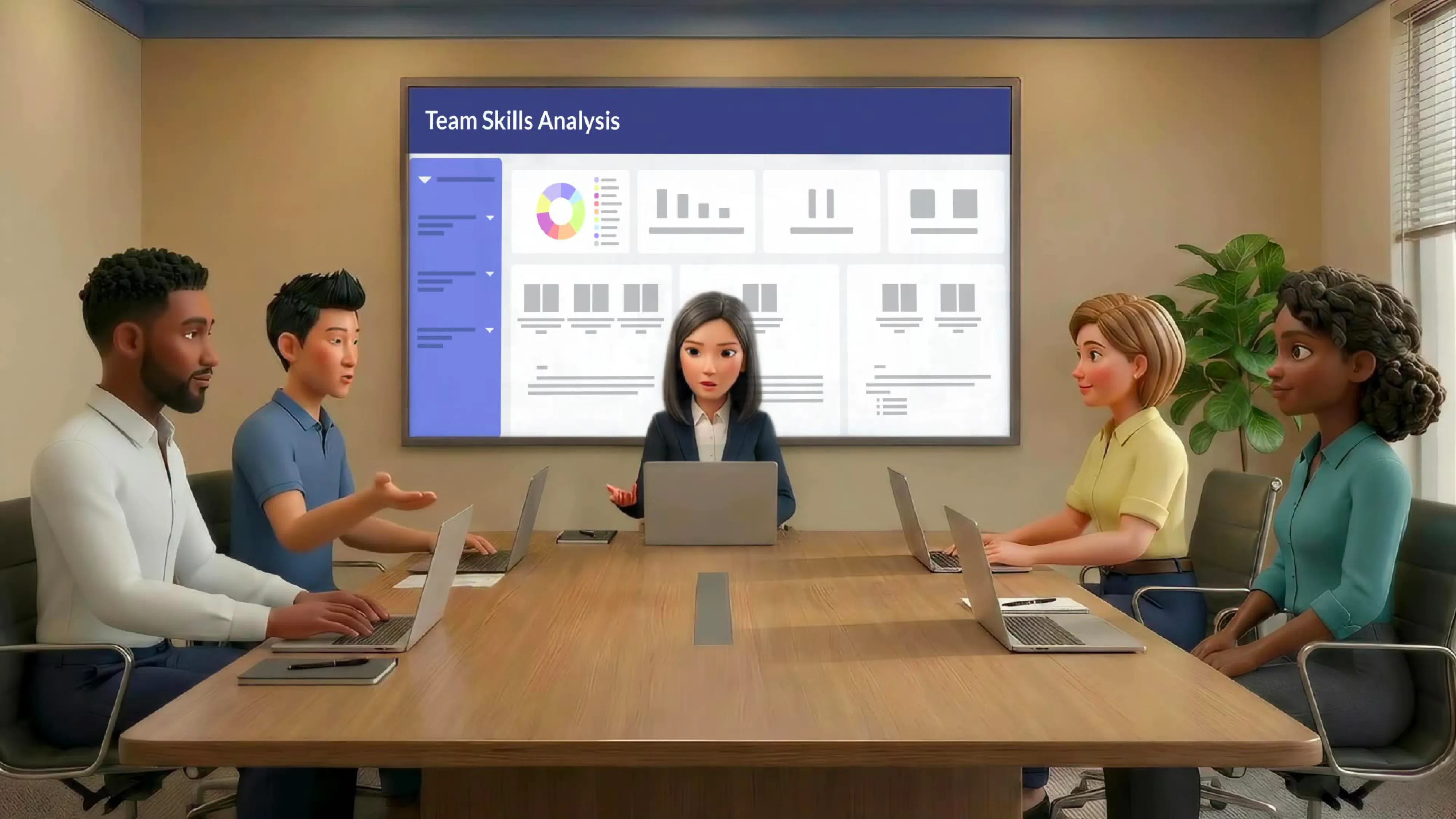
Start by mapping the challenges your team faces most often, such as handling escalations or improving customer responses. Focusing peer learning on real, recurring problems means the effort pays off immediately. Working to identify team strengths and gaps gives you the clearest picture of where shared knowledge would help most.
Small peer groups work best when they have a specific topic to discuss rather than an open-ended brief. Assigning clear discussion themes keeps conversations focused on practical problem-solving and idea sharing, which produces more useful outcomes than unstructured group time.
Short, practical sessions where one team member demonstrates a specific skill and others practice it together build capability quickly. The format is simple: one person shows, the group attempts, and guided activities reinforce the skill. These sessions keep learning grounded in real tasks rather than abstract theory, supporting encouraging continuous skill growth across the whole team.
Assigning paired tasks lets team members coach and support each other while completing regular responsibilities. This removes the need for separate learning time and makes collaboration a normal part of the workday. Coaching team members for better performance becomes a shared responsibility rather than a manager-only role.
When peer learning is consistent, trust between team members grows, collaboration deepens, and the team stops treating development as something separate from work. Knowledge stops sitting with individuals and starts flowing across the group. The result is a team that learns together as a standard part of how it operates, which connects to the broader goal of building trust and collaboration.
Related Micro-courses