Loading subject page…

2,572 views
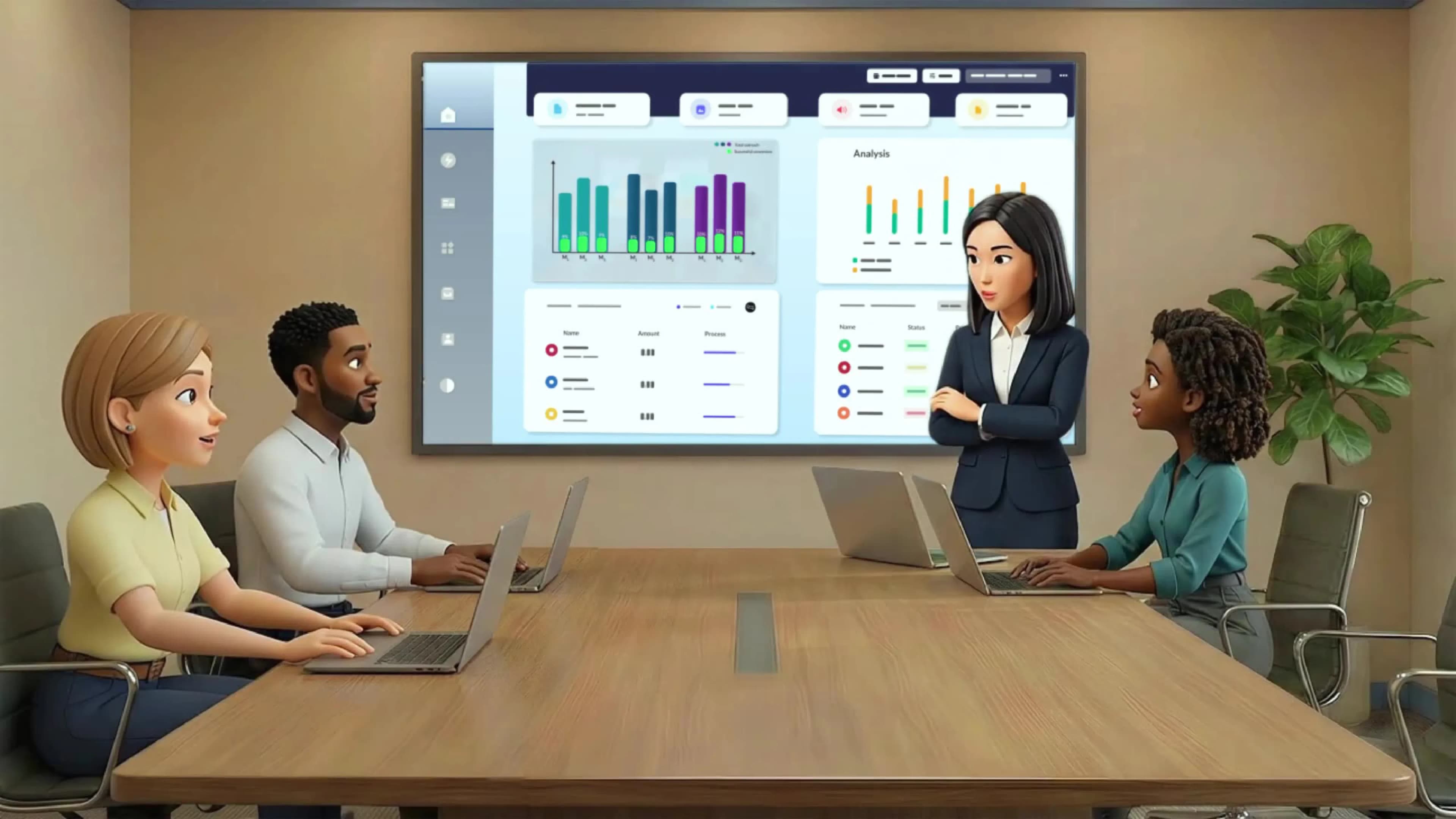

Video Summary: Identify Team Strengths and Gaps
Identifying team strengths and gaps means assessing where each person performs well and where support is needed, based on observed work rather than assumptions. A manager does this by reviewing actual output, investigating the causes behind results, spotting consistent patterns, and then taking targeted action. This process makes coaching team members for better performance more focused and grounded in real evidence.
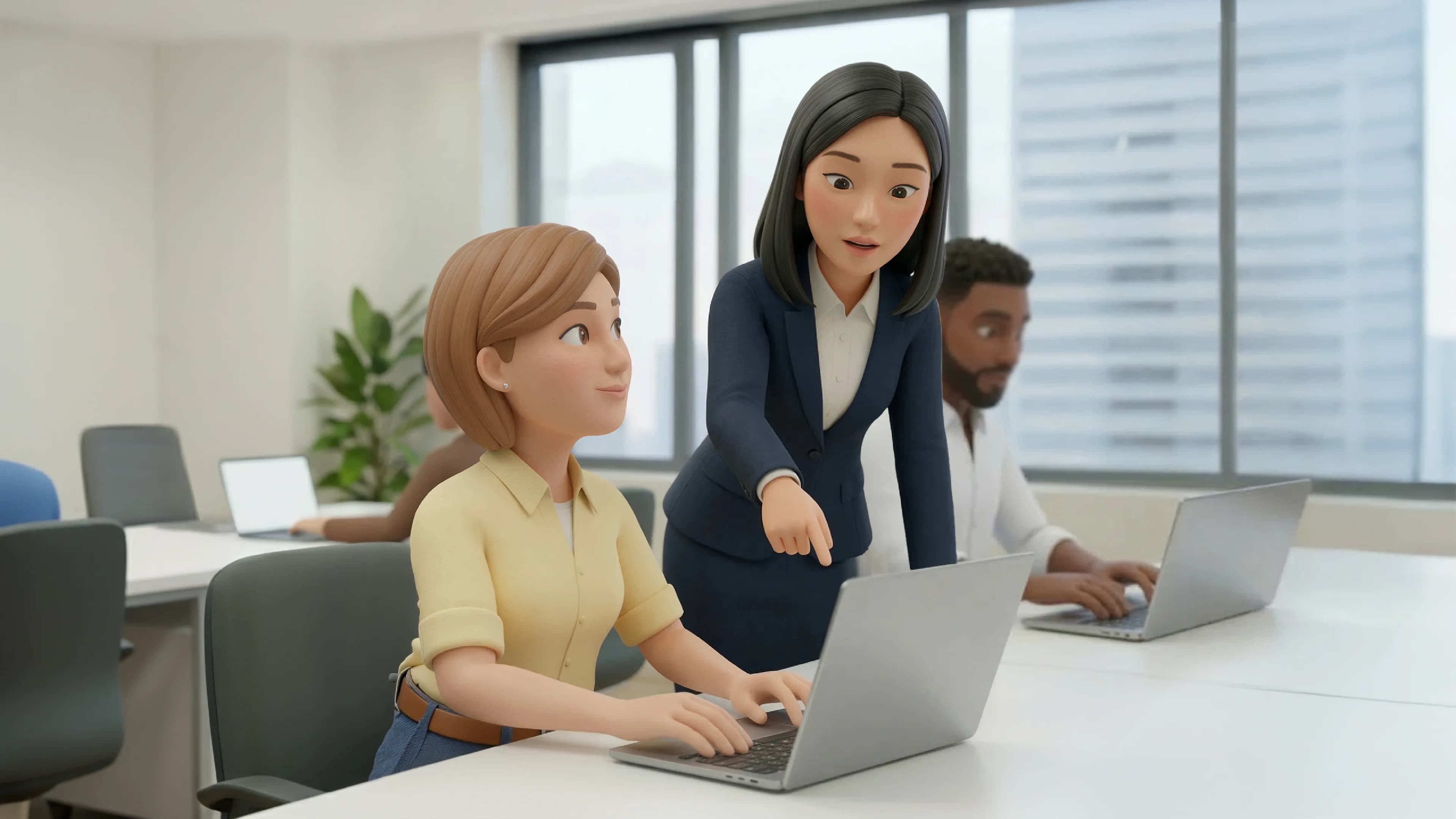
Start by watching how team members handle their daily responsibilities and document what you see. Clear performance signals include accurate problem resolution, on-time delivery, and repeated follow-up misses. Recording these observations grounds your assessment in fact, not impression, giving you a reliable starting point. Real-time feedback becomes far more useful when it is tied to these documented signals.
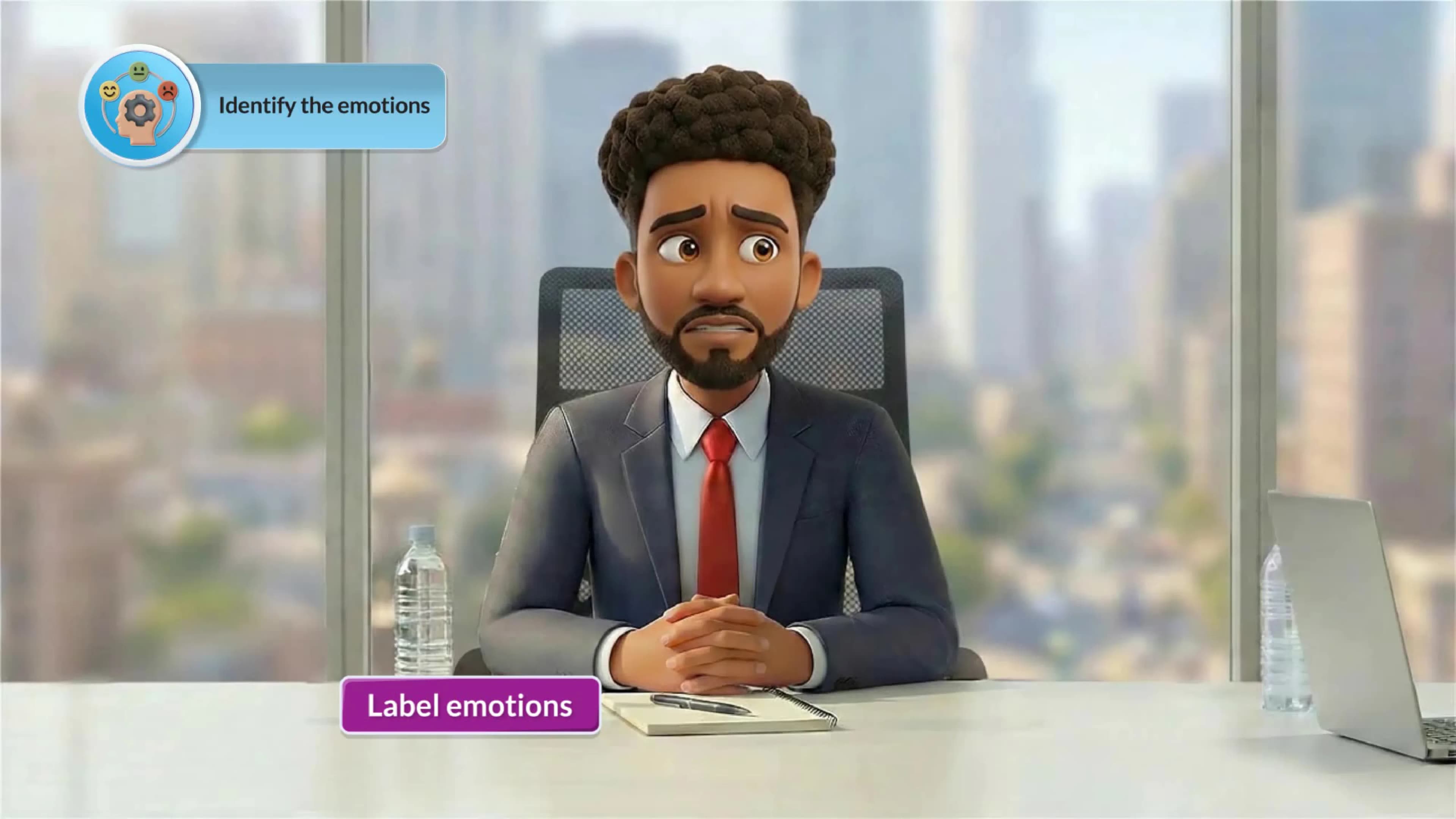
Once you notice a performance gap, ask fact-based questions to find out why it exists. The cause may be a missing skill, unclear instructions, or a lack of proper tools. Understanding the source matters because each cause calls for a different response. Managing team performance and feedback covers how to structure these conversations effectively.
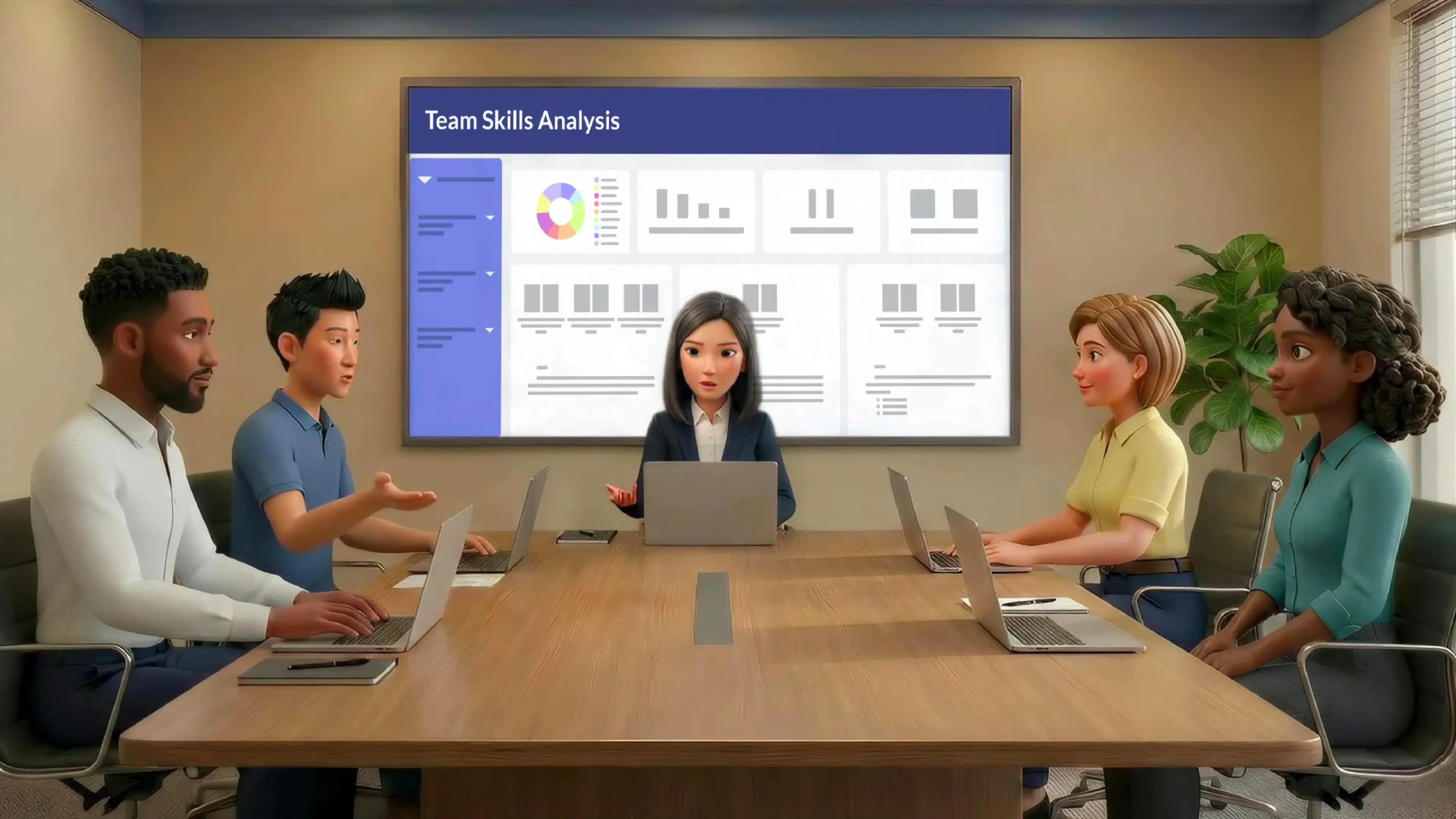
Compare performance across different tasks to move beyond one-off observations. Consistent strengths, such as strong peer collaboration and timely task completion, tell you what to build on. Recurring gaps, such as missed deadlines or incomplete documentation, signal where structured support is most needed. Peer learning and collaboration can reinforce the strengths you already see in action.
After identifying patterns, act on them specifically. Plan coaching for recurring skill gaps, assign mentors where appropriate, and clarify expectations that may be causing confusion. This targeted approach avoids generic training and connects each decision directly to a documented need. Building career development plans helps translate these decisions into longer-term growth paths.
Related Micro-courses