Loading subject page…


34,394 views

Video Summary: Pre Procedural Guidelines for Assessing Explained
Did you know that 45% of blood pressure readings in US hospitals are inaccurate due to improper pre-assessment protocols? Pre procedural guidelines for assessing blood pressure are critical safety measures that healthcare professionals must follow before taking any vital sign measurements. For example, at Johns Hopkins Hospital, nurses follow strict pre-assessment protocols including patient identification verification and proper cuff sizing to ensure accurate readings. These Pre Procedural Guidelines For Assessing Explained form the foundation of safe, reliable healthcare measurements. Watch the full video on JoVE Coach to master this concept with expert-led visuals and step-by-step explanations.
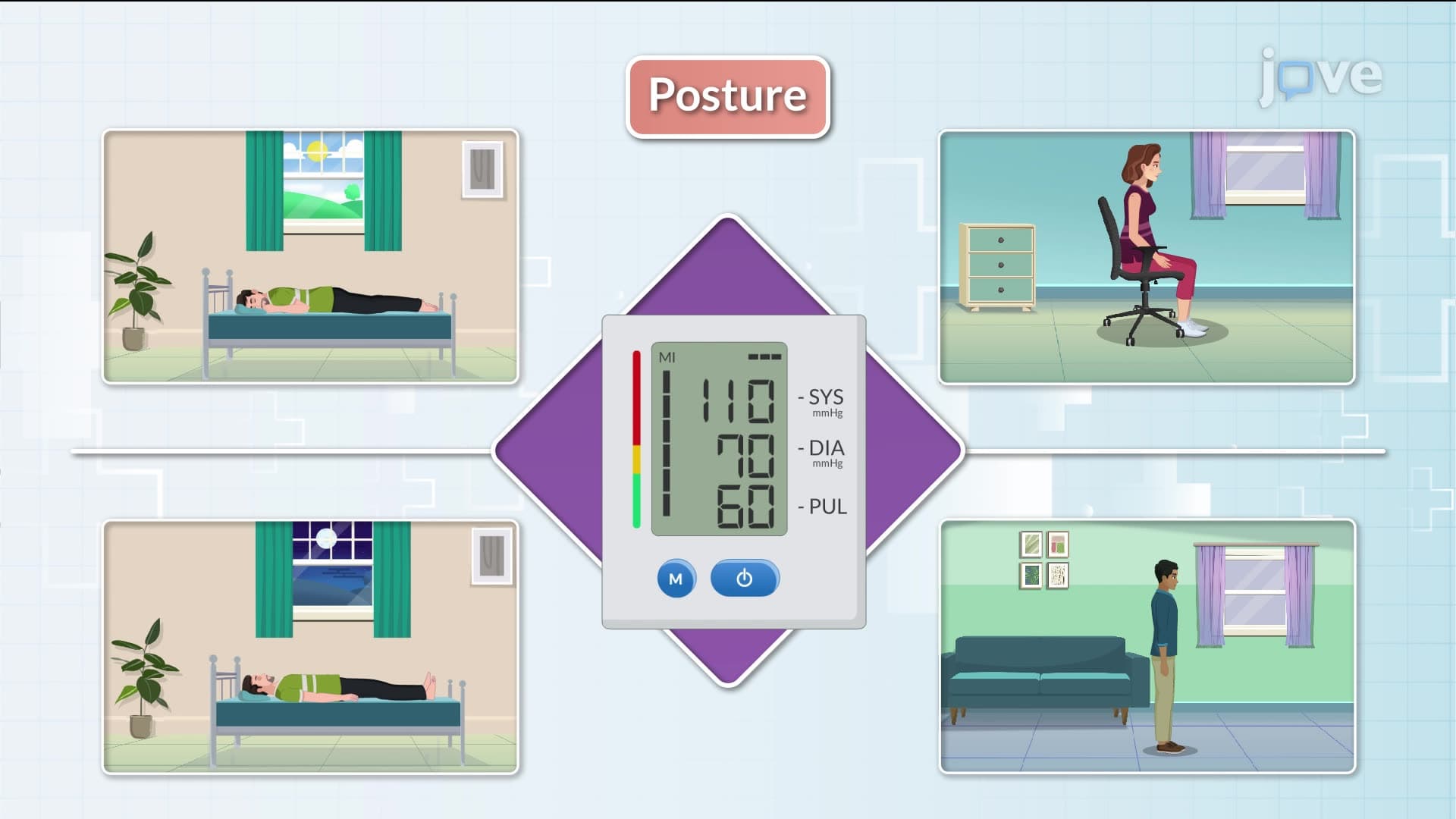
Pre procedural guidelines for assessing represent the systematic approach healthcare professionals use to ensure accurate, safe vital sign measurements. These protocols, standardized across US healthcare systems from the Mayo Clinic to community hospitals, serve as the foundation for reliable clinical data collection. The guidelines encompass patient identification, anatomical assessment, equipment preparation, and environmental optimization.
The first critical component involves thorough patient identification using multiple identifiers. Healthcare workers must verify the patient's full name, medical record number, and date of birth-a practice mandated by The Joint Commission's National Patient Safety Goals. This triple-verification system prevents medical errors and ensures measurements are attributed to the correct patient record. In busy hospital units like those at Cleveland Clinic, this verification process has reduced patient misidentification incidents by over 60%.
Healthcare professionals must evaluate potential anatomical contraindications before cuff placement. Arms with intravenous infusions, arteriovenous fistulas, recent breast surgery, or lymphadenopathy require alternative measurement sites. This assessment prevents complications such as compromised blood flow, infection, or inaccurate readings. For instance, dialysis patients with arm fistulas require measurements on the opposite arm or lower extremities, following protocols established by the National Kidney Foundation.
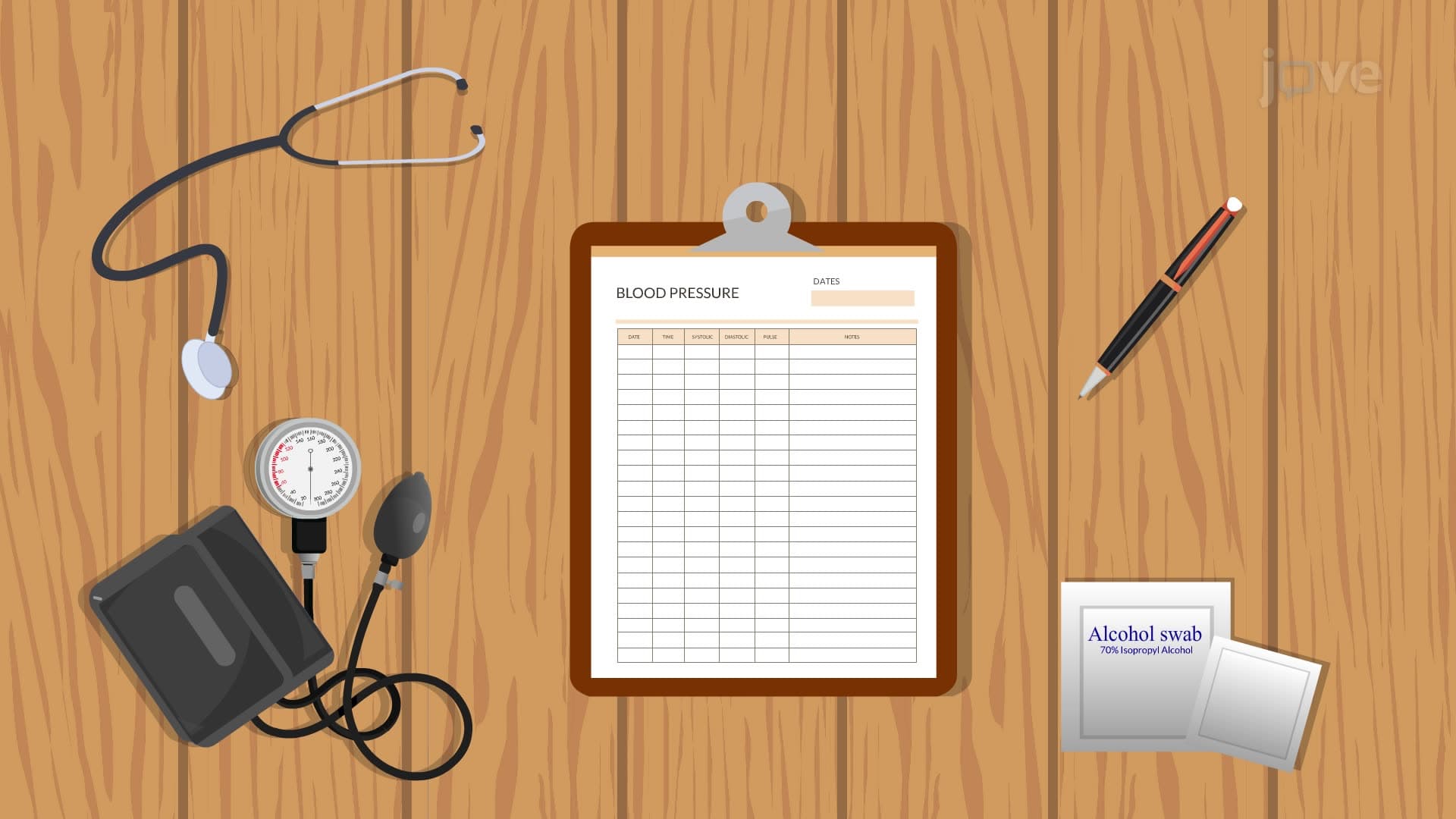
Proper equipment preparation includes selecting appropriate cuff sizes based on arm circumference measurements. The American Heart Association specifies that cuff bladders should encompass 40% of arm width and 80% of circumference length. Bariatric patients require specialized large cuffs, while lean adults need smaller sizes. This sizing precision directly impacts measurement accuracy-studies show improperly sized cuffs can cause readings to vary by 10-40 mmHg.
Students preparing for NCLEX-RN or MCAT examinations frequently encounter questions about these guidelines, particularly regarding contraindications and equipment selection. Understanding these protocols proves essential for AP Biology students studying cardiovascular physiology and college nursing students mastering clinical skills.
Related Micro-courses